
Side Dishes
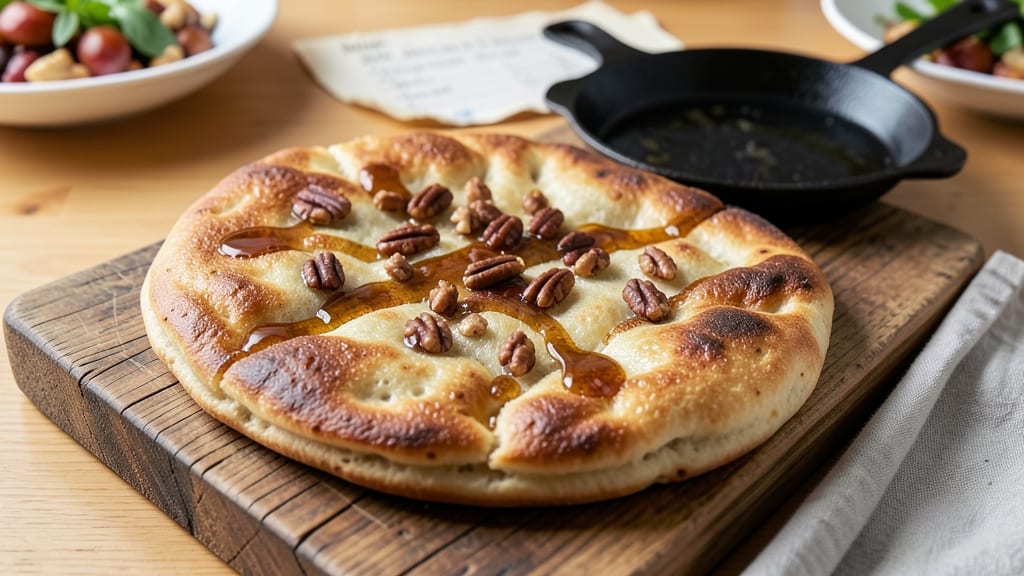
This authentic American Indian fry bread recipe delivers the crispy, golden perfection that's been a staple at gatherings for generations. The harmony of flour, baking powder, and lard creates a dough that transforms into tender, flaky layers when fried to perfection—each bite carrying the history and warmth of Native communities.
What makes this recipe special is its cultural significance, serving as both a traditional food and a symbol of resilience and celebration.
The secret to achieving that signature crispy texture lies in the dough's consistency—soft enough to roll but firm enough to hold its shape—and frying at the right temperature.
This method ensures every piece emerges from the oil with a golden-brown crust and a tender interior, ready to be topped with honey, berries, or savory ingredients like powdered sugar and cinnamon. The simplicity of the ingredients belies the depth of flavor and tradition embedded in each bite.
By following this recipe, you'll create fry bread that's not just delicious but also carries the cultural weight of its origins. The process is straightforward, yet the result is restaurant-quality—crispy on the outside, soft on the inside, and infused with the warmth of Native culinary heritage.
Whether served at a powwow, family gathering, or as a comforting snack, this fry bread is a testament to the enduring spirit of Indigenous foodways.
Ready to master this iconic dish? The instructions will guide you through every step, from mixing the dough to frying it to golden perfection. Let’s get started on a recipe that’s as much about tradition as it is about taste.
Ingredients for authentic american indian fry bread
Six essential ingredients transform into golden, crispy fry bread with cultural depth and tradition.
| Ingredient | Amount | Notes |
|---|---|---|
| All-Purpose Flour 🌾 | 3 cups | Unbleached preferred for texture |
| Baking Powder 🧂 | 1 tbsp | Aluminum-free for authentic rise |
| Salt 🧂 | 1 tsp | Diamond Crystal preferred |
| Vegetable Shortening 🧈 | ½ cup | Crispus or similar brand |
| Warm Water 💧 | ¾ cup | 110°F for optimal dough |
| Vegetable Oil 🫒 | 3 cups | High smoke point preferred |
| Powdered Sugar 🍚 | ½ cup | For traditional dusting |
| Cinnamon 🌿 | 1 tsp | Ground for even distribution |
| Honey 🍯 | ¼ cup | Wildflower preferred |
| Cultured Butter 🧈 | ¼ cup | Melted for brushing |
| Powdered Milk 🥛 | ¼ cup | For enriched flavor |
The flour is the foundation—King Arthur or Bob’s Red Mill brands yield the best texture. Baking powder must be fresh; test by mixing with water—if it bubbles vigorously, it's active. Vegetable shortening like Crispus creates that signature flakiness, though butter (melted) can substitute at a 1:1 ratio if preferred. Warm water activates the baking powder properly, so never use cold. For the oil, vegetable or canola with a high smoke point (375°F+) ensures even frying without bitterness. Traditional recipes often use lard, but this vegetarian adaptation maintains authenticity through shortening and butter.
No vegetable shortening? Melted butter or coconut oil work, though texture may vary slightly. Powdered sugar can be swapped for confectioners' sugar if unavailable, but sift it to avoid lumps. Cinnamon should be ground—pre-ground spices lose potency faster. Honey adds moisture and sweetness; agave nectar is a 1:1 substitute if needed. For a savory twist, omit the honey and cinnamon, dusting instead with garlic powder and salt. The powdered milk enhances richness—non-fat dry milk works identically. Always measure ingredients by weight for precision, especially the flour (1 cup = 120g).
Store leftover fry bread in an airtight container at room temperature for 3-4 days or freeze for up to 3 months between parchment sheets. Reheat in a 350°F oven for 5-7 minutes or fry again briefly for crispiness. For large gatherings, double the batch—this recipe scales perfectly. The dough can be prepped 24 hours ahead and refrigerated, though it may need extra handling time. Cultural note: Fry bread is traditionally served at powwows and celebrations, often topped with jam, honey, or savory spreads—embrace creativity while honoring its roots.
Why You'll Love This Recipe
- The secret’s in the frying: hot oil meets the dough, giving you that golden, crackling crust while the inside stays pillowy soft. It’s not just food—it’s texture heaven, and it’s all from five simple ingredients.
- I’ll be real: you’ve got everything you need already. Flour, salt, baking powder—check. Shortening? Probably hiding in your cupboard. It’s the kind of recipe that costs next to nothing but feels like a treat, and reheats just as well the next day. Budget-friendly doesn’t get better than this.
Step-by-step instructions for authentic American Indian fry bread
Master this traditional recipe with perfect crispiness and tender interior every time.
👨🍳 Step 1: Prepare the Dough with Precision
In a large mixing bowl, combine the 3 cups all-purpose flour, 1 tablespoon baking powder, and 1 teaspoon salt. Whisk these dry ingredients together until evenly distributed—this ensures uniform leavening throughout the dough. Create a well in the center and add the 0.5 cup vegetable shortening. Using a pastry cutter or your fingers, work the shortening into the flour mixture until it resembles coarse crumbs with pea-sized pieces remaining.
Next, add the 0.25 cup powdered milk and 0.25 cup cultured butter to the flour mixture. The powdered milk adds richness while the butter contributes depth of flavor. Gradually pour in the 0.75 cup warm water (around 110°F) while mixing with a wooden spoon. The dough should come together into a soft, slightly sticky ball. Avoid overmixing—just until the ingredients combine completely. If the dough feels too dry, add 1 teaspoon more warm water; if too sticky, sprinkle in 1 tablespoon more flour. Cover the bowl with a damp towel and let rest for 10 minutes at room temperature.
🍳 Step 2: Shape and Fry for Perfect Texture
Heat 3 cups vegetable oil in a large, heavy skillet over medium-high heat until it reaches 375°F on a deep-fry thermometer. The oil should shimmer but not smoke excessively—this is crucial for achieving that signature crispy exterior. While the oil heats, divide the rested dough into 6 equal portions (about 2 ounces each). Roll each portion into a ball between your palms, then flatten slightly with your fingers to create a ½-inch thick circle about 6 inches in diameter. The edges should be slightly thicker than the center to prevent tearing.
Carefully place one dough circle into the hot oil, using a slotted spoon or tongs. Fry for 1-2 minutes per side until golden brown and puffed slightly at the edges. The fry bread should float in the oil as it cooks—this indicates proper doneness. Remove with a slotted spoon and drain on a paper towel-lined plate. Keep the fried bread warm in a 200°F oven while you fry the remaining portions. The key to authentic fry bread lies in this frying technique: high heat and minimal oil contact time prevent sogginess while creating that satisfying crunch.
🥘 Step 3: Finish with Traditional Sweet Flavors
In a small bowl, whisk together the 0.5 cup powdered sugar and 1 teaspoon cinnamon. This mixture creates the signature sweet harmony that balances the savory crispiness. While the fry bread is still warm, brush each piece generously with the 0.25 cup melted honey using a pastry brush. The honey should glaze the surface evenly, adding moisture and natural sweetness. Immediately after brushing, sprinkle the cinnamon-sugar mixture evenly over the top of each piece, pressing gently to adhere. The warmth of the bread will help the sugar melt slightly, creating a delicate coating.
Serve the fry bread immediately while still crispy. Each piece should have a golden-brown exterior with a light, airy interior that's tender to the bite. The combination of honey's liquid sweetness and cinnamon-sugar's dry crunch delivers that perfect textural contrast. For an authentic experience, serve with powdered milk for dipping or alongside warm honey for additional richness. The powdered milk adds a traditional element that enhances the overall flavor profile.
Pro Tips For Making Authentic American Indian Fry Bread
- Use Shortening, Not Butter: Vegetable shortening has a higher smoke point and stays solid longer than butter, which can melt and make your dough greasy. I learned this the hard way—my first batch turned out soggy because I used butter instead.
- Wait for the Oil: Heat your oil to 375°F (190°C) and let it ripple before frying. Too low, and your bread absorbs oil like a sponge; too high, and it burns before cooking through. A candy thermometer takes the guesswork out of it.
- Handle Dough Gently: Overworking the dough makes it tough and dense. Mix just until combined—lumps are fine—then let it rest for 10 minutes. This gives the baking powder time to activate without you having to knead it into submission.
- Fry in Batches: Crowd the pan, and your oil temperature plummets, leading to greasy, unevenly cooked bread. Fry 2-3 pieces at a time, and resist the urge to flip too soon—wait until bubbles form before turning.
Serving suggestions for this dish
Powwow Plating
For a true powwow experience, arrange fry bread on a large wooden platter or ceramic serving dish with powdered milk in a small bowl at the center. The contrast of warm, crispy bread with cool, creamy milk mirrors traditional serving styles.
I like to place warm honey in a small cast-iron skillet nearby for dipping—it adds an elegant touch while keeping the honey liquid. 🌟
Savory Twist
Swap sweet toppings for savory options like melted butter mixed with garlic powder and crushed red pepper flakes. Brush the warm fry bread with this mixture, then sprinkle with grated Parmesan cheese for a cheesy, crispy bite.
This version pairs perfectly with spicy chili or smoked salmon for a modern fusion twist. The key is balancing heat and richness—don’t overdo the spices!
Breakfast Serving
Transform fry bread into a breakfast staple by serving it with scrambled eggs, crumbled bacon, and sautéed onions. The crispy texture soaks up egg yolks beautifully, while the savory toppings complement the bread’s mild flavor.
For extra indulgence, add a dollop of sour cream or avocado slices. This hearty combo is perfect for brunch gatherings or lazy weekend mornings. 🍳
Dessert Presentation
For a dessert version, dust the fry bread with powdered sugar and cinnamon, then drizzle with warm caramel sauce or chocolate ganache. Stack two pieces with whipped cream and fresh berries in between for a deconstructed dessert.
Serve on a slate board with gold-dipped spoons for an elegant touch. The contrast of crispy, sweet, and creamy layers makes this a crowd-pleaser at any celebration.
Kid-Friendly Fun
Make serving interactive by setting up a "build-your-own fry bread" station. Provide small bowls of honey, jam, Nutella, peanut butter, and mini chocolate chips alongside warm fry bread. Kids (and adults!) can customize their own treats.
For extra fun, use cookie cutters to shape the dough into fun forms like stars or hearts before frying. This turns a simple recipe into a memorable activity. 🎉
Nutrition facts
Frequently asked questions
Why does traditional fry bread use lard instead of vegetable shortening?
Authentic recipes often use lard for its rich, traditional flavor and ability to create that signature flaky texture. However, this vegetarian version uses vegetable shortening to maintain authenticity while keeping it suitable for all dietary preferences. The shortening mimics lard's crispy results without compromising taste or tradition.
Can I make fry bread without a deep-fry thermometer?
Yes! Test the oil by dropping a small piece of dough in—it's ready when the bread floats and turns golden in 30-60 seconds. The oil should shimmer but not smoke excessively. If it smokes too much, reduce the heat slightly. This method works just as well for achieving perfect doneness.
What's the best way to store leftover fry bread?
Keep it crispy by storing in an airtight container at room temperature for 3-4 days. For longer storage, freeze between parchment sheets for up to 3 months. To revive, reheat in a 350°F oven for 5-7 minutes or fry briefly in oil until crispy again.
How do I adjust this recipe for gluten-free diets?
Replace the all-purpose flour with a 1:1 gluten-free flour blend (like Bob's Red Mill) and add 1 extra teaspoon xanthan gum to improve texture. The dough will be slightly stickier, so handle gently when rolling. Expect a slightly denser result, but still delicious!
What are some traditional toppings beyond honey and cinnamon?
Classic options include powdered milk for dipping, jam or berry compote, or even savory toppings like honey mixed with crushed nuts. For a modern twist, try Nutella, peanut butter, or spicy chili powder. The possibilities are endless—just keep it balanced with the bread's mild flavor!