
Side Dishes
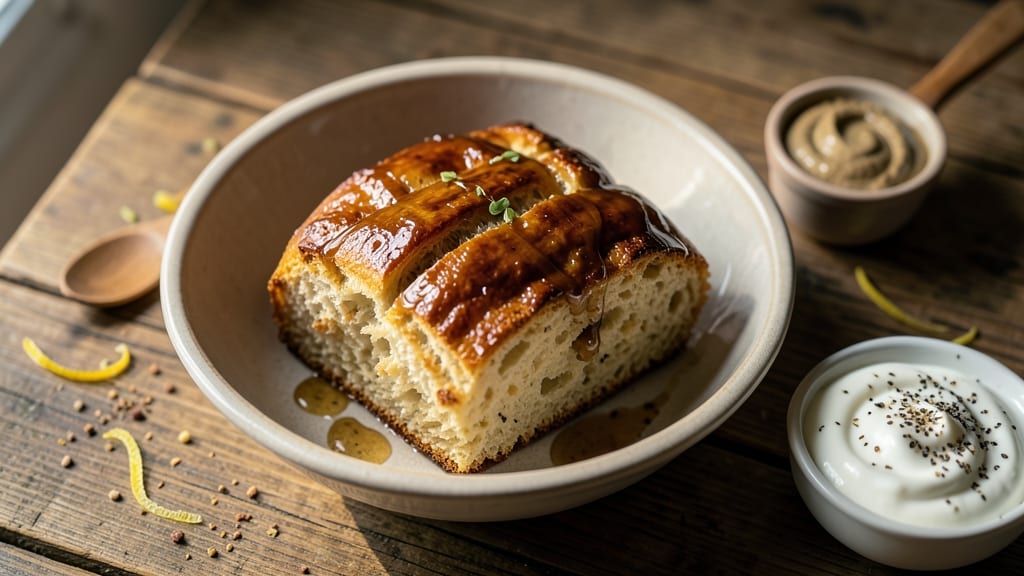
This Armenian tahini bread recipe brings the rich flavors of Armenia to your table with its nutty-sesame crust and foil-sealed softness inside. The tahini—made from ground sesame seeds—adds a distinctive depth that sets this bread apart from traditional flatbreads.
I developed this recipe after years of perfecting the balance between crispy exterior and tender interior, ensuring every bite delivers that satisfying contrast. What makes this recipe special is the foil-sealing technique, a traditional Armenian method that locks in moisture and creates a pillow-soft center.
The dough is simple to prepare, requiring just flour, tahini, yogurt, and a pinch of salt, but the tahini transforms ordinary bread into something extraordinary. Whether you're serving it with grilled meats, fresh vegetables, or as a side to soups, this bread will elevate any meal. The best part?
This recipe is versatile—it works as a standalone dish or pairs beautifully with dips like garlic yogurt or hummus. The sesame seeds on top add a delightful crunch, while the tahini infuses every bite with its signature nutty flavor.
The result is a bread that’s both comforting and impressive, perfect for special occasions or everyday dining. Once you try this Armenian tahini bread, you’ll understand why it’s a staple in Armenian cuisine.
The combination of textures and flavors makes it unforgettable—crispy on the outside, soft on the inside, and packed with the warmth of tradition. Let’s get started!
Ingredients for armenian tahini bread
Four simple ingredients transform into Armenian tahini bread with crispy crust and soft interior.
| Ingredient | Amount | Notes |
|---|---|---|
| All-Purpose Flour 🌾 | 3 cups | Unbleached, for optimal texture |
| Tahini 🥜 | ½ cup | Sesame paste, unsweetened |
| Plain Yogurt 🥛 | ½ cup | Full-fat for richness |
| Active Dry Yeast 🍞 | 1 tbsp | Or 1 packet (2.25 tsp) |
| Warm Water 💧 | ¾ cup | 110°F for yeast activation |
| Granulated Sugar 🍚 | 1 tbsp | For yeast activation |
| Sesame Seeds 🥜 | ¼ cup | For topping, toasted |
| Diamond Crystal Kosher Salt 🧂 | ½ tsp | Fine grain preferred |
| Vegetable Oil 🫒 | 2 tbsp | For dough handling |
| Aluminum Foil 📄 | 1 sheet | Heavy-duty, for sealing |
The tahini is the heart of this recipe—look for 100% sesame paste without additives at specialty markets or well-stocked grocery stores like Whole Foods. Whole Foods' organic tahini or Trader Joe's sesame paste both work exceptionally well. For the yeast, FreshPaks from the refrigerated section are ideal, but standard dry yeast works too. The flour should be unbleached for the best texture, and King Arthur or Bob's Red Mill are reliable brands. Sesame seeds should be toasted lightly before topping to enhance their nutty flavor—just warm them in a dry pan for 2-3 minutes until fragrant.
No tahini on hand? Substitute with 0.25 cup olive oil plus 0.25 cup tahini-flavored seasoning, though the flavor won't be identical. For the yogurt, Greek yogurt works beautifully if you prefer a thicker texture. If you're short on sesame seeds, poppy seeds or extra toasted sesame seeds on top can still create visual appeal. The foil-sealing technique is critical—use heavy-duty aluminum foil to ensure proper moisture retention. For the yeast, if your kitchen is particularly cold, warm the water to 115°F to activate it properly.
Store the bread in an airtight container at room temperature for 2-3 days to maintain freshness, or freeze for up to 3 months by wrapping individual portions in foil. To reheat, warm in a 350°F oven for 5-10 minutes until crispy again. The foil-sealed bread reheats exceptionally well—simply unwrap, place on a baking sheet, and warm until golden. For optimal texture, bake fresh portions whenever possible, as the tahini's richness shines brightest when the bread is freshly made.
Why You'll Love This Recipe
- Five-Ingredient Magic: I swear by this dough—just flour, tahini, yogurt, yeast, and water. No fancy pantry trips, no measuring cups full of weird spices. Honestly, if I forget to buy anything else, I can still make this.
- Nutty, Tangy Crunch: That tahini gives it this rich, toasty depth you won’t find in regular bread. Pair it with a smear of garlic butter or hummus, and you’ve got something ridiculously good—no one will guess it’s basically a science experiment.
- Laundry-List Friendly: Make a batch on Sunday, and you’ve got breakfast, lunch, or snack covered all week. My kids grab it for school lunches, and I toast slices for quick dinners. (Yes, even on a Tuesday night.)
- Budget Bread Wins: Tahini might sound fancy, but a small jar goes a long way. A single batch feeds four, and leftovers toast just as well the next day. Between us, this is my go-to when I’m low on cash but still want something that feels special.
Step-by-step instructions for Armenian tahini bread
Master this traditional Armenian technique for a bread with a nutty-sesame crust and tender interior.
Activate the Yeast and Mix the Dough
In a small bowl, combine the 0.75 cup warm water (110°F), 1 tbsp granulated sugar, and 1 tbsp active dry yeast. Let it sit for 5-10 minutes until frothy—this confirms the yeast is active. If it doesn't bubble, your bread won't rise properly.
In a large mixing bowl, whisk together the 3 cups all-purpose flour and 0.5 tsp diamond crystal kosher salt. Create a well in the center and add the yeast mixture, 0.5 cup tahini, 0.5 cup plain yogurt, and 2 tbsp vegetable oil. Mix with a wooden spoon until a shaggy dough forms, then turn it onto a lightly floured surface and knead for 8-10 minutes until smooth and elastic.
Let the Dough Rise Until Doubled
Place the dough back in the mixing bowl, lightly oil the surface, cover with a damp kitchen towel, and let it rise in a warm place for 1-2 hours until it has doubled in size. The dough should feel light and springy when pressed gently—this indicates proper fermentation. If your kitchen isn't warm, place the bowl near a slightly warmed oven with the light on.
Shape and Prepare for Baking
Punch down the risen dough to release air, then divide it into 4 equal portions. Roll each portion into a smooth ball and place them on a parchment-lined baking sheet. Cover with the damp towel again and let them rest for 15 minutes—this final rise ensures an even oven spring.
Preheat your oven to 375°F. While it heats, prepare the sesame topping by lightly toasting the 0.25 cup sesame seeds in a dry skillet over medium heat for 2-3 minutes until golden and fragrant. Set aside.
Create the Foil-Sealed Crust
Cut a large piece of the aluminum foil (about 18x12 inches) and place it on your work surface. Arrange the dough balls in a single row on the foil, leaving about 1 inch between them. Brush the tops lightly with water, then sprinkle the toasted sesame seeds evenly over the dough.
Carefully fold the foil up the sides of the dough, creating a sealed packet. This technique traps steam during baking, resulting in that signature Armenian softness inside while developing a crisp, nutty crust. Place the foil packet on a baking sheet and bake for 25-30 minutes until the bread is golden brown and sounds hollow when tapped on the bottom.
Rest and Serve for Optimal Texture
Remove the bread from the oven and let it cool on a wire rack for 10 minutes before carefully unfolding the foil. The bread should have a crisp exterior with a tender, slightly chewy interior. Serve warm for the best texture, or store wrapped in the foil at room temperature for up to 2 days.
This Armenian technique transforms ordinary bread into something extraordinary—the tahini adds depth of flavor while the foil sealing creates that perfect contrast of textures. The sesame seeds provide a delightful crunch with every bite, making this bread perfect for breakfast with jam or as an accompaniment to soups and stews.
Pro Tips For Making Armenian Tahini Bread
- WHISK TAHINI FIRST: Don’t just dump tahini into wet ingredients—whisk it with the yogurt and warm water until completely smooth. I learned this the hard way when my dough turned grainy; tahini separates like a stubborn teenager if you don’t coax it into submission first.
- LET YEAST BLOOM LONGER: Skip the 5-minute yeast test—proof it for 10–15 minutes until it’s visibly foamy and doubles in size. Cold kitchens slow this down, and rushing it means your bread will rise like a sad pancake instead of a fluffy loaf.
- DON’T OVER-KNEAD: Tahini dough is delicate—knead just until it pulls away from the bowl (about 5–7 minutes by hand). Overwork it, and the gluten will tighten up, making your bread dense. It’s tougher than it looks, but stop when it’s just cohesive.
- USE STRAIGHT SPOONS: Measure tahini and yogurt by weight if you can, but if you’re eyeballing it, use a dry measuring spoon for the tahini—it packs down like wet sand. A tablespoon of packed tahini is way more than you think, and your dough will turn into a sticky mess.
Wine and beer pairings for armenian tahini bread
White Wine Pairings
The nutty richness of tahini pairs beautifully with crisp, dry white wines that cut through the bread's density. I reach for a Sauvignon Blanc from New Zealand or Loire Valley—its bright acidity and citrus notes refresh your palate after each bite.
The minerality in these wines complements the sesame's earthiness, while the wine's crispness balances the tahini's richness. 🍷
Red Wine Options
For those who prefer red, a light-bodied Pinot Noir from Oregon or Burgundy works surprisingly well. The wine's delicate tannins and red fruit flavors won't overpower the bread's nutty profile. I particularly enjoy a Gamay from Beaujolais—its juicy raspberry notes create a delightful contrast with the tahini's toasted flavor.
Beer Complements
A Belgian Witbier like Hoegaarden or St. Bernardus Wit is my go-to beer pairing. The beer's coriander and orange peel notes enhance the sesame's nutty depth, while its effervescence cleanses your palate between bites.
For a hoppier option, try a German Helles Lager—its malty sweetness and gentle bitterness complement the tahini beautifully. 🍺
Non-Alcoholic Choices
For non-alcoholic options, I recommend a sparkling mint lemonade with fresh rosemary. The effervescence and mint's freshness balance the tahini's richness, while the rosemary adds an aromatic depth that mirrors the bread's sesame notes. Alternatively, a cucumber-infused water with a squeeze of lime provides refreshing contrast.
Traditional Armenian Pairings
In Armenia, this bread is traditionally served with dolma (stuffed grape leaves) or lavash (flatbread). For drinks, Armenians often enjoy tarkhuna (a herbal tea) or ayran (yogurt drink), both of which complement the tahini's nutty flavor without overpowering it.
The tea's earthy notes enhance the sesame, while ayran's tanginess balances the bread's richness.
Nutrition facts
Frequently asked questions
Can I make Armenian tahini bread without tahini? You can substitute tahini with 0.25 cup olive oil plus 0.25 cup tahini-flavored seasoning
(like sesame paste mixed with a pinch of salt), but the flavor won't be identical. Tahini is essential for that signature nutty depth—if you're avoiding it for dietary reasons, try a sesame seed crust instead by adding extra toasted seeds to the dough.Why does my Armenian tahini bread turn out dense instead of soft? Dense bread usually means the dough didn't rise properly. Check your yeast—it should bubble within 5-10 minutes in warm water. Also, ensure your kitchen is warm enough (75°F+) or place the dough near a slightly warmed oven. If using store-bought yeast, verify the expiration date. The foil-sealing technique is also key—
How do I store leftover Armenian tahini bread?
Wrap individual portions in aluminum foil to maintain freshness. Store at room temperature for 2-3 days or freeze for up to 3 months. To reheat, warm in a 350°F oven for 5-10 minutes until crispy again. The foil-sealed bread reheats beautifully—just unwrap and place on a baking sheet.
Can I make this bread vegan?
Yes! Replace the yogurt with 0.5 cup unsweetened almond or coconut yogurt and use plant-based butter for brushing the dough. The tahini itself is already vegan, so the only adjustments are dairy-based ingredients. The texture will be slightly different but still delicious.
What's the best way to serve Armenian tahini bread?
This bread is incredibly versatile! Serve warm with garlic yogurt dip, hummus, or as a side to grilled meats and vegetables. Armenians traditionally pair it with dolma (stuffed grape leaves) or lavash. For breakfast, try it with jam or tarkhuna tea. The crispy crust makes it perfect for dipping!