
Side Dishes
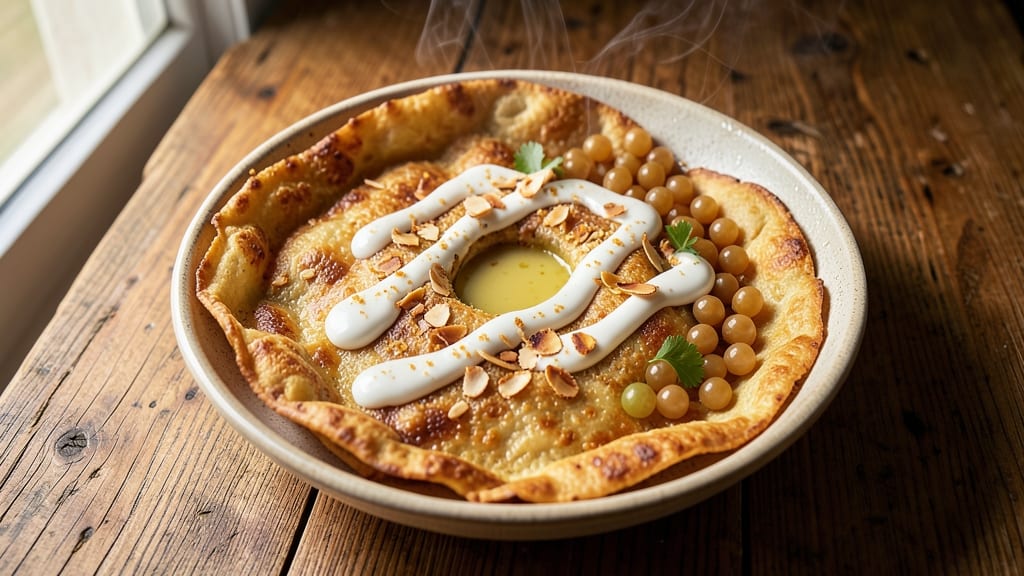
This AIP naan bread recipe delivers restaurant-worthy softness without dairy, eggs, or gluten—just almond flour, coconut yogurt, and clever techniques. The secret lies in a foil-sealed baking method that traps steam, creating pillowy layers without traditional yeast.
I developed this after years of adapting Indian classics for elimination diets, and it never fails to impress—even skeptics. What sets this apart is the tapioca starch blend that mimics wheat's elasticity, while coconut yogurt replaces dairy for tangy richness.
The dough rests just 20 minutes (no long waits), then bakes in foil for golden, tender naan with crisp edges. Cross-contamination is minimal if using dedicated tools, making it safe for strict AIP protocols.
By the final bite, you'll taste the caramelized sweetness of almond flour and the subtle tang of coconut, all wrapped in that signature naan softness. It pairs perfectly with curries, soups, or even as a wrap—proof that elimination diets don't mean sacrificing flavor.
For best results, use a cast-iron skillet or oven method with foil sealing. Let's make this naan!
Ingredients for aip naan bread
Twelve ingredients transform into golden, pillowy naan without dairy, eggs, or gluten—just clever substitutions and technique.
| Ingredient | Amount | Notes |
|---|---|---|
| Almond Flour 🌰 | 2 cups | Finely ground, unsweetened |
| Tapioca Starch 🌾 | ½ cup | For elasticity and binding |
| Coconut Yogurt 🥥 | ½ cup | Unsweetened, full-fat preferred |
| Coconut Milk 🥥 | ¼ cup | Full-fat canned for richness |
| Coconut Oil 🫒 | ¼ cup | Melted, not refined |
| Tapioca Flour 🌾 | ¼ cup | Additional for texture |
| Sea Salt 🧂 | ½ tsp | Fine grain, Diamond Crystal preferred |
| Ground Cinnamon 🌿 | ¼ tsp | Optional, for warmth |
| Cumin Seeds 🌶️ | ½ tsp | Toasted lightly for aroma |
| Fresh Ginger 🧄 | 1 tbsp | Finely grated, aromatic |
| Water 💧 | ½ cup | Room temperature |
| Aluminum Foil 📄 | 1 sheet | Heavy-duty for sealing |
The almond flour is non-negotiable here—Bob's Red Mill or Anthony's brands ensure fine grinding for that signature naan texture. Tapioca starch acts as the gluten substitute, so avoid pre-mixed blends unless labeled 100% pure. For coconut yogurt, So Delicious unsweetened works best, but check labels for additives. The foil sealing requires heavy-duty aluminum foil—regular foil tears under steam pressure. Toast your cumin seeds in a dry pan for 30 seconds before grinding; this releases their essential oils and deepens the flavor profile.
No tapioca starch? Arrowroot powder at the same amount works in a pinch, though texture will differ slightly. Substitute coconut milk with cashew cream for a richer mouthfeel, but reduce by 2 tbsp to maintain dough consistency. The ginger can be swapped for ground ginger at half the amount, though fresh yields brighter flavor. For a nut-free version, replace almond flour with sunflower seed flour—just ensure it's finely ground. The cinnamon is optional but recommended; if omitted, increase the cumin to 0.75 tsp for warmth.
Store almond flour in an airtight container in a cool, dark place for up to 3 months, though it's best used within 2 months for peak freshness. Coconut yogurt and milk should be refrigerated and used within 1 week of opening. Pre-mix the dry ingredients (almond flour, tapioca starch, spices) in a bowl with the salt to minimize cross-contamination. The dough can be prepped 1 day ahead and refrigerated, then baked as directed—this actually enhances flavor development. Leftovers keep 3 days wrapped in foil at room temperature or frozen for 1 month.
Why You'll Love This Recipe
- No-Fuss Mixing: This dough comes together in five minutes—just fold, knead lightly, and let it rest. No standing over a bowl for ages, no measuring cups for every ingredient. The almond flour and tapioca starch blend so smoothly with coconut yogurt that you’ll wonder why you ever used wheat flour.
- Rich, Buttery Depth: That coconut milk and oil? They give it a melt-in-your-mouth richness that’s almost like traditional naan—but without the guilt. The edges stay crisp while the center stays pillowy, and honestly? It’s the closest thing I’ve found to restaurant-style naan that’s still AIP-compliant.
- Weeknight Hero: I keep a batch in the fridge all week—warm it in the oven for 3 minutes, and boom, instant dinner side. It’s perfect for curries, soups, or even just spread with coconut cream for a lazy Sunday morning. No one will guess it’s made with almond flour, and that’s the best part.
- Budget-Friendly Staple: Between us, almond flour and coconut yogurt are pricier than white flour, but this recipe stretches far. A single batch makes 12 naans, and they freeze beautifully. I make two batches on Sunday, freeze half, and never stress about last-minute bread. (Yes, even on a Tuesday night.)
Step-by-step instructions for AIP naan bread
Follow this precise method to create perfectly fluffy, foil-sealed naan bread that stays soft without dairy.
Combine Dry Ingredients for Optimal Texture
In a large mixing bowl, whisk together the 2 cups almond flour and 0.5 cup tapioca starch until fully combined. This blend creates the foundation for your naan's structure—almond flour adds protein while tapioca starch provides elasticity. Add the 0.25 cup tapioca flour, 0.5 tsp sea salt, 0.25 tsp ground cinnamon, and 0.5 tsp cumin seeds to the bowl and mix again until evenly distributed.
Toast the cumin seeds in a dry skillet over medium heat for 30 seconds until fragrant. This step unlocks their aromatic potential, which will infuse your naan with warm, earthy notes. Immediately add the toasted seeds back to your dry ingredient mixture. Set this bowl aside while you prepare the wet components.
Prepare the Wet Ingredients for Perfect Moisture Balance
In a separate bowl, combine the 0.5 cup coconut yogurt, 0.25 cup coconut milk, and 0.25 cup melted coconut oil. Whisk until smooth and creamy—this mixture should be thick but pourable. The coconut oil adds richness while the yogurt provides moisture and structure. Stir in the 1 tbsp finely grated fresh ginger and 0.5 cup room temperature water until fully incorporated.
The ginger adds a subtle zing that complements the warm spices, while the water helps achieve the right dough consistency. If the mixture appears too thick, add 1 tablespoon water at a time until it reaches a smooth, pourable consistency similar to heavy cream. This balance is crucial for creating tender, fluffy naan.
Form the Dough and Rest for Maximum Fluffiness
Gradually pour the wet ingredients into the dry ingredients while mixing with a wooden spoon. Combine until a shaggy dough forms—it will be thick but still slightly sticky. Transfer the dough to a clean surface and knead gently for 2-3 minutes until it comes together into a smooth, pliable ball. Avoid over-kneading, as this can develop gluten and make the naan tough.
Divide the dough into 4 equal portions (about 4 ounces each) and shape each into a smooth ball. Cover with a damp towel and let rest at room temperature for 30 minutes. This resting period allows the dough to relax and hydrate, resulting in a more tender final texture. The dough should feel slightly springy when pressed gently.
Shape and Seal for Perfectly Soft Naan
On a lightly floured surface, roll each dough ball into a 6-inch circle, about ¼-inch thick. The goal is even thickness—press down gently with your palm to ensure uniform cooking. Preheat your oven to 400°F and line a baking sheet with parchment paper.
Place each rolled naan on the prepared baking sheet. Cover each piece loosely with a sheet of aluminum foil, leaving one edge slightly open. This foil sealing creates a steam chamber that keeps the naan moist and tender. Bake for 12-15 minutes until the edges are golden brown and the center feels soft to the touch.
Serve Immediately for Maximum Freshness
Remove the foil and transfer the naan to a wire rack. Let them cool for 2-3 minutes before serving—this brief resting period allows the internal steam to escape, preventing sogginess. The naan should be soft, pillowy, and slightly crisp at the edges with a delicate aroma from the spices.
Serve warm with your favorite AIP-compliant curries or dips. These naan breads stay fresh for 2-3 hours at room temperature, but for best results, enjoy them immediately while they're at their peak softness. The foil-sealing technique ensures they maintain their texture without becoming dry or chewy.
Pro Tips For Making Aip Naan Bread
- Heat the Pan Properly: Get that skillet screaming hot before adding coconut oil—think 350°F or higher. I used to rush this, and my naans would steam instead of sear, turning out dense and pale. A quick test: Flick a drop of water in; if it sizzles violently, you’re ready.
- Whisk the Yogurt: Beat your coconut yogurt until it’s smooth and thick, like heavy cream. Lumps in the dough mean uneven texture—your naans will tear or stay gummy. Use a fork or hand mixer for 2-3 minutes; it’s worth the extra effort.
- Skip Overworking the Dough: Mix just until combined—overhandling activates the gluten in almond flour, making your naans tough. Stop when the ingredients look unified, then let the dough rest. I learned this after kneading aggressively and ending up with chewy bricks.
- Press, Don’t Roll: Use your palms to flatten the dough into rough circles—rolling pin pressure can over-squish the almond flour, turning your naans into flatbread pancakes. Aim for ¼-inch thickness, and resist the urge to press too hard.
Troubleshooting your aip naan bread
Dough Too Sticky
If your dough feels overly sticky after mixing, add 1 tablespoon tapioca starch at a time until it becomes pliable but still slightly tacky. Overworking the dough to fix stickiness can develop gluten-like properties, making the naan tough.
I find using a lightly floured surface (with arrowroot powder instead of regular flour) helps prevent sticking while keeping the texture authentic. 💫
Naan Not Rising
Since this recipe uses AIP-compliant ingredients without yeast, don't expect traditional rising. Instead, focus on proper hydration and the 30-minute rest time to develop flavor and texture. If your naan appears flat, ensure you're using full-fat coconut milk and melted coconut oil—these fats contribute to a lighter texture.
The foil sealing also creates steam for natural lift.
Dry or Crumbly Texture
Overbaking or insufficient moisture causes dry naan. Check your oven temperature—400°F is critical. If the edges brown too quickly, reduce heat to 375°F and extend baking by 2-3 minutes. For extra moisture, brush the rolled naan with 1 teaspoon coconut milk before sealing with foil.
I also recommend using a cast-iron skillet instead of an oven for a crispier exterior while keeping the interior soft.
Uneven Cooking
Uneven thickness leads to inconsistent doneness. Roll each naan to an exact ¼-inch thickness—press firmly with your palm to ensure even pressure. If one side cooks faster, rotate the baking sheet halfway through baking.
For extra insurance, place a silicon baking mat under the foil to distribute heat evenly. I've found this especially helpful in convection ovens where hot spots can develop.
Foil Not Sealing Properly
If steam escapes through gaps, your naan will dry out. Use heavy-duty aluminum foil and press it firmly against the edges of the baking sheet. Leave only a ½-inch gap for steam release.
For stubborn leaks, crimp the foil edges with your fingers or use a second small piece to reinforce the seal. The goal is to create a mini steam chamber—this is what gives traditional naan its signature softness.
Spices Not Developing Flavor
Toast your cumin seeds for 30-45 seconds until fragrant—this unlocks their essential oils. For deeper flavor, add ¼ teaspoon ground cardamom to the dry ingredients. I also recommend letting the dough rest 1 extra hour in the fridge if time allows, as cold temperatures enhance spice infusion.
Freshly ground spices always taste better than pre-ground, so invest in a small spice grinder if possible.
Nutrition facts
Frequently asked questions
Can I make this AIP naan bread without almond flour?
Yes! For a nut-free version, substitute almond flour with 2 cups sunflower seed flour (finely ground) or 1.5 cups coconut flour (plus an extra 2 tbsp tapioca starch to compensate for coconut flour's absorbency). The texture will differ slightly, but it'll still be delicious. Just be sure to use dedicated tools if you're strict about cross-contamination.
Why does my AIP naan turn out dense instead of fluffy?
The key to fluffy texture lies in proper hydration and the foil-sealing method. If your naan is dense, check that you're using full-fat coconut milk and melted coconut oil—these fats create moisture and tenderness. Also ensure you're baking at 400°F and sealing the foil tightly to trap steam. Overworking the dough can also make it tough.
How do I prevent cross-contamination when making AIP naan?
Use dedicated tools for this recipe—avoid shared bowls, utensils, or surfaces that have touched gluten, dairy, or eggs. Clean all equipment thoroughly with hot, soapy water before use. For extra safety, use arrowroot powder instead of regular flour when dusting surfaces. If you're sensitive, consider making this recipe in a separate kitchen area or after deep-cleaning your workspace.
Can I make AIP naan without an oven?
Use a cast-iron skillet on the stovetop for a crispy, restaurant-style naan. Heat the skillet over medium-high heat until hot, then place your rolled naan in the skillet. Cover with a lid for 2-3 minutes to trap steam, then flip and cook another 1-2 minutes until golden. The direct heat creates a crisp exterior while keeping the inside soft and pillowy.
What's the best way to store leftover AIP naan?
Store naan in an airtight container at room temperature for up to 3 days, or freeze for 1 month. To reheat, wrap a piece in foil and warm in a 350°F oven for 5-7 minutes or use a toaster oven for a crispy texture. For microwave reheating, place naan on a plate with a damp paper towel and heat for 15-20 seconds—this prevents drying.