
Side Dishes
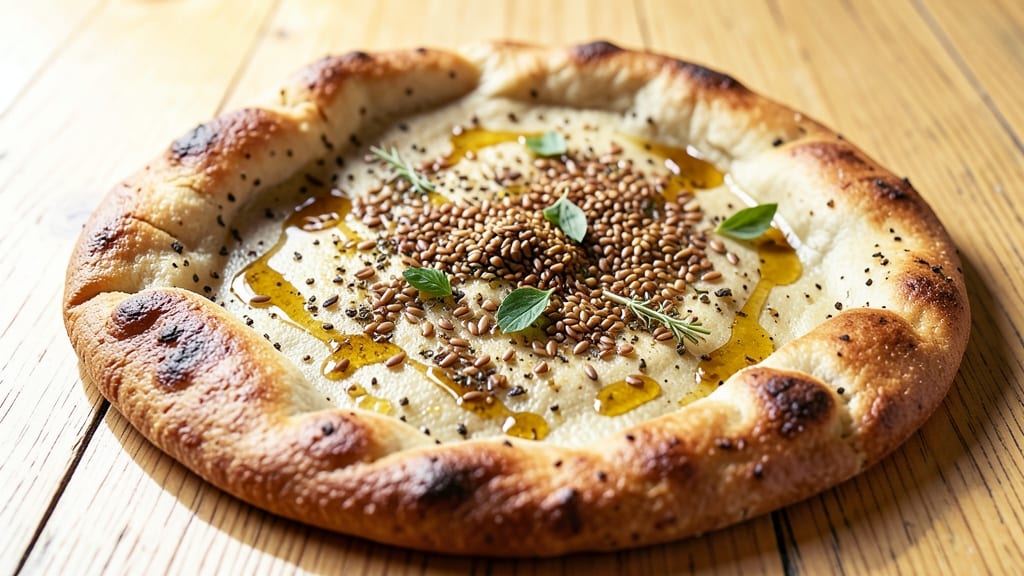
This almond flour flatbread recipe delivers the perfect balance of crispy edges and foil-sealed softness—ideal for vegan diets. 🌟 The secret lies in the high-fat almond flour, which creates a tender yet sturdy dough without eggs or dairy.
Unlike traditional flatbreads, this version stays crispy even when served warm, making it perfect for dipping or wrapping. The magic happens in the baking process: a quick preheat followed by foil-sealing ensures a soft interior while the edges develop that satisfying crunch.
Za'atar seasoning adds an aromatic Middle Eastern flair, but you can customize it with herbs or spices to suit your taste. This recipe is designed for versatility—serve as an appetizer, wrap, or side with hummus or tahini.
What sets this apart is its foolproof technique: no kneading required, just mix, roll, and bake. The result is a flatbread that’s light yet substantial, with a delicate texture that holds up to bold flavors. Perfect for those seeking a gluten-free, plant-based option that still delivers restaurant-quality satisfaction.
Whether you're hosting a dinner or meal prepping for the week, this flatbread comes together in under 30 minutes. Pair it with your favorite dips or use it as a wrap for a hearty sandwich. Let's get started!
Ingredients for almond flour flat bread
Crispy edges, soft center, and bold za'atar flavor—this flatbread is a game-changer for vegan baking.
| Ingredient | Amount | Notes |
|---|---|---|
| Almond Flour 🌰 | 2 cups | High-fat, finely ground preferred |
| Tapioca Starch 🌾 | ¼ cup | For elasticity and crispiness |
| Za'atar Seasoning 🌿 | 2 tbsp | Middle Eastern blend with sesame |
| Extra-Virgin Olive Oil 🫒 | ¼ cup | High quality, fruity variety |
| Ground Flaxseed 🌱 | 1 ½ tbsp | Mixed with water for egg substitute |
| Warm Water 💧 | ½ cup | Mixed with flaxseed |
| Salt 🧂 | ½ tsp | Fine sea salt preferred |
| Garlic Powder 🧄 | ½ tsp | For extra flavor depth |
| Sesame Seeds 🌻 | 1 tbsp | Toasted for garnish |
| Tahini 🥛 | 1 tbsp | For brushing after baking |
| Dried Rosemary 🌿 | 1 tsp | Optional, for extra aroma |
| Dried Thyme 🌿 | 1 tsp | Optional herb pairing |
Almond flour is the star here—Bob's Red Mill or Anthony's Goods are my go-tos since they're finely ground and high-fat. The tapioca starch is non-negotiable for that perfect crisp; Bob's Red Mill has it in bulk bins if you want to stock up. Za'atar seasoning can be tricky to find, but Trader Joe's carries a great blend or you can mix your own with sumac, sesame seeds, and oregano. For the olive oil, California avocado oil works too, but stick with extra-virgin for that fruity depth. Toast your sesame seeds in a dry pan for 30 seconds—they'll add so much crunch!
No za'atar? Mix 1 tbsp sumac, 1 tsp sesame seeds, and 1/2 tsp dried oregano for a quick swap. Short on almond flour? Substitute with 1 cup gluten-free oat flour, but expect a slightly denser texture. The flax egg is foolproof—just mix and let it sit for 5 minutes until it thickens like an egg. For extra flavor, add 1/2 tsp smoked paprika to the dough. And if you're feeling fancy, brush the baked flatbread with melted vegan butter instead of tahini for a richer finish.
This dough keeps in the fridge for 3 days wrapped tightly in plastic—perfect for meal prep. For best results, bake fresh, but you can reheat in a 350°F oven for 5-7 minutes to restore crispiness. Store baked flatbreads in an airtight container with parchment paper between layers. They freeze beautifully too—up to 3 months—just thaw at room temperature before serving. Pro tip: Keep a small container of extra za'atar on hand to sprinkle on top before serving—it adds that restaurant-quality touch!
Why You'll Love This Recipe
- No Mixing Madness: I swear by this dough—just toss the almond flour, tapioca starch, and flaxseed with olive oil until it clumps. No stand mixer, no overworking, just a fork and 3 minutes of your life. Honestly, the tapioca starch is the secret: it binds like glue without the fuss.
- Za'atar Magic: That earthy, nutty, slightly tangy za'atar? It’s the star. The toasted almond flour adds depth, while the olive oil keeps it rich but not heavy. Warm it fresh, and you’ll get why I keep a jar of this seasoning on hand—it turns everything into a flavor upgrade.
- Weeknight to Picnic: These flatbreads freeze like champs (just reheat in a dry pan) and pack perfectly for lunches or road trips. Spread one with hummus, wrap it around grilled chicken, or eat it solo with olive oil—no judgment. I’ve used them for everything from breakfast toast to a last-minute charcuterie base.
- Budget-Friendly Luxury: Almond flour’s pricey, but a little goes a long way here. The flaxseed adds fiber and cuts costs, while za’atar stretches flavor. I make a batch on Sundays, and it lasts me all week—no sad, dried-out bread here, just crispy, golden perfection every time.
Step-by-step instructions for almond flour flatbread
Here's how to create perfectly crispy flatbreads with a tender center—every bite delivers that Za'atar crunch you crave!
👨🍳 Step 1: Create the Fluffy Flax Egg Substitute
In a small bowl, whisk together the 1.5 tbsp ground flaxseed and 0.5 cup warm water. Let it sit for 5 minutes—you'll see it thicken into a gel-like consistency that mimics egg perfectly. This is your secret weapon for binding the almond flour without eggs.
I like to check the mixture after 3 minutes to make sure it's thickening properly. If it's still too runny, add another ½ teaspoon of flaxseed. The gel should be thick enough to hold its shape when you lift the spoon—this ensures your flatbread holds together during baking.
👨🍳 Step 2: Mix the Dry Ingredients Like a Pro
In a large bowl, combine the 2 cups almond flour, 0.25 cup tapioca starch, 2 tbsp Za'atar seasoning, 0.5 tsp salt, 0.5 tsp garlic powder, 1 tsp dried rosemary, and 1 tsp dried thyme. Whisk vigorously for 1 minute to distribute the seasonings evenly—this is where all that aromatic magic happens.
Real talk: don't skip this step. The Za'atar needs to be fully incorporated so every bite has that signature sesame-citrus flavor. I like to press the mixture through a fine-mesh sieve to break up any almond flour clumps—this creates a smoother dough that bakes more evenly.
🥘 Step 3: Combine Wet and Dry for Perfect Dough
Add the flax egg mixture and 0.25 cup extra-virgin olive oil to the dry ingredients. Stir with a wooden spoon until just combined—you want to avoid overmixing, which develops gluten and makes the flatbread tough. The dough should be sticky but manageable, similar to hummus consistency.
Here's the thing—this dough is different from traditional flatbread dough. It's more like a thick paste, and that's exactly what we want. If it feels too dry, add 1 teaspoon of warm water at a time until it reaches the perfect consistency. The key is to handle it gently to avoid compacting the almond flour.
🔥 Step 4: Shape and Pre-Bake for Crispy Perfection
Preheat your oven to 375°F and line a baking sheet with parchment paper. Divide the dough into 4 equal portions (about 4 ounces each) and roll each portion between two sheets of parchment paper into ¼-inch thick circles using a rolling pin. I use the parchment to prevent sticking—this stuff sticks like glue!
Transfer the rolled flatbreads to the prepared baking sheet and brush the tops generously with 1 tbsp tahini mixed with 1 tbsp warm water to make it brushable. Sprinkle evenly with 1 tbsp sesame seeds. Bake for 12-14 minutes until the edges are deep golden brown and the centers still look slightly underdone—they'll crisp up more as they cool.
🍳 Step 5: Foil-Seal for Soft Centers (The Game-Changer!)
Here's where the magic happens: immediately after removing from the oven, place each flatbread between two sheets of aluminum foil and press gently to seal. This traps steam and creates that perfect soft center while maintaining the crispy exterior. Let them rest for 5 minutes before serving.
Don't skip this foil-sealing step—I learned the hard way that skipping it results in flatbreads that are crispy all the way through. The foil creates a mini steam chamber that keeps the interior tender and flaky. When you're ready to serve, carefully unwrap the foil and enjoy the perfect balance of crispy edges and soft centers.
Pro Tips For Making Almond Flour Flat Bread
- Preheat Pan Properly: Get that skillet screaming hot—literally. I mean smoking hot, not just warm. Almond flour flatbread needs that initial shock to set the crust right away, or you’ll end up with a greasy, sad puck instead of a crispy, golden disc. A cast-iron pan on medium-high for 3-4 minutes does the trick.
- Mix Flaxseed First: Combine the ground flaxseed with 3 tablespoons of water and let it thicken for 5 minutes before adding it to the almond flour. I learned this the hard way—skipping the gel step makes the dough gummy and hard to roll out. Trust me, five minutes of waiting saves you from frustration later.
- Roll Even Thickness: Aim for a ¼-inch thickness—any thicker, and the center stays doughy; any thinner, and it burns before the edges crisp. Use a rolling pin with gentle, even pressure, and rotate the dough occasionally. If it cracks, don’t panic—just patch it up with a little olive oil and keep going.
- Oil the Pan Twice: Brush the pan with olive oil before the first flatbread, then add another light coat after the first one comes out. The second layer guarantees the next bread won’t stick, and your pan won’t turn into a greasy mess. (Yes, even if you’re impatient like me.)
Common mistakes when making perfect results
Overmixing the Dough
Almond flour dough is delicate—overmixing develops gluten, making your flatbread tough instead of tender. Mix just until combined, about 1 minute with a wooden spoon. I've made this mistake and ended up with chewy, dense flatbreads that lacked that perfect crisp.
Handle the dough gently, especially after adding wet ingredients, to preserve its light texture. 🌰
Skipping the Flax Egg Rest
Never rush the 5-minute rest for your flax egg substitute. The flaxseed needs time to fully gel, which creates the binding power needed to hold the dough together. I once skipped this step and my flatbreads crumbled apart during baking.
If you're in a hurry, set a timer—this small wait makes all the difference in texture and structure.
Incorrect Rolling Thickness
Rolling the dough too thin (less than ¼ inch) results in flatbreads that burn before the center cooks through. Aim for an even ¼-inch thickness throughout. Use two sheets of parchment paper to prevent sticking, and rotate the dough as you roll to maintain consistency.
I learned this the hard way when my first batch had crispy edges and raw centers.
Baking Without Tahini Brush
Brushing the flatbreads with tahini before baking is non-negotiable for that signature crispy texture. The tahini creates a thin, flavorful barrier that promotes browning. I've tried baking without it, and while the flatbreads were still edible, they lacked that beautiful golden crust and extra depth of flavor.
Mix tahini with a little warm water to make it brushable.
Ignoring the Foil-Sealing Step
The foil-sealing trick after baking is what creates that perfect soft center while keeping the edges crisp. Skipping this step results in flatbreads that are crispy all the way through. I once made this mistake and ended up with flatbreads that were too dry.
Press the foil firmly to create a good seal, then let them rest for 5 minutes before serving.
Using Low-Quality Almond Flour
Not all almond flours are created equal. High-fat, finely ground almond flour (like Bob's Red Mill) is essential for achieving that tender yet sturdy texture. Cheaper or coarser almond flours can result in dense, crumbly flatbreads.
I always double-check the label—high-fat content is key. If you're using a different brand, look for one with at least 14% fat content for best results.
Nutrition facts
Frequently asked questions
Can I make this flatbread without Za'atar?
Swap Za'atar for 1 tbsp dried oregano + 1 tsp garlic powder + ½ tsp smoked paprika for a Mediterranean twist. For a simpler version, use 1 tbsp dried rosemary + 1 tsp onion powder. The key is balancing herbs with the 2 tbsp olive oil to maintain moisture—just adjust seasonings to taste.
How do I store leftover flatbread?
Keep baked flatbreads in an airtight container with parchment paper between layers for up to 3 days at room temperature. For longer storage, freeze them for up to 3 months. Reheat in a 350°F oven for 5-7 minutes to restore crispiness—no microwave needed! The foil-sealing trick helps preserve texture during storage too.
Can I make this gluten-free?
This recipe is already gluten-free! The combination of almond flour and tapioca starch creates a naturally gluten-free dough. Just ensure all your seasonings (like Za'atar) are certified gluten-free. For extra insurance, use dedicated gluten-free tools if you're sensitive to cross-contamination. It's perfect for those avoiding gluten while still getting that satisfying crispy texture.
Why did my flatbread turn out dense?
Overmixing the dough is the most common culprit—it develops gluten, making the flatbread chewy. Also check your almond flour quality: low-fat or coarse flour can't bind properly. Try using high-fat almond flour (like Bob's Red Mill) and mix just until combined. The dough should be sticky but not wet—add 1 tsp water at a time if needed.
What's the best way to serve these?
These flatbreads shine as dipping bread with hummus, tahini sauce, or guacamole. Use them as wraps for vegan sandwiches or stuff with falafel and pickled veggies. For a dessert twist, brush with melted vegan butter and sprinkle with cinnamon sugar. The crispy edges hold up perfectly to both savory and sweet toppings!