
Breakfast & Brunch
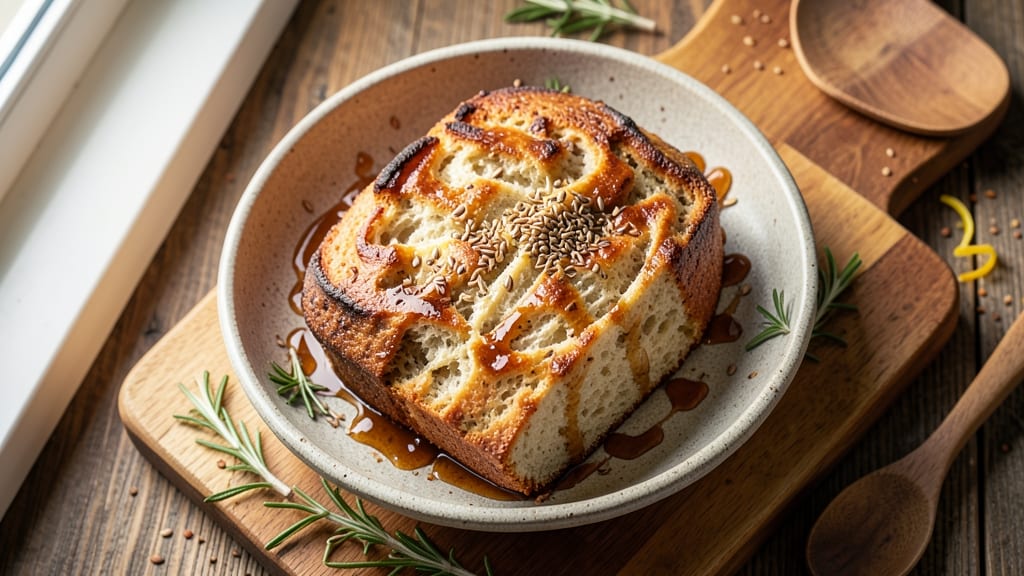
This almond flour yogurt bread delivers the perfect grain-free rise with a tangy, slightly sweet flavor that rivals traditional bread. The secret lies in using vegan yogurt—whether coconut, almond, or soy—to create a tender crumb and subtle acidity that balances the nutty almond flour.
After years of perfecting the recipe, I’ve developed a method that ensures a light, airy texture without gluten, making it ideal for those avoiding grains or dairy.
The dough comes together in just 10 minutes with simple ingredients like almond flour, eggs (or flax eggs for vegan), and a touch of honey or maple syrup for natural sweetness.
The key to success is letting the dough rest for 30 minutes before shaping, which allows the almond flour to hydrate fully and creates a more uniform rise in the oven.
Unlike dense almond flour baked goods, this bread stays light and fluffy, with a delicate crumb that’s perfect for toast or sandwiches.
By the time it emerges from the oven, you’ll have a golden-brown loaf with a crisp crust and a tender interior that’s slightly chewy yet soft. The tangy yogurt notes shine through, making it a versatile base for spreads like almond butter, jam, or avocado.
It’s the kind of bread that feels indulgent yet aligns with dietary preferences—proof that grain-free baking can be both satisfying and simple.
This recipe scales perfectly for meal prep, and leftovers stay fresh for up to 5 days when stored in an airtight container. Whether you’re baking for a special occasion or just craving a wholesome loaf, this almond flour yogurt bread delivers on flavor, texture, and ease. Let’s get started!
Ingredients for almond flour yogurt bread
Simple ingredients that transform into a light, tangy grain-free loaf with perfect rise.
| Ingredient | Amount | Notes |
|---|---|---|
| Almond Flour 🌾 | 3 cups | Blanched, fine grind preferred |
| Unsweetened Coconut Yogurt 🥛 | 1 cup | Plain, full-fat for best texture |
| Flax Eggs 🥚 | 2 whole | 1 tbsp ground flaxseed + 3 tbsp water each |
| Maple Syrup 🍯 | ¼ cup | Grade B for deeper flavor |
| Coconut Oil 🫒 | ½ cup | Melted, not solid |
| Baking Powder 🍞 | 1 tsp | Aluminum-free for best rise |
| Salt 🧂 | ½ tsp | Fine sea salt preferred |
| Apple Cider Vinegar 🍎 | 1 tbsp | For tangy flavor |
| Vanilla Extract 🌿 | 1 tsp | Pure vanilla preferred |
| Psyllium Husk Powder 🌱 | 1 tbsp | Essential for structure |
| Warm Water 💧 | ¼ cup | Activates psyllium husk |
| Sesame Seeds 🌻 | 1 tbsp | For topping, optional |
Almond flour is the backbone here—Bob’s Red Mill or Anthony’s Goods are my go-tos for consistency. The finer the grind, the lighter your bread will be. Coconut yogurt should be full-fat for that rich tang; So Delicious or Forager brands work best. Psyllium husk might sound odd, but it’s what gives this bread its signature rise and chew. Frontier Co-op sells it in bulk, and you only need a small amount. The flax eggs replace traditional eggs perfectly—just mix and let sit for 5 minutes before using.
No coconut yogurt? Unsweetened almond or soy yogurt works just as well. Running out of maple syrup? Agave nectar or date syrup are great swaps. The psyllium husk is non-negotiable for texture, but if you must skip it, add 1 extra tbsp almond flour and 1 extra tbsp water—though your bread will be denser. For the vanilla, imitation extracts won’t cut it; pure Madagascar bourbon vanilla elevates the flavor. The sesame seeds are optional but add that perfect crunchy finish—skip them if you’re allergic or prefer a simpler look.
This dough needs 30 minutes of rest before baking—don’t skip it! Store leftovers in an airtight container for up to 5 days at room temperature or 1 week in the fridge. For longer storage, wrap tightly in foil and freeze for up to 3 months. To reheat, warm slices in a 350°F oven for 5-10 minutes until crispy again. The bread also freezes beautifully before baking—just thaw overnight in the fridge before popping in the oven.
Why You'll Love This Recipe
- No-Knead Nightmare Solved: The flax eggs and coconut yogurt do all the heavy lifting—no standing over a dough, no waiting for gluten to develop. Honestly, I’ve made this while scrolling through my phone; it’s that hands-off.
- Sweet-Tart Magic: That maple syrup and yogurt combo? It’s like a hug in bread form—naturally sweet but bright, with just enough richness from the almond flour to keep it interesting. (Yes, even on a Tuesday night.)
- Breakfast to Snack: Toast it for breakfast, slice it for lunch, or pack it in your kids’ lunches—it holds up like a champ. Between us, I’ve had it cold with peanut butter at 2 AM. No judgment.
- Pantry-Proof Perfection: Uses what you already have (or can grab cheaply), and a loaf lasts me at least a week if I’m smart. The coconut oil keeps it moist, so it doesn’t dry out or turn into sad, crumbly bread dust.
Step-by-step instructions for grain-free yogurt bread
This method delivers light, airy texture using almond flour and psyllium husk for structure.
Prepare the Flax Eggs and Activate Psyllium
In a small bowl, combine the 1 tbsp ground flaxseed from each flax egg with 3 tbsp warm water. Let sit for 5 minutes until they thicken into a gel-like consistency—this replaces traditional eggs. Meanwhile, whisk together the 1 tbsp psyllium husk powder and 0.25 cup warm water in another bowl. The mixture will thicken dramatically, forming a translucent gel that binds the bread.
This activation step is critical—the psyllium absorbs liquid and expands, creating the bread's structure. If you skip this, your loaf will be dense. Let both mixtures sit while you prepare the remaining ingredients, as they'll thicken further over time.
Mix Wet Ingredients for Tangy Sweetness
In a large mixing bowl, combine the 1 cup unsweetened coconut yogurt, 0.25 cup maple syrup, 0.5 cup melted coconut oil, 1 tbsp apple cider vinegar, and 1 tsp vanilla extract. Whisk vigorously for 2 minutes until fully emulsified—the mixture should be smooth and slightly thickened. The vinegar adds tang that balances the sweetness, while the coconut oil ensures moisture.
Here's where the magic happens: the vinegar reacts with the yogurt's natural acids, creating a subtle effervescence that lightens the texture. If your mixture looks curdled, don't worry—it's normal. The psyllium will help bind everything together in the next step.
Combine Dry Ingredients and Form the Dough
Add the 3 cups almond flour, 1 tsp baking powder, and 0.5 tsp salt to the wet mixture. Stir gently with a silicone spatula until just combined—you should still see small flour streaks. Fold in the activated psyllium gel and flax eggs, mixing until everything is uniformly incorporated. The dough will be thick and sticky, similar to wet sand.
This is the moment that matters: resist the urge to overmix. Overworking the dough develops gluten-like proteins in the almond flour, which can make the bread dense. Instead, use a folding motion to gently combine everything. The dough should hold its shape when pressed but still feel slightly tacky.
Shape and Proof for Optimal Rise
Line a standard loaf pan with parchment paper, leaving an overhang on the sides for easy removal. Transfer the dough to the pan and spread it evenly, pressing down gently to fill all corners. Sprinkle the 1 tbsp sesame seeds evenly over the top for texture and flavor. Cover the pan loosely with plastic wrap and let proof at room temperature for 30-45 minutes.
During proofing, the psyllium continues to hydrate and the baking powder begins activating. You'll see the dough expand slightly and develop a domed top. This rise is subtle compared to traditional bread, but it's essential for that light, airy crumb. Avoid overproofing—if you leave it too long, the bread may collapse or develop a dense texture.
Bake to Golden Perfection
Preheat your oven to 350°F and bake the bread for 40-45 minutes until the top is golden brown and a toothpick inserted in the center comes out clean. The edges should pull away slightly from the pan, indicating proper doneness. If the top browns too quickly, tent with foil to prevent over-browning while the center finishes baking.
This grain-free bread relies on precise baking to achieve the right texture. The almond flour burns easily, so keep a close eye on it after the first 20 minutes. When done, remove from the oven and let cool in the pan for 10 minutes before transferring to a wire rack. The internal temperature should reach 205°F at the center for perfect doneness.
Pro Tips For Making Almond Flour Yogurt Bread
- MEASURE ALMOND FLOUR BY WEIGHT: Almond flour lies—those scoops and cups are a joke. Weigh it instead: 1 cup packed almond flour is about 120g, but loose? Closer to 100g. A kitchen scale here saves you from dense, dry bread or a gooey mess.
- LET FLAX EGGS RIPE: Mix your flax eggs (1 tbsp ground flax + 3 tbsp water) and wait. At least 5 minutes, but 10 is better. I learned this the hard way—skipping it makes your bread gummy. Trust the process; it’s not a race.
- DON’T OVERMIX THE DOUGH: Almond flour is finicky. Stir just until combined—maybe 10-12 strokes max. Overmixing develops gluten (which almond flour doesn’t have), and you’ll end up with a tough, sad loaf instead of a tender crumb.
- USE COOL COCONUT OIL: Melted coconut oil is fine, but cool it slightly before mixing. Too hot and it’ll cook the yogurt, turning your batter into a sad, curdled lump. Dip the bowl in ice water for 30 seconds if you’re impatient—it works.
Common mistakes when making this recipe
Skipping the Rest
I’ve seen so many first-timers rush straight to baking without letting the dough rest for 30 minutes. This step is non-negotiable—it allows the almond flour to fully hydrate and the psyllium husk to activate properly.
Without it, your bread will turn out dense and crumbly. Set a timer and resist the temptation to peek under the wrap; the dough needs undisturbed time to develop its structure.
Overmixing the Dough
The dough will feel sticky and unruly, but resist the urge to overmix. When you stir too vigorously, you activate proteins in the almond flour that create a gluten-like texture, making your bread tough instead of tender. Use a gentle folding motion with a silicone spatula—just until everything is combined.
The dough should hold its shape when pressed but still feel slightly tacky. Overmixing is one of the most common mistakes that turns a light, airy loaf into a brick.
Incorrect Yogurt Choice
Using sweetened or low-fat coconut yogurt will throw off the balance of flavors and textures in your bread. Always opt for unsweetened, full-fat coconut yogurt—brands like So Delicious or Forager work best.
If you accidentally grab a sweetened version, reduce the maple syrup to 2 tablespoons to avoid an overly sugary loaf. The tangy, rich flavor of full-fat yogurt is what creates that perfect balance with the nutty almond flour.
Ignoring Psyllium Activation
Skipping the psyllium husk activation step is another frequent misstep. This powder needs to be mixed with warm water first to form a gel-like consistency—this gel is what gives the bread its rise and chew.
If you add it dry, it won’t bind properly, and your loaf will collapse in the oven. Let the psyllium mixture sit for at least 5 minutes before folding it into the dough. The longer it hydrates, the better the texture will be.
Overproofing the Dough
Proofing is a delicate balance—leave the dough too long, and it will overproof, leading to a dense or collapsed loaf. The ideal proofing time is 30-45 minutes at room temperature. You’ll know it’s ready when the dough has risen slightly and developed a domed top.
If you’re unsure, gently press your finger into the dough; it should spring back slowly but not too quickly. Overproofing is a subtle mistake, but it’s one of the easiest to avoid with a little patience.
Baking at the Wrong Temperature
Almond flour burns easily, so baking at 350°F is critical. If your oven runs hot, the bread can darken too quickly before the center is fully cooked. Keep an eye on it after the first 20 minutes and tent with foil if the top starts browning too fast.
The internal temperature should reach 205°F at the center for perfect doneness. Underbaking will leave your bread gummy, while overbaking turns it dry and crumbly.
Nutrition facts
Frequently asked questions
Can I use dairy yogurt instead of coconut yogurt?
Yes, but you'll need to make a few adjustments. Use plain Greek yogurt (unsweetened) and replace the 2 flax eggs with 2 regular eggs to maintain structure. The flavor will be slightly richer, but the texture will be very similar. For a vegan version, stick with coconut or almond yogurt to keep it plant-based.
Why does my bread turn out dense instead of light?
This usually happens when you skip the 30-minute rest or overmix the dough. The almond flour needs time to hydrate fully, and psyllium husk requires activation. For best results, let the dough rest undisturbed and use a gentle folding motion when combining ingredients. Patience is key for that airy texture!
How do I store this bread to keep it fresh?
Store in an airtight container at room temperature for up to 5 days or refrigerate for 1 week. For longer storage, wrap tightly in foil and freeze for 3 months. To reheat, warm slices in a 350°F oven for 5-10 minutes until crispy again. The sesame seeds add extra crunch when toasted!
Can I add mix-ins like nuts or seeds?
Fold in 1/4 cup chopped walnuts, sunflower seeds, or pumpkin seeds during Step 3. Keep mix-ins to 1/3 cup total to maintain the bread's light texture. For extra flavor, try adding 1 tsp cinnamon or 1/4 tsp cardamom to the wet ingredients before mixing.
What's the best way to serve this bread?
Toasted slices make perfect breakfast companions! Try with almond butter and banana, avocado and chili flakes, or cream cheese and smoked salmon. For sandwiches, the neutral flavor pairs beautifully with hummus and veggies or pesto and grilled chicken. The tangy sweetness works well with both sweet and savory toppings!