
Desserts
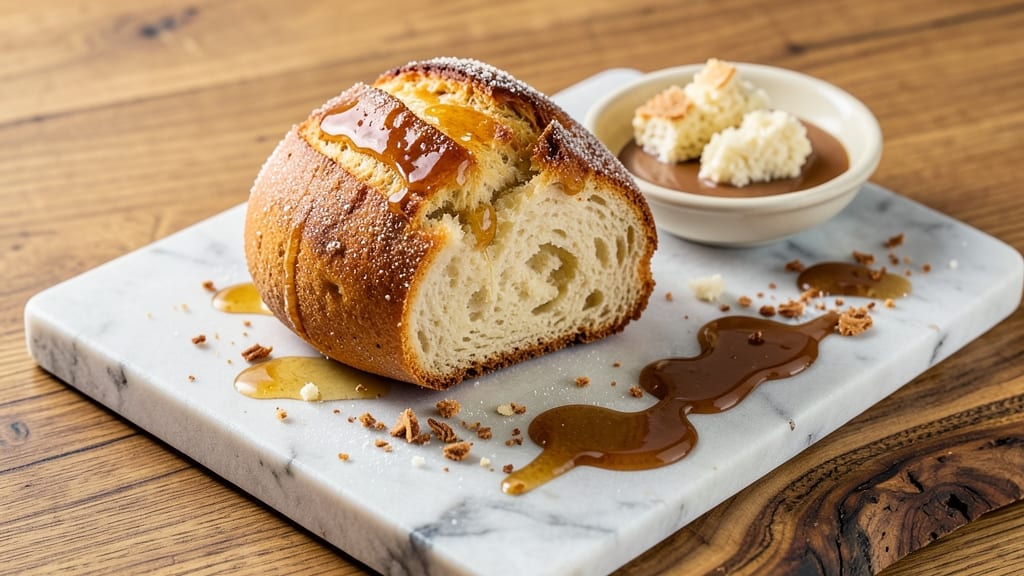
This Argentinian sweet bread recipe delivers the perfect balance of pillowy softness and cinnamon-sugar swirls, a staple in every Buenos Aires bakery. 💛 The secret lies in a rich, buttery dough that transforms into delicate, flaky layers—just like the ones you'd find in traditional pan dulce shops.
I’ve perfected this recipe over years of baking, ensuring every bite is tender yet sturdy enough to hold its shape.
What sets this recipe apart is the lamination technique, which creates those signature flaky layers without requiring advanced skills. The dough rests overnight for maximum flavor development, while the cinnamon-sugar filling adds a sweet, aromatic kick that’s irresistible.
Whether you’re baking for a family gathering or treating yourself, this bread is designed to impress with its golden-brown crust and melt-in-your-mouth texture.
The result is a loaf that’s crisp at the edges and soft in the center, dusted with powdered sugar for a bakery-style finish. The dough is forgiving enough for beginners but refined enough to satisfy experienced bakers. Once you try this, you’ll never buy store-bought again—it’s that good.
Pair it with a cup of coffee or serve as a dessert after a meal. The versatility of this recipe makes it a crowd-pleaser, whether you’re making it for a special occasion or a cozy weekend treat. Let’s get started on creating your own Argentinian masterpiece.
Ingredients for argentinian sweet bread
Rich dough, flaky layers, and aromatic cinnamon-sugar swirls—these ingredients transform into bakery-style sweet bread.
| Ingredient | Amount | Notes |
|---|---|---|
| All-Purpose Flour 🌾 | 4 cups | High-protein for elasticity |
| Unsalted Butter 🧈 | 1 cup | Cold, cubed for lamination |
| Granulated Sugar 🍚 | ¼ cup | For dough sweetness |
| Instant Yeast 🍞 | 2 tsps | Active dry works too |
| Large Eggs 🥚 | 1 whole | Room temperature preferred |
| Whole Milk 🥛 | ½ cup | Warmed for activation |
| Salt 🧂 | ½ tsp | Diamond Crystal preferred |
| Granulated Sugar 🍚 | ½ cup | For filling |
| Ground Cinnamon 🌿 | 2 tbsp | Freshly ground preferred |
| Powdered Sugar 🍚 | 2 tbsp | For final dusting |
| Vanilla Extract 🌸 | 1 tsp | Pure extract preferred |
| Flaky Sea Salt 🧂 | ½ tsp | For crust finishing |
The butter is non-negotiable here—European-style unsalted butter (like Plugrá or Land O’Lakes European Style) gives the best flavor and texture. Most grocery stores carry it now, but if you can’t find it, cold, cubed regular butter works too. The flour matters too: King Arthur or Gold Medal are my go-tos for consistent results. For the yeast, instant yeast is easiest—just mix it right into the flour. If you’re using active dry, dissolve it in the warm milk first. The milk should be warm to the touch but not hot—110°F is ideal—to activate the yeast without killing it.
No vanilla extract? Vanilla bean paste works just as well, or even almond extract at half the amount for a different but delicious twist. For the cinnamon-sugar filling, substitute pumpkin pie spice if you’re out of cinnamon—it adds warmth and depth. The powdered sugar dusting is optional but worth it for that bakery-style finish. If you’re making this ahead, wrap the dough tightly in plastic and refrigerate it overnight—this actually improves the flavor. For the lamination, don’t overwork the dough—keep your folds tight and even for those signature flaky layers.
This dough is best made a day ahead—refrigerate overnight for maximum flavor development. Once baked, let it cool on a wire rack for at least 30 minutes before slicing, or it’ll turn gummy. Store wrapped at room temperature for 2 days or freeze the baked loaf for up to 3 months. To reheat, wrap in foil and warm in a 200°F oven for 10 minutes. Trust me, the leftovers taste even better the next day—if there are any left!
Why You'll Love This Recipe
- No-Knead Magic: I swear by this dough—just mix, let it rise, and bake. The butter gets worked into the flour like a dream, and the yeast does all the heavy lifting while you sip coffee.
- Buttery-Sweet Perfection: That rich, caramelized sugar crust? Chef’s kiss. The eggs add a tender crumb, while the butter keeps every bite irresistibly moist—like a hug from Argentina.
- Breakfast or Snack Star: Toast it for a lazy morning, drizzle with jam for a quick dessert, or pack slices for lunch—it’s equally at home in any meal. My kids grab it straight from the fridge.
- Budget-Friendly Staple: Flour, sugar, butter, eggs—these are pantry basics that stretch into something luxurious. Bake a batch, freeze extras, and you’ve got treats ready for weeks. No waste, all win.
Step-by-step instructions for Argentinian sweet bread
Here's how to create that signature swirl and melt-in-your-mouth texture every time.
👨🍳 Step 1: Mix the Dough and Let It Rest
In a large bowl, whisk together the 4 cups all-purpose flour, 2 tsps instant yeast, 0.25 cup granulated sugar, and 0.5 tsp salt. This dry mix is your foundation—make sure it's evenly distributed, with no flour clumps. Create a well in the center and add the 1 cup cold cubed unsalted butter, gently tossing with a fork until the mixture resembles coarse crumbs.
Add the 1 whole large egg (room temperature if possible) and 0.5 cup warm whole milk to the center. Using a wooden spoon, gradually incorporate the wet ingredients into the dry, mixing just until a shaggy dough forms. This step is all about gentle handling—you're not making pasta, so don't overwork it. Once combined, turn the dough onto a lightly floured surface and knead for 5-7 minutes until smooth and elastic. The dough should be soft but not sticky, and should spring back slowly when pressed.
Shape the dough into a ball, place it in a lightly greased bowl, cover with a damp towel, and let rise in a warm place for 1 hour or until doubled in size. Here's the thing—Argentinian sweet bread relies on proper fermentation for that signature tenderness. Don't rush this step, even if you're eager to get baking.
🍳 Step 2: Prepare the Cinnamon-Sugar Filling
While the dough rises, combine the 0.5 cup granulated sugar and 2 tbsp ground cinnamon in a small bowl. Give it a quick whisk to ensure even distribution—you want that spice to be evenly dispersed throughout the filling. This is where the magic happens, so don't skimp on the cinnamon. The filling should look like fine, sandy sugar with flecks of cinnamon throughout.
Roll the risen dough out on a lightly floured surface into a 12x16-inch rectangle (about ¼-inch thick). Using a pastry brush, lightly coat the surface with the 1 tsp vanilla extract—this adds depth of flavor that complements the cinnamon perfectly. Sprinkle the cinnamon-sugar mixture evenly over the dough, leaving a 1-inch border around the edges. This border is crucial for creating those beautiful swirls later.
🥘 Step 3: Swirl and Shape the Loaves
Starting from the long side, tightly roll up the dough into a log. Here's the trick—I like to use a bench scraper to help seal the edges as I roll. Once rolled, pinch the seam to seal, then gently press the log into a 9x5-inch loaf pan (or two smaller pans if preferred). The dough should come up about ¾ of the way in the pan—it will rise more during baking.
Cover the loaf pan with a damp towel and let rise again for 30-45 minutes until the dough has puffed up noticeably. The top should look domed and slightly cracked—this is your visual cue that it's ready for the oven. Real talk: if you're making two smaller loaves, they'll rise faster than one large loaf, so keep an eye on them.
🔥 Step 4: Bake to Golden Perfection
Preheat your oven to 350°F with a rack positioned in the lower third. Bake the loaf for 30-35 minutes until the top is deep golden brown and sounds hollow when tapped. The internal temperature should reach 190-195°F—this ensures the bread is fully baked but still tender. If the top browns too quickly, tent loosely with aluminum foil to prevent over-browning while allowing steam to escape.
Here's where it gets fun—when the bread is done, immediately remove it from the pan and place it on a wire rack. While still warm, brush the top with a simple syrup made by dissolving 2 tbsp powdered sugar in 1 tbsp warm water. This creates that signature glossy finish and adds just the right amount of sweetness. Sprinkle with 0.5 tsp flaky sea salt for a perfect balance of flavors.
⏰ Step 5: Rest and Serve
Let the bread cool for 10-15 minutes before slicing—this resting period allows the crumb to set properly. The bread should be tender with a slightly crisp crust, and those cinnamon-sugar swirls should be visible throughout. If you cut into it too soon, the crumb will be gummy instead of pillowy.
Slice into ½-inch thick pieces and serve warm. The contrast between the soft, buttery bread and the sweet, spiced filling is what makes this recipe truly special. For maximum enjoyment, serve with a cup of strong coffee or a glass of milk—just like they do in Buenos Aires.
Pro Tips For Making Argentinian Sweet Bread
- Weigh Your Butter: Skip the eyeballing—use a kitchen scale for the butter. That extra 5 grams of butter (yes, it adds up) makes the dough richer and the crumb softer. I learned this the hard way when my first batch came out dry because I "estimated" and underdid it by a tablespoon.
- Proof at Room Temp: Let your yeasted dough rise in a warm spot (75–80°F is ideal) until it’s just doubled—not tripled. Overproofing turns your sweet bread into a dense brick. I used to rush it, but now I wait, even if it means leaving it near the oven with the light on.
- Cut Butter in Cold: Chill your butter before mixing it into the flour—literally, pop it in the fridge for 15 minutes. Cold butter creates flaky layers that melt into pockets of flavor during baking. I was skeptical until I tried it; now, my bread has that signature tender crumb.
- Eggs at Room Temp: Take your eggs out of the fridge 30 minutes before using them—room temp eggs blend into the dough smoothly and don’t shock the yeast. Cold eggs make the dough tougher, and nobody wants a chewy sweet bread. (Yes, even if you’re impatient like me.)
Troubleshooting this dish
Dough Too Sticky?
If your dough feels too sticky during kneading, you’re likely adding too much milk. I’ve found that using 1-2 tablespoons less milk often solves this—start with 0.4 cups instead of 0.5 cups and adjust as needed.
Also, make sure your butter is cold and cubed (not melted), as warm butter can make the dough overly soft. If it’s still sticky, sprinkle a little more flour 1 tablespoon at a time while kneading, but don’t overdo it—too much flour will make the bread dense. 💡
Filling Not Distributing Evenly?
The key to even cinnamon-sugar distribution is rolling the dough out to a ¼-inch thickness and using a light hand when sprinkling. Press the filling gently with a fork or your fingers to help it adhere, especially around the edges.
If the filling clumps, pulse it briefly in a food processor or sift it through a fine-mesh sieve. I’ve also found that brushing the dough with a tiny bit of milk before adding the filling helps it stick better. 🌿
Bread Not Rising Properly?
If your dough isn’t rising enough, check three things: yeast freshness, milk temperature, and oven warmth. Use yeast no older than 3 months (or test it in warm water—it should foam in 5-10 minutes). Warm the milk to 110°F (not hotter) to activate the yeast.
For the first rise, place the dough in a warm oven with a bowl of hot water to create a humid environment. If it still doesn’t rise, your yeast might be dead—try a fresh packet. 🍞
Swirls Not Forming Cleanly?
Tight, even rolls are the secret to perfect swirls. Roll the dough snugly but gently, using a bench scraper to seal the edges as you go. If the dough resists rolling, it might need a few more minutes of rest—let it sit covered for 10 minutes before trying again.
For extra flair, use a sharp knife or pizza cutter to make a shallow cut down the center of the log before rolling it up a second time. This creates a more dramatic swirl pattern. ✨
Top Browning Too Quickly?
If the bread’s top browns before the center is done, tent it loosely with aluminum foil 10 minutes before the recommended bake time. This traps steam while still allowing heat to circulate.
Alternatively, lower the oven temperature by 25°F (to 325°F) and add 5-10 minutes to the bake time. For an even finish, brush the top with a little milk or egg wash before baking—this creates a protective barrier that slows browning. 🔥
Crumb Too Dense?
Over-kneading or over-handling the dough is the usual culprit for dense bread. Once the dough comes together, knead for only 5-7 minutes—just until smooth. Also, ensure your butter is cold and cubed (not softened) to create those flaky layers.
If the dough feels tough, let it rest longer between rises—sometimes an extra 15-30 minutes helps it relax. Finally, avoid opening the oven door during baking, as temperature fluctuations can cause the bread to sink. 💛
Nutrition facts
Frequently asked questions
Can I make this Argentinian sweet bread without a loaf pan?
For a free-form version, shape the rolled dough into a round or oval on a parchment-lined baking sheet. Let it rise for 30-45 minutes until puffy, then bake at 350°F for 25-30 minutes until golden. Brush with the powdered sugar syrup while warm for that bakery-style finish.
How do I store leftover Argentinian sweet bread?
Wrap the cooled bread tightly in plastic wrap or place it in an airtight container. It stays fresh at room temperature for 2-3 days. For longer storage, freeze slices wrapped individually—they’ll keep for up to 3 months. To reheat, warm slices in a 300°F oven for 5-7 minutes or microwave for 10-15 seconds covered.
What's the best way to make this recipe gluten-free?
Replace the all-purpose flour with a 1:1 gluten-free baking flour blend (like Bob's Red Mill 1-to-1). Add 1 tsp xanthan gum to improve texture, and reduce milk by 2 tbsp since GF flours absorb differently. Expect a slightly denser crumb—this bread won't be as flaky, but it'll still be delicious.
Can I use this dough for other sweet bread shapes?
Yes! After the second rise, shape the dough into braided loaves, twists, or even individual rolls. For twists, divide the dough into 4 pieces, roll each into a log, twist them together, and bake in a muffin tin. The same cinnamon-sugar filling works perfectly—just adjust baking times for smaller shapes (15-20 minutes).
Why does my Argentinian sweet bread taste bland?
Bland flavor usually means underproofed yeast or insufficient cinnamon. Let the dough rise until it’s doubled in size (not just puffy), and use freshly ground cinnamon (pre-ground loses potency). For extra depth, add ½ tsp anise seeds to the filling or brush the baked bread with a simple syrup of 2 tbsp sugar + 1 tbsp water.