
Side Dishes
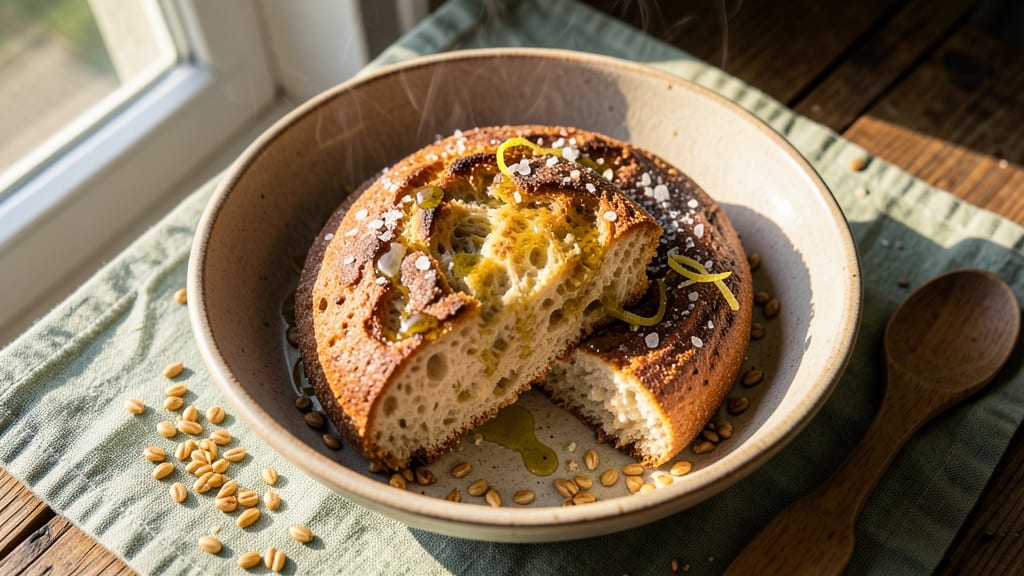
This Arabic barley bread recipe brings the rustic warmth of Middle Eastern kitchens to your table, where nutty, chewy loaves have been the backbone of meals for centuries.
The secret lies in the slow fermentation of barley flour, which develops deep, earthy flavors that pair perfectly with stews, dips, or even sweet honey drizzles. I’ve perfected a method that balances tradition with home-kitchen practicality, whether you’re using a wood-fired oven or your stovetop.
The bread’s signature texture—tender yet sturdy—comes from a precise mix of barley flour, water, and a touch of yeast, kneaded just enough to build structure without overworking the dough.
Traditional techniques like covering the dough to ferment overnight unlock its full potential, creating a loaf with a crispy crust and a moist, slightly dense interior. This isn’t just bread; it’s a flavor experience that transports you to bustling souks and family gatherings.
What makes this recipe stand out is its versatility—serve it warm alongside lentil stews, hummus, or grilled meats, or even toast it for breakfast with olive oil and za’atar. The nutty depth of barley adds a unique twist to classic flatbreads, making it a standout centerpiece for any meal.
Ready in about 24 hours (including fermentation), it’s a labor of love that yields results worth every minute.
For those short on time, I’ll share a quicker stovetop variation, but the traditional oven-baked loaf remains the gold standard. Let’s bake bread that tells a story—one chewy, nutty bite at a time.
Ingredients for arabic barley bread
Barley flour, yeast, and slow fermentation create this ancient grain loaf with nutty depth and chewy texture.
| Ingredient | Amount | Notes |
|---|---|---|
| Pearl Barley Flour 🌾 | 3 cups | High-quality, stone-ground preferred |
| All-Purpose Flour 🌾 | 1 cup | For structure and elasticity |
| Active Dry Yeast 🍞 | ¼ tsp | Freshly measured, room temperature |
| Granulated Sugar 🍬 | 1 tbsp | Feeds yeast for fermentation |
| Diamond Crystal Kosher Salt 🧂 | 1 ½ tsp | Adjusts to taste after kneading |
| Extra-Virgin Olive Oil 🫒 | 2 tbsp | For dough elasticity and crust |
| Warm Water 💧 | 1 ½ cups | 110°F for optimal yeast activation |
| Honey 🍯 | 1 tbsp | Enhances sweetness and crust color |
| Sesame Seeds 🌻 | 1 tbsp | For traditional Middle Eastern finish |
| Toasted Cumin Seeds 🌿 | ½ tsp | Ground lightly for earthy depth |
| Toasted Coriander Seeds 🍃 | ½ tsp | Ground lightly for citrusy notes |
| Semolina Flour 🌾 | ¼ cup | For dusting and crispy crust |
Barley flour is the heart of this recipe—Bob’s Red Mill or King Arthur brands deliver the most authentic texture. Look for pearl barley flour specifically, not whole grain, as it yields the signature tender-yet-sturdy crumb. If you can’t find it, substitute with a 2:1 ratio of all-purpose flour to whole wheat flour, though texture will differ slightly. The yeast needs to be fresh; if your packet’s past its expiration, test it first in warm water with sugar—it should foam within 5-10 minutes. For the spices, toast your cumin and coriander seeds in a dry pan for 2 minutes until fragrant, then grind them lightly with a mortar and pestle or spice grinder. This releases their oils and deepens the bread’s earthy complexity.
No barley flour? Substitute with a mix of all-purpose and whole wheat flour, though the texture won’t be identical. Running short on sesame seeds? Poppy seeds or toasted nigella seeds work beautifully for a different but equally aromatic finish. The honey can be swapped for maple syrup or agave nectar, though honey’s unique enzymes contribute to the crust’s color and flavor. For a quicker rise, instant yeast doubles the amount, but fermentation time will still need to be extended to develop full flavor. If you’re using a stovetop method, a cast-iron skillet is non-negotiable—it distributes heat evenly and creates that coveted crispy crust.
This dough is a patient recipe—ferment overnight at room temperature, then shape and let it proof another 4-6 hours in the fridge before baking. The longer it ferments, the more complex the flavor. For storage, wrap the cooled loaf in a clean kitchen towel and place it in a paper bag at room temperature; it’ll stay fresh for 3-4 days. To revive stale bread, toast it with olive oil and za’atar—the flavors only get better with a little heat. Freeze portions in a sealed bag for up to 3 months; thaw at room temperature before serving. The crust freezes beautifully, so it’s perfect for making ahead.
Why You'll Love This Recipe
- No-Knead Magic: I swear by this dough—just mix, let it rise, and bake. The barley flour does all the heavy lifting while I sip tea, no stand mixer required.
- Nutty Earthy Crunch: That first bite? The barley flour adds a toasty, almost nutty depth that regular bread can’t touch. Honestly, it’s the reason I keep making it—simple but ridiculously satisfying.
- Weeknight Workhorse: Slap some hummus on it for lunch, tear it into bowls for soup, or toast it for breakfast. I’ve used it for everything from breakfast wraps to dinner sides without a second thought.
- Budget-Friendly Staple: Pearl barley flour stretches my grocery budget, and a single batch lasts my family for days. Between us, I’ve turned stale slices into croutons—zero waste, all flavor.
Step-by-step instructions for Arabic barley bread
Here's how to craft this ancient grain loaf with nutty depth and perfect texture.
Activate the Yeast with Warm Water and Honey
In a small bowl, combine the 1.5 cups warm water (tested at 110°F—too hot kills yeast) with the 1 tbsp honey and 1 tbsp granulated sugar. Sprinkle in the 0.25 tsp active dry yeast and let sit for 5-10 minutes until foamy. You'll see small bubbles forming—this confirms the yeast is alive and ready to work.
If the mixture doesn't bubble after 10 minutes, your yeast may be inactive. In that case, start fresh with a new packet. The yeast is the heart of this bread, so getting this step right ensures proper rise and texture. Keep the bowl in a warm spot while you prepare the remaining ingredients.
Mix the Dough with Pearl Barley and All-Purpose Flour
In a large mixing bowl, whisk together the 3 cups pearl barley flour and 1 cup all-purpose flour. Add the 1.5 tsp diamond crystal kosher salt, 0.5 tsp toasted cumin seeds, and 0.5 tsp toasted coriander seeds. Make a well in the center and pour in the yeast mixture along with the 2 tbsp extra-virgin olive oil.
Using a wooden spoon or dough whisk, stir until a shaggy dough forms. The barley flour will make this dough thicker than traditional bread dough—this is normal. Gradually add the 1 tbsp sesame seeds and mix until evenly distributed. The dough should be sticky but manageable; if it's too dry, add 1 tablespoon warm water at a time until it comes together.
Knead Until Elastic and Smooth
Turn the dough onto a lightly floured surface and knead for 8-10 minutes until smooth and elastic. I press down firmly with the heels of my hands and fold the dough over itself, rotating the bowl as I go. The barley flour requires more kneading than wheat flour—don't rush this step.
You'll know it's ready when the dough springs back slowly when poked and forms a windowpane when stretched thin. If the dough feels too sticky, wet your hands slightly while kneading. Once kneaded, place the dough in a lightly oiled bowl, cover with a damp towel, and let rise in a warm place for 1-2 hours or until doubled in size.
Shape and Proof Before Baking
Punch down the risen dough to release air, then turn it onto a lightly floured surface. Gently shape it into a round loaf about 8 inches in diameter. Place it on a parchment-lined baking sheet, seam-side up. Cover with the damp towel again and let proof for an additional 30-45 minutes until it's slightly puffy.
While the dough proofs, preheat your oven to 375°F. Sprinkle the dough with the 0.25 cup semolina flour for a crispy crust. The semolina adds texture and prevents sticking. The barley bread should have a slightly irregular shape—this is traditional and adds character to the loaf.
Bake Until Golden and Hollow-Sounding
Bake the bread for 35-40 minutes until the crust is deep golden brown and the internal temperature reaches 190°F. Tap the bottom of the loaf—it should sound hollow when done. The bread will release from the parchment easily if you've used enough semolina.
Let the bread cool on a wire rack for at least 20 minutes before slicing. The interior should be tender with a moist crumb, while the crust remains crisp. The nutty aroma of the barley flour will fill your kitchen—this is your reward for the effort. Serve warm with olive oil or your favorite Mediterranean spread.
Pro Tips For Making Arabic Barley Bread
- WEIGH THE FLOURS: Pearl barley flour is dense—don’t eyeball it. Use a kitchen scale for both the barley and all-purpose flour, or you’ll end up with a dough that’s either too stiff or too slack. I learned this the hard way when my first batch turned out like a brick.
- PROOF THE YEAST LONG: Skip the 5-minute test—give your yeast 10-15 minutes in warm water (not hot) with a pinch of sugar. If it’s sluggish, toss it and start fresh. Cold water kills it; impatience ruins the rise.
- KNEAD JUST ENOUGH: This dough isn’t bread—overworking it makes it tough. Mix until the barley flour is fully incorporated, then stop. A few sticky lumps? That’s fine. Your grandmother’s hands weren’t a food processor.
- STEAM THE FIRST 10 MINUTES: Place a metal tray under the baking sheet before preheating. When you bake, the steam keeps the crust from drying out too fast. Yes, it’s an extra step—but your bread will thank you with a softer, more even rise.
Best sauces and condiments for arabic barley bread
Classic Hummus
This creamy chickpea dip is a must with Arabic barley bread. I blend 1 can (15 oz) chickpeas, 3 tbsp tahini, 2 tbsp lemon juice, 1 garlic clove, ½ tsp cumin, and ¼ cup olive oil until smooth.
Garnish with paprika and extra olive oil for that restaurant-quality finish. The nutty depth of tahini complements the barley perfectly. 🥗
Za’atar Olive Oil
Drizzle warm bread with a mix of ¼ cup extra-virgin olive oil, 1 tbsp za’atar seasoning, and a pinch of flaky sea salt. Za’atar’s thyme, sesame, and sumac flavors bridge the earthiness of barley with bright Mediterranean notes.
I love adding a sprinkle of toasted pine nuts for crunch. This is my go-to for breakfast or as a snack with the bread.
Lamb and Mint Yogurt Sauce
For a heartier pairing, blend 1 cup plain Greek yogurt with 2 tbsp finely chopped mint, 1 tbsp lemon juice, 1 garlic clove, and ½ tsp salt. Add ¼ cup finely chopped cooked lamb (leftover or store-bought) for richness.
This sauce adds protein and a cooling contrast to the warm, chewy bread. Serve with grilled lamb chops for a complete meal. 🍽️
Spicy Harissa
If you crave heat, try harissa—a North African chili paste. Mix 2 tbsp harissa with 1 tbsp olive oil and a splash of water to thin. Drizzle over warm bread and top with crumbled feta and chopped parsley.
The smoky, spicy kick cuts through the bread’s nutty sweetness beautifully. I use Bella brand harissa for its balanced heat and depth.
Sweet Date Paste
For a dessert twist, blend ½ cup pitted Medjool dates, 1 tbsp honey, and 1 tsp orange zest into a smooth paste. Spread on toasted bread and drizzle with warm tahini.
The caramelized dates and citrus brighten the barley’s earthy notes. This combo is perfect for breakfast or a sweet snack with tea. 🍯
Garlic Yogurt Dip
A simple yet essential pairing, this dip combines 1 cup Greek yogurt, 2 roasted garlic cloves, 1 tbsp lemon juice, and ½ tsp salt. Blend until smooth and serve with bread for dipping.
The garlic’s mellow sweetness enhances the barley’s nutty flavor without overpowering it. I often make this ahead and let it sit overnight for deeper flavor. 🧈
Nutrition facts
Frequently asked questions
Why does my Arabic barley bread turn out dense instead of chewy?
The barley flour absorbs more moisture than wheat flour, so over-kneading or adding too much water creates a dense crumb. Stick to 8-10 minutes of kneading and adjust water in 1 tablespoon increments. The dough should be sticky but not wet—if it sticks to your fingers, you’ve added too much. Let it ferment longer (up to 24 hours) for better texture.
Can I make this bread without pearl barley flour?
Yes, but the texture will differ. Substitute with a 2:1 ratio of all-purpose to whole wheat flour (e.g., 2 cups all-purpose + 1 cup whole wheat for 3 cups barley flour). For closer results, blend 1 cup whole wheat flour + 2 cups all-purpose flour to mimic barley’s protein structure. The flavor won’t be identical, but it’ll still be delicious!
How do I store leftover Arabic barley bread?
Wrap cooled bread in a clean kitchen towel and place it in a paper bag at room temperature for 3-4 days. For longer storage, freeze portions in a sealed bag for up to 3 months. To revive stale bread, toast it with olive oil and za’atar—the flavors deepen with heat. Never refrigerate; it dries out faster.
What’s the best way to reheat this bread?
For crispy crust and soft interior, wrap the bread in aluminum foil and warm at 350°F for 10-12 minutes. For extra crunch, place it in a hot skillet for 1-2 minutes per side after warming. Avoid microwaving—it makes the bread gummy. The crust reheats best when toasted fresh from the oven.
Can I make this bread in a Dutch oven for better crust?
Shape the dough into a round loaf and bake in a preheated Dutch oven at 425°F for 30 minutes, then remove the lid and bake 10-15 minutes more until golden. The Dutch oven traps steam, creating a thicker, crackly crust similar to sourdough. Brush the crust with olive oil halfway through for extra shine.