
Side Dishes
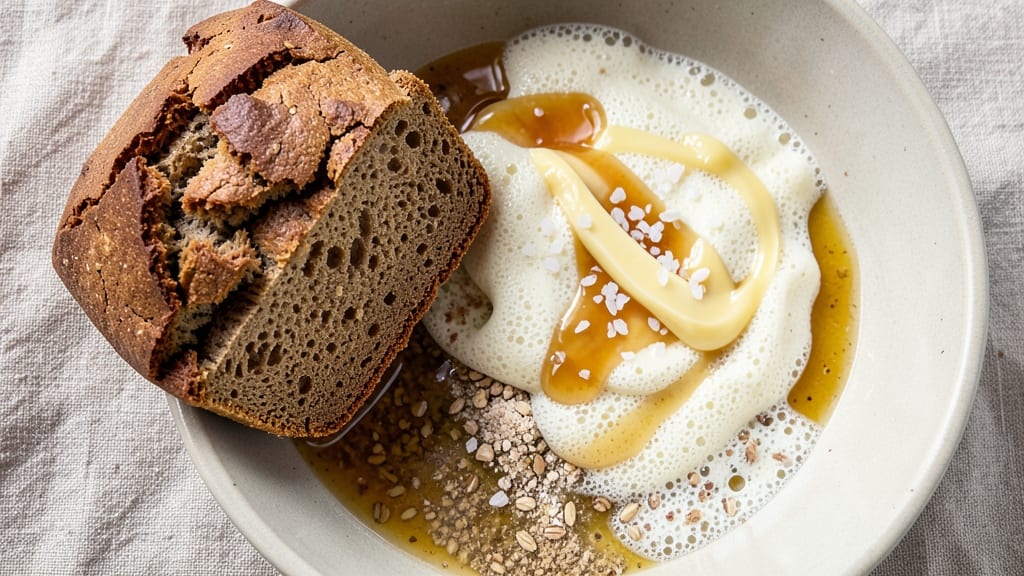
Adelle Davis' bread recipe delivers the wholesome, nutty depth that makes homemade whole-grain loaves truly special. This traditional method uses simple ingredients—whole wheat flour, yeast, and a touch of honey—to create a loaf that's both nourishing and delicious.
The kneading process develops gluten for that perfect chewy texture, while proofing times ensure a light, airy crumb. I've perfected this recipe through years of baking, staying true to Davis' nutritional philosophy of minimal processing and maximum flavor.
The secret to this bread lies in the combination of whole grains and proper hydration—just enough water to create a soft yet manageable dough. Unlike commercial breads, this recipe skips shortcuts like bread machines, relying instead on traditional techniques that build flavor gradually.
The nutty aroma that fills your kitchen during baking is unmistakable, a testament to the quality ingredients and careful preparation. Every slice offers a satisfying texture with a subtle sweetness from the honey.
What makes this loaf truly exceptional is its versatility—perfect for toast, sandwiches, or served alongside soups. The crust develops a beautiful golden-brown color while maintaining a tender interior, thanks to the precise baking time and temperature.
This recipe is designed to be both approachable for beginners and rewarding for experienced bakers, with clear instructions that guide you through each step. The result is a bread that's not just nutritious but genuinely satisfying, exactly as Adelle Davis intended.
For those following Davis' principles, this bread provides complex carbohydrates and natural sweetness without refined ingredients. The recipe yields a generous loaf that keeps well for days, making it ideal for meal prep or sharing with friends.
Whether you're a nutrition enthusiast or simply love great bread, this method delivers results that speak for themselves. Let's get started on creating your own wholesome loaf.
Ingredients for adelle davis bread
Whole wheat flour, yeast, and honey form the foundation of Adelle Davis' wholesome homemade loaf.
| Ingredient | Amount | Notes |
|---|---|---|
| Whole Wheat Flour 🌾 | 4 cups | Unbleached preferred for nutty flavor |
| Active Dry Yeast 🍞 | 2 ¼ tsp | Ensure yeast is fresh and active |
| Honey 🍯 | ¼ cup | Raw or unprocessed preferred |
| Warm Water 💧 | 1 ¼ cups | 110°F for optimal yeast activation |
| Unsalted Butter 🧈 | ¼ cup | Cold, cubed for easier mixing |
| Sea Salt 🧂 | 1 tsp | Diamond Crystal preferred |
| Ground Flaxseed 🌿 | 1 tbsp | For added fiber and moisture |
| Olive Oil 🫒 | 1 tbsp | Extra-virgin for richness |
| Whole Wheat Kernels 🌾 | ¼ cup | Optional for added texture |
| Cornmeal 🌽 | ¼ cup | For dusting baking sheet |
| Sesame Seeds 🌱 | 1 tbsp | Optional for topping |
The whole wheat flour is the heart of this recipe, so source it from a reputable brand like King Arthur or Bob's Red Mill—their unbleached varieties preserve the natural nutty depth. Freshness matters: if your flour smells musty or tastes stale, it's time to restock. The whole wheat kernels add texture but aren't mandatory; omit them if you prefer a smoother crumb. For the yeast, Saf-Instant is my go-to because it doesn't require proofing in warm water—a time-saver for busy bakers. Store your flour in an airtight container in a cool, dark place to maintain its nutritional integrity for up to 6 months.
No honey? Maple syrup or agave nectar work beautifully as substitutes, though the flavor will differ slightly. The olive oil should be extra-virgin—anything less won't deliver the same richness, and you'll taste the difference in every slice. If you're avoiding gluten, this recipe isn't for you, but for those with mild sensitivities, substituting half the whole wheat flour with all-purpose can make it more digestible. The sesame seeds are optional but add a delightful crunch; if you're out, a sprinkle of poppy seeds works just as well. For the butter, European-style brands like Plugrá melt more cleanly, though any unsalted butter will suffice.
This dough keeps best in the fridge for up to 3 days, wrapped tightly in plastic wrap. For longer storage, freeze the shaped loaf for up to 3 months—thaw at room temperature before slicing. The bread reaches its peak flavor 1-2 days after baking, so plan ahead if you're making it for a special occasion. To revive stale slices, wrap them in foil and warm in a 350°F oven for 5-10 minutes. The cornmeal isn't just for dusting; it also adds a subtle sweetness to the crust, so don't skip it if you're aiming for that authentic Adelle Davis touch.
Why You'll Love This Recipe
- No-Yeast Struggle: I’ve ruined enough sourdough starters to know this bread is a lifesaver—just toss in yeast, let it rise, and the honey does the rest. No waiting for cultures, no guesswork.
- Golden Honey Crust: That caramelized edge? Pure magic from the honey and butter working together. It’s sweet enough to satisfy a dessert craving but sturdy enough for sandwiches—no one will believe it’s whole wheat.
- Weeknight Sandwich Hero: Between us, this bread is my go-to for quick lunches. Toast it, slather with butter, or pile high with PB&J—it holds up like a pro, even when my kids turn it into a "monster sandwich."
- Budget-Friendly Staple: Whole wheat flour and a little butter stretch far, and the dough keeps for days. I make a double batch on Sundays, freeze half, and still have fresh bread for days—no wasted ingredients here.
Step-by-step instructions for Adelle Davis' whole-grain bread
This classic method delivers a bread with perfect texture and nutty depth every time.
Activate the Yeast and Prepare the Dough Base
In a small bowl, combine the 1.25 cups warm water (tested at 110°F—it should feel warm to your wrist but not hot) with the 2.25 tsp active dry yeast and 0.25 cup honey. Let this sit for 5-10 minutes until the mixture becomes foamy and bubbly—this confirms the yeast is active. If it doesn't bubble, your yeast may be stale, and you'll need to start over.
In a large mixing bowl, whisk together the 4 cups whole wheat flour, 1 tbsp ground flaxseed, 1 tsp sea salt, and 0.25 cup whole wheat kernels (if using). Create a well in the center and pour in the yeast mixture along with the 1 tbsp olive oil and 0.25 cup cold cubed unsalted butter. The butter should remain in chunks for proper fat distribution in the finished bread.
Mix and Knead the Dough
Using a wooden spoon or dough whisk, gradually incorporate the dry ingredients into the wet mixture, stirring until a shaggy dough forms. Switch to your hands and knead the dough on a lightly floured surface for 8-10 minutes until it becomes smooth and elastic. The dough should pull away from the sides of the bowl and spring back when poked.
If the dough feels too sticky, add 1 tablespoon flour at a time until it's manageable. Whole wheat dough is naturally denser than white flour dough, so don't be surprised if it requires more kneading. The goal is to develop the gluten sufficiently for a light yet sturdy crumb structure.
First Rise and Shaping
Lightly grease a large mixing bowl with olive oil and place the dough inside. Cover the bowl with a damp kitchen towel and let it rise in a warm place for 1-1.5 hours or until it has nearly doubled in size. You'll know it's ready when you poke it gently with a finger and the indentation remains rather than springing back immediately.
Once risen, turn the dough out onto a lightly floured surface and gently shape it into a round loaf. For a rustic look, you can shape it into a free-form boule or a neat oval. Place the shaped dough on a parchment-lined baking sheet and cover it loosely with the damp towel. Let it rise for another 30-45 minutes while you preheat your oven.
Bake to Golden Perfection
Preheat your oven to 375°F. When ready to bake, sprinkle the dough lightly with the 0.25 cup cornmeal and, if using, the 1 tbsp sesame seeds for added texture and flavor. Bake for 35-40 minutes until the bread is deep golden brown and sounds hollow when tapped on the bottom.
For extra browning, you can brush the top with water after 20 minutes of baking. The internal temperature should reach 190-200°F when measured with an instant-read thermometer. Remove from the oven and let the bread cool on a wire rack for at least 30 minutes before slicing—this allows the steam to escape and prevents a gummy texture.
Pro Tips For Making Adelle Davis Bread
- WEIGH THE FLOUR: I learned this the hard way—spooning whole wheat flour straight from the bag packs it too tightly, and your dough will end up dense. Use a kitchen scale and scoop the flour into the bowl, then level it off with a knife. Whole wheat absorbs more moisture, so don’t skimp on the 4 cups called for.
- HONEY TEMPERATURE MATTERS: Pour that honey straight from the fridge, and you’ll kill the yeast faster than a cold shower. Warm it to 100°F (just warm to the touch) before mixing it with the water—this keeps the yeast happy and active. I used to eyeball it and wonder why my dough took forever to rise.
- DOUGH NEEDS TIME: Resist the urge to rush the first rise. After mixing, let the dough sit covered for a full 1.5 hours in a warm spot—no oven needed, just a turned-off lightbulb works. Whole wheat dough is stubborn; it won’t double like white flour, but patience here makes the crumb tender and the flavor rich.
- BUTTER IN LAYERS: Don’t just melt that butter and pour it in—this bread’s magic is in the flaky layers. Cut the cold butter into small cubes and fold them into the dough at the very end, just before shaping. The contrast of cold butter and warm dough creates those pockets you crave. (Yes, it’s messy, but worth it.)
Troubleshooting this recipe
Dense Dough Issues
If your dough feels too thick or dry during kneading, you likely need more liquid. Whole wheat flour absorbs moisture differently than white flour, so add 1 tablespoon warm water at a time until the dough becomes pliable.
I’ve found that 1.3-1.5 cups total liquid usually works best for this recipe. Avoid over-kneading, which can toughen the texture—focus on developing gluten for 8-10 minutes max. 🌾
Poor Rise or Flat Loaf
Flat bread or slow rising often means inactive yeast or insufficient proofing time. First, test your yeast: it should foam within 5-10 minutes in warm water. If not, replace it with fresh Saf-Instant yeast.
For proofing, ensure your kitchen is warm (ideally 75-80°F)—place the bowl near a warm oven with the light on for extra heat. If using a cold kitchen, extend the first rise to 2 hours. The dough should nearly double in size.
Gummy or Underbaked Crust
An underbaked crust usually means the bread didn’t reach the right internal temperature. Use an instant-read thermometer to confirm 190-200°F in the center. If the bread feels dense and moist, bake for an additional 5-10 minutes at 375°F.
For a crispier crust, brush the top with water after 20 minutes of baking. Let the bread cool completely on a wire rack—cutting too soon traps steam, keeping it gummy. ⏱️
Burnt Top or Uneven Browning
Whole wheat bread browns faster than white flour bread, so watch closely after 30 minutes. Rotate the baking sheet halfway through for even browning. If the top darkens too quickly, tent loosely with aluminum foil.
For a prettier crust, sprinkle cornmeal or sesame seeds before baking—they create a barrier that prevents over-browning while adding texture. A dark baking sheet can also help distribute heat more evenly.
Sticky or Gummy Texture
Sticky bread often results from over-hydration or insufficient kneading. If your dough feels too wet, add 1 tablespoon flour at a time until it’s smooth but not dry. For a gummy interior, ensure the bread cools completely before slicing—steam trapped inside keeps it moist.
If the texture persists, try reducing the honey to 0.125 cup (it adds moisture) or increasing the flour by 0.25 cup for a firmer crumb. 💧
Nutrition facts
Frequently asked questions
Can I substitute whole wheat flour in this recipe?
While this recipe is designed specifically for whole wheat flour to capture Adelle Davis' nutritional philosophy, you can replace up to 50% with all-purpose flour if you prefer a lighter texture. For best results, use a 1:1 substitution ratio. The bread will be less dense but still retain some of the nutty flavor. Whole grains provide more fiber and nutrients, so try to keep as much whole wheat as possible!
Why does my dough feel too sticky?
Whole wheat dough is naturally stickier than white flour dough because of its higher protein and fiber content. If it's too wet, gradually add 1 tablespoon flour at a time until it becomes manageable. For extra help, wet your hands before handling the dough to prevent sticking. Remember, this dough should be soft but not overly wet—think of it like playdough rather than a wet paste.
How do I know when the bread is fully baked?
Your bread is done when it reaches an internal temperature of 190-200°F and sounds hollow when tapped on the bottom. The crust should be deep golden brown. For visual confirmation, check that the bread has pulled away from the sides of the pan and developed a crisp exterior. If unsure, let it bake 5 more minutes—underbaked bread can be gummy and dense.
Can I make this bread without a bread machine?
This recipe is designed for traditional hand-kneading methods. The kneading process develops gluten for that perfect texture, which bread machines can't always replicate. For best results, knead by hand for 8-10 minutes until the dough becomes smooth and elastic. The proofing times will be slightly longer than machine-made bread, but the flavor will be far superior!
What's the best way to store leftover bread?
Wrap cooled slices tightly in plastic wrap or aluminum foil and store at room temperature for up to 3 days. For longer storage, freeze the whole loaf (unsliced) for up to 3 months. To revive stale slices, wrap them in foil and warm in a 350°F oven for 5-10 minutes. The bread actually tastes better the next day as the flavors develop further!