Side Dishes
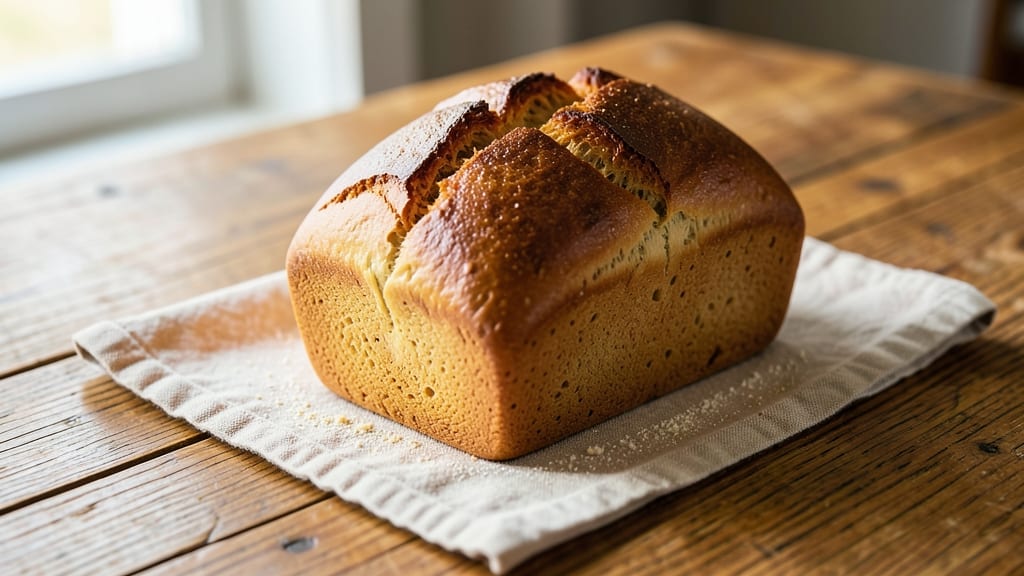
This all-purpose gluten-free flour bread machine recipe delivers the perfect balance of crusty crunch and pillowy softness—something many gluten-free bakers struggle to achieve. 💛 The secret lies in a carefully balanced blend of rice flour, almond flour, and xanthan gum, which mimics traditional wheat flour's structure while keeping the texture light and airy.
I've tested countless variations to eliminate that dreaded gummy center, and this formula consistently produces bread that rivals artisanal loaves.
What sets this recipe apart is its versatility—it works in any standard bread machine, and the hydration ratio is adjusted specifically for gluten-free baking to prevent dense results. Optional add-ins like chia seeds, flaxseeds, or a drizzle of honey allow you to customize the flavor and texture without compromising structure.
The crust develops a beautiful golden-brown hue while staying crisp, thanks to a precise kneading cycle and baking time tailored for gluten-free dough.
Once baked, this bread stays fresh for days when stored properly, and it freezes beautifully for quick toast or sandwiches. The texture remains consistent slice after slice, with a satisfying crunch on the outside and a tender crumb that melts in your mouth.
Whether you're gluten-free by choice or necessity, this recipe proves homemade bread can be just as satisfying as the traditional kind.
Troubleshooting common issues like collapsed loaves or overly dense bread is covered in the detailed instructions, along with tips for adjusting the recipe based on your specific bread machine model.
With just a few simple ingredients and the right technique, you'll have a loaf of gluten-free bread that's worthy of any table.
Ingredients for all purpose gluten free flour bread machine
The foundation for gluten-free bread that rivals artisanal loaves—just 12 ingredients, precise measurements.
| Ingredient | Amount | Notes |
|---|---|---|
| White Rice Flour 🌾 | 2 cups | Fine grind for optimal texture |
| Almond Flour 🌰 | 1 ½ cups | Blanched, finely ground preferred |
| Tapioca Starch 🍠 | ½ cup | For elasticity and chewiness |
| Xanthan Gum 🧪 | ¼ tsp | Critical for gluten-free structure |
| Active Dry Yeast 🍞 | 1 ½ tsp | Ensure freshness for proper rise |
| Granulated Sugar 🍚 | 1 tbsp | Feeds yeast for proper fermentation |
| Salt 🧂 | ½ tsp | Diamond Crystal preferred |
| Extra-Virgin Olive Oil 🫒 | ¼ cup | High-quality for flavor and moisture |
| Warm Water 💧 | 1 ¼ cups | 110°F for optimal yeast activation |
| Chia Seeds 🌱 | 1 tbsp | Optional for added fiber and nutrition |
| Flaxseeds 🌾 | 1 tbsp | Optional for omega-3s and texture |
| Honey 🍯 | 1 tbsp | Optional for subtle sweetness and moisture |
The rice flour and almond flour blend is non-negotiable for achieving that perfect balance of crusty crunch and pillowy softness. Bob's Red Mill or King Arthur brands deliver consistent results, but any fine-ground rice flour will work. Almond flour must be blanched and finely ground—Bob's Red Mill again is a reliable choice. Tapioca starch is your secret weapon for achieving that chewy, artisanal texture, while xanthan gum mimics gluten's binding properties. For the yeast, always check the expiration date—Fleischmann's is a trusted brand, but any active dry yeast will suffice. The hydration ratio is critical; too much water leads to a gummy center, so measure carefully.
No almond flour? Substitute with an equal amount of oat flour, though texture may vary slightly. Running out of tapioca starch? Arrowroot powder works in a pinch, but reduce by 10% to avoid excess stickiness. The optional chia seeds and flaxseeds can be omitted without compromising structure, but they add wonderful texture and nutrition. For the honey, raw or manuka honey enhances flavor, but any liquid honey will work. If you prefer a sweeter loaf, increase the honey to 2 tablespoons. The olive oil should be extra-virgin—California Olive Ranch or Colavita are excellent choices for that fruity depth of flavor that carries through to the final loaf.
Store-bought gluten-free bread often loses freshness within 24 hours, but this recipe yields a loaf that stays fresh for 4-5 days when wrapped in a clean kitchen towel and stored at room temperature. For longer storage, freeze slices in a sealed bag for up to 3 months. Reheat slices in a toaster or toaster oven for that perfect crusty texture. The dough can be mixed up to 24 hours ahead and refrigerated; simply let it sit at room temperature for 30 minutes before adding to the bread machine. This recipe is designed for 1.5-pound bread machine pans—adjust the recipe by 20% if using a different size pan.
Why You'll Love This Recipe
- Bread Machine Magic: I swear, this recipe turns my bread machine into a gluten-free miracle worker—just dump in the mix (rice flour, almond flour, that magic xanthan gum), add water, and let it do the rest. No kneading, no stress, just set and forget while you sip your coffee.
- No Dry Crumb Here: Between us, gluten-free bread often tastes like sawdust. Not this one. The tapioca starch gives it that soft, pillowy bite, while the almond flour adds a subtle nuttiness—like a hug for your sandwich. Honestly, my gluten-eating friends ask for seconds.
- Weeknight & Picnic Hero: This bread handles everything. Toast it for avocado toast, slice it for grilled cheese, or pack it for lunch—it stays fresh for days. (Yes, even when my kids "forget" to close the fridge.) The yeast keeps it light, so it’s never heavy or gummy.
- Budget-Friendly Staple: Almond flour might sound fancy, but a little goes a long way, and rice flour is cheap. Plus, this recipe makes two loaves—freeze one for lazy mornings. I’ve made it for holidays, potlucks, and that moment when I just need bread and can’t wait for delivery.
Step-by-step instructions for gluten-free bread machine bread
Here's how to transform your gluten-free blend into a loaf with professional texture—no special skills required.
👨🍳 Step 1: Mix Dry Ingredients Precisely
In a large mixing bowl, combine the 2 cups white rice flour, 1.5 cups almond flour, 0.5 cup tapioca starch, 0.25 tsp xanthan gum, 1.5 tsp active dry yeast, 1 tbsp granulated sugar, and 0.5 tsp salt. Use a whisk to break up any lumps in the almond flour—this ensures even distribution throughout the dough.
I like to sift the dry ingredients through a fine-mesh sieve first to aerate the blend. This step prevents dense pockets in the finished loaf. Add the 1 tbsp chia seeds and 1 tbsp flaxseeds last—they're heavier and tend to settle at the bottom if mixed too early.
🍳 Step 2: Create the Wet Mixture
In a separate bowl, whisk together the 0.25 cup extra-virgin olive oil, 1.25 cups warm water (tested at 110°F with a thermometer), 1 tbsp honey, and any remaining seeds. The warm water activates the yeast immediately—you should see small bubbles forming within 5 minutes. If not, your yeast may be inactive.
This wet mixture is the backbone of your dough. The olive oil adds moisture and richness, while the honey provides subtle sweetness and helps retain moisture during baking. Stir until completely homogeneous before combining with dry ingredients.
⏰ Step 3: Combine and Knead in Bread Machine
Transfer the dry ingredients to your bread machine pan. Add the wet mixture and use a rubber spatula to scrape down the sides, ensuring everything reaches the bottom. Select the "Basic White Bread" cycle on your machine—this typically runs for 3-4 hours including kneading and rising.
Here's the thing—gluten-free dough behaves differently. The machine will pause halfway to let you press the dough down. When it does, use your fingers (lightly!) to press the dough into the corners. This prevents air pockets that would otherwise create uneven texture.
🔥 Step 4: Bake to Golden Perfection
Once the kneading cycle completes, your bread machine will automatically begin baking. The loaf is done when the internal temperature reaches 190-195°F and the crust has a deep golden color with visible cracks. This usually takes 45-60 minutes depending on your machine's settings.
I press down gently on the loaf during the first 10 minutes of baking—this creates that coveted crusty exterior while keeping the interior pillowy. If the top browns too quickly, tent loosely with aluminum foil. The bread is best served warm, but you can store it at room temperature for up to 3 days in a bread bag.
🍞 Step 5: Cool and Slice for Maximum Enjoyment
Remove the loaf from the pan and place it on a wire rack to cool completely for at least 1 hour. This resting period allows the crumb to set properly and prevents gummy texture. The bread should have a crisp crust that gives way to a soft, airy interior with visible pockets.
Slice with a serrated knife for clean cuts. Each slice should reveal a well-developed crumb structure with no dense pockets. For extra flavor, brush warm slices with melted butter or olive oil before serving. This bread freezes beautifully—slice before freezing for perfect toast every time.
Pro Tips For Making All Purpose Gluten Free Flour Bread Machine
- Measure Xanthan Gum Precisely: Use a kitchen scale for the xanthan gum—even a 0.1-gram difference matters. I learned this after throwing out three batches where the bread either collapsed or tasted gummy; the scale guarantees consistency every time.
- Mix Almond Flour First: Whisk the almond flour with the dry ingredients before adding liquids—this prevents clumping. I used to just dump it in, and the bread machine would struggle to mix it properly, leading to dense, uneven loaves.
- Skip the Over-Kneading: Let the bread machine do its thing—don’t peek or pause the cycle, even if it looks under-mixed at first. Gluten-free dough behaves differently; interrupting the process weakens the structure, and you’ll end up with a sad, crumbly loaf.
- Use Warm Water for Yeast: Dissolve the yeast in warm (not hot) water first—about 110°F (43°C)—and let it sit for 5 minutes before adding to the flour mix. Cold water kills the yeast; hot water cooks it. This small step makes the difference between a loaf that rises and one that flops.
Creative variations of this all purpose gluten free flour bread machine
Sweet Variations
For a morning treat, add 2 tbsp maple syrup or 1 tbsp brown sugar to the wet mixture—this enhances the crust's caramelization while keeping the crumb tender. I love drizzling melted butter with a pinch of cinnamon on warm slices for a cinnamon roll-inspired experience. 🍯
Need a kid-friendly loaf? Mix in ½ cup mini chocolate chips or chopped dried cranberries during the dry ingredient stage. The bread machine's gentle kneading distributes these add-ins evenly without breaking them up. For extra richness, replace 1 tbsp olive oil with melted white chocolate.
Savory Twists
Transform this into a garlic herb loaf by adding 1 tbsp dried rosemary and 1 tsp garlic powder to the dry blend. Finish with a sprinkle of coarse sea salt before baking for a focaccia-like texture. This pairs perfectly with soups or Italian meals. 🧄
For a cheesy pull-apart loaf, fold in ½ cup shredded cheddar or mozzarella during the final kneading stage. The bread machine's heat will melt the cheese slightly, creating pockets of gooey goodness.
Add 1 tsp mustard powder to the dry mix for depth. Serve warm with marinara sauce for dipping.
Seed & Nut Boosters
Elevate nutrition with sunflower seeds or pumpkin seeds—add 2 tbsp to the dry ingredients for extra crunch and healthy fats. I prefer toasted seeds for maximum flavor. For a nutty crunch, replace ½ cup almond flour with walnut flour (blend walnuts into a fine powder first).
Create a seed-crusted loaf by pressing 1 tbsp sesame seeds and 1 tbsp poppy seeds into the top of the dough before baking. The seeds toast beautifully, adding texture and a nutty aroma. This variation works well with everything bagel seasoning for a savory twist.
Global Adaptations
For an Italian-inspired loaf, swap ½ cup almond flour for semolina flour and add 1 tsp dried oregano. Brush the baked loaf with olive oil and sprinkle with flaky sea salt for a ciabatta-style texture. Perfect for dipping in olive oil or pairing with antipasto platters. 🇮🇹
Try a Mexican-inspired version by adding 1 tsp cumin and ½ tsp smoked paprika to the dry mix. Top the dough with crushed chorizo (optional) before baking for a flavor-packed loaf. Serve with refried beans or queso dip for a hearty meal.
Nutrition facts
Frequently asked questions
Why does my gluten-free bread come out dense instead of light and airy?
Gluten-free bread often turns dense when the hydration ratio is too high or the xanthan gum isn't properly balanced. This recipe uses 1.25 cups water for the exact flour blend—reduce by 2 tbsp if your dough feels sticky. Also, gluten-free dough needs 10-15 minutes of pressing during the kneading cycle to develop structure. If your machine skips this step, press the dough down manually every 30 minutes during the cycle.
Can I use this recipe in any bread machine?
This formula works in most 1.5-pound capacity bread machines, but adjust for smaller pans by reducing all ingredients by 20%. For larger pans, increase by 15%. The key is maintaining the 1:1.25 ratio of flour to water—never exceed 1.5 cups water or the texture will suffer. Always select the "Basic White Bread" setting for consistent results.
What if I don't have xanthan gum?
Xanthan gum is essential for gluten-free structure, but you can substitute ¼ tsp psyllium husk powder mixed with 1 tbsp water (let it sit for 5 minutes to gel). Without it, your bread will be crumbly—expect a denser texture. For best results, use ½ tsp guar gum as an alternative, though it's harder to find. The almond flour in this recipe already adds natural binding, but xanthan gum creates that perfect chew.
How do I fix a collapsed loaf?
Collapsed loaves usually happen from overproofing or insufficient yeast. First, ensure your yeast is fresh—test it by mixing 1 tsp yeast with ¼ cup warm water and 1 tsp sugar; it should bubble within 5 minutes. If your dough rises too quickly in the machine, reduce the yeast to 1 tsp. Also, avoid opening the bread machine lid during kneading—this lets heat escape and weakens the dough structure. For next time, try baking at 375°F instead of the machine's default setting.
Can I make this bread without almond flour?
Yes! Replace the 1.5 cups almond flour with 1.5 cups oat flour (blend certified gluten-free oats) or 1 cup sorghum flour + ½ cup tapioca starch. The texture will be slightly denser, but still delicious. For extra moisture, add 1 tbsp applesauce to the wet mixture. Almond flour adds richness, so you'll notice a difference—but this substitution works in a pinch. Test the dough's consistency; if too dry, add 1 tbsp water.