
Side Dishes
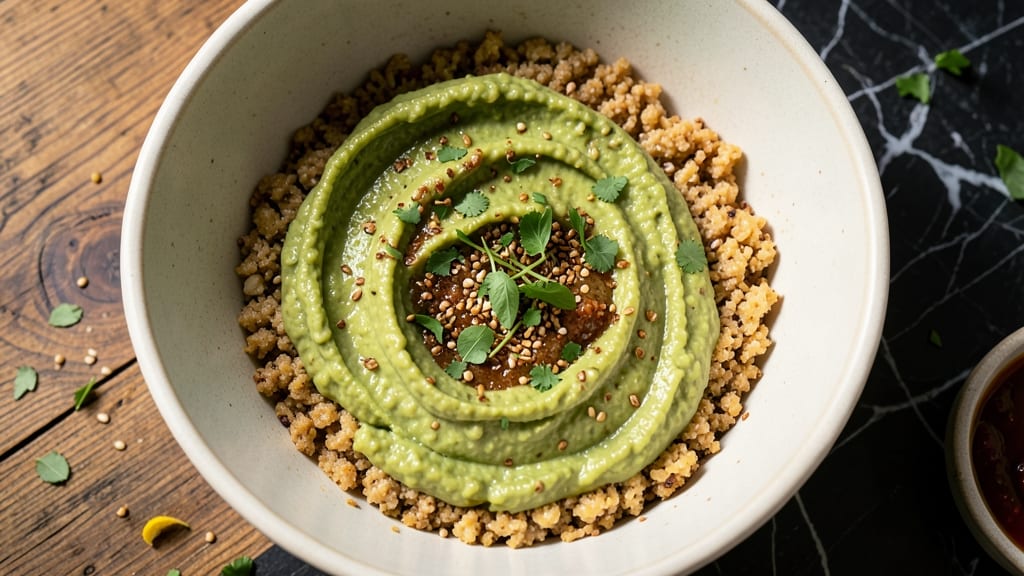
This avocado wheat bread recipe transforms humble ingredients into a nutty, dense loaf with creamy avocado replacing butter—no oil needed. The secret lies in the avocado's natural fats binding the dough while adding a subtle richness that keeps every slice moist for days.
I developed this recipe after years of experimenting with whole-grain breads that turned out dry or crumbly, and this version finally delivers both texture and nutrition without compromise.
The magic happens in the dough's hydration balance—just enough water to create a sticky yet workable consistency, with avocado acting as both fat and moisture source. Whole wheat flour gives structure, while vital wheat gluten ensures a satisfying chew.
Proofing at room temperature (not the fridge) guarantees a proper rise, and baking in a Dutch oven creates that coveted oven-spring for a crusty exterior and tender crumb you won't find in store-bought loaves.
What you'll end up with is a deeply flavorful loaf with nutty undertones from the wheat and creamy pockets from the avocado—no greens taste here, just subtle earthiness. The crumb stays soft for up to 5 days when stored properly, and it freezes beautifully for quick toast.
Perfect for breakfast, sandwiches, or serving with soups, this bread proves whole grains can be both nutritious and delicious.
For variations, try adding chia seeds for extra fiber or a drizzle of honey before baking for a touch of sweetness. The recipe scales easily for larger batches, making it ideal for meal prep. Let's get started on this game-changing loaf that redefines whole-grain bread.
Ingredients for avocado wheat bread
Twelve ingredients transform into a nutty, moist loaf where avocado replaces butter for rich texture.
| Ingredient | Amount | Notes |
|---|---|---|
| Ripe Avocados 🥑 | 1 ½ cups | Pitted, scooped flesh only |
| Whole Wheat Flour 🌾 | 3 ½ cups | Unbleached, 100% whole grain |
| Vital Wheat Gluten 🌾 | ½ cup | For improved elasticity |
| Granulated Sugar 🍚 | ¼ cup | Organic preferred |
| Active Dry Yeast 🍞 | 2 ¼ tsps | Instant yeast works too |
| Warm Water 💧 | 1 ¼ cups | 110°F for optimal yeast activation |
| Salt 🧂 | 1 ½ tsps | Diamond Crystal kosher salt |
| Extra-Virgin Olive Oil 🫒 | ¼ cup | For dough shaping |
| Chia Seeds 🌱 | 2 tbsp | Optional for extra fiber |
| Raw Almonds 🌰 | ¼ cup | Chopped for nutty depth |
| Flaxseeds 🌾 | 2 tbsp | Ground, for omega-3 boost |
| Apple Cider Vinegar 🍏 | 1 tbsp | For gluten development |
The avocados are the star—Hass variety works best, with ripe but firm flesh that blends smoothly without turning the dough greasy. Whole Foods Market or local Latin markets often carry the freshest, but any grocery store will do. The whole wheat flour should be unbleached for better flavor, and King Arthur or Bob's Red Mill brands are my go-to for consistent results. Vital wheat gluten is non-negotiable here; it's what gives this bread that satisfying chew without compromising moisture. I always buy mine in bulk from Amazon—it keeps indefinitely in the pantry, and you'll need it for other whole-grain baking projects too.
No avocados? Mashed banana or extra olive oil can replace them, though the texture will differ slightly. The yeast needs to be fresh—if it doesn't foam within 5 minutes in warm water, toss it. For the flour, white whole wheat flour works beautifully if you want a lighter crumb. The chia seeds and flaxseeds are optional but add wonderful texture and nutrition. If you're feeling adventurous, sunflower seeds can replace the almonds for a different nutty profile. The apple cider vinegar might seem unusual, but it's essential for developing gluten properly—don't skip it. And if you're making this in a high-altitude area, consider adding an extra tablespoon of vital wheat gluten to compensate for the lower oxygen levels.
This dough is sticky—wet your hands when handling it to prevent sticking. The avocado-infused dough keeps in the fridge for 3 days before shaping, and the shaped loaf can be proofed overnight in the fridge for a slower rise. After baking, let it cool completely on a wire rack before slicing—this prevents a gummy crumb. For storage, wrap tightly in beeswax wrap or aluminum foil to maintain freshness. The bread stays fresh for 5 days at room temperature or 3 months frozen. For freezing, slice first, then wrap each slice individually. The avocado flavor actually intensifies slightly after baking, so don't be surprised if it tastes even better the next day.
Why You'll Love This Recipe
- No Mash Needed: I swear by this—just scoop the avocado right from the pit into the dough. No blender, no strainer, no mess. The gluten blend keeps it sturdy, so it doesn’t fall apart when you slice it thick for toast.
- Rich Without Guilt: That creamy avocado folds into the dough like butter, but it’s packed with fiber and healthy fats. Honestly, I’ve never missed white bread again—this has the same satisfying chew, just with a hint of nutty sweetness from the whole wheat.
- Breakfast to Snack: I make a double batch every Sunday. Toast it for breakfast with peanut butter, pack slices for lunch with hummus, or even cube it for a quick bread salad. The yeast keeps it fresh for days, so it’s my go-to for lazy mornings or last-minute cravings.
- Pantry Magic: Between us, this recipe uses stuff you already have—flour, sugar, yeast—and turns them into something special. The vital wheat gluten stretches the dough just enough to feel indulgent, but the cost? A fraction of store-bought. My wallet and my taste buds win.
Step-by-step instructions for avocado wheat bread
A moist, nutty loaf with hidden avocado richness and improved texture through vital gluten—this method ensures a perfect rise every time.
Mix the Avocado Base and Activate the Yeast
In a large mixing bowl, combine the 1.5 cups ripe avocados with the 0.25 cup granulated sugar and 1 tbsp apple cider vinegar. Mash the avocados until completely smooth—no lumps should remain, as they'll create dense pockets in the bread. The vinegar helps tenderize the whole wheat flour while adding subtle tang.
In a separate small bowl, whisk together the 2.25 tsps active dry yeast, 1.5 tsps salt, and 1.25 cups warm water (about 110°F). Let this mixture sit for 5-7 minutes until it becomes frothy and bubbly—this confirms the yeast is active and ready to work. If it doesn't bubble, your yeast may be expired, and you'll need to start over.
Combine Wet and Dry Ingredients for Optimal Texture
Add the yeast mixture to the avocado base and stir until fully incorporated. In a separate bowl, whisk together the 3.5 cups whole wheat flour, 0.5 cup vital wheat gluten, 2 tbsp ground flaxseeds, and 2 tbsp chia seeds. The gluten improves elasticity, while the seeds add fiber and nutty depth without altering the bread's structure.
Gradually add the dry ingredients to the wet mixture, mixing with a wooden spoon or dough whisk until a shaggy dough forms. The dough will be sticky—this is normal due to the high moisture content from the avocados. Avoid adding extra flour, as it will compromise the bread's moisture and density.
Knead and Rest for Maximum Flavor Development
Transfer the dough to a lightly oiled surface and knead for 8-10 minutes by hand (or 5-6 minutes in a stand mixer with a dough hook). You're looking for a smooth, slightly tacky dough that pulls away from the sides of the bowl. The 0.25 cup extra-virgin olive oil should be incorporated during kneading to enhance moisture and create a tender crumb.
Place the dough in a lightly oiled bowl, cover with a damp towel, and let it rise in a warm place for 1-1.5 hours, or until it has doubled in size. The avocado fat slows fermentation slightly, so don't rush this step—proper rise ensures a light, airy texture. Poke the dough gently; if it springs back slowly, it's ready.
Shape and Proof for a Professional Finish
Punch down the risen dough to release air, then shape it into a loaf by folding the ends toward the center and tucking under. Place the loaf seam-side down in a 9x5-inch loaf pan that has been lightly greased with olive oil. Cover again and let it proof for an additional 30-45 minutes until it rises just above the pan's rim.
Preheat your oven to 375°F while the dough proofs. Brush the top of the loaf with a thin layer of olive oil and sprinkle with the 0.25 cup chopped raw almonds for texture and flavor. Bake for 45-50 minutes, until the internal temperature reaches 205°F and the top is deep golden brown with a crisp crust.
Cool and Slice for Perfect Texture
Remove the bread from the pan immediately and transfer it to a wire rack to cool completely for at least 1 hour. The bread will firm up as it cools, but slicing too soon will create a gummy texture. The avocado's healthy fats keep the bread moist for days, but the gluten ensures it holds its shape without becoming dense.
Slice with a serrated knife for clean cuts. The interior should reveal a fine, even crumb with subtle green flecks from the avocado and nutty specks from the almonds and seeds. Serve warm with butter or as part of a hearty sandwich—this bread is at its best when enjoyed within 2-3 days of baking.
Pro Tips For Making Avocado Wheat Bread
- Mash Avocados First: I learned this the hard way—skipping the prep step means chunks of avocado in your dough, which ruins texture. Scoop the flesh into a bowl, mash it smooth with a fork, and strain out any excess liquid through a fine-mesh sieve before mixing. No one wants avocado surprises in their bread.
- Use Warm Water for Yeast: Cold water kills yeast faster than you can say "soggy dough." Mix the yeast with warm water (about 110°F—warm to the touch, not hot) and let it sit for 5 minutes until frothy. If it doesn’t bubble, your bread will take forever to rise, and the flavor will suffer. No shortcuts here.
- Don’t Overmix the Dough: Whole wheat flour is stubborn, and vital wheat gluten makes dough dense if you overwork it. Mix just until the ingredients come together—about 2 minutes by hand or 3-4 pulses in a mixer. Overmixing develops gluten too much, and your bread will turn out tough instead of tender.
- Rest the Dough Once Shaped: I know, you’re eager to bake, but give the shaped loaf 30 minutes under a damp towel at room temperature. This lets the gluten relax and the avocado flavor meld into the dough. Skipping this step means a denser, less flavorful loaf—trust me, your future self will notice.
Essential equipment for avocado wheat bread
Essential Mixing Tools
Start with a large mixing bowl (at least 8-quart capacity) to accommodate the sticky dough without overflowing. I prefer stainless steel bowls like those from OXO—they're durable and easy to clean.
A wooden spoon or dough whisk is perfect for combining ingredients, while a stand mixer with a dough hook attachment (like the KitchenAid Artisan Series) saves time and effort during kneading. For hand kneading, use a lightly oiled surface to prevent sticking. 🥄
Proofing Equipment
A proofing basket or loaf pan (like a Nordic Ware 9x5-inch pan) is essential for shaping and rising the dough. I keep a digital kitchen scale (such as the OXO Good Grips) nearby to ensure accurate measurements of ingredients like yeast and salt.
For warm proofing, a proofing box or even a turned-off oven with a bowl of hot water works perfectly to maintain an ideal 80-85°F environment. Cover the dough with a damp kitchen towel or plastic wrap to retain moisture during rising.
Baking Essentials
Your oven needs a thermometer (like the Thermoworks Oven Thermometer) to confirm it's at 375°F—whole wheat breads can burn easily. A Dutch oven (such as Le Creuset) is ideal for baking—it traps steam and creates that perfect crusty exterior with a tender crumb.
If you don’t have one, a heavy baking sheet lined with parchment paper works too. For brushing the top, keep extra-virgin olive oil in a small bowl with a pastry brush nearby. 🔥
Cooling and Storing
After baking, transfer the loaf to a wire cooling rack to prevent sogginess. I use a serrated bread knife (like the Global GKN) for clean slices. For storage, wrap the cooled loaf in beeswax wrap or aluminum foil to maintain freshness.
A bread box or brown paper bag helps preserve moisture longer than plastic. If freezing, slice first, then wrap each slice individually in plastic wrap before placing in a freezer bag.
Optional Extras
For added texture, a microplane (like the OXO Good Grips) helps finely chop raw almonds or chia seeds to distribute evenly. A fine-mesh strainer comes in handy if you want to sift dry ingredients for a lighter texture.
For shaping, a bench scraper makes it easier to handle the sticky dough without tearing. These tools aren’t mandatory but elevate the process for consistent results. ✨
Nutrition facts
Frequently asked questions
Why does this recipe use avocado instead of butter or oil?
The avocado serves as a natural fat substitute that adds moisture and richness without dairy. It contains healthy monounsaturated fats that keep the bread tender for 5+ days while providing subtle creaminess. Plus, it eliminates the need for additional oil while boosting nutrition with fiber and vitamins. The avocado's natural oils also help create that perfect dense yet moist crumb characteristic of artisanal breads.
Can I make this bread without vital wheat gluten?
Yes, but your bread may be denser with less chew. Vital wheat gluten improves elasticity and structure in whole grain breads. If omitting, reduce whole wheat flour by 0.25 cup and add 1 tbsp ground flaxseed for binding. The texture will be more crumbly but still delicious. For best results, use white whole wheat flour which has a lighter texture than regular whole wheat.
How do I know when the dough has risen enough?
Gently press two fingers into the dough—if it springs back slowly (not immediately), it's ready. For visual confirmation, the dough should double in size. With avocado's natural fats, the rise may take 10-15% longer than regular dough. If using a loaf pan, the dough should reach just above the pan's rim before baking. Remember: patience here prevents a dense loaf!
What if my bread turns out too dense?
Dense bread usually means underproofing or overmixing. Next time, let the dough rise until it clearly doubles in size. Also check your yeast—it should foam within 5 minutes in warm water. For texture improvement, try replacing 0.5 cup of whole wheat flour with all-purpose flour in future batches. The avocado's natural oils can also contribute to density if not properly incorporated during mixing.
Can I add other greens like spinach or kale?
Finely chop 1 cup of spinach or kale and blend it into the avocado mixture before adding other ingredients. The greens will add subtle earthiness without overpowering the flavor. For best results, use steamed and drained greens to remove excess moisture. Start with half the suggested amount if you're unsure about the flavor balance—you can always add more next time.