
Side Dishes
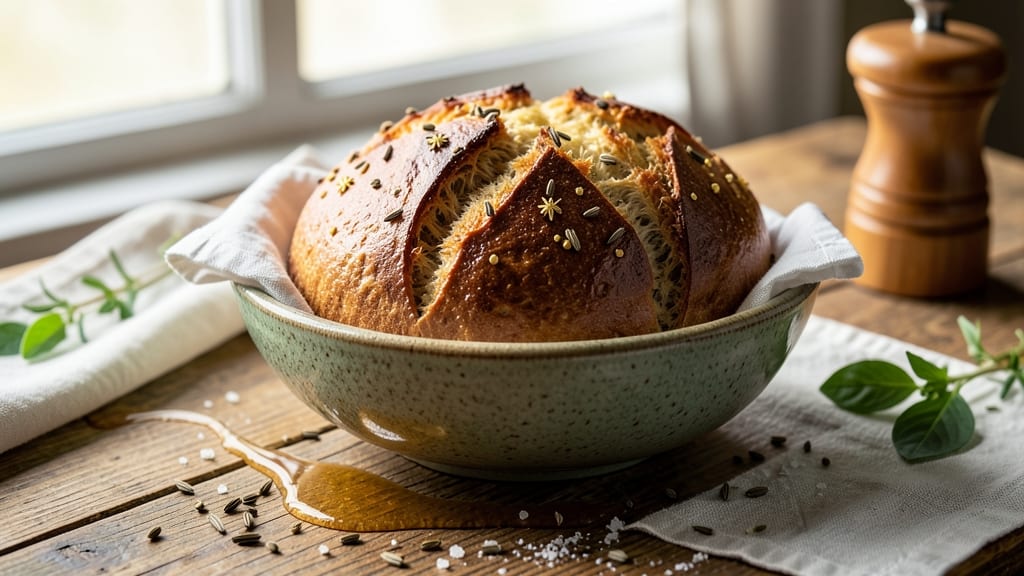
This aniseed bread recipe delivers the perfect balance of fragrant, licorice-kissed crust and pillowy softness inside—ideal for sandwiches or serving alongside soups. 🌟 The secret lies in a precise blend of anise seeds and warm spices that infuse the dough with aromatic depth while maintaining that signature tender crumb.
I've perfected this version after years of baking, ensuring every slice stays fresh and flavorful for days.
The dough comes together with simple ingredients: all-purpose flour, yeast, anise seeds, and a touch of honey for subtle sweetness. What sets this recipe apart is the slow fermentation process, which develops complex flavors and creates that signature soft yet sturdy texture.
The anise seeds are toasted lightly before mixing to enhance their natural aroma, making each bite taste like a warm hug from a bakery in the Mediterranean.
By the time it emerges from the oven, you'll have a loaf with a golden, crackly crust that gives way to a tender, slightly chewy interior. The anise flavor is subtle but unmistakable—like a whisper of licorice that lingers with every bite.
This bread pairs beautifully with sharp cheeses, cured meats, or simply slathered with butter. The best part? It freezes well, so you can bake a batch and enjoy it all week.
Whether you're making it for a special occasion or just craving something comforting, this aniseed bread is a game-changer. The recipe includes tips for achieving the perfect rise and ensuring that signature flavor shines through. Let's get started on creating your own loaf of aromatic perfection.
Ingredients for aniseed bread
Simple pantry staples transform into aromatic aniseed bread with a crisp crust and tender interior.
| Ingredient | Amount | Notes |
|---|---|---|
| All-Purpose Flour 🌾 | 5 cups | Sifted for light texture |
| Active Dry Yeast 🍞 | 2 ¼ tsp | One packet for convenience |
| Anise Seeds 🌿 | 2 tbsp | Toasted lightly for aroma |
| Granulated Sugar 🍬 | 1 tbsp | Enhances yeast activation |
| Honey 🍯 | 2 tbsp | Subtle sweetness and moisture |
| Salt 🧂 | 1 ½ tsp | Diamond Crystal preferred |
| Ground Cinnamon 🌶️ | ½ tsp | Warmth to complement anise |
| Ground Cardamom 🌿 | ¼ tsp | Earthy depth (optional but recommended) |
| Whole Milk 🥛 | 1 cup | Full-fat for richness |
| Large Egg 🥚 | 1 whole | Room temperature for best mixing |
| Unsalted Butter 🧈 | ½ cup | Cold, cubed for easier incorporation |
| Water 💧 | 1 cup | Warm (110°F) for yeast activation |
| Sesame Seeds 🥜 | 1 tbsp | For decorative crust topping |
| Coarse Sea Salt 🧂 | 1 tsp | For final crust sprinkle |
The anise seeds are the heart of this recipe—toast them lightly in a dry pan for 30 seconds before adding to the dough to unlock their full licorice aroma. Penzeys Spices or bulk bins at natural markets have the best quality, but any brand works if they're fresh. For the flour, King Arthur or Gold Medal are my go-tos—they handle the slow fermentation beautifully. The honey should be liquid, not crystallized, and Manuka honey adds an extra depth of flavor if you want to splurge. If you can't find cardamom, skip it entirely—the cinnamon still delivers that warm, comforting spice.
No anise seeds? Fennel seeds at half the amount give a similar licorice note, though it's not identical. Running short on honey? Maple syrup works 1:1, but it has a stronger flavor. The yeast is non-negotiable—never use expired yeast. Test it first by dropping a pinch in warm water with a pinch of sugar; if it bubbles in 5 minutes, it's active. For the milk, any kind works—whole, 2%, or even almond milk in a pinch. The butter should be cold when you add it to the dough—microwave for 10 seconds if it's too hard to cut.
This dough needs patience—let it rise for 2 hours at room temperature, then refrigerate overnight for maximum flavor development. The bread keeps beautifully for 4-5 days wrapped in a clean kitchen towel, or freeze portions for up to 3 months. For reheating, wrap in foil and warm at 350°F for 10 minutes. The sesame seeds add a lovely crunch—toast them in a dry pan first if you want extra flavor punch. Leftovers? Toss them in a toaster or bread machine for fresh-tasting toast every time.
Why You'll Love This Recipe
- No-Knead Magic: I swear by this—mix the dough, let it rise overnight, and wake up to bread that’s practically done for you. The yeast does all the work while you sleep, and honestly? That’s my kind of cooking.
- Licorice-Like Crunch: Between us, anise seeds pack a flavor punch that’s warm, slightly sweet, and unexpectedly addictive. The honey ties it all together—crusty outside, tender inside, with that subtle licorice note that makes every bite feel like a little treat.
- Breakfast to Brunch: This bread isn’t just for toast—it’s my go-to for French toast (dipped in cinnamon), garlic butter slather, or even as a side for soup. (Yes, even on a Tuesday night.) The versatility keeps it fresh in rotation without boring me.
- Budget-Friendly Staple: Five ingredients, zero waste, and it keeps for days. I make a big batch on Sundays, freeze half, and pull it out whenever I need something quick. Cheap, reliable, and always delicious—what’s not to love?
Step-by-step instructions for aniseed bread
Here's how to make bread with that perfect licorice aroma and cloud-soft interior!
👨🍳 Step 1: Activate the Yeast and Mix Wet Ingredients
In a small bowl, whisk together the 1 cup warm water (110°F), 1 tbsp granulated sugar, and 2.25 tsp active dry yeast. Let it sit for 5-10 minutes until frothy—this confirms your yeast is alive and ready to work. If it doesn't bubble, start over with fresh yeast.
In a separate large bowl, combine the 1 cup whole milk, 1 whole large egg, 2 tbsp honey, and 0.5 cup cold cubed unsalted butter. Whisk until the butter is melted and everything is smooth. I like to use a hand mixer for this step—it creates a silky base for the dough.
🍳 Step 2: Combine Dry Ingredients and Form the Dough
In the bowl with your wet ingredients, add the 5 cups sifted all-purpose flour, 1.5 tsp salt, 0.5 tsp ground cinnamon, 0.25 tsp ground cardamom, and 2 tbsp toasted anise seeds. Mix on low speed until just combined—you'll see flour streaks, and that's perfect. Overmixing develops gluten too early.
Gradually add the yeast mixture from Step 1 while mixing on low. The dough will start looking shaggy, but don't panic—this is normal. Once fully incorporated, turn out the dough onto a lightly floured surface and knead for 8-10 minutes until smooth and elastic. You'll know it's ready when it springs back slowly when poked.
⏰ Step 3: First Rise and Shaping
Lightly grease a large bowl with oil, place the dough inside, and cover with a damp towel. Let it rise in a warm spot for 1-1.5 hours or until doubled in size. I like to place my oven light on for 5 minutes to create a warm environment—this speeds up the rise without overproofing.
Once risen, punch down the dough to release air, then divide it into 8 equal pieces. Roll each piece into a smooth ball, cover with the damp towel, and let rest for 15 minutes. This short rest prevents the dough from springing back when shaping. Shape each ball into an oval loaf about 8 inches long—this gives you that beautiful rustic look.
🔥 Step 4: Second Rise and Baking
Line two baking sheets with parchment paper and place the shaped loaves on them, spacing them 2 inches apart. Cover loosely with the towel and let rise again for 30-45 minutes until puffy. The dough should spring back slowly when gently pressed—this is your signal it's ready for the oven.
Preheat your oven to 375°F. Just before baking, brush the tops of the loaves with water and sprinkle generously with 1 tbsp sesame seeds and 1 tsp coarse sea salt. Bake for 25-30 minutes until golden brown and hollow-sounding when tapped on the bottom. Here's the thing—don't open the oven during baking. The steam is crucial for that soft interior.
🍞 Step 5: Cool and Enjoy
Remove the loaves from the oven and let them cool on a wire rack for at least 30 minutes. I know it's tempting to slice into that warm bread immediately, but patience here is key—it prevents a gummy texture. The bread will continue to develop its flavors as it cools.
Once cooled, slice the bread into ½-inch thick pieces. The aroma should be intoxicating—licorice-like from the anise seeds with warm cinnamon undertones. Serve warm with butter or jam, or toast lightly for the ultimate experience. This bread keeps well at room temperature for 2-3 days or can be frozen for up to 3 months for freshness anytime.
Pro Tips For Making Aniseed Bread
- TOAST YOUR ANISE SEEDS: I learned this the hard way—raw anise seeds taste bitter and release their flavor unevenly. Lightly toast them in a dry pan for 30 seconds until fragrant, then grind them fresh. This makes a real difference in aroma and prevents that harsh aftertaste.
- USE HONEY LAST: Add the honey and sugar after the yeast has proofed—mixing it in too early can kill the yeast before it gets to work. Sprinkle it over the dough just before shaping, letting it caramelize slightly during baking for extra depth.
- DON’T SKIP THE DOUGH REST: I was skeptical until I tried it: let the dough rise twice—first until doubled, then after shaping, for at least 30 minutes. This isn’t the prettiest method, but it’s the tastiest, giving you that perfect airy crumb and preventing a dense, gummy texture.
- CHILL THE SHAPED LOAF: After shaping, pop the bread in the fridge for 20 minutes before baking. Sounds weird, but it works: the dough firms up just enough to hold its shape, and the crust turns golden faster without burning. (Your future self will thank you.)
Flavor customization for this aniseed bread
Sweet & Spiced Twist
Boost the flavor profile by adding 1 tsp orange zest to the dough for a bright citrus note that pairs beautifully with the anise. I like to use Navel orange for its sweetness.
For extra warmth, increase the cinnamon to 1 tsp and add ½ tsp ground cloves—this creates a Middle Eastern-inspired variation that feels like a cozy hug. 🌶️
Nutty Crunch Addition
For texture contrast, fold ¼ cup chopped walnuts or almonds into the dough after the first rise. Toast them lightly in a dry pan for 3-4 minutes until fragrant—this enhances their flavor.
The nuts add a satisfying crunch that balances the bread's softness. I recommend using skin-on almonds for extra richness.
Savory Herb Variation
Transform this into a savory loaf by reducing the honey to 1 tbsp and adding 2 tbsp fresh rosemary (finely chopped) and 1 tbsp fresh thyme leaves.
The herbs complement the anise beautifully, creating a bread perfect for charcuterie boards. For extra depth, sprinkle 1 tsp smoked paprika on top before baking.
Dairy-Free Adaptation
Make this vegan-friendly by replacing the milk with 1 cup unsweetened almond milk and the egg with 1 flax egg (1 tbsp ground flaxseed + 3 tbsp water).
Use vegan butter for the fat content. The texture remains tender, though slightly denser. For extra richness, add 1 tbsp coconut oil to the wet ingredients.
Extra-Seed Boost
For a more intense anise flavor, increase the anise seeds to 3 tbsp and add 1 tbsp fennel seeds (toasted). The combination creates a complex, licorice-forward taste that's perfect for those who love bold flavors.
Toast the seeds together in a dry pan for 1 minute before adding to the dough to maximize their aroma. 🌿
Gluten-Free Option
Use a 1:1 gluten-free flour blend (like Bob's Red Mill) and add ½ cup vital wheat gluten to improve texture. Reduce the water by ¼ cup since gluten-free flours absorb differently.
The bread will be denser but still delicious. For extra moisture, add 1 tbsp applesauce to the dough during mixing.
Nutrition facts
Frequently asked questions
Why does my aniseed bread taste bitter?
Over-toasted anise seeds or using too much can create bitterness. Toast seeds for only 30 seconds in a dry pan and use exactly 2 tbsp as called for. Also, check your honey—some darker varieties have stronger flavors that may clash with the anise.
Can I make this bread without a stand mixer?
Mix wet ingredients by hand, then use a wooden spoon to combine dry ingredients. For kneading, work the dough on a floured surface for 10-12 minutes until smooth. The extra effort develops gluten naturally—just be patient and keep your surface well-floured to prevent sticking.
How do I store aniseed bread to keep it fresh?
Wrap cooled loaves tightly in a clean kitchen towel or beeswax wrap, then place in a paper bag at room temperature. This method keeps bread fresh for 4-5 days. For longer storage, freeze portions wrapped in plastic for up to 3 months. To reheat, wrap in foil and warm at 350°F for 10 minutes.
What's the difference between anise and fennel seeds?
Anise seeds have a stronger licorice flavor with a slightly sweet, floral note, while fennel seeds taste more herbal and slightly bitter. For this recipe, stick with anise seeds—they're the star! If substituting, use half the amount of fennel seeds and toast them longer (1 minute) to mellow their bitterness.
Can I make this bread in a Dutch oven?
Yes! Shape the dough into a single large round loaf and bake in a preheated 425°F Dutch oven for 35-40 minutes. The enclosed environment creates steam for an ultra-crisp crust. Brush the top with water before baking and sprinkle with sesame seeds and salt as directed. For best results, preheat the Dutch oven with the lid on for 30 minutes.