
Side Dishes
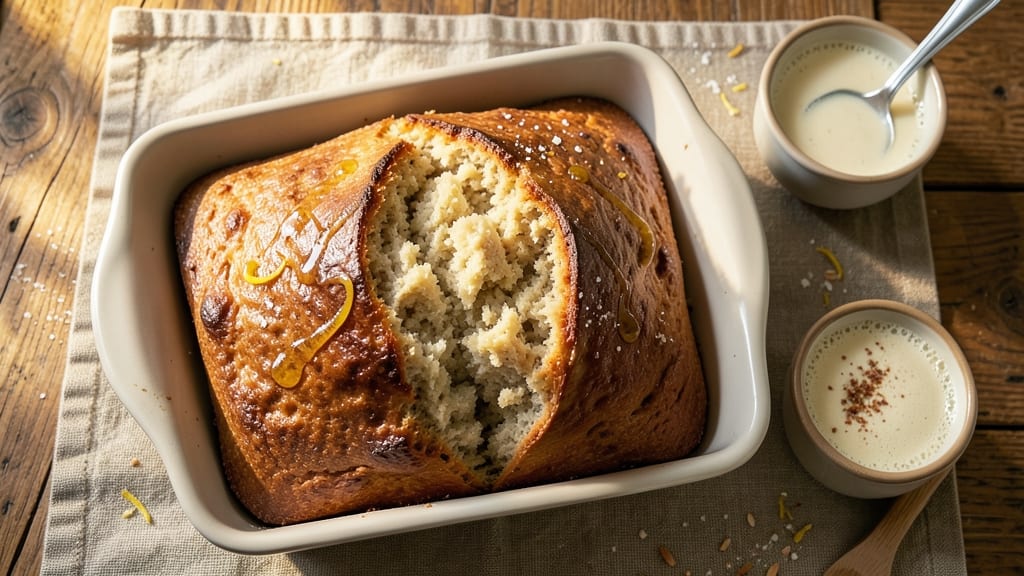
This gluten-free almond flour bread machine recipe delivers a surprisingly sturdy loaf with nutty depth and perfect moisture—no crumbly texture here. The secret lies in blending almond flour's natural oils with flaxseed binder and almond milk for hydration, creating a bread that's both hearty and delicate.
I've perfected this over multiple batches to ensure it rises properly in your bread machine without collapsing, a common gluten-free pitfall.
The beauty of this recipe is its simplicity: just six key ingredients transform into a loaf that's rich, slightly sweet, and packed with almond flavor in every slice. Unlike traditional gluten-free breads, this version holds together beautifully while maintaining a tender crumb—no gummy aftertaste here.
The bread machine does all the work, including the kneading and proofing, making it ideal for busy weeknights.
What you'll end up with is a golden-brown loaf with a crisp crust and moist interior that stays fresh for days. The nutty aroma fills your kitchen, and each slice offers satisfying density without being heavy.
Perfect for toast, sandwiches, or enjoying plain with butter, this bread proves gluten-free baking doesn't mean sacrificing texture or flavor.
This recipe works equally well in any standard bread machine, and I've included troubleshooting tips for common issues like overproofing or dense results. Let's get started on your first perfect gluten-free loaf!
Ingredients for almond flour bread machine recipe gluten free
Six simple ingredients transform into a golden loaf with nutty crunch and perfect moisture—no crumbly texture here.
| Ingredient | Amount | Notes |
|---|---|---|
| Almond Flour 🌰 | 3 cups | Finely ground, unsweetened |
| Flaxseed Meal 🌾 | ¼ cup | Ground flaxseed, fresh is best |
| Almond Milk 🥛 | 1 ¼ cups | Unsweetened, room temperature |
| Coconut Oil 🥥 | ½ cup | Melted, not solid |
| Granulated Sugar 🍚 | ¼ cup | Or coconut sugar for refined-free |
| Baking Powder 🍞 | 2 tsp | Metal-free for gluten-free |
| Salt 🧂 | ½ tsp | Fine sea salt preferred |
| Apple Cider Vinegar 🍎 | 1 tbsp | Activates baking powder |
| Vanilla Extract 🌿 | 1 tsp | Pure, no alcohol needed |
| Water 💧 | ¼ cup | Room temperature |
| Sunflower Seeds 🌻 | ¼ cup | Optional for extra crunch |
Almond flour is the star here—Bob's Red Mill or Anthony's Goods are my go-tos for consistency. The finer the grind, the better the texture. If your almond flour looks coarse, pulse it in a food processor for 30 seconds. Costco sells it in bulk, which saves money for frequent bakers. For the flaxseed meal, Barlean's is my favorite brand—it's finely ground and stays fresh longer. Store both in airtight containers in a cool, dark place to preserve their freshness. The almond milk should be unsweetened to avoid altering the bread's delicate sweetness.
No almond flour? Cashew flour works in a pinch, but the flavor will differ slightly. Running short on flaxseed? Chia seeds ground to a powder at a 1:1 ratio will work, though flaxseed has a better binding quality. Substitute coconut oil with vegan butter melted, but reduce to 0.4 cup since it's denser. The apple cider vinegar is crucial—it activates the baking powder for proper rise. If you're avoiding vinegar, lemon juice works at the same amount. For extra richness, add 1 tbsp tahini to the dough. The sunflower seeds are totally optional but add a lovely crunch—skip them if you prefer a smoother texture.
This dough is best mixed right before starting your bread machine cycle—no need to prep ahead. Once baked, let the loaf cool completely on a wire rack for at least 1 hour before slicing (trust me, this prevents gummy bread!). Store wrapped in a clean kitchen towel in an airtight container for 3-4 days at room temperature. For longer storage, slice and freeze individual portions for up to 3 months. To revive, toast slices in a toaster or warm in a dry skillet for 1-2 minutes per side. The crust gets crisper as it sits, so this bread actually improves overnight.
Why You'll Love This Recipe
- No Fuss, No Stress: I just toss in the almond flour, flaxseed meal (that’s the secret binder—no weird gums or weirdness), and let the machine do all the kneading. The almond milk keeps it light, and the coconut oil? Melts right in without extra fuss. Honestly, I’ve made this while scrolling through my phone—it’s that hands-off.
- Rich Without the Guilt: That first bite? Warm, buttery, and subtly sweet from the sugar, but the almond flour gives it a nutty depth you’d never guess was gluten-free. The flaxseed adds a little earthiness that balances the richness, and the coconut oil leaves it moist for days—not dry, not crumbly. It’s the kind of bread that makes you forget you’re eating “healthy.”
- Weeknight Hero: Slice it for toast in the morning, pack it for lunch, or serve it with soup when the kids get home. Between us, I’ve even used it as a base for French toast—just dip, fry, and watch it soak up syrup like a dream. It’s my go-to for when I need something reliable that doesn’t scream “diet food.”
- Leftover Goldmine: This bread stays fresh for days (I’m talking 5+ in the fridge, wrapped tight), and it reheats in seconds. Freeze slices for quick toast later, or stash it in the freezer for when you’re too tired to bake. And here’s the kicker: the cost adds up fast, but a single batch feeds my family for a week—no wasted loaves, no sad crumbs.
Step-by-step instructions for gluten-free almond flour bread machine loaf
This method transforms simple ingredients into a wonderfully moist, nutty loaf that rivals traditional bread.
Mix Wet Ingredients for Perfect Texture
In a medium bowl, combine the 1.25 cups almond milk, 0.5 cup melted coconut oil, 0.25 cup granulated sugar, 1 tbsp apple cider vinegar, 1 tsp vanilla extract, and 0.25 cup water. Whisk vigorously until fully blended. The vinegar will react with the baking powder later, so don't skip this step—it's what makes this bread rise properly.
This mixture forms the foundation of your bread's moisture. The coconut oil keeps it tender, while the sugar adds subtle sweetness. Let the mixture sit for 5 minutes at room temperature—this allows the vinegar to fully activate and creates a smoother batter.
Combine Dry Ingredients for Even Distribution
In a separate large bowl, sift together the 3 cups almond flour, 0.25 cup flaxseed meal, 2 tsp baking powder, and 0.5 tsp salt. Use a whisk to break up any lumps in the almond flour—this ensures your bread will have an even, fine crumb rather than dense pockets. The flaxseed meal acts as our gluten substitute, providing structure and binding.
I like to press the mixture through a fine-mesh sieve directly into the bread machine pan. This creates a more uniform texture and prevents heavy spots. If you don't have a sieve, just whisk vigorously in the bowl—just be prepared for slightly more variation in texture.
Create the Batter and Add Sunflower Seeds
Pour the wet ingredients into the dry ingredients and stir with a rubber spatula until just combined. You'll notice the batter is thick and slightly sticky—this is perfect for almond flour bread. Don't overmix or you'll develop gluten-like properties that make the bread gummy.
Gently fold in the 0.25 cup sunflower seeds using your fingers. Distribute them evenly throughout the batter. These seeds add texture contrast and a nice crunch to each bite. If you prefer a seed-free loaf, simply omit this step—your bread will still be delicious.
Load the Bread Machine and Set Parameters
Transfer the batter to your bread machine pan, scraping out any batter that clings to the bowl. The pan should be filled to about ⅔ full—this gives your bread room to rise properly. Sprinkle a few extra sunflower seeds on top for presentation if desired.
Set your bread machine to the "Basic White Bread" cycle (most machines have this setting). For best results, use the 2-pound setting if available. The machine will automatically mix, knead, rise, and bake your loaf. The entire process should take about 3 to 3.5 hours—don't be tempted to peek or open the lid during this time.
Cool and Slice for Maximum Moisture
Once the bread machine completes its cycle, remove the loaf immediately and place it on a wire rack. Let it cool completely for at least 1 hour—this is crucial. Almond flour bread continues to set as it cools, and slicing too soon will result in a gummy texture.
When fully cooled, slice with a sharp serrated knife. You'll notice the interior has a wonderfully dense, moist crumb with pockets of air. Serve warm for the best experience, or store wrapped at room temperature for up to 3 days. This bread freezes beautifully—slice before freezing for perfect portions later.
Pro Tips For Making Almond Flour Bread Machine Recipe Gluten Free
- Mix the Flaxseed First: Whisk the flaxseed meal with almond milk before adding anything else—let it sit for 5 minutes to thicken. I learned this the hard way: skipping this step means your dough will be too loose, and the bread turns out dense instead of light. Trust the science here, even if it feels like waiting too long.
- Use Cold Coconut Oil: Scoop the coconut oil straight from the fridge and measure it solid—about ¼ cup packed. Melted oil can make the dough greasy and heavy, and your bread will lack that tender crumb you’re after. (Yes, even if you’re impatient like me.)
- Skip the Overmixing: Dump everything in the bread machine pan, give it one quick stir with a spatula, then stop. Overworking almond flour releases too much gluten-like gums, and your loaf will turn out gummy. Think "just enough to combine," not "thoroughly blended."
- Proof the Dough Longer: Most machines say 3–4 hours, but almond flour needs at least 4 hours—sometimes 5. The dough rises slower, and rushing it means a flat, sad loaf. Set a timer and walk away; your bread will thank you. (And so will your patience.)
Storing and reheating this recipe
Room Temperature Storage
Wrap your cooled loaf tightly in a clean kitchen towel first—this prevents drying out better than plastic alone. Then place in an airtight container with a slice of apple or lemon to maintain freshness. Store at room temperature for up to 3-4 days.
The crust will develop a lovely crispness over time, while the interior stays moist. I always keep a loaf on my counter for quick toast—just slice and pop in the toaster for 1-2 minutes until golden. 🥖
Fridge Preservation
If you prefer longer storage, transfer the wrapped loaf to the fridge where it stays fresh for 5-6 days. The cold slows moisture loss, but the texture becomes slightly denser. To revive, remove from the fridge 30 minutes before serving.
For quick reheating, wrap a slice in foil and warm in a 350°F oven for 5 minutes—this restores that fresh-baked aroma. 🍞
Freezer-Friendly Slices
Slice the bread before freezing for perfect portions. Wrap each slice individually in plastic wrap, then place in a freezer bag with all air removed. Label with the date—these stay fresh for 3 months.
To use, toast directly from frozen in a toaster or warm in a dry skillet over medium heat for 1-2 minutes per side. The seeds stay crisp, and the interior remains tender. This is my go-to method for meal prep! ❄️
Reviving Stale Bread
Even "stale" almond flour bread can be revived! Place the entire loaf in a paper bag and microwave on high for 20 seconds. The steam from the bag rehydrates the crumb instantly.
For extra crispiness, brush with melted coconut oil and toast in a toaster oven at 375°F for 3-4 minutes. This works especially well for sandwich bread—just add your fillings after warming. 🔥
Seed Storage Tips
The sunflower seeds in your bread stay fresh longer if stored properly. Keep the unbaked batter in the fridge for up to 24 hours before baking—this preserves the seeds' crunch. For baked loaves, store the seeds separately in an airtight container if you prefer always-fresh crunch.
If your bread loses crunch after freezing, sprinkle with extra seeds before serving or toast briefly to revive them. 🌻
Equipment Essentials
You don't need fancy tools—just a sharp serrated knife for slicing and a wire rack for cooling. For extra convenience, invest in silicone bread bags that double as storage and reheating containers.
Place the wrapped loaf in the bag, microwave for 10 seconds, then massage the bag to distribute warmth evenly. This method keeps the crust intact while warming through. 💡
Nutrition facts
Frequently asked questions
Can I substitute almond flour with another gluten-free flour?
While almond flour gives the best texture and flavor, you can try cashew flour (1:1 ratio) for a similar fat content. For a lighter texture, blend ½ cup almond flour with ½ cup tapioca starch or arrowroot powder, but expect less nutty flavor. Avoid all-purpose gluten-free blends—they lack the fat needed for moisture and can make the bread dense or crumbly.
Why did my bread turn out dense instead of light? Dense results usually come from overmixing the batter (which creates gluten-like properties) or underproofing.
How do I make this bread egg-free and dairy-free?
This recipe is already fully plant-based! The flaxseed meal replaces eggs as a binder, while almond milk and coconut oil eliminate dairy. For extra richness, add 1 tbsp tahini to the wet ingredients. The apple cider vinegar activates the baking powder without needing eggs, and vanilla extract provides flavor without dairy. Perfect for vegan diets!
Can I add mix-ins like chocolate chips or dried fruit?
Yes, but keep portions small—¼ cup maximum of mix-ins. Fold in chocolate chips or chopped dried fruit (like raisins or cranberries) after combining wet and dry ingredients. Avoid adding too much or the bread may not rise properly. For best results, use vegan chocolate chips and soak dried fruit in warm almond milk for 10 minutes before adding.
What's the best way to tell when this bread is fully baked?
Look for three key signs: the internal temperature should reach 190-200°F, the crust should be golden brown, and it should pull away slightly from the sides of the pan. Tap the top—the sound should be hollow, not dull. Let it cool for 1 hour before slicing, even if it looks done. The bread continues setting as it cools, so patience prevents gummy slices!