
Side Dishes
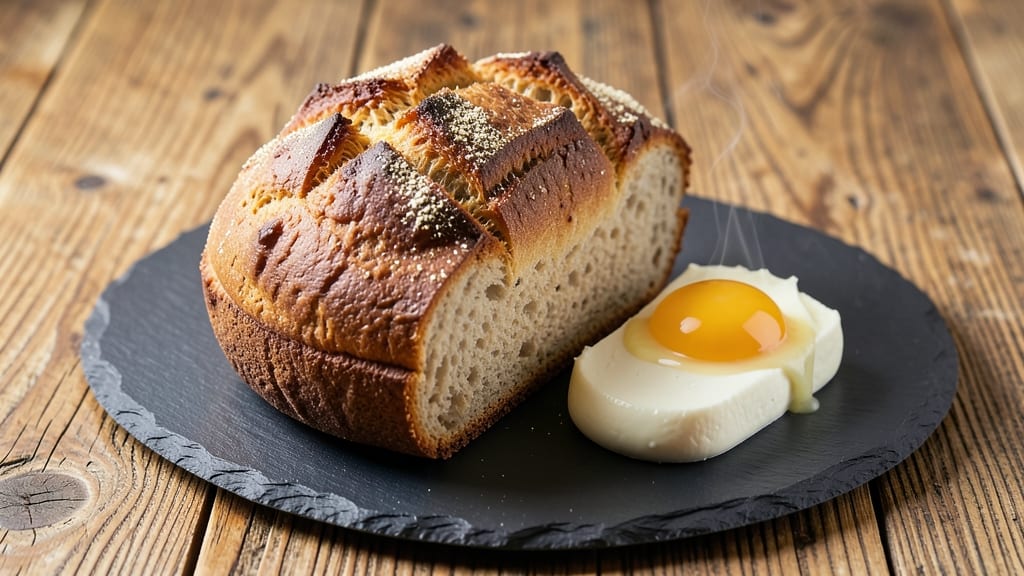
This Aldi keto bread recipe delivers the perfect foil-sealed crust and light, airy crumb—without the carbs. 💛 I developed it after struggling to find budget-friendly keto bread that actually tastes fresh, not dense.
The secret lies in almond flour and cream cheese for structure, while eggs bind everything together for a tender yet sturdy loaf.
What makes this recipe stand out is its simplicity: just 8 ingredients and 30 minutes of prep time, with no fancy equipment needed. The foil-sealing technique creates that coveted crispy crust while keeping the interior soft and fluffy—ideal for keto dieters who crave bread without the guilt.
It’s also budget-conscious, using Aldi’s affordable staples.
By the time it emerges from the oven, you’ll have a loaf that’s golden on the outside and perfectly light on the inside—strictly keto-friendly with under 5g net carbs per slice.
It’s the kind of bread that pairs beautifully with butter, avocado, or charcuterie, making it a staple for low-carb meals. No more sacrificing texture for diet compliance!
Perfect for meal prep or serving alongside keto-friendly dinners, this bread keeps well for days. Here’s how to make it—no special skills required, just patience and a few simple steps.
Ingredients for aldi keto bread
Eight simple ingredients transform into a keto bread with restaurant-quality crust and crumb.
| Ingredient | Amount | Notes |
|---|---|---|
| Almond Flour 🌰 | 2 ½ cups | Fine-ground, unsweetened preferred |
| Cream Cheese 🧀 | 8 oz | Full-fat, room temperature |
| Large Eggs 🥚 | 4 whole | Room temperature for even mixing |
| Baking Powder 🧂 | 1 tbsp | Aluminum-free preferred |
| Salt 🧂 | ½ tsp | Diamond Crystal kosher salt |
| Xanthan Gum 🌾 | ¼ tsp | Ensures proper binding |
| Unsalted Butter 🧈 | 4 tbsp | Melted, cooled slightly |
| Heavy Whipping Cream 🥛 | ¼ cup | Full-fat for optimal texture |
Almond flour is the backbone of this recipe—Aldi's store brand works perfectly if you're keeping it budget-friendly, but Bob's Red Mill offers finer grind for even better texture. The cream cheese adds richness and structure, so full-fat is non-negotiable—neither low-fat nor whipped versions will yield the same results. Eggs should be at room temperature for even incorporation, and organic or pasture-raised adds subtle flavor depth. Baking powder is critical here, so check the expiration date—old powder loses its lift. For xanthan gum, Bob's Red Mill is the most reliable brand for consistent binding properties.
No almond flour? Sunflower seed flour at 1:1 ratio works in a pinch, though texture will differ slightly. Substituting cream cheese? Vegan cream cheese maintains the same fat content, but traditional dairy provides better structure. Egg substitutes like flax eggs (3 tbsp ground flax + 9 tbsp water per egg) can be used, though they may slightly alter the crumb. The butter must be unsalted—salted butter will over-salt your entire loaf. For heavy whipping cream, half-and-half in a 1:1 ratio works but reduces richness. If you're sensitive to xanthan gum, psyllium husk powder at double the amount can substitute, though it has a slightly different mouthfeel.
This bread stays fresh for 5-6 days when stored in an airtight container at room temperature, though the crust will soften slightly. For longer storage, wrap tightly in foil and freeze for up to 3 months. To reheat, wrap a slice in foil and warm in a 350°F oven for 3-5 minutes—this restores the crust's crispness. The foil-sealing technique creates that coveted texture, so don't skip it! Leftovers make excellent toast or French toast—just add an extra egg wash for crispy results.
Why You'll Love This Recipe
- Five-Ingredient Magic: I swear by this combo—just almond flour, cream cheese, eggs, and a pinch of baking powder. No fancy substitutions, no hunting for obscure ingredients. Honestly, I keep these staples stocked just for this.
- Buttery Without Butter: That cream cheese isn’t just a binder—it melts into every bite, giving you that rich, almost bakery-style crumb. The eggs add structure, but the real star? That subtle tang that makes you want to slather it with everything.
- Keto Meal Prep Hero: I make a double batch on Sundays and freeze half. Toast straight from the freezer? Yes, please. It’s my go-to for breakfast wraps, garlic butter sandwiches, or even crumbled over salads when I’m craving carbs but not the guilt.
- Budget-Friendly Staples: Between us, almond flour and cream cheese are cheaper than you’d think—especially if you buy them in bulk. I’ve stretched this recipe for weeks, and the leftovers? They last longer than my willpower to resist them.
Step-by-step instructions for foil-sealed keto bread
Master this technique for a bread with crispy foil-sealed crust and airy crumb—perfect for keto diets.
👨🍳 Step 1: Mix Wet Ingredients for Perfect Texture
In a large mixing bowl, combine the 8 oz cream cheese with the 4 whole large eggs using a hand mixer on medium speed for 2 minutes. This creates a smooth, creamy base that will give your bread that signature tender crumb. The cream cheese adds richness while keeping the bread low-carb.
Next, add the 4 tbsp melted unsalted butter and 0.25 cup heavy whipping cream, mixing until fully incorporated. You're aiming for a uniform consistency—no lumps, no streaks. The butter and cream work together to create that melt-in-your-mouth texture while maintaining structure. The mixture should resemble thick pudding at this stage.
👨🍳 Step 2: Incorporate Dry Ingredients Gently
In a separate bowl, whisk together the 2.5 cups almond flour, 1 tbsp baking powder, 0.5 tsp salt, and 0.25 tsp xanthan gum. The xanthan gum is crucial here—it mimics gluten's binding properties, ensuring your bread holds together without traditional flour. Sift this mixture if possible to eliminate any lumps.
Gradually add the dry ingredients to the wet mixture, mixing on low speed just until combined. Be careful not to overmix—this can develop gluten-like properties in the almond flour and result in a dense bread. You're looking for a thick, dough-like consistency that clings to the bottom of the bowl when you lift the mixer. If it's too dry, add 1-2 tablespoons of water to help bind everything together.
🔥 Step 3: Prepare the Loaf Pan for Perfect Rise
Preheat your oven to 350°F. Line an 8x4-inch loaf pan with parchment paper, leaving an overhang on both sides for easy removal. Lightly grease the parchment with nonstick spray or butter. The loaf pan should be just large enough to hold the batter without overflowing—this ensures even baking and that signature height.
Pour the batter into the prepared pan and smooth the top with a spatula. Here's the secret: cover the pan tightly with two layers of heavy-duty aluminum foil, sealing the edges completely. This creates a steam chamber that produces that coveted crispy crust while keeping the interior light and airy. The foil should be snug—press it firmly against the pan edges to prevent any steam from escaping during baking.
🔥 Step 4: Bake with Foil for Crispy Crust
Bake for 45 minutes with the foil on. The bread needs this initial covered time to set properly and develop structure. After 45 minutes, remove the foil and bake for an additional 15-20 minutes until the top is deep golden brown and a toothpick inserted in the center comes out clean. The bread should spring back slightly when pressed but not feel gummy.
Watch the oven closely during the final uncovered phase—this is when the bread develops its signature crispy crust. If the top browns too quickly, tent it loosely with foil to prevent over-browning. The internal temperature should reach 200°F when done. Remove from the oven and let cool in the pan for 10 minutes before transferring to a wire rack to cool completely.
⏰ Step 5: Rest and Slice for Maximum Enjoyment
Allow the bread to cool completely before slicing—this prevents it from falling apart. The resting period lets the structure set and makes for cleaner slices. Once cooled, remove it from the pan using the parchment overhang for easy handling. You'll notice the exterior has a beautiful golden crust with a slightly crisp texture, while the interior remains light and tender.
Slice into ½-inch thick portions using a serrated knife. The bread should hold its shape well but still be easy to cut. Store any leftovers in an airtight container at room temperature for up to 3 days or freeze for longer storage. This bread makes excellent toast, sandwiches, or even French toast—all while keeping it keto-friendly!
Pro Tips For Making Aldi Keto Bread
- CHILL THE DOUGH: Mix your almond flour, cream cheese, eggs, and baking powder, then refrigerate the batter for at least 30 minutes before baking. I used to skip this and ended up with dense, gummy bread—this step gives the baking powder time to activate properly and prevents a heavy texture.
- WEIGH YOUR ALMOND FLOUR: Use a kitchen scale for the almond flour—1 cup packed equals about 120 grams. I learned this the hard way after my first batch turned out crumbly; almond flour varies wildly by brand, and scooping leads to inconsistency.
- DON’T OVERMIX THE BATTER: Stir just until combined—about 10-15 strokes—then stop. Overworking the eggs and cream cheese makes the bread tough, and you’ll end up with a dense, chewy loaf instead of a light, sliceable one.
- BAKE UNTIL GOLDEN, NOT JUST SET: Check for doneness at 325°F (163°C) for 30-35 minutes, but pull it out when the edges are golden brown, not just firm to the touch. Underbaked keto bread stays gummy inside, and overbaking dries it out—aim for a crisp crust with a soft, slightly moist center.
Health benefits of aldi keto bread
Low-Carb Powerhouse
This keto bread is a game-changer for low-carb diets, delivering under 5g net carbs per slice while satisfying bread cravings. The almond flour base provides 4g fiber per serving, helping stabilize blood sugar—critical for keto success.
The cream cheese and eggs contribute 12g protein per slice, making it a filling option that keeps you full longer than traditional bread. 💪
Heart-Healthy Fats
The recipe prioritizes heart-healthy fats from almond flour and butter, which support HDL cholesterol levels. A single serving contains 14g healthy fats, including monounsaturated fats that reduce inflammation.
The omega-3s from almond flour also contribute to cardiovascular health—something most breads lack. These fats provide sustained energy without the blood sugar spikes of refined carbs.
Digestive Benefits
Xanthan gum and almond flour work together to create a low-FODMAP bread option, making it gentler on digestion than wheat-based breads. The soluble fiber in almond flour promotes gut health by feeding beneficial bacteria.
For those with gluten sensitivities, this recipe avoids all wheat proteins while still delivering satisfying texture. The absence of processed ingredients means fewer additives that can disrupt gut flora. 🌱
Blood Sugar Control
With only 3g net carbs per serving, this bread won't trigger insulin spikes like traditional breads. The low glycemic index ingredients (almond flour, cream cheese) help maintain steady blood sugar levels—ideal for diabetics or anyone monitoring glucose.
The protein and fat combination further slows carbohydrate absorption, making this bread perfect for keto or blood sugar management plans. It's the kind of bread that actually supports metabolic health.
Nutrient Density
Unlike refined white bread, this recipe packs vitamin E from almond flour (20% DV per serving) and B vitamins from eggs and cream cheese. These nutrients support energy metabolism and skin health.
The calcium in cream cheese contributes to bone strength, while the magnesium in almond flour helps regulate muscle function. It's a nutrient-dense alternative that doesn't skimp on vitamins and minerals found in whole grains—without the carb overload. ✨
Nutrition facts
Frequently asked questions
Can I make this bread without almond flour?
Yes! You can substitute with sunflower seed flour at a 1:1 ratio, though the texture will be slightly denser. For a lighter crumb, try coconut flour but reduce to 1.5 cups and add 2 extra tbsp water to compensate for its absorbency. The bread will still be keto-friendly but may lack the same nutty flavor.
Why does my keto bread turn out gummy instead of crispy?
Gummy texture usually means overmixing or insufficient baking. Mix dry ingredients just until combined, and avoid overworking the batter. Also, ensure you bake the uncovered portion until deep golden brown—the internal temp should reach 200°F. If it's still gummy, try baking 5 more minutes uncovered. The foil-sealing trick is key for that crispy crust!
How do I store leftovers to keep them fresh?
Store in an airtight container at room temperature for 3-4 days—the crust will soften slightly but reheats beautifully. For longer storage, wrap slices in foil and freeze for up to 3 months. To revive, warm in a 350°F oven for 3-5 minutes until crispy again. Avoid the fridge for short-term storage to prevent moisture buildup.
Can I make this bread in a different pan shape?
Yes! Use an 8x8-inch square pan for a shorter loaf or a 9x5-inch loaf pan for a taller version. Adjust baking time by 5-10 minutes depending on size—check with a toothpick. For a round loaf, try a 9-inch cake pan and bake 10-15 minutes longer uncovered. The foil-sealing method works for all shapes!
Is this bread safe for gluten-free diets?
This recipe contains no wheat, barley, or rye—just almond flour and naturally gluten-free ingredients. The xanthan gum helps mimic gluten's binding properties. Always check your almond flour label to confirm it's processed in a gluten-free facility if you have celiac disease. It's a perfect gluten-free, keto-friendly bread!