
Side Dishes
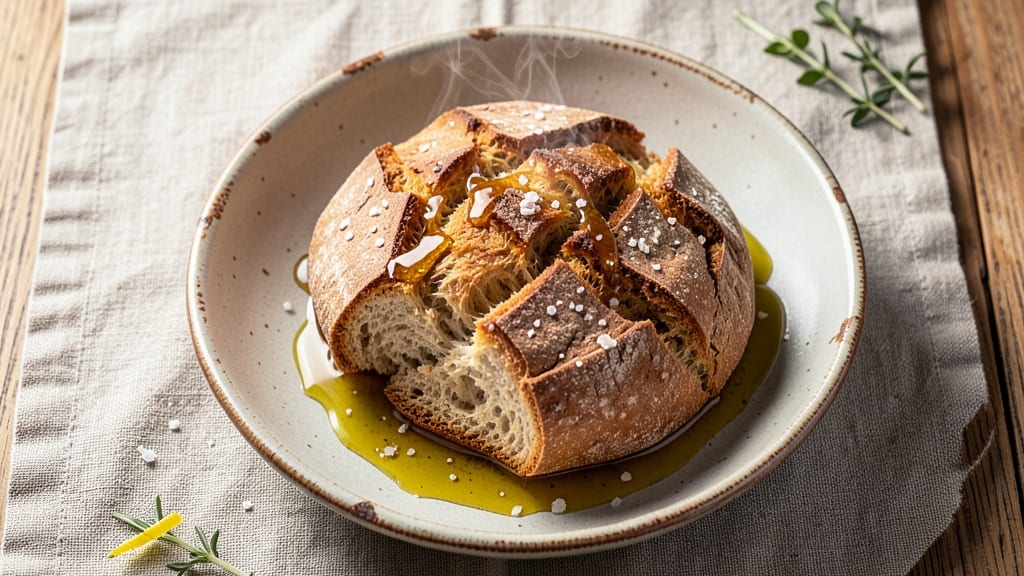
Adam Ragusea's bread recipe brings the heart of Maltese tradition to your kitchen with its distinctive foil-sealed crust and fragrant walnut-honey swirls. This iconic loaf, named after its creator, combines simple ingredients—flour, yeast, water, salt, and olive oil—with a technique that yields a crispy exterior and tender crumb.
The walnut-honey swirl adds a touch of sweetness and texture that makes every slice unforgettable.
The secret to this bread lies in its baking method: sealing the dough in foil during the first part of baking creates steam, ensuring a perfectly even rise and that signature crispy crust.
Maltese households have cherished this recipe for generations, often serving it warm with olive oil or garlic butter for dipping. The dough requires just a few minutes of prep, but the baking process demands patience—about 45 minutes at 375°F—for that golden, crackling exterior.
What sets this bread apart is its balance of rustic simplicity and refined technique. The walnuts add a satisfying crunch, while the honey swirls lend just enough sweetness to complement the bread's natural flavor. This recipe isn't just about making a loaf—it's about preserving a piece of Maltese culinary heritage.
Whether you're baking for a family gathering or treating yourself to homemade bread, the result is always worth the effort.
The beauty of this recipe is its versatility. While traditional, it adapts well to modern kitchens with minimal adjustments—like adding herbs or a pinch of sea salt to the dough.
Serve it fresh from the oven, drizzled with olive oil, or pair it with soups and stews for a meal that feels both comforting and special. Let's bring this Maltese classic to life in your kitchen.
Ingredients for adam ragusea bread
Simple Maltese staples create this iconic bread with crispy foil-sealed crust and nutty-sweet swirls.
| Ingredient | Amount | Notes |
|---|---|---|
| All-Purpose Flour 🌾 | 5 cups | Plus 1 cup for dusting |
| Active Dry Yeast 🍞 | ¼ oz | 1 packet or 2 1/4 tsp |
| Extra-Virgin Olive Oil 🫒 | ½ cup | High-quality Maltese preferred |
| Warm Water 💧 | 1 ¼ cups | 110°F for yeast activation |
| Fine Sea Salt 🧂 | 1 ½ tsp | Diamond Crystal preferred |
| Honey 🍯 | ¼ cup | Local Maltese honey ideal |
| Walnuts 🥜 | 1 cup | Chopped, toasted for richness |
| Aluminum Foil 📄 | 1 sheet | Heavy-duty, 12x16 inches |
| Cornmeal 🌽 | ½ cup | For dusting baking sheet |
The flour is the foundation—look for King Arthur or Caputo Tipo 00 if you're feeling traditional, but all-purpose works beautifully. Yeast is non-negotiable here; Fresh yeast requires 1/4 oz (about 7g) instead of active dry. The olive oil should be Maltese if possible—its fruity notes shine through. For the honey, local Maltese honey has the perfect floral depth, but any good-quality honey works. Walnuts should be toasted until golden—this brings out their natural oils and makes them more flavorful when mixed into the dough.
No honey? Maple syrup at half the amount works in a pinch, though it lacks that authentic Maltese touch. Walnuts too expensive? Pistachios or almonds add a different but lovely texture. The yeast needs to be warm water (110°F)—too hot kills it, too cold slows activation. If your kitchen's cold, warm the water slightly and let it sit for a minute before adding yeast. For the foil sealing, heavy-duty foil is a must—regular foil tears when you try to seal it tightly. The dough should be soft but not sticky; add more flour by the tablespoon if needed.
This dough keeps 24 hours in the fridge if wrapped tightly in plastic—perfect for shaping the next day. For the walnut-honey swirl, mix the honey and chopped walnuts just before rolling the dough. The baked loaf stays fresh 3 days at room temperature wrapped in a clean kitchen towel, or 1 week in the freezer if sliced and wrapped. Reheat slices in a 350°F oven for 5 minutes to restore that fresh-baked warmth.
Why You'll Love This Recipe
- No-Knead Magic: I swear by this dough—just mix, wait, and bake. The yeast does all the work while I sip coffee, and that olive oil richness? It’s the secret to a tender crumb without a single punishing knead.
- Salt & Olive Bliss: That first bite—crust crackling, salt cutting through the soft interior, olive oil whispering in every bite—it’s like a Mediterranean vacation in your mouth. Honestly, I’ve tried fancier breads, but this one hits harder.
- Weeknight Workhorse: Freeze half the batch for lazy mornings or pop a slice straight into soup. It’s my go-to for sandwiches, toast, or even charred crusts over salads—no one ever says no when this bread’s on the table.
- Pantry Goldmine: Five ingredients, zero guilt. The flour and yeast stretch my budget, and the olive oil makes it feel fancy. Between us, I’ve made this for dinner guests, kids’ lunchboxes, and midnight cravings—it never lets me down.
Step-by-step instructions for adam Ragusea's bread recipe
Master this Maltese technique for a bread with crisp foil-sealed crust and rich walnut-honey swirls.
Activate the Yeast and Prepare the Dough
In a small bowl, combine the 1.25 cups warm water (tested at 110°F) with the 0.25 oz active dry yeast and 0.25 cup honey. Let sit for 5-10 minutes until frothy—this confirms the yeast is active. If it doesn't bubble, start fresh with new yeast.
In a large bowl, whisk together the 5 cups all-purpose flour and 1.5 tsp fine sea salt. Create a well in the center and pour in the yeast mixture along with the 0.5 cup extra-virgin olive oil. Using a wooden spoon, stir until a shaggy dough forms, then turn it out onto a lightly floured surface.
Knead and Develop Gluten for Structure
Knead the dough vigorously for 8-10 minutes until smooth and elastic. You'll know it's ready when it springs back slowly when poked. If it feels sticky, add flour 1 tablespoon at a time—but don't overdo it, or the bread will be dense.
Shape the dough into a round loaf and place it back in the bowl. Cover with a damp towel and let rise in a warm place for 1-2 hours, or until doubled in size. The dough should feel light and airy when pressed gently with a finger.
Prepare the Walnut-Honey Filling
While the dough rises, toast the 1 cup walnuts in a dry skillet over medium heat for 3-4 minutes until fragrant and golden. Let cool, then chop coarsely. In a small bowl, combine the toasted walnuts with 1 tablespoon of the honey reserved from the yeast mixture.
This filling will create the signature swirls inside the bread. The toasted walnuts add nutty depth, while the honey keeps them moist during baking. Keep this mixture covered until ready to use.
Shape and Seal with Foil for Crisp Crust
Punch down the risen dough and divide it into 4 equal portions. Roll each portion into a 12-inch rope, then coil them into loose rounds. Place each round in a greased 9-inch round cake pan or similar container.
Create a well in the center of each dough round and press in half of the walnut-honey mixture. Gently fold the edges toward the center to encase the filling, then seal tightly. Dust the outside with flour to prevent sticking.
Bake with Foil Seal for Perfect Crust
Preheat oven to 375°F. Line a baking sheet with the 1 sheet aluminum foil and dust generously with 0.5 cup cornmeal. Place the shaped bread rounds onto the foil, then tightly wrap each one in the foil, leaving the top exposed. This creates the signature crisp crust while keeping the interior moist.
Bake for 30-35 minutes until the exposed top is deep golden brown and the internal temperature reaches 190°F. Unwrap carefully and bake for an additional 5-10 minutes to crisp the top further. Let cool for 15 minutes before slicing to allow the filling to set.
Pro Tips For Making Adam Ragusea Bread
- Test Your Yeast First: Skip the guesswork—mix 1 teaspoon yeast with ¼ cup warm water (105°F) and 1 teaspoon sugar, then wait 5-10 minutes for bubbly foam. If nothing happens, your yeast is dead or the water’s too hot, and you’ll save yourself a sad, flat loaf.
- Salt the Water: Dissolve the fine sea salt directly in the warm water before mixing with yeast—this ensures even distribution. I used to sprinkle it in later and ended up with uneven flavor pockets (yes, you can taste it).
- Knead Until Silky: Adam Ragusea bread needs a stretchy, smooth dough—keep kneading by hand or mixer until it passes the "windowpane test": stretch a small piece, and it should thin to translucent without tearing. Over-kneading? It’ll bounce back.
- Oil the Bowl Twice: Coat the mixing bowl with olive oil before adding the dough, then toss the dough in a little more oil after the first rise to prevent sticking. I learned this after scraping dough off my countertop like a crime scene.
Serving suggestions for this recipe
Classic Maltese Dipping
Serve warm slices with a simple drizzle of extra-virgin olive oil—preferably Maltese—enhanced with a pinch of flaky sea salt and a sprinkle of dried oregano. This trio mirrors the flavors in the bread itself, creating a cohesive bite.
For extra richness, add a few drops of garlic-infused olive oil or a smear of whipped ricotta cheese for a creamy contrast. 🌿
With Hearty Stews
This bread pairs beautifully with traditional Maltese stews like timpana or stuffat tal-ħobż, where its crisp crust soaks up the savory broth while the walnut-honey swirls add a touch of sweetness. The foil-sealed crust stays sturdy enough to hold up to chunky ingredients like chickpeas or potatoes.
For a modern twist, serve alongside a lentil and tomato stew with a side of roasted vegetables.
Breakfast Spread
Turn it into a satisfying breakfast by toasting slices and topping with local Maltese honey, crumbled feta cheese, and sliced fresh figs. The walnut-honey filling inside adds an unexpected crunch and sweetness that balances the tangy feta.
For a heartier option, spread with herb-infused goat cheese and layer with sliced apple or pear.
Cheese Board Star
Slice the bread into thick pieces and arrange it on a cheese board alongside aged pecorino, halloumi, and goat cheese. The walnut-honey swirls cut through the richness of the cheese, while the crisp crust provides a satisfying crunch.
Add dried apricots, cured olives, and marinated artichokes for a Mediterranean-inspired spread. The bread’s rustic texture elevates the entire presentation. 🧀
Sweet Pairings
For dessert, serve with whipped mascarpone and a drizzle of Maltese honey, or pair with dark chocolate and raspberry jam for a sweet-savory contrast. The walnut-honey filling inside adds depth to the pairing, making it feel like a decadent treat.
A sprinkle of crushed pistachios or toasted almonds on top adds extra crunch and visual appeal.
Meal Prep Hack
Slice the bread and store it in an airtight container with a paper towel to keep it fresh for up to 3 days. Reheat slices in a 350°F oven for 5 minutes to restore that fresh-baked warmth before serving.
Pack individual slices in lunchboxes with hummus or pesto for a portable, satisfying meal. The foil-sealed crust holds up well to travel, making it a great option for on-the-go snacking. 📦
Nutrition facts
Frequently asked questions
Why does this bread need foil sealing during baking?
The foil seal creates steam inside the dough, which is essential for that signature crisp crust while keeping the interior moist. This traditional Maltese technique ensures an even rise and prevents the bread from drying out during the 45-minute bake. Without it, you'd miss the bread's iconic texture!
Can I make this bread without walnuts?
Swap the walnuts for pistachios, almonds, or even dried apricots for a different flavor profile. If you prefer a nut-free version, omit the filling entirely and add a sprinkle of sesame seeds or poppy seeds to the dough before baking. The honey swirl can still shine through!
How do I know when the dough is ready for shaping?
The dough is ready when it's doubled in size and leaves a slight indentation when pressed gently with your finger. It should feel light and airy, not dense. If it doesn't rise enough, your kitchen might be too cold—try placing the bowl near a warm oven or under a heat lamp. Patience is key here!
What if my bread turns out too dense?
Dense bread usually means the dough wasn't kneaded enough or didn't rise properly. Next time, knead for 10-12 minutes to fully develop the gluten, and ensure your yeast is fresh (it should bubble within 5-10 minutes in warm water). Also, avoid over-handling the dough when shaping. A slightly sticky dough is normal—just dust with more flour if needed!
Can I bake this bread in a regular loaf pan?
While the recipe calls for round cake pans, you can adapt it to a 9x5-inch loaf pan by shaping the dough into a log instead of rounds. Just flatten the top slightly before sealing with foil, and bake for 5-10 minutes longer to ensure even browning. The foil method still works perfectly for that crisp crust!