
Side Dishes
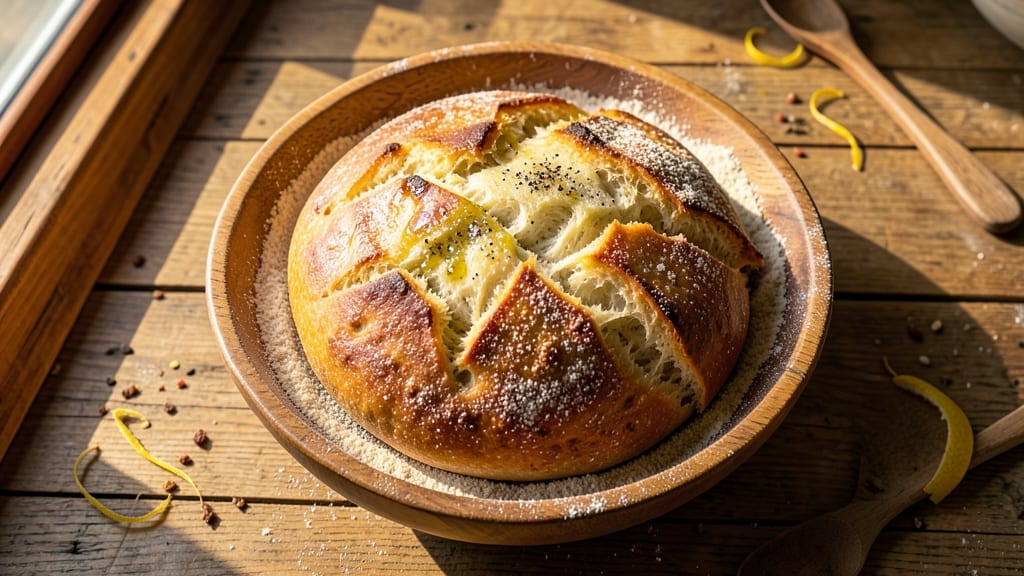
This authentic schiacciata bread recipe brings the rustic charm of Tuscany to your kitchen with its signature olive oil-kissed crust and tender interior. Unlike traditional yeasted breads, schiacciata relies on a simple dough of flour, water, salt, and olive oil—shaped by hand and baked to golden perfection.
The secret lies in its foil-sealed baking method, which traps steam for an irresistibly soft crumb while creating that coveted crispy exterior.
What makes this recipe truly special is its authenticity—no shortcuts, just the traditional approach Tuscans have perfected for generations. The dough comes together in minutes with just five ingredients, yet the flavor is rich and complex, thanks to the high-quality olive oil that infuses every bite.
The shaping technique, where dough is flattened and scored, ensures an even bake and that iconic rustic texture.
By the time it emerges from the oven, you'll have a loaf with a crispy, golden crust that gives way to a tender, moist interior—ideal for serving alongside soups, charcuterie, or simply toasted with butter.
The aroma alone will transport you to a Tuscan countryside kitchen, where this bread is a staple at every meal.
Ready to master this classic? The process is simpler than it looks, and the results are worth every step. Let's get started on your journey to making the most authentic schiacciata bread you've ever tasted.
Ingredients for authentic schiacciata bread
Five core ingredients transform into Tuscan schiacciata with a crisp crust and tender heart.
| Ingredient | Amount | Notes |
|---|---|---|
| All-Purpose Flour 🌾 | 3 ½ cups | Unbleached, high-protein preferred |
| Extra-Virgin Olive Oil 🫒 | ¾ cup | Italian, fruity, cold-pressed |
| Warm Water 💧 | 1 ¼ cups | 105°F, not boiling |
| Fine Sea Salt 🧂 | 1 ½ tsp | Diamond Crystal preferred |
| Aluminum Foil 📄 | 1 sheet | Heavy-duty, 15x20 inches |
| Semolina Flour 🌾 | 1 tbsp | For dusting and scoring |
| Cornmeal 🌽 | 2 tbsp | Fine, for baking surface |
The olive oil is non-negotiable—Italian extra-virgin with a peppery finish elevates this bread from good to extraordinary. Colavita or Bertolli are reliable brands, but any high-quality imported oil with a robust flavor profile works. Water temperature matters: too hot and the dough won't activate properly; too cold and the gluten won't develop. Aim for 105°F—warm to the touch but not scalding. Flour choice impacts texture; King Arthur or Caputo Tipo 00 deliver the best results, though all-purpose flour in a pinch works if you're patient with kneading. The salt should be fine sea salt—Diamond Crystal dissolves cleanly and enhances flavor without graininess.
No extra-virgin olive oil? Light olive oil with 1 tbsp of high-quality EVOO mixed in bridges the gap, though purists will notice the difference. Short on semolina? Extra flour dusted lightly suffices for shaping, though semolina's grit creates that signature Tuscan crust. The foil is critical—heavy-duty aluminum prevents tearing during sealing. For scoring, a razor blade or sharp knife ensures clean cuts; a serrated blade crushes the dough. Pre-slice the foil before shaping to streamline the process. The cornmeal isn't just for show—it prevents sticking and adds subtle sweetness to the crust.
Store the dough in an airtight container for up to 24 hours at room temperature, though fresher is always better. Once baked, schiacciata stays fresh for 3 days wrapped in a clean kitchen towel. For longer storage, slice and freeze portions between parchment paper for up to 3 months. Reheat slices in a 350°F oven for 5 minutes to restore crispness. The crust loses its snap after 24 hours, but the interior remains tender when reheated properly. Always bake on a preheated stone or steel for that authentic wood-fired texture.
Why You'll Love This Recipe
- No-Knead Magic: I swear by this dough—just flour, olive oil, and water. Honestly, the only "work" is folding it twice, and even that’s satisfying. No stand mixer, no overworking, just a few minutes of hands-on time before it rests like a dream.
- Olive Oil Gold: That first pour of extra-virgin olive oil into the dough? It’s the secret. The bread develops this unreal tenderness, with a subtle richness that makes every bite feel like a little Mediterranean vacation. (Yes, even on a Tuesday night.)
- Weeknight Wonder: This bread is my go-to for sandwiches, toast, or just tearing into with butter. Between us, it’s the kind of staple that disappears faster than I can say "second slice." And it freezes like a champ—perfect for lazy mornings or last-minute guests.
- Pantry-Friendly Luxury: Five ingredients, zero specialty items. The foil trick keeps it soft for days, and you’ll use it up before it goes stale. I’ll be real: it’s the kind of bread that makes me feel like I’m feeding people well without breaking the bank.
Step-by-step instructions for authentic schiacciata bread
Master this Tuscan classic with its signature olive oil-kissed crust and tender interior.
Mix the Dough for Optimal Texture
In a large mixing bowl, combine the 3.5 cups all-purpose flour and 1.5 teaspoons fine sea salt. Make a well in the center and add the 0.75 cup extra-virgin olive oil. Using a wooden spoon or your hands, gradually incorporate the oil into the flour mixture until it forms a coarse crumbly texture.
Slowly pour in the 1.25 cups warm water (about 105°F) while stirring continuously. The dough will begin to come together, but resist the urge to overwork it. Once it forms a shaggy mass, turn it out onto a lightly floured surface and knead gently for 5-7 minutes until smooth and elastic. The dough should be slightly tacky but not sticky—if it sticks to your hands, add just enough flour to prevent sticking. This gentle handling preserves the bread's characteristic rustic texture.
Here's the thing—schiacciata dough shouldn't be over-kneaded like pizza dough. You're aiming for a soft, slightly irregular texture that will yield a tender crumb. Cover the bowl with a damp towel and let it rest at room temperature for 30 minutes while you prepare your baking surface.
Prepare the Baking Surface and Shape the Dough
Preheat your oven to 400°F. Line a baking sheet with the 1 sheet aluminum foil and sprinkle evenly with 2 tablespoons cornmeal. This creates a non-stick surface that prevents the bread from sticking while allowing steam to escape for that signature crispy crust.
After the dough rests, divide it into 4 equal portions (about 1 pound each). On a lightly floured surface, gently shape each portion into a rough oval about 1-inch thick. The dough should be soft and pliable—don't press too firmly as this would compact the texture. Place each dough piece onto the prepared baking sheet, spacing them about 2 inches apart. Cover loosely with a clean kitchen towel while the oven preheats fully.
This shaping technique is crucial for authentic schiacciata. The irregular, rustic form should have slightly thicker edges that will crisp up beautifully while maintaining a soft interior. The foil creates a steam chamber that prevents the bottom from browning too quickly, just like traditional Tuscan bakers achieve in wood-fired ovens.
Score and Bake for Perfect Crust Development
Before baking, lightly dust the tops of each dough piece with 1 tablespoon semolina flour. Using a sharp serrated knife, make a deep crosshatch pattern on the top of each loaf, cutting about ¼-inch deep. This scoring allows steam to escape and creates those beautiful crackly ridges while preventing the bread from expanding too much in one direction.
Bake the schiacciata for 20-25 minutes until the crust is deep golden brown and the internal temperature reaches 190°F when measured with an instant-read thermometer. The bread should sound hollow when tapped on the bottom. During the last 5 minutes of baking, watch closely—schiacciata crusts can go from perfect to burnt quickly at this temperature.
For that authentic olive oil kiss, I like to brush the tops with a little more extra-virgin olive oil immediately after removing from the oven. This adds a subtle fruity aroma and enhances the crust's texture. Let the bread cool on a wire rack for 10 minutes before serving—this resting period allows the interior to set properly while maintaining maximum softness.
Serve with Proper Technique for Maximum Enjoyment
Schiacciata is best enjoyed warm or at room temperature. To serve, cut each loaf into 4-6 thick slices using a sharp bread knife. The interior should be soft and slightly moist, with a crisp exterior that gives way to each bite. The olive oil should be visible in the crumb, adding richness without overpowering the simple flour and salt base.
For authentic presentation, serve with extra-virgin olive oil drizzled over the top and a sprinkle of flaky sea salt. This bread pairs beautifully with Tuscan bean soup, tomato-basil salad, or simply with aged balsamic vinegar for dipping. The key to schiacciata's success lies in its simplicity—just flour, oil, water, and salt—but mastering the technique transforms these basic ingredients into something truly special.
Pro Tips For Making Authentic Schiacciata Bread
- Preheat That Pan: Cast iron or heavy steel is your best friend here—get it screaming hot (450°F or higher) before adding the dough. I learned this the hard way when my first batch stuck like glue because I rushed the pan. Let it sit for 10 minutes with the lid off to build real heat—no shortcuts.
- Use Warm, Not Hot, Water: That extra-virgin olive oil needs warm water (around 90°F) to emulsify properly, not scalding liquid. I used to eyeball it and end up with a gummy mess. Test the water by dipping your finger in—it should feel like a hot cup of tea, not a bath.
- Flatten with a Fork First: Skip the rolling pin for the initial flattening—press the dough down with a fork instead. This creates those signature dimples and cracks without tearing the surface. Press hard enough to leave visible indentations, but don’t overwork it.
- Cover with Foil Early: The moment the bottom browns (about 5 minutes), slap on that aluminum foil to trap steam. This keeps the interior moist while the top crisps—my first attempts ended up dry because I waited too long. Lift the foil just before the edges start to puff dramatically.
Storing and reheating this dish
Room-Temp Storage
Keep your schiacciata dough in an airtight container at room temperature for up to 24 hours before baking. The dough's simplicity means it doesn't require refrigeration, and letting it rest enhances gluten development.
Wrap the shaped dough loosely in a clean kitchen towel if baking later that day to prevent drying. 🌾
Fridge Preservation
Once baked, schiacciata stays fresh in the refrigerator for 3-4 days when wrapped tightly in foil or a beeswax wrap. The crust loses crispness but the interior remains tender.
For longer storage, slice the cooled bread and freeze portions between parchment paper in a ziplock bag for up to 3 months. Thaw overnight at room temperature.
Reheating Crust Perfection
Revive schiacciata's crispy exterior by reheating slices in a 350°F oven for 5-7 minutes on a baking sheet. For a quicker method, use a toaster oven set to 375°F for 3-4 minutes—this concentrates heat on the crust.
Avoid microwaving as it turns the bread gummy. Brush reheated slices with extra-virgin olive oil for that authentic Tuscan finish.
Freezer-Friendly Tips
For best results, freeze schiacciata in single slices rather than whole loaves. Place parchment between layers in a freezer bag to prevent sticking. When ready to eat, bake from frozen at 375°F for 8-10 minutes until the crust regains its golden color.
The interior will be slightly softer but still delicious—ideal for toasted sandwiches.
Olive Oil Revival
If your stored schiacciata loses its olive oil aroma, revive it by brushing slices with warm olive oil (heat in a small bowl for 30 seconds in the microwave) before serving.
The warmth opens the bread's pores, allowing the oil to penetrate and restore that signature Tuscan flavor. Pair with a sprinkle of flaky salt for maximum impact. 🫒
Nutrition facts
Frequently asked questions
Why does schiacciata dough need such a short rest time?
This Tuscan bread relies on minimal handling to preserve its rustic texture. The 30-minute rest at room temperature allows the gluten to relax slightly, making shaping easier while maintaining that signature irregular, soft crumb. Over-kneading or long resting would create a tighter, less tender loaf—exactly what you don't want in authentic schiacciata.
Can I make schiacciata without aluminum foil?
Yes, but the texture will differ. Foil mimics a wood-fired oven by trapping steam for a soft interior while creating crisp edges. Without it, bake on a preheated pizza stone at 425°F for 18-20 minutes, rotating the pan halfway. The crust will be slightly thicker but still delicious—just less tender inside.
What's the best way to fix overworked dough?
If your dough becomes too elastic, let it rest 15-20 minutes covered with a damp towel. This relaxes the gluten. For extremely tight dough, add 1 teaspoon olive oil and knead gently for 2 minutes to restore its rustic character. Never add flour—it'll dry out the bread. The goal is to return to that slightly tacky, irregular texture.
How do I know when schiacciata is fully baked?
Look for deep golden brown crust and listen for a hollow sound when tapped on the bottom. The internal temperature should reach 190°F (use an instant-read thermometer). The edges should pull away slightly from the foil, and the scored lines will be crisp. If unsure, bake 2-3 minutes longer—schiacciata is forgiving and hard to overbake.
Can I add herbs to schiacciata?
Traditional Tuscan versions often include 1 tablespoon fresh rosemary or 1 teaspoon dried mixed into the dough. For extra flavor, sprinkle finely chopped rosemary on top before baking. Avoid strong herbs like oregano—they can overpower the bread's subtle olive oil essence.