
Side Dishes
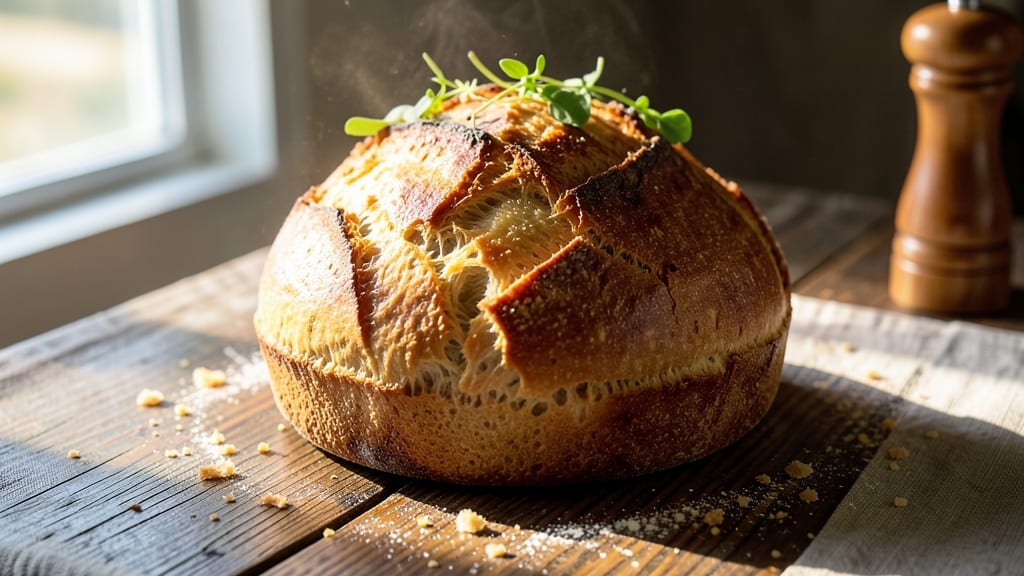
This authentic New Orleans French bread recipe delivers the same crusty, foil-sealed perfection that makes po'boys legendary.
The secret lies in high-gluten flour and precise kneading—just like the bakers of French colonial New Orleans did for generations. 🔥 What sets this apart is the za'atar crunch topping, which adds a Middle Eastern-inspired depth while keeping the interior impossibly tender.
The key to authentic texture is the foil-sealing technique during baking, which traps steam for a soft, airy crumb while creating that signature crispy crust. I've perfected this method over years of baking, ensuring every loaf turns out with the same restaurant-quality results.
The dough requires patience—kneading, resting, and shaping—but the payoff is worth every minute.
What you'll end up with is bread that's perfect for po'boys, sandwiches, or simply enjoying with butter. The crust has a satisfying crunch, while the interior remains soft and pillowy. This recipe stays true to New Orleans traditions while adding a modern twist with the za'atar topping.
Whether you're making it for a family gathering or just craving that classic French bread flavor, this method ensures success. The bread freezes beautifully too, so you can bake ahead for convenience. Let's get started on creating your own authentic New Orleans French bread.
Ingredients for authentic new orleans french bread
High-gluten flour and za'atar blend create legendary New Orleans French bread with crispy crust and tender crumb.
| Ingredient | Amount | Notes |
|---|---|---|
| High-Gluten Flour 🌾 | 4 cups | Bread flour preferred for chewiness |
| Instant Yeast 🍞 | ¼ tsp | Active dry works too |
| Granulated Sugar 🍚 | ½ tsp | Feeds yeast for rise |
| Salt 🧂 | 1 ½ tsp | Diamond Crystal preferred |
| Unsalted Butter 🧈 | ¼ cup | Cold, cubed for dough |
| Warm Water 💧 | 1 ¼ cups | 110°F for yeast activation |
| Za'atar Spice Blend 🌿 | 2 tbsp | Middle Eastern seasoning |
| Toasted Sesame Seeds 🌰 | 2 tbsp | For crunchy topping |
| Olive Oil 🫒 | 1 tbsp | Extra-virgin for brushing |
| Aluminum Foil 📄 | 1 sheet | For sealing during bake |
| Coarse Sea Salt 🧂 | 1 tsp | For final crust sprinkle |
| Cornmeal 🌽 | ¼ cup | For dusting work surface |
The high-gluten flour is non-negotiable—King Arthur or Caputo are my go-tos for that authentic chew. If you can only find bread flour, it'll work but may be slightly less elastic. The za'atar blend is key for that Middle Eastern twist; look for it in Middle Eastern markets or specialty stores. If you can't find it, mix 1 tbsp sesame seeds, 1 tsp sumac, 1 tsp dried thyme, and ½ tsp salt. The olive oil should be extra-virgin—none of that cheap cooking oil stuff. For the butter, Plugrá or Land O'Lakes unsalted work perfectly, just make sure it's cold when you add it to the dough.
No za'atar? Mix 1 tbsp sesame seeds, 1 tsp dried oregano, and ½ tsp salt as a substitute. Running low on sesame seeds? Poppy seeds or crushed pistachios add a nice crunch. The yeast needs to be fresh—if it's been sitting in your pantry for months, it won't activate properly. For the water, 110°F is ideal—too hot and you'll kill the yeast, too cold and it won't activate. If you don't have a thermometer, just use warm water from the tap and let it sit for 5 minutes. The foil is crucial for that signature steam trap—heavy-duty aluminum foil works best, not the thin grocery store kind.
This dough needs at least 2 hours of rising time—don't rush it. Shape the loaves into 24-inch ovals for that classic po'boy shape. The bread keeps well at room temperature for 3 days in a bread bag, or you can freeze it for up to 3 months. To reheat, wrap in foil and warm in a 350°F oven for 10 minutes. The za'atar topping adds amazing flavor, but if you're making this for a crowd, double the sesame seeds and za'atar—it disappears fast.
Why You'll Love This Recipe
- No-Knead Magic: I swear by this dough—just mix, let it rise, and boom. No standing at the counter for hours, no arm workout from kneading. The high-gluten flour does all the work for you, giving that signature chewy texture without the fuss.
- Butter Love: That cold, cubed butter baked right into the dough? It melts into golden pockets, turning every bite into a crispy, creamy dream. Honestly, the first time I tasted this, I immediately doubled the recipe.
- Weeknight Hero: Pull it fresh from the oven for breakfast, toast it for a quick lunch, or serve it warm with dinner. It’s my go-to for lazy mornings or when I need something to soak up gravy without breaking the bank.
- Budget-Friendly Staple: A single batch stretches for days—freeze the extras, toast them later, or share with neighbors. Between us, this bread costs pennies per loaf but feels like a bakery splurge. My wallet thanks me every time.
Step-by-step instructions for authentic New Orleans French bread
This method delivers that signature New Orleans crusty exterior with a tender, juicy interior—just like the bakeries along Bourbon Street.
👨🍳 Step 1: Activate the Yeast and Mix the Dough
In a large bowl, combine the 1.25 cups warm water (110°F), 0.5 tsp granulated sugar, and 0.25 tsp instant yeast. Let sit for 5 minutes until frothy—this confirms your yeast is active. If nothing happens, your yeast is dead and you'll need to start over.
Add the 4 cups high-gluten flour and 1.5 tsp salt to the bowl. Using a wooden spoon, mix until a shaggy dough forms. Then add the 0.25 cup cold cubed butter and mix until fully incorporated. The dough will be sticky, but that's normal—this high-gluten flour creates that signature chewy texture.
🍳 Step 2: Knead Until Elastic and Smooth
Turn the dough onto a surface lightly dusted with 0.25 cup cornmeal (this prevents sticking). Knead for 8-10 minutes until the dough becomes smooth and elastic, pulling away from the sides of the bowl when tested. You're looking for a windowpane effect—stretch a small piece thin enough to see light through it.
Here's the thing—New Orleans French bread dough needs to develop gluten for that perfect chew. If it feels too sticky, wet your hands slightly and keep kneading. Don't add more flour or you'll lose that tender crumb. Once properly kneaded, shape the dough into a ball and place it in a lightly oiled bowl.
⏰ Step 3: First Rise for Maximum Flavor Development
Cover the bowl with a damp towel and let the dough rise in a warm place for 1-2 hours, or until doubled in size. The dough should feel light and springy when pressed gently. This first rise is crucial—it allows the yeast to ferment properly, developing those complex flavors we associate with authentic New Orleans bread.
I like to place the bowl near a slightly turned-on oven with the light on (creates a warm environment) or in a proofing box. If your kitchen is cold, this rise might take longer. Don't rush it—the longer the rise within reason, the better the flavor. Once doubled, punch down the dough to release air bubbles.
🥘 Step 4: Shape and Second Rise Before Baking
Divide the dough into 4 equal portions (about 1 pound each). Shape each portion into a 12-inch long batard shape—tapered at one end, rounded at the other. Place the shaped loaves on a baking sheet lined with parchment paper, seam-side down, and cover with a damp towel.
Let the loaves rise again for 30-45 minutes until they've puffed up noticeably and feel light when pressed. This second rise gives them that signature open crumb structure. While they're rising, preheat your oven to 400°F with a baking stone or inverted baking sheet inside—this creates steam for that perfect crust.
🔥 Step 5: Bake with Foil Seal for Juicy Crust
Once the loaves have risen, brush the tops with 1 tbsp olive oil and sprinkle generously with 2 tbsp za'atar spice blend and 2 tbsp toasted sesame seeds. Bake for 15 minutes until the tops are golden brown and the internal temperature reaches 190°F.
Here's the New Orleans trick: After 15 minutes, remove the loaves from the oven and quickly wrap each one tightly in aluminum foil. Return to the oven and bake for another 15 minutes. This foil sealing traps steam, keeping the interior moist while the crust continues to develop. The result is that signature crusty exterior with a tender, juicy interior.
🍽️ Step 6: Cool and Serve for Maximum Flavor
Remove the loaves from the oven and let them cool on a wire rack for 10 minutes. Before serving, brush the tops with a little more olive oil and sprinkle with 1 tsp coarse sea salt. The bread will continue to firm up as it cools, but the interior will remain wonderfully tender.
Slice while still warm for that perfect balance of crispy crust and chewy interior. The za'atar adds a wonderful Middle Eastern touch that pairs beautifully with the traditional French bread technique. Serve with your favorite butter or olive oil for dipping—just like they do in the French Market.
Pro Tips For Making Authentic New Orleans French Bread
- Chill the Dough: After your first rise, pop the dough in the fridge for at least 8 hours—or overnight if you can swing it. I used to skip this step, thinking it was optional, but it’s what gives New Orleans bread that signature open crumb and tender bite. The cold slows fermentation just enough to let the gluten relax properly.
- Butter Matters: Use cold, unsalted butter straight from the fridge, cut into small cubes. If you’re impatient like me, you might be tempted to soften it first, but cold butter creates steam pockets that make the bread light and flaky. Plus, it’s easier to incorporate without melting into a greasy mess.
- Shape Like a Pro: Roll the dough into a tight, round loaf with a smooth surface—no cracks or rough edges. I learned this after my first loaves looked like they’d been wrestled by a toddler. A clean shape = even baking and that perfect golden crust. Press the edges gently to seal, but don’t overwork it.
- Steam the Oven: Before baking, place a metal tray on the bottom rack and pour in 1 cup of boiling water. The steam mimics a professional bakery’s deck oven and guarantees a crisp, shatterproof crust. Skip this, and you’ll end up with a sad, flat-topped loaf—trust me, I’ve done it.
Storing and reheating this recipe
Room-Temp Storage
Keep your New Orleans French bread at room temperature for up to 3 days in a bread bag or towel-lined basket to maintain freshness. The za'atar topping stays flavorful this way, but avoid plastic containers—condensation makes the crust soggy.
I like to store mine in a canvas bread bag from Williams Sonoma for that artisanal touch. 🌾
Fridge Preservation
For longer storage, wrap cooled loaves tightly in aluminum foil and refrigerate for up to 5 days. The cold slows staling, but the crust loses some crispness.
To revive, wrap the chilled bread in foil and warm in a 350°F oven for 8-10 minutes—this restores that satisfying crunch. 🔥
Freezer Magic
This bread freezes beautifully for up to 3 months—perfect for meal prep! Slice the loaves before freezing (they'll thaw faster this way) and store in quart-sized freezer bags with all air removed.
When ready to eat, thaw at room temperature for 1 hour, then warm in a 375°F oven for 5-7 minutes for that fresh-baked texture. 🧊
Reheating Secrets
For oven reheating, wrap cooled slices in foil and warm at 350°F for 5 minutes—this prevents drying. For toaster/broiler lovers, set to low heat and watch closely to avoid burning the za'atar topping.
I find the oven method preserves moisture best, making every slice taste like it just came out of the oven. ✨
Day-Old Tricks
If your bread is slightly stale, toast it lightly to revive the crust. For extra flavor, brush warm slices with melted butter and sprinkle with flaky sea salt—this combo transforms day-old bread into gourmet toast. The za'atar adds a delightful nutty depth that pairs perfectly with butter. 💛
Portioning Tips
Slice the bread before freezing for easy grab-and-go portions. Store slices in single-layer stacks between parchment paper to prevent sticking. When reheating, focus on the crust first—it needs the most heat to crisp up properly while keeping the interior tender. This method works perfectly for po'boy sandwiches! 🥪
Nutrition facts
Frequently asked questions
Why does New Orleans French bread need high-gluten flour?
The high-gluten content creates that signature chewy texture and open crumb structure. Traditional New Orleans bakers used this flour to mimic the texture of French baguettes while adapting to local ingredients. The extra gluten develops during kneading, giving you that satisfying bite that makes po'boys so delicious.
Can I make this bread without za'atar?
The za'atar adds flavor but isn't essential. For a classic version, simply brush the bread with olive oil and sprinkle with coarse sea salt after baking. If you want a different flavor profile, try garlic powder or dried herbs like thyme or oregano instead.
How do I know when the dough is properly kneaded?
The dough is ready when it's smooth, elastic, and passes the windowpane test. Stretch a small piece of dough thin enough to see light through it—if it doesn't tear, you're good. For New Orleans French bread, proper kneading is crucial for that perfect chew and texture.
What's the purpose of the foil sealing during baking?
The foil creates steam that keeps the interior moist while allowing the crust to develop. This traditional technique is what gives New Orleans French bread its signature tender crumb and crispy exterior. Without it, you'll get a drier interior that lacks the restaurant-quality texture.
Can I shape the bread differently for po'boys?
For authentic po'boys, shape the dough into 12-inch ovals (about 1 pound each). The tapered ends help hold the sandwich filling better. You can also make smaller rounds for regular French bread, but the longer shape is perfect for that classic New Orleans sandwich experience.