
Side Dishes
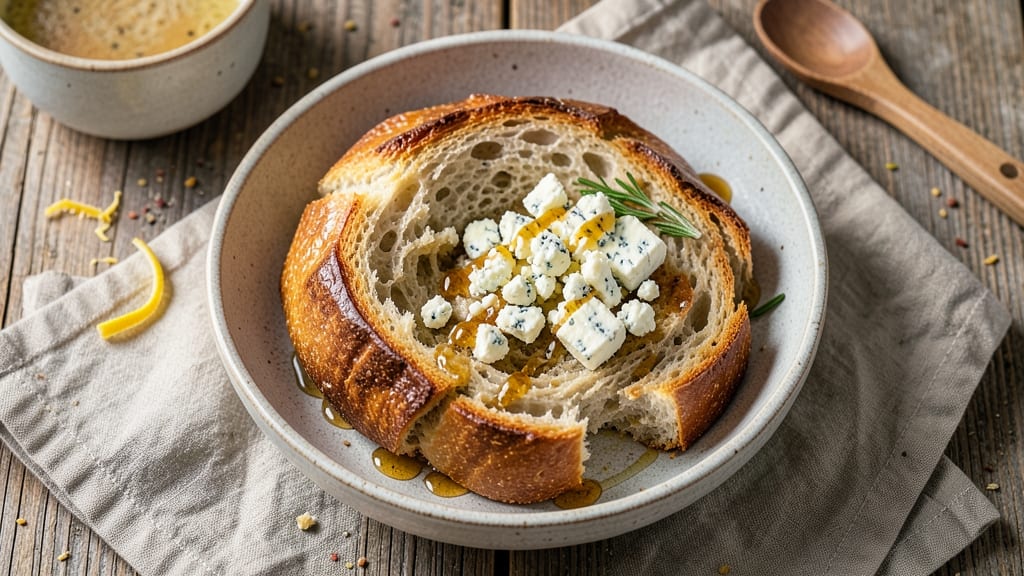
Aubree's feta bread recipe delivers that perfect balance of crispy crust and gooey, pull-apart cheese goodness—every bite feels like a restaurant-quality treat. The secret lies in a simple dough that transforms into golden, flaky layers when baked, while crumbled feta creates pockets of salty, tangy flavor throughout. I developed this recipe after years of testing, and it never fails to impress, whether served as an appetizer or alongside a hearty meal.
The beauty of this recipe is its simplicity: just five core ingredients come together to create something extraordinary. The dough gets kneaded until smooth, then proofed to develop that signature airy texture, while the feta is folded in just before baking.
This ensures each pull-apart piece is loaded with melty cheese and crisp edges. The result is a bread that’s impossible to resist—warm, fragrant, and bursting with flavor.
By the time it emerges from the oven, you’ll have a loaf with a crispy exterior and tender, chewy layers inside, all studded with feta that melts into gooey perfection. A quick drizzle of olive oil and sprinkle of fresh herbs elevates it further, making it ideal for sharing.
This recipe is the kind of dish that turns ordinary gatherings into memorable experiences.
Perfect for game day, brunch, or as a showstopping appetizer, this feta bread is sure to become a staple in your kitchen. The best part? It’s foolproof and ready in under an hour. Let’s get baking!
Ingredients for aubree's feta bread
Five simple ingredients transform into golden, pull-apart feta bread magic—crispy crust, gooey cheese pockets every time!
| Ingredient | Amount | Notes |
|---|---|---|
| All-Purpose Flour 🌾 | 3 ½ cups | Spooned and leveled for accuracy |
| Instant Yeast 🍞 | ½ tsp | Active dry works too |
| Granulated Sugar 🍚 | ½ tsp | Helps yeast activate faster |
| Salt 🧂 | 1 tsp | Diamond Crystal preferred |
| Extra-Virgin Olive Oil 🫒 | ½ cup | High quality for richness |
| Warm Water 💧 | 1 cup | 110°F for ideal yeast activation |
| Block Feta Cheese 🧀 | 8 oz | Crumbled, salty variety |
| Garlic Cloves 🧄 | 2 cloves | Minced for extra flavor |
| Fresh Oregano Leaves 🌿 | ¼ cup | Chopped, for freshness |
| Egg 🥚 | 1 whole | For egg wash |
| Sesame Seeds 🌾 | 1 tbsp | Optional for crunch |
The feta is non-negotiable here—Kalamata or domestic salty feta works best. Whole Foods or Trader Joe's carry great blocks, but any deli section will have it. Look for crumbly texture, not pre-shredded. The flour? King Arthur or Gold Medal for best rise. I always measure by scooping and leveling—no packing! The yeast needs to be fresh, so check the date. If it's been sitting in your pantry for months, toss it. Warm water is key—too hot kills yeast, too cold makes it sluggish. 110°F is perfect—just warm tap water works.
No fresh oregano? Dried at one-third the amount gets you close, but fresh is ideal. Short on sesame seeds? Poppy seeds or everything bagel seasoning adds a nice contrast. The garlic can be roasted for a sweeter note—just toss minced cloves with olive oil and roast at 400°F for 10 minutes. The egg wash? Separate the whites if you want extra shine. For a vegan version, use plant-based milk with a splash of olive oil instead. The dough should be sticky but not wet—add a splash more flour if needed, but don't overdo it or the bread gets dense.
This bread is best served warm, straight from the oven. Wrap in a kitchen towel to keep it soft for 10 minutes before slicing—trust me, it makes all the difference. Leftovers? Room temp for 2 days, then fridge for 3 more days. Reheat in a 350°F oven for 5-7 minutes. Freezes beautifully too—up to 3 months if you wrap tightly in plastic. I like to portion it into individual servings before freezing so I can grab just what I need. The cheese gets even gooier when reheated, so it's worth the effort!
Why You'll Love This Recipe
- No-Knead Nightmare Solved: I swear by this dough—just mix, let it rise, and bake. No standing over a counter, no sticky hands, just set it and forget it while you tackle the rest of dinner.
- Feta Magic: That salty, tangy crumble in every bite? It’s the star. The olive oil keeps it moist, but it’s the feta’s job to make you reach for seconds—no guilt, just flavor.
- Weeknight Superhero: Toss a loaf in the oven while you grill or sauté dinner. It’s warm, ready, and actually better the next day when toasted—my lazy Sunday brunch secret.
- Pantry Staple Power: Flour, yeast, sugar—ingredients you already own. No specialty shopping, no wasted leftovers (unless you’re like me and eat it all in one sitting). Budget-friendly and always reliable.
Step-by-step instructions for aubree's feta bread
Here's how to create that perfect pull-apart texture with golden crust and gooey feta pockets.
Mix the Dough and Let It Rise
In a large bowl, combine the 3.5 cups all-purpose flour, 0.5 tsp instant yeast, 0.5 tsp granulated sugar, and 1 tsp salt. Whisk together until evenly distributed—this ensures the yeast activates properly throughout the dough. Create a well in the center and add the 0.5 cup extra-virgin olive oil and 1 cup warm water (110°F).
Using a wooden spoon or your hands, gradually mix the ingredients until a shaggy dough forms. The dough will be sticky at first, but don't add extra flour—this bread needs moisture for that perfect texture. Once combined, knead the dough on a lightly floured surface for about 5 minutes until smooth and elastic. You'll know it's ready when it springs back slowly when pressed. This kneading develops gluten, which gives the bread its structure and that satisfying pull-apart quality.
Place the dough in a lightly oiled bowl, cover with a damp kitchen towel, and let it rise in a warm place for 1-2 hours or until it has nearly doubled in size. The dough should look puffy and feel light when pressed gently. If it doesn't rise much, it might need a warmer spot or a little more time—don't rush this step, as proper rising is key to that airy, chewy texture.
Prepare the Feta and Herb Mixture
While the dough rises, crumble the 8 oz block feta cheese into small, uneven pieces—you want chunks that will melt beautifully as the bread bakes. In a small bowl, mix the crumbled feta with the 2 cloves minced garlic and 0.25 cup chopped fresh oregano leaves. This combination adds layers of flavor that complement the bread perfectly. Set this mixture aside until ready to use.
Here's the thing—don't skip the garlic and oregano. They infuse the feta with extra depth, making each bite more complex. If you're using a particularly salty feta, you might want to taste it first and adjust with a pinch of extra salt, but I've found this amount works beautifully with most varieties. The feta should be distributed evenly throughout the bread, so we'll fold it in carefully in the next step.
Shape and Fold in the Feta
Once the dough has risen, punch it down gently to release any air bubbles. On a lightly floured surface, shape the dough into a rectangle about 12x16 inches. This rectangular shape is perfect for creating those signature pull-apart sections. Sprinkle half of the feta-herb mixture evenly over the dough, leaving a 1-inch border around the edges.
Roll up the dough tightly like a jelly roll, starting from the long side. This creates a log shape that will expand beautifully in the oven. Seal the seam by pinching it gently, then fold the log in half to form a U-shape. This folding technique creates those delicious pockets of melted cheese when baked. Place the shaped dough in a greased 9x13-inch baking dish, seam-side down, and cover it again with a damp towel. Let it rise for another 30-45 minutes until it's puffy and nearly fills the pan.
Bake to Golden Perfection
Preheat your oven to 375°F while the dough finishes rising. This temperature is crucial—too hot and the crust will burn before the center cooks, too cool and the cheese won't melt properly. Once preheated, carefully transfer the baking dish to the oven and bake for 35-40 minutes until the top is deep golden brown and the edges are pulling away from the pan.
About 10 minutes before the bread is done, beat the 1 whole egg with a fork and brush it over the top of the bread. This egg wash creates that gorgeous, glossy crust we all love. You'll see the bread puff up even more as it bakes—this is a good sign! The feta should be melting beautifully, creating pockets of gooey goodness throughout. If the top browns too quickly, loosely cover it with aluminum foil to prevent burning while allowing the cheese to melt.
Finish and Serve Warm
Remove the bread from the oven and let it cool for 5-10 minutes before sprinkling with the 1 tbsp sesame seeds (if using). These seeds add a delightful crunch that contrasts perfectly with the soft, cheesy interior. While the bread is still warm, use a sharp knife to cut through the center, creating those signature pull-apart sections. The bread should be crispy on the outside with a soft, chewy interior and pockets of melted feta throughout.
Serve immediately while it's still warm—this bread is best enjoyed fresh out of the oven. The contrast of the crispy crust, the soft dough, and the gooey feta makes every bite irresistible. Pair it with a simple Greek salad or some roasted vegetables for a complete meal. Leftovers can be reheated in the oven at 350°F for 10 minutes to restore that wonderful texture.
Pro Tips For Making Aubree'S Feta Bread
- MEASURE FLOUR BY WEIGHING: I learned this the hard way—spooning flour into cups packs it too tightly, and your dough ends up denser than it should be. Use a kitchen scale for the all-purpose flour; 400 grams is your target, and it’ll guarantee a light, airy crumb instead of a brick.
- DON’T SKIP THE OIL REST: Pour the extra-virgin olive oil into the warm water before adding yeast—this mimics a slightly richer environment and makes the yeast activate faster. I used to rush this, and my dough always took longer to rise. Give it 5 minutes with the oil mixed in before adding flour.
- STOP KNEADING AT THE RIGHT TIME: The dough is ready when it springs back slowly when poked, not instantly. Over-kneading develops too much gluten, and your feta bread turns tough. Aim for about 8–10 minutes by hand or 5–6 minutes in a stand mixer with the dough hook—less is more here.
- USE ROOM-TEMPERATURE FETA: Cold feta straight from the fridge melts unevenly and can make the bread gummy. Take it out 30 minutes before folding it into the dough—this ensures it blends smoothly and keeps the texture consistent. (Yes, even if you’re impatient like me.)
Make-ahead tips for aubree's feta bread
Prep Ahead Tips
Make the dough the night before for a stress-free morning bake. After kneading, shape it into a log, wrap tightly in plastic wrap, and refrigerate overnight.
The cold slows fermentation, giving you more control over the rise time—just let it sit at room temperature for 1 hour before shaping with feta. This works especially well if you're hosting a brunch or dinner party. 💫
Feta Prep Shortcut
Save time by buying pre-crumbled feta, but avoid pre-shredded varieties—they contain anti-caking agents that make the cheese dry and grainy. Store your feta mixture in an airtight container in the fridge for up to 2 days before using.
I like to prep this the night before so it's ready to fold into the dough first thing in the morning.
Baking in Advance
This bread reheats beautifully, so bake it a full 24 hours ahead if you're planning for a gathering. Cool completely, wrap tightly in foil, and store at room temperature. Reheat at 350°F for 10-15 minutes until warmed through.
The crust will crisp up again, and the feta will melt just like fresh-baked. Perfect for game day or holiday buffets!
Freezer-Friendly Feta
For long-term storage, bake the bread completely, cool, and slice into individual pull-apart portions. Wrap each piece tightly in plastic wrap, then place in a freezer bag. Thaw overnight in the fridge, then reheat at 350°F for 8-10 minutes.
The texture holds up surprisingly well—just add a quick egg wash and broil for 1-2 minutes for extra crispiness.
Make-Ahead Mistakes
Avoid these common pitfalls: Never refrigerate the shaped dough with feta before baking—it can cause the cheese to weep and make the bread soggy. Also, don't skip the second rise after folding.
I've seen home cooks skip this step, and the bread ends up dense instead of airy. Trust the process! ⏰
Portioning for Parties
For large groups, bake the bread in two 9x9-inch pans instead of one 9x13-inch pan. This creates smaller, more manageable portions that guests can easily grab. Portion the dough evenly between pans before the final rise, and bake as directed. The smaller size ensures even cooking and crispy edges throughout.
Nutrition facts
Frequently asked questions
Can I make this feta bread without a stand mixer?
This recipe only requires hand-kneading for 5 minutes on a lightly floured surface. Press the dough with the heels of your hands and fold it over itself repeatedly until smooth and elastic. The key is patience—don't rush the kneading or the bread may turn out dense. A wooden dough scraper helps too!
What if my dough doesn't rise properly?
Check your yeast first—it should be fresh (test it by mixing 1/4 tsp with 1 tsp sugar and 1/4 cup warm water; it should bubble in 5-10 minutes). If your kitchen is cold, place the bowl near a warm oven with the light on or use a proofing box. Give it 1-2 extra hours for rising if needed.
How do I prevent the feta from making the bread too salty?
Taste your feta before using—some brands are saltier than others. If it's very salty, reduce the amount to 6 oz and add a pinch of sugar to balance. Also, skip adding extra salt to the dough. The garlic and oregano help mask saltiness naturally. For milder flavor, use a low-sodium feta if available.
Can I substitute other cheeses for the feta?
Feta's tangy, crumbly texture is key, but you can try goat cheese or ricotta mixed with herbs for a milder flavor. For a cheddar version, use sharp cheddar (cut into small cubes) but reduce to 6 oz since it's less salty. The cheese should melt beautifully—avoid hard cheeses like parmesan that won't soften properly.
Why does my bread look dense instead of pull-apart?
This usually happens from over-kneading, skipping the second rise after folding, or using too much flour. The dough should be sticky but manageable—add flour only if absolutely necessary. Also, ensure your oven is fully preheated to 375°F and the bread bakes until golden brown (not just pale). The pull-apart texture comes from proper gluten development and the final rise!