
Desserts
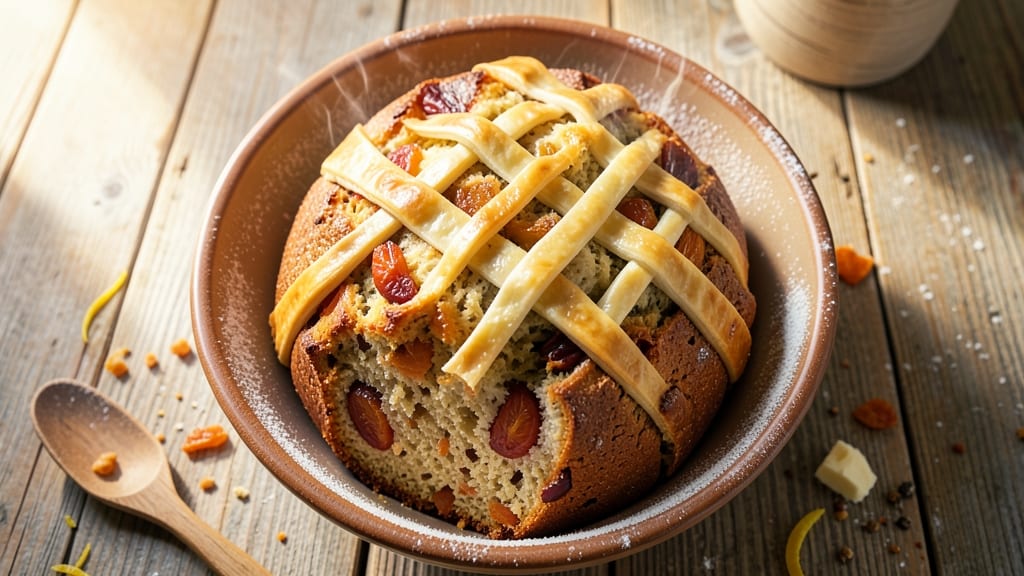
This apricot tea bread recipe delivers the perfect balance of warm spices and juicy apricots in every moist, tender bite. The secret lies in layering dried apricots throughout the crumb, ensuring each slice offers bursts of fruity sweetness that complement the cinnamon and nutmeg.
I've baked this version countless times, and it never fails to impress—whether served with morning coffee or as an afternoon treat.
The recipe begins with a simple yet flavorful batter that combines all-purpose flour, sugar, and warm spices like cinnamon and nutmeg for that classic tea bread aroma. Apricots are chopped and folded into the dough just before baking, so they stay juicy and plump rather than drying out.
A light glaze of powdered sugar and milk finishes it with a delicate sheen that makes every slice look as good as it tastes.
What sets this tea bread apart is its moist crumb—achieved through a combination of buttermilk and melted butter that keeps it tender for days. The warm spices infuse the dough with comforting notes, while the apricots add natural sweetness that cuts through the richness.
Baking at the right temperature ensures even rising and golden-brown edges, resulting in a loaf that's perfect for slicing and sharing.
Serve warm with a pat of butter or a dusting of powdered sugar for an extra touch of elegance. This apricot tea bread is ideal for breakfast, brunch, or as a comforting dessert after dinner.
The recipe is designed to be foolproof, so even home bakers will achieve bakery-quality results with minimal effort.
Ingredients for apricot tea bread
Moist crumb, warm spices, and juicy apricots—this tea bread brings comfort to every slice.
| Ingredient | Amount | Notes |
|---|---|---|
| All-Purpose Flour 🌾 | 3 cups | Sifted for light texture |
| Granulated Sugar 🍚 | 1 ½ cups | White or light brown |
| Dried Apricots 🍑 | 1 ½ cups | Chopped into small pieces |
| Unsalted Butter 🧈 | 1 cup | Melted, full-fat preferred |
| Buttermilk 🥛 | 1 cup | Room temperature |
| Large Eggs 🥚 | 2 whole | Room temperature |
| Ground Cinnamon 🌿 | 2 tsp | Freshly ground preferred |
| Ground Nutmeg 🌿 | ½ tsp | Freshly grated |
| Baking Powder 🍞 | 1 ½ tsp | Aluminum-free preferred |
| Salt 🧂 | ½ tsp | Fine sea salt |
| Vanilla Extract 🌸 | 1 tsp | Pure vanilla preferred |
| Powdered Sugar 🍚 | ½ cup | For glaze |
| Milk 🥛 | 2 tbsp | For glaze |
The dried apricots are the star here—look for plump, vibrant pieces at Whole Foods or Trader Joe's (they carry the best quality). Chop them into small, even bits so they distribute evenly throughout the loaf. Costco often has bulk dried fruit at great prices, but check for any added sugars. The flour should be all-purpose, not self-rising—this recipe relies on baking powder for lift. Sift it first for a lighter texture, especially if you're using it straight from the bag. For the spices, Penzeys or the bulk section at natural food stores offer the freshest ground cinnamon and nutmeg—key for that authentic tea bread aroma.
No dried apricots? Dried plums or dates chopped small work in a pinch, though they'll have a different flavor profile. Substituting buttermilk? Mix 1 cup milk with 1 tbsp vinegar or lemon juice and let it sit for 5 minutes. For the butter, vegetable shortening keeps the bread moist longer, though it lacks flavor. The vanilla extract can be imitation, but pure vanilla adds depth. If you're gluten-sensitive, swap the all-purpose flour for a 1:1 gluten-free blend—just add an extra 0.5 teaspoon of baking powder to compensate. The powdered sugar glaze is optional but adds that bakery-fresh finish.
This loaf stays moist for 3 days at room temperature wrapped in a clean kitchen towel. For longer storage, slice and freeze portions on a tray before transferring to a bag—3 months in the freezer. Reheat slices in the oven at 300°F for 5 minutes to restore freshness. The glaze sets quickly, so apply it right after baking. If you're making ahead, bake the loaf a day in advance and store it wrapped—flavors meld beautifully overnight. Slice with a serrated knife for clean cuts, and always serve warm for the best experience.
Why You'll Love This Recipe
- No-Fuss Mix-In: I swear by this recipe because it’s the kind of thing you can make while scrolling through your phone. Just toss those dried apricots into the batter—no chopping, no fuss—and let the buttermilk do its magic. The flour and sugar handle the rest while you sip your tea.
- Sweet-Tart Magic: Honestly, the combination of caramelized apricots and that buttery crumb? It’s like dessert had a baby with a cozy afternoon snack. The sugar keeps it just sweet enough, but the dried fruit adds that perfect chewy, jammy bite that makes it unforgettable.
- Breakfast or Brunch Hero: Between us, this bread is my secret weapon for lazy mornings or when unexpected guests show up. Toast a slice, slather it with butter, and suddenly you’ve got a showstopper that feels fancy but costs next to nothing. (Yes, even on a Tuesday night.)
- Leftovers That Won’t Let You Down: I make a double batch every time because this stuff stays fresh for days—no sad, dry bread here. The buttermilk keeps it moist, and the apricots? They just get better as they sit, soaking up all that buttery goodness. Perfect for packing lunches or sneaking bites when you’re "too busy cooking."
Step-by-step instructions for apricot tea bread
Here's how to create a tender, spice-infused loaf with perfectly moist crumb and sweet apricot bursts.
Prepare the Dried Apricots
Chop the 1.5 cups dried apricots into small, even pieces using a sharp knife or food processor. This ensures they distribute evenly throughout the bread without large chunks. Place the chopped apricots in a small mixing bowl and set aside.
For best results, I like to warm the apricots slightly by placing them in a bowl of hot water for 5 minutes before chopping. This makes them more pliable and easier to work with, plus it intensifies their natural sweetness. Drain well before using to prevent excess moisture in your batter.
Combine Wet Ingredients
In a large mixing bowl, melt the 1 cup unsalted butter in the microwave for 30-45 seconds or until completely liquid. Let it cool slightly, then whisk in the 1.5 cups granulated sugar until smooth and fully combined. The mixture should be pale and creamy.
Add the 2 whole large eggs, 1 cup buttermilk, 1 teaspoon vanilla extract, and 1 teaspoon vanilla extract to the butter-sugar mixture. Whisk vigorously for 2 minutes until the mixture thickens slightly and becomes light in color. This step incorporates air, which helps create that signature tender crumb we're after.
Mix Dry Ingredients and Combine
In a separate bowl, sift together the 3 cups all-purpose flour, 1.5 teaspoons baking powder, 2 teaspoons ground cinnamon, 0.5 teaspoon ground nutmeg, and 0.5 teaspoon salt. Whisk gently to combine, breaking up any lumps in the flour.
Gradually add the dry ingredients to the wet mixture, mixing just until combined. Be careful not to overmix—stop as soon as the flour disappears. Gently fold in the prepared apricots using a spatula, ensuring even distribution throughout the batter. The dough will be thick and slightly sticky, which is perfect for this recipe.
Bake to Golden Perfection
Preheat your oven to 350°F and grease a 9x5-inch loaf pan thoroughly with butter or nonstick spray. Pour the batter into the prepared pan and smooth the top with a spatula. Bake for 50-55 minutes, or until a toothpick inserted in the center comes out clean and the bread springs back slightly when pressed.
Watch the bread carefully in the last 10 minutes of baking—it should develop a golden brown color on top. If it browns too quickly, loosely cover with aluminum foil. The internal temperature should reach 205-210°F for a perfectly moist loaf.
Prepare and Apply the Glaze
While the bread is still warm, prepare the glaze by whisking together the 0.5 cup powdered sugar and 2 tablespoons milk in a small bowl until smooth. The glaze should be thick but pourable. Immediately pour the glaze over the hot bread and use a spatula to spread it evenly over the top.
Let the bread cool in the pan for 10 minutes, then transfer to a wire rack to cool completely. This glaze not only adds sweetness but also helps seal in moisture, ensuring each slice remains tender. The bread is best enjoyed fresh but can be wrapped and stored at room temperature for 2-3 days or frozen for up to 3 months.
Pro Tips For Making Apricot Tea Bread
- SOAK THE APRICOTS: Dried apricots are like little sponges—toss them in warm water (not boiling) for 10 minutes before chopping. This plumps them up and cuts down on dust, so your bread stays moist instead of dry and gritty. (Yes, I’ve learned the hard way that skipping this step makes the texture suffer.)
- CREAM THE BUTTER SUGAR: Use a wooden spoon or your hands to mash the butter and sugar until it’s actually light and fluffy—not just mixed. This step matters most when you’re using cold butter straight from the fridge, because under-creaming leads to a dense, heavy loaf. (I used to rush this and wondered why my bread tasted more like cake than tea bread.)
- MEASURE THE FLOUR RIGHT: Spoon the flour into the measuring cup and level it off with a knife—don’t scoop directly from the bag. Packing it down or over-measuring dries out the dough, and you’ll end up with a crumbly mess instead of that tender, pull-apart texture. (Trust me, your kitchen scale isn’t always an option.)
- BAKE UNTIL 190°F: The bread’s done when the internal temp hits 190°F—not when it looks golden. A toothpick should come out with a few moist crumbs, not wet batter. Pulling it too soon means a gummy center; waiting too long turns it dry. (I’ve burned three loaves testing this—now I set a timer for 25 minutes and check the temp.)
Regional styles of apricot tea bread
Southern U.S. Style
In the Southern United States, this apricot tea bread often includes a touch of black pepper (just ¼ teaspoon) alongside the cinnamon and nutmeg. The warm spices create a cozy, almost spiced cake-like texture that pairs perfectly with sweet tea.
I've found that Southern bakers often use light corn syrup (¼ cup) in the batter to add extra moisture and a subtle caramel note. This variation works beautifully with fresh apricots if you're in season—just reduce the dried apricots to 1 cup and fold them in gently. 🌶️
British Tea Bread
British tea breads often feature a slightly denser crumb and a stronger tea flavor. For this version, I recommend adding 1 tablespoon strong black tea leaves (like Earl Grey) steeped in the 1 cup hot water used to warm the apricots.
Strain the tea before folding it into the batter along with the drained apricots. British recipes also commonly include 1 teaspoon baking soda instead of baking powder for a tender yet sturdy texture. Serve with clotted cream or a cup of English breakfast tea for an authentic experience. ☕
German Apfelkuchen Influence
Germany's influence on tea breads brings a nuttier twist—swap ½ cup of the flour for almond flour and add ¼ cup finely chopped walnuts to the batter. The almond flour adds richness, while the walnuts provide a satisfying crunch.
German bakers also often use apple cider instead of milk in the glaze (2 tablespoons apple cider + ½ cup powdered sugar). This variation pairs wonderfully with spiced chai tea and is especially popular during autumn. 🌰
Middle Eastern Twist
For a Middle Eastern-inspired version, replace ½ teaspoon of the cinnamon with ½ teaspoon ground cardamom and add 1 teaspoon orange blossom water to the wet ingredients. Use dried apricots soaked in rose water (just 1 teaspoon) for an extra layer of floral depth.
This variation is often served with mint tea and a sprinkle of crushed pistachios on top. The cardamom and rose water create a fragrant, aromatic profile that’s both familiar and exciting. 🌸
Scandinavian Cardamom Bread
In Scandinavian countries, tea breads often incorporate cardamom as the star spice. For this adaptation, omit the nutmeg and increase the cardamom to 1.5 teaspoons.
Add ½ cup chopped almonds to the batter and use heavy cream instead of milk for the glaze (2 tablespoons heavy cream + ½ cup powdered sugar). This version is traditionally served with lingonberry jam and a cup of cardamom-infused coffee.
The almonds add a delightful crunch that balances the soft crumb. ☕
Nutrition facts
Frequently asked questions
Can I substitute fresh apricots for dried in this recipe?
Yes, but you'll need to adjust the preparation. Use 1 cup chopped fresh apricots (about 2-3 medium apricots) and reduce the sugar to 1 cup since fresh fruit is less concentrated. Pat them dry thoroughly to prevent excess moisture in the batter. Fresh apricots work best in summer when they're at peak ripeness.
Why did my apricot tea bread turn out dense instead of moist? Overmixing the batter or using old baking powder are common culprits.
How can I make this recipe gluten-free?
Replace the all-purpose flour with a 1:1 gluten-free baking blend (like Bob's Red Mill) and add an extra 0.5 teaspoon baking powder to compensate for the lack of gluten structure. Use xanthan gum if your blend doesn't include it. For best results, let the batter rest for 10 minutes before baking to help the gluten-free flour hydrate properly.
What's the best way to reheat sliced apricot tea bread?
For maximum freshness, reheat slices in a 300°F oven for 3-5 minutes until warmed through. You can also use the microwave for 10-15 seconds on medium power, but oven reheating preserves the texture better. Wrap slices in a damp paper towel before reheating to restore moisture.
Can I make this bread without a loaf pan?
Shape the batter into a freeform round loaf on a parchment-lined baking sheet. Bake for 40-45 minutes at 350°F until golden. For extra flavor, brush the top with melted butter before baking. This method works well for tea breads and gives a rustic, free-form appearance that's perfect for serving with tea.