
Desserts
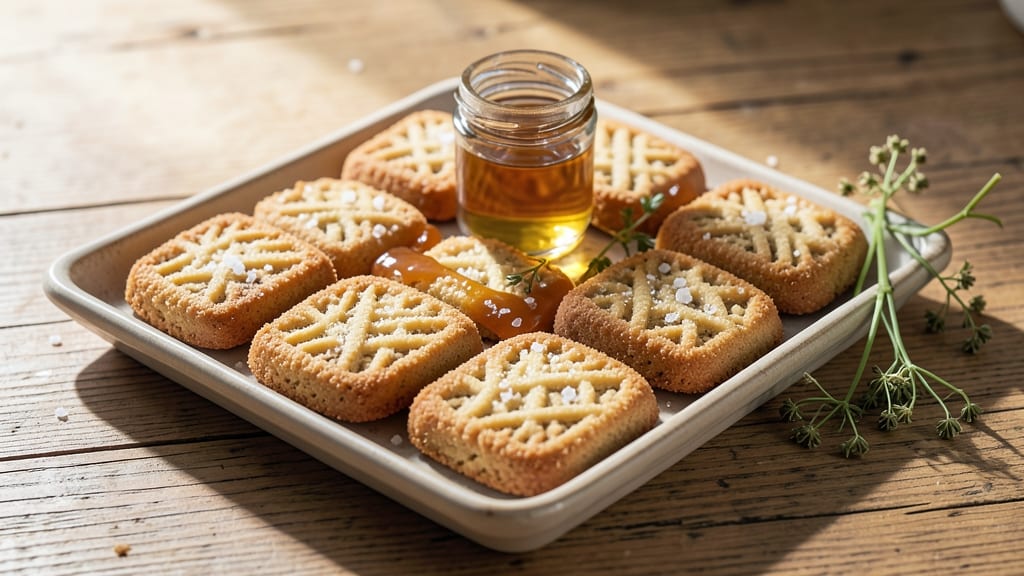
This anise shortbread cookie recipe delivers a delicate balance of licorice warmth and buttery crunch—perfect for those who crave subtle sophistication in every bite. The key lies in the aniseed, which infuses the dough with a faintly sweet, aromatic depth that pairs beautifully with vanilla.
Unlike traditional shortbread, these cookies develop a satisfying snap while maintaining a tender interior, making them ideal for holiday gifting or cozy after-dinner treats.
The recipe relies on a foolproof method with just six ingredients, including cold butter and anise extract for that signature flavor. No specialized equipment is needed—just a food processor or fork for mixing, and a baking sheet lined with parchment.
The dough comes together in minutes, but the real magic happens during the 10-minute bake at 325°F, where the edges crisp and the aroma fills your kitchen. For extra depth, a pinch of citrus zest or dark chocolate chips can elevate the flavor without overpowering the anise.
What sets these cookies apart is their textural contrast: a buttery exterior that gives way to a crumbly, melt-in-your-mouth center. The anise flavor is subtle enough to appeal to skeptics but pronounced enough to satisfy licorice lovers.
They stay fresh for up to a week in an airtight container, though they rarely last that long—especially when paired with a cup of chai or espresso.
Whether you're baking for a festive gathering or simply indulging in a quiet afternoon treat, this recipe ensures restaurant-quality results with minimal effort. The secret? Precision in measurements and patience during baking. Let’s get started—your kitchen will thank you for the aromatic transformation.
Ingredients for anise shortbread cookie
Six ingredients, one aromatic transformation—these delicate cookies blend licorice warmth with buttery vanilla perfection.
| Ingredient | Amount | Notes |
|---|---|---|
| Unsalted Butter 🧈 | 1 cup | Cold, cubed for texture |
| Granulated Sugar 🍚 | ½ cup | Superfine preferred for smoothness |
| Anise Extract 🌿 | 1 tbsp | Pure, high-quality extract |
| Pure Vanilla Extract 🍯 | 1 tbsp | Bottled, not imitation |
| All-Purpose Flour 🌾 | 2 cups | Sifted, plus extra for dusting |
| Diamond Crystal Kosher Salt 🧂 | ½ tsp | Fine grain preferred |
| Ground Aniseed 🌶️ | 1 tsp | Freshly ground for potency |
| Lemon Zest 🍋 | 1 tsp | Fresh, organic preferred |
The butter is non-negotiable—European-style or Irish butter delivers superior flavor and texture. Look for brands like Plugrá or Kerrygold at specialty stores or the international aisle of major supermarkets. Cold butter creates the signature crumbly texture, so cube it and refrigerate until ready to mix. The anise extract is the star here—McCormick or Frontier Co-op are reliable brands, but avoid imitation extracts. For the flour, King Arthur or Bob’s Red Mill provide consistent results. Sift it before measuring to prevent dense cookies.
No anise extract? Ground aniseed plus 1 tsp water mimics the flavor, though results will be slightly less refined. Substitute vanilla with vanilla bean paste—scrape the seeds for intensified aroma. For sugar, turbinado or coconut sugar adds subtle depth, though granulated works perfectly fine. If you omit lemon zest, the anise flavor becomes more pronounced—adjust to taste. For a nutty twist, replace 1 tbsp flour with finely ground almond flour. Always use cold butter—room temperature butter yields greasy cookies.
Store cookies in an airtight container with parchment between layers to maintain crispness. They’ll stay fresh for up to 1 week at room temperature—though they rarely last that long. For longer storage, freeze shaped dough balls on a tray, then transfer to a bag for up to 3 months. Reheat in a 300°F oven for 2-3 minutes to restore crunch. These cookies pair beautifully with chai or espresso, so double the batch for gifting.
Why You'll Love This Recipe
- Five-Ingredient Magic: I swear, this is the kind of recipe where you almost feel guilty because it’s so simple. Cream cold butter with sugar, fold in flour, add a whisper of anise and vanilla—done. No mixer, no fancy techniques, just a bowl and a spatula.
- Licorice-Like Love: That anise extract? It’s like a secret handshake for flavor—warm, slightly sweet, with a hint of licorice that lingers just enough to make you crave another bite. Honestly, the vanilla rounds it out so beautifully, it feels like a hug in cookie form.
- Party or Pantry: These cookies are my go-to for holidays, but they’re also the perfect afternoon pick-me-up when you need something quick. Between us, I’ve sent them to potlucks, packed them for road trips, and even frozen a batch for lazy Sundays. They don’t judge your occasion.
- Butter Budget Win: Cold butter means no waiting for it to soften, and the recipe uses just enough to keep costs low without skimping on flavor. Plus, the dough stays together so well that I’ve made these with store-bought flour and still ended up with cookies that disappear faster than I can say “second helping.”
Step-by-step instructions for anise shortbread cookies
Mastering these delicate cookies requires precision in technique and ingredient handling.
Prepare the Dough Base
In a stand mixer fitted with the paddle attachment, combine the 1 cup unsalted butter and 0.5 cup granulated sugar. Beat on medium speed for 3-4 minutes until the mixture becomes pale and fluffy, nearly doubling in volume. This creaming process incorporates air, which is essential for achieving that signature tender crumb. Watch closely as the butter transforms from soft to light and airy—this indicates proper emulsification.
Add the 1 tablespoon anise extract and 1 tablespoon pure vanilla extract, mixing for another 30 seconds until fully incorporated. The anise extract has a potent licorice flavor that needs to be evenly distributed. Here's the thing—don't rush this step. The extracts need time to meld with the butter and sugar to create a cohesive foundation for the dough.
Incorporate Dry Ingredients
In a separate bowl, whisk together the 2 cups all-purpose flour, 0.5 teaspoon diamond crystal kosher salt, 1 teaspoon ground aniseed, and 1 teaspoon lemon zest. The ground aniseed and lemon zest should be finely distributed throughout the flour to ensure even flavor in each cookie. Sift the flour mixture directly into the mixer bowl with the wet ingredients, then mix on low speed for 30-45 seconds until just combined.
Real talk: Overmixing develops gluten, which leads to tough cookies. You're looking for a dough that comes together but still has a slightly crumbly texture. If it feels too dry, you can add 1-2 teaspoons of ice water to help bind it. The dough should hold together when pressed but not be sticky—this balance is crucial for achieving that perfect shortbread texture.
Chill the Dough
Divide the dough into two equal portions and flatten each into a 6-inch round disc. Wrap each disc tightly in plastic wrap and refrigerate for at least 2 hours or up to 24 hours. Chilling is non-negotiable—it allows the flour to fully hydrate and the butter to solidify, which prevents excessive spreading during baking. The longer you chill, the more pronounced the anise flavor becomes as it has time to develop.
Here's where it gets fun—take the dough out of the fridge 30 minutes before rolling. This brief warm-up makes the dough more pliable without losing its structure. If you skip this step, the dough might crack when you roll it out, ruining the clean edges of your cookies.
Roll and Cut the Cookies
Preheat your oven to 325°F and line two baking sheets with parchment paper. On a lightly floured surface, roll out one disc of dough to a ¼-inch thickness. Use a 2½-inch round cutter to cut out cookies, gently re-rolling the scraps and cutting additional cookies. The dough should be cold enough to hold its shape when cut but not so hard that it cracks.
Place the cut cookies 2 inches apart on the prepared baking sheets. Here's the moment that matters: Don't overcrowd the pan. The cookies need room to spread slightly during baking, and proper spacing ensures even browning. If you have leftover dough scraps, you can press them together, re-chill for 15 minutes, and roll out again.
Bake to Golden Perfection
Bake the cookies for 18-22 minutes until the edges are just beginning to turn golden brown and the centers still look slightly pale. The reason we bake at 325°F instead of higher is to prevent rapid browning while still achieving that signature shortbread texture. You want the cookies to be tender but with a slight crispness at the edges.
Remove the baking sheets from the oven and let the cookies cool on the sheets for 5 minutes before transferring to a wire rack to cool completely. This brief rest prevents the cookies from cracking as they firm up. The result should be delicate, melt-in-your-mouth cookies with a subtle anise licorice note, a hint of vanilla warmth, and a touch of bright lemon zest. Enjoy them with tea or coffee for the ultimate pairing.
Pro Tips For Making Anise Shortbread Cookie
- Chill the Dough Hard: I learned this the hard way—skipping the fridge for 24 hours means your cookies will spread like pancakes. Wrap the dough in plastic and freeze it solid before slicing; the anise flavor stays sharper, and the edges stay crisp instead of turning into sad, flat disks.
- Use Cold Butter Only: No cutting corners here—measure your butter straight from the fridge, then cube it into ½-inch pieces. Cold butter creates pockets of steam during baking, which is what gives shortbread that iconic crumb. If it melts before mixing, you’re starting over.
- Measure Anise Extract Precisely: That tiny bottle of anise extract is potent. Use a dropper or syringe to measure exactly ½ teaspoon—any more and your cookies taste like licorice medicine. If you’re nervous, start with ¼ teaspoon and adjust; you can always add more, but you can’t take it out.
- Press Cookies Flat: Don’t just drop the dough. Press each cookie into the pan with your palm until it’s about ¼-inch thick—this guarantees even baking and that classic shortbread snap. A glass or a small plate works too, but your hand gives you better control (and saves cleanup).
Regional styles of this anise shortbread cookie
British Aniseed Shortbread
In the UK, these cookies are often called aniseed shortbread and are a staple in tea-time spreads. The British version typically uses ground aniseed instead of extract for a more traditional licorice flavor.
I’ve baked these with double cream instead of butter for an ultra-rich texture—just replace the butter with ½ cup heavy whipping cream mixed into the dry ingredients. Serve with Earl Grey tea for a classic British pairing. 🍵
Scandinavian Cardamom-Anise Twist
Nordic bakers often blend anise with cardamom for a warm, spiced shortbread. Add ½ teaspoon ground cardamom to the dry ingredients alongside the aniseed. Swap the lemon zest for orange zest to complement the cardamom’s floral notes. These cookies pair beautifully with glögg (mulled wine) during Scandinavian holidays. 🌟
French Licorice-Inspired Sablés
In France, these cookies are known as sablés à l’anis, often shaped into intricate cutouts. The French version uses powdered sugar instead of granulated for a finer texture. Roll the dough to ⅛-inch thickness and cut with holiday-themed cookie cutters for festive appeal.
Dust with powdered sugar before baking for a snowy finish. Serve with espresso or café au lait. ☕
American Citrus-Anise Fusion
Southern U.S. bakers often enhance the anise flavor with extra citrus. Add 1 tablespoon orange extract alongside the lemon zest and double the anise extract to 2 tablespoons for a bolder licorice-citrus punch.
These cookies are perfect for holiday cookie platters and pair well with sweet tea or bourbon. 🍋
Middle Eastern Mahalabia-Inspired
Inspired by mahalabia (rosewater cookies), this variation swaps anise extract for 1 teaspoon rosewater and adds ½ teaspoon ground cinnamon. The result is a floral, spiced shortbread that’s perfect for Ramadan or Eid celebrations. Garnish with edible rose petals for an elegant touch. 🌹
Japanese Matcha-Anise Hybrid
A fusion twist popular in Tokyo cafés blends anise with matcha. Replace 1 tablespoon flour with 1 teaspoon matcha powder and add ½ teaspoon anise extract. The earthy matcha balances the licorice sweetness beautifully. Serve with green tea or hojicha for a modern pairing. 🍵
Nutrition facts
Frequently asked questions
Can I substitute anise extract with ground aniseed?
Yes, but the flavor will differ slightly. Use 1 teaspoon ground aniseed (plus 1 teaspoon water) to mimic the extract's intensity. Ground aniseed provides a more pronounced licorice taste, while extract offers a smoother, more aromatic profile. For best results, combine both: ½ teaspoon ground aniseed plus ½ tablespoon extract.
Why did my cookies spread too much during baking?
Overworked dough or warm butter causes excessive spreading. Always use cold butter and chill the dough for at least 2 hours. If your kitchen is warm, extend chilling to 24 hours. Also, avoid overmixing—combine dry ingredients just until combined to prevent gluten development.
How do I store these cookies to keep them crisp?
Store in an airtight container with parchment paper between layers. They'll stay fresh for up to 1 week at room temperature. For longer storage, freeze shaped dough balls for up to 3 months. Reheat in a 300°F oven for 2-3 minutes to restore crispness before serving.
Can I make this recipe gluten-free?
Yes, but texture will differ. Replace all-purpose flour with a 1:1 gluten-free flour blend (like Bob's Red Mill 1-to-1). Add ½ teaspoon xanthan gum to improve structure. Expect slightly denser cookies—reduce baking time by 2-3 minutes to prevent over-browning.
What's the best way to enhance the anise flavor?
For deeper licorice notes, add ½ teaspoon fennel seeds (finely ground) to the dry ingredients. Or infuse the butter by melting it with 1 crushed star anise pod, then cooling before using. Both methods intensify the aromatic profile without overpowering the delicate vanilla balance.