
Side Dishes
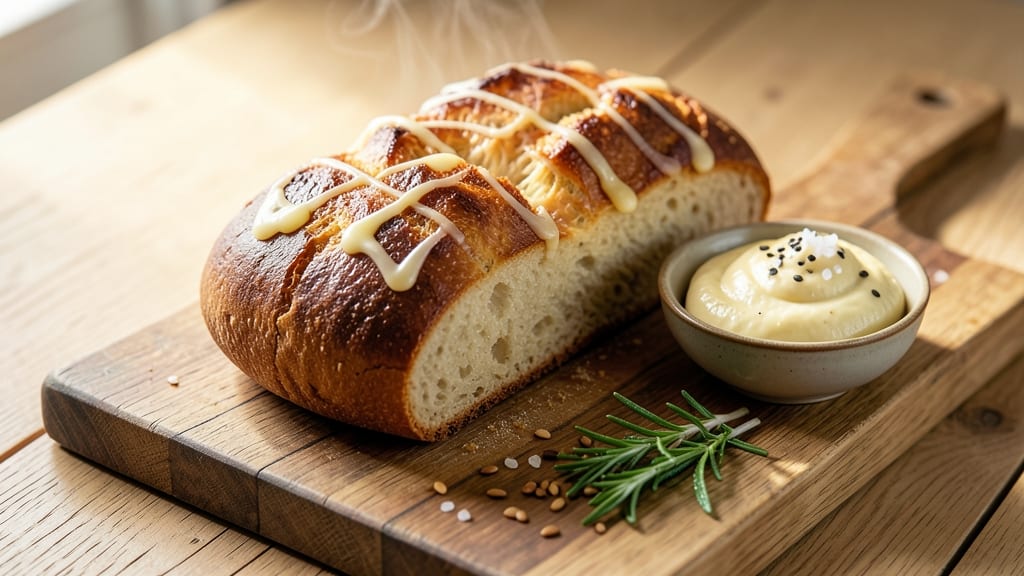
This Lebanese anda bread recipe delivers the perfect balance of crispy za'atar crust and pillowy softness inside—just like the bread you'd find in a bustling Middle Eastern bakery. 🌟 The secret lies in a precise dough formula and traditional shaping technique that ensures every bite reveals that signature contrast in texture.
Whether you're serving it alongside grilled meats or enjoying it with olive oil and za'atar, this bread becomes the star of any meal.
The recipe begins with a simple yet flavorful dough made from flour, yeast, and a touch of sugar, which develops a light, airy texture when properly kneaded and rested. The za'atar crust isn’t just for flavor—it’s a protective layer that locks in moisture while creating that irresistible crunch.
Baking it in a hot oven (or even over charcoal for an authentic touch) ensures a golden, crispy exterior without compromising the soft, fluffy interior.
What makes this bread truly special is its versatility. You can enjoy it plain, stuffed with spiced meat or eggs, or even as a vessel for soups and stews. The dough is forgiving enough for beginners but refined enough to impress seasoned bakers.
With just a few simple ingredients and a little patience, you’ll achieve a loaf that’s both rustic and elegant—perfect for any occasion.
Once you master this recipe, you’ll understand why anda bread is a staple in Lebanese cuisine. The combination of aromatic za'atar, the satisfying crunch, and the melt-in-your-mouth softness makes it impossible to resist. Ready to bake? Let’s get started on creating your own batch of this beloved bread.
Ingredients for anda bread
Just nine ingredients transform into a Lebanese bakery classic with crispy za'atar crust and tender interior.
| Ingredient | Amount | Notes |
|---|---|---|
| All-Purpose Flour 🌾 | 4 cups | Spooned and leveled for accuracy |
| Active Dry Yeast 🍞 | ¼ oz | Or 2.5g for precision |
| Granulated Sugar 🍚 | 1 tbsp | Feeds yeast for rise |
| Salt 🧂 | 1 ½ tsp | Diamond Crystal preferred |
| Unsalted Butter 🧈 | ½ cup | Cold, cubed for mixing |
| Warm Water 💧 | 1 ¼ cups | 110°F for yeast activation |
| Za'atar Spice Blend 🌿 | 2 tbsp | For crust coating |
| Extra-Virgin Olive Oil 🫒 | 2 tbsp | For dough and brushing |
| Sesame Seeds 🌰 | 1 tbsp | Optional for extra crunch |
| Semolina Flour 🌾 | 2 tbsp | For dusting work surface |
| Large Egg 🥚 | 1 whole | For egg wash (optional) |
Za'atar is the star here—Middle Eastern markets carry the best blends, but Trader Joe's has a solid pre-mixed version if you're in a pinch. Look for vibrant green sesame seeds mixed with sumac and oregano. The yeast needs to be fresh, so check the expiration date on that packet (yes, it expires!). For the flour, King Arthur or Bob's Red Mill brands are my go-tos—they bake up consistently. And that butter? Cold cubes are key for flaky layers, so don't let it soften before mixing.
No za'atar? Mix 1 tbsp sesame seeds, 1 tsp dried oregano, 1/2 tsp sumac, and 1/4 tsp cumin for a DIY version. Running short on sesame seeds? Poppy seeds or crushed pistachios work in a pinch. The egg wash is optional but gives that golden finish—skip it if you're vegan. For the olive oil, use something fruity and peppery—none of that bland supermarket stuff. And if your dough feels too sticky? Add 1 tbsp more flour gradually until it's just right for shaping.
Shape the dough into loaves and let it rest covered for 30 minutes before baking—this makes all the difference. Store cooled loaves in a bread bag at room temperature for 2 days, or freeze for up to 3 months. To reheat, wrap in foil and warm in a 350°F oven for 5-10 minutes. The crust gets even better the next day! I always make a double batch—one for fresh eating, one for freezing.
Why You'll Love This Recipe
- No-Knead Magic: I swear by this dough—just mix, let it rise, and shape. Honestly, the yeast and butter do all the heavy lifting while I sip coffee.
- Buttery Soft Payoff: That warm, pillowy crumb? It’s all thanks to the butter and sugar working together. The outside stays tender, never dry—perfect for soaking up soups or dipping in jam.
- Weeknight Hero: Stick a batch in the oven while you prep dinner. It’s ready by the time everything else is on the table, and slices reheat beautifully for breakfast the next morning.
- Budget-Friendly Staple: Flour, yeast, and butter? Pantry basics that stretch far. I make two loaves for the price of one fancy bakery buy—and they last longer, too.
Step-by-step instructions for anda bread
Here's how to craft Lebanon's beloved Anda bread with a fragrant za'atar crust and melt-in-your-mouth interior.
👨🍳 Step 1: Activate the Yeast with Warm Water and Sugar
In a small bowl, dissolve the 0.25 oz active dry yeast in the 1.25 cups warm water (test temperature with your finger—it should feel like bath water, around 110°F). Add the 1 tbsp granulated sugar and let sit for 5-10 minutes until foamy. You'll see tiny bubbles forming—this means your yeast is alive and ready to work.
If nothing happens after 10 minutes, your yeast might be dead. Start fresh with a new packet—this is your foundation. Once foamy, proceed immediately to avoid overproofing.
👨🍳 Step 2: Mix the Dough with Wet and Dry Ingredients
In a large bowl, whisk together the 4 cups all-purpose flour, 1.5 tsp salt, and 2 tbsp za'atar spice blend. Create a well in the center and pour in the yeast mixture along with the 0.5 cup cold cubed butter and 2 tbsp extra-virgin olive oil.
Mix with a wooden spoon until a shaggy dough forms, then turn it out onto a lightly floured surface. Knead for 8-10 minutes until smooth and elastic. The dough should be slightly tacky but not sticky—add more flour 1 tbsp at a time if needed. Here's the thing—za'atar contains sesame oil which makes the dough extra moist, so don't over-flour or it'll dry out.
🥘 Step 3: First Rise and Shape the Loaves
Lightly oil a large bowl, place the dough inside, and cover with a damp towel. Let rise in a warm place for 1-1.5 hours or until doubled in size. The dough should feel light and springy when pressed gently with one finger.
Punch down the dough to release air, then divide into 6 equal portions (about 8 oz each). Roll each piece into a smooth ball, then flatten slightly into an oval shape. This shaping creates the characteristic Anda bread look while ensuring even baking.
🔥 Step 4: Second Rise and Prepare for Baking
Place the shaped dough on a parchment-lined baking sheet, cover with a towel, and let rise again for 30-45 minutes until puffy. Preheat your oven to 375°F with a baking stone or inverted baking sheet on the middle rack.
In a small bowl, whisk the 1 whole large egg with 1 tbsp extra-virgin olive oil. Brush this mixture over each loaf, then sprinkle generously with 1 tbsp sesame seeds and the remaining 2 tbsp za'atar spice blend. This gives Anda bread its iconic flavor and texture contrast.
🔥 Step 5: Bake to Golden Perfection
Bake for 20-25 minutes until the loaves are deep golden brown with a crisp crust. The interior should register 190-200°F when tested with an instant-read thermometer. For best results, rotate the baking sheet halfway through for even browning.
Here's the moment that matters: when you tap the bottom of a loaf, it should sound hollow. Let cool on a wire rack for 15 minutes before serving. The crust will be fragrant with za'atar's thyme and sesame notes, while the interior remains wonderfully pillowy—just like fresh from a Lebanese bakery.
Pro Tips For Making Anda Bread
- Use Warm Butter, Not Cold: I learned this the hard way—mixing cold butter into the dough makes it fight you every step. Take that butter out of the fridge 15 minutes before you start, or even better, microwave it for 10 seconds to soften it just enough to cut into the flour like a dream. Your dough will be smoother, and you’ll save your knuckles from bruises.
- Skip the Over-Kneading: This isn’t the prettiest method, but it’s the tastiest: stop kneading as soon as the dough pulls away from the bowl and feels just slightly tacky. Overwork it, and you’ll end up with a dense, chewy loaf that’s more like a brick than the soft, pillowy anda bread you’re after. Two minutes past that point is two minutes too long.
- Let the Yeast Breathe: Sounds weird, but it works: after mixing the yeast with warm water and sugar, let that bubbly mixture sit for 5 minutes before adding it to the flour. This extra step ensures the yeast is fully activated and ready to party, which means your dough will rise faster and more evenly. (Yes, even if you’re impatient like me.)
- Shape Tight, Not Loose: Your future self will thank you if you resist the urge to rush the shaping. Press the dough into a tight, compact ball—no gaps, no weak spots. The butter needs to stay sealed in, or you’ll end up with a bread that’s more greasy than golden. Roll it out thin, fold it like a letter, and seal those edges like you’re wrapping a present. Tightness = flavor.
Regional styles of these flavors
Lebanese Bakery Style
In Lebanese bakeries, anda bread is traditionally baked in a stone oven or tandoor to achieve that signature crispy crust and soft interior. The high heat (around 450°F) creates a perfect Maillard reaction on the outside while keeping the inside tender.
If you don’t have a tandoor, use your oven’s broil setting for the last 2-3 minutes to mimic this effect. 🔥
For an authentic touch, many bakeries shape the bread into small, round loaves (about 3-4 inches in diameter) rather than the ovals we’re making. These are often baked directly on the oven floor or on a clay baking tray for better heat conduction.
The key is to get the dough hot and fast—this is what gives anda bread its signature texture.
Turkish Mandi Bread
In Turkey, anda bread is known as mandi bread and is often baked in a cast-iron pot buried in hot coals—a method called mandi cooking. This creates a steam-infused crust that’s slightly chewier than the Lebanese version.
To replicate this at home, place your shaped loaves in a heavy Dutch oven, cover with the lid, and bake for 15 minutes before uncovering for the final 5 minutes to crisp.
The Turkish version often includes more olive oil (up to 3 tbsp) in the dough for extra richness. They also frequently stuff the bread with spiced meat or eggs before baking, creating a self-contained meal.
For a fusion twist, try adding 1 tbsp ground cumin to the dough for a deeper, earthier flavor.
Syrian Stuffed Anda
Syrian households often use anda bread as a vessel for soups or stews, similar to how Italians use focaccia. The dough is shaped into larger, flatter rounds (about 6 inches wide) and baked until crisp.
After baking, a hole is cut in the center, and the bread is filled with lentil soup, yogurt sauce, or spiced meat. The bread absorbs the flavors beautifully while staying soft.
For a Syrian-style stuffed anda, shape your dough into thick, flat rounds (about ½ inch thick) and bake until the edges are golden. Let cool slightly, then cut a 3-inch circle from the center.
Fill with your favorite stew or sauce, then serve immediately. The contrast of the crispy edges and soft center makes every bite exciting.
Egyptian Fougassa Twist
While not exactly anda bread, Egyptian fougassa shares the same za'atar crust and pillowy interior. The difference? Fougassa is often topped with olives, capers, or anchovies before baking.
For a Middle Eastern fusion, brush your baked anda loaves with extra olive oil, then sprinkle with chopped kalamata olives and red pepper flakes. Bake for an additional 3-5 minutes until the olives soften slightly.
This variation works especially well as an appetizer or mezze platter. The briny olives pair perfectly with the earthy za'atar, creating a flavor explosion. Serve with a cool tzatziki dip or whipped feta for the ultimate Mediterranean spread. 🌿
Nutrition facts
Frequently asked questions
Can I make anda bread without za'atar?
While za'atar gives the signature flavor, you can substitute with 1 tbsp dried oregano + 1 tsp sesame seeds + ½ tsp sumac for a similar taste profile. For a different twist, try garlic powder + paprika or everything bagel seasoning. The key is to keep the crust flavorful—just avoid plain salt-only coatings.
Why did my anda bread turn out dense instead of pillowy?
Dense bread usually means one of three things: over-kneading (break it up after 8 minutes max), underproofed yeast (let it rise until doubled), or too much flour (za'atar dough should be slightly tacky). Try using warm water (110°F) for activation and let the dough rise in a warm spot (like near the oven with light on). The second rise is crucial—don't skip it!
How do I store leftover anda bread?
For short-term storage, keep cooled loaves in a bread bag or airtight container at room temperature for 2 days. For longer storage, freeze unwrapped loaves on a tray first (to prevent sticking), then transfer to a bag for up to 3 months. To reheat, wrap in foil and warm at 350°F for 5-10 minutes—the crust gets even better reheated!
Can I make anda bread in a Dutch oven for extra crispiness?
Yes! Place shaped loaves in a cold Dutch oven, cover with the lid, and bake at 375°F for 15 minutes to steam the dough. Then remove the lid and bake 5-10 minutes more until golden. This creates a chewier crust similar to Turkish mandi bread. For best results, preheat the oven with the Dutch oven inside.
What's the best way to shape anda bread for beginners?
Start with round balls instead of ovals—they're easier to handle. After the first rise, divide dough into 6 equal pieces, then roll each into a smooth ball (about 3 inches wide). Flatten slightly with your palm to create a ½-inch thick round. For extra stability, dimple the top lightly with your finger before baking. This prevents cracking while maintaining the signature shape.