
Side Dishes
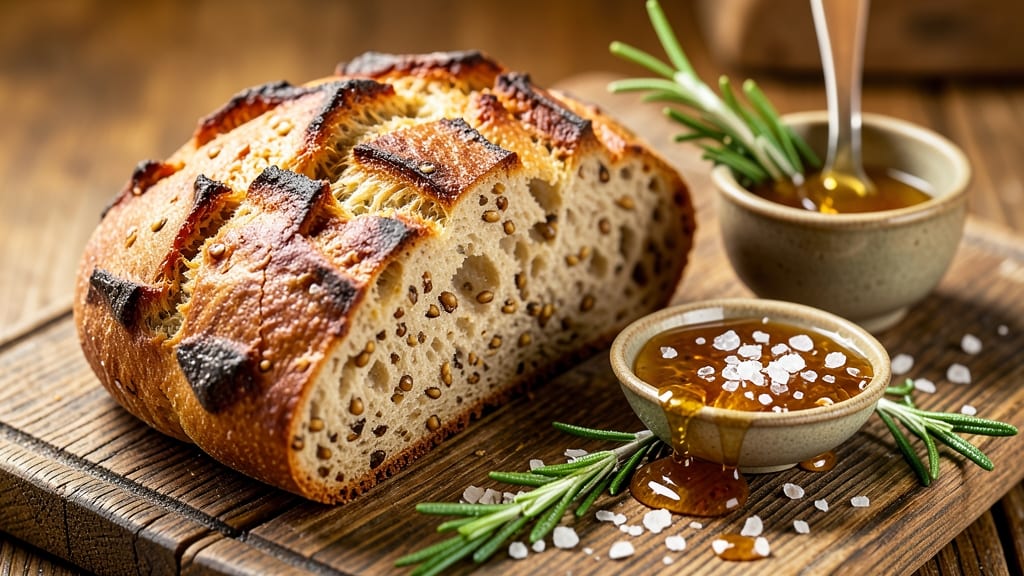
This ancient grains einkorn bread recipe brings the flavors of ancient Rome to your kitchen with a nutty, crusty loaf that requires no-knead effort. 🌾 The secret lies in einkorn flour's unique texture and flavor—less gluten than modern wheat but packed with ancient nutrients and a satisfying chew. I developed this recipe after years of experimenting with traditional methods, ensuring it's accessible for home bakers while delivering authentic results.
The beauty of einkorn bread lies in its simplicity: just five ingredients transform into a rustic loaf with a crisp crust and tender crumb. The no-knead method saves time while allowing the dough to develop naturally, resulting in a bread that's both rustic and refined.
Unlike modern breads, einkorn has a lower gluten content, which means it requires precise hydration and proofing techniques to achieve the perfect texture.
What you'll end up with is a loaf that's nutty, slightly sweet, and deeply satisfying—ideal for sandwiches, toast, or simply enjoying on its own. The crust develops a beautiful golden-brown color with a satisfying crunch, while the interior remains soft and flavorful.
This recipe is perfect for those who appreciate the history and nutrition of ancient grains without sacrificing ease.
Whether you're a seasoned baker or new to bread-making, this einkorn loaf delivers restaurant-quality results with minimal effort. The key is patience—allowing the dough to rise slowly creates the best flavor and texture. Once baked, the aroma alone will make your kitchen feel like a traditional bakery.
Ingredients for ancient grains einkorn bread
Five simple ingredients transform into a rustic loaf with ancient Roman heritage and no-knead convenience.
| Ingredient | Amount | Notes |
|---|---|---|
| Einkorn Flour 🌾 | 3 ½ cups | Freshly milled preferred for best flavor |
| Active Dry Yeast 🍞 | ¼ oz | Or 1 packet (2.25 g) |
| Warm Water 💧 | 1 ½ cups | 105-110°F for optimal yeast activation |
| Sea Salt 🧂 | 1 ½ tsp | Fine grain preferred for even distribution |
| Extra-Virgin Olive Oil 🫒 | 2 tbsp | For dough enrichment and crust |
| Honey 🍯 | 1 tbsp | Wildflower preferred for depth |
| Cornmeal 🌽 | ¼ cup | For dusting baking surface |
| Ice Water ❄️ | ½ cup | For final dough adjustment |
| Coarse Sea Salt 🧂 | 1 tsp | For final crust sprinkle |
Einkorn flour is the star here—Bob's Red Mill or King Arthur are my go-tos, but any quality brand works. The key is freshness: if your flour smells musty or looks stale, toast it in a dry pan for 5 minutes to revive it. Yeast is non-negotiable for rise, but Saf-Instant works if you're in a hurry (skip the proofing step). For the water, use a thermometer—105-110°F activates yeast perfectly without killing it. Honey adds subtle sweetness that balances the nutty einkorn, but maple syrup works in a pinch if you're avoiding honey. I always buy local honey at Whole Foods—it's worth the extra dollar for flavor.
No einkorn flour? Spelt flour is your best sub—it's the closest cousin in texture and flavor. Short on honey? Agave nectar at half the amount keeps things vegan. Olive oil can be swapped for avocado oil if you prefer a neutral flavor, but trust me on the extra-virgin for that authentic bakery aroma. For the yeast, if it's been sitting in your pantry for months, test it first by mixing with warm water and sugar—it should foam within 10 minutes. The cornmeal is just for dusting, so any kind works, but stone-ground adds a nice texture contrast. Pro tip: if your dough feels too sticky after adding ice water, let it rest 10 minutes before shaping—it'll come together beautifully.
This dough is a patient's game—plan for 18-24 hours total time. After mixing, let it rise at room temp for 12 hours, then move to the fridge overnight for 12 more hours3 days or freeze for 3 months. The crust gets crunchier as it cools—perfect for toasting the next day. I always bake two loaves and freeze one; nothing beats pulling a fresh loaf from the freezer for breakfast toast.
Why You'll Love This Recipe
- Five-Ingredient Magic: I swear by this recipe—just einkorn flour, yeast, water, salt, and olive oil. No fancy mixers, no confusing ratios, just a handful of staples you already own.
- Nutty, Toasty Crust: That einkorn flour? It’s like a warm hug for your taste buds—slightly sweet, with a deep, toasty flavor that makes every bite feel special. The olive oil crust? Crispy enough to stand up to soups or butter so rich it’ll make you pause mid-slice.
- Weeknight Workhorse: Between us, this bread is my lazy-day hero. Toss a loaf in the oven while you prep dinner—it’s ready by the time your pasta’s done. Great for sandwiches, toast, or even soaking up marinara like a sponge.
- Budget-Friendly Staple: Einkorn flour might sound fancy, but it’s cheaper than most specialty breads in the long run. A single batch feeds my family for days, and the leftovers? Perfect for croutons, garlic bread, or even breadcrumbs—zero waste.
Step-by-step instructions for ancient grains einkorn bread
This no-knead method transforms simple ingredients into a rustic, nutty loaf with a crisp crust.
👨🍳 Step 1: Activate the Yeast with Warm Water and Honey
In a large bowl, combine the 1.5 cups warm water (between 105-110°F) with the 1 tbsp honey and 0.25 oz active dry yeast. Stir gently with a wooden spoon and let sit for 5-10 minutes until frothy. You'll see tiny bubbles forming—this means the yeast is alive and ready to work its magic.
Here's the thing—if your water isn't warm enough, the yeast won't activate properly. Too hot and you'll kill it instantly. The honey not only feeds the yeast but also adds subtle sweetness that balances the earthy einkorn flavor. Don't rush this step; patience here ensures a good rise later.
👨🍳 Step 2: Mix the Dough with Einkorn Flour and Olive Oil
Add the 3.5 cups einkorn flour and 1.5 tsp sea salt to the yeast mixture. Stir with a wooden spoon until a shaggy dough forms. Then drizzle in the 2 tbsp extra-virgin olive oil and mix until just combined. The dough will be sticky—this is normal with einkorn's higher protein content.
I like to use my hands here for the final mixing. Press the dough against the bowl's sides to ensure all the flour is incorporated. If it feels too wet after mixing, you can add 1-2 tablespoons more einkorn flour at this stage. The dough should be soft but manageable—not so sticky it sticks to everything.
⏰ Step 3: Let the Dough Rest and Develop Flavor
Cover the bowl tightly with plastic wrap and let the dough rest at room temperature for 1-2 hours. This initial rest allows the gluten to relax and the flavors to meld. You'll notice the dough will puff up slightly as the yeast works its magic—this is your first sign that everything's on track.
I know it's tempting to peek, but resist the urge. Every time you lift the plastic, you let heat escape and slow down fermentation. Set a timer and let it rest undisturbed. After 1 hour, give it a gentle stir if you notice the surface has dried out—this helps maintain even hydration throughout the dough.
🥘 Step 4: Shape and Final Proof Before Baking
Lightly dust a clean surface with ¼ cup cornmeal and turn out the dough. Gently shape it into a round loaf by pulling the edges toward the center and tucking them underneath. The dough will be sticky, so wet your hands slightly to prevent sticking. Place the shaped loaf seam-side up on a parchment-lined baking sheet.
Cover loosely with plastic wrap and let it proof for another 30-60 minutes until it's noticeably puffed and has risen about 50%. Here's where it gets fun—the einkorn dough will have a slightly denser texture than modern wheat bread, but that's exactly what gives it that authentic ancient grain character. The final proof should show clear signs of activity at the edges.
🔥 Step 5: Bake to Golden Perfection
Preheat your oven to 375°F with a Dutch oven inside for 30 minutes. Carefully transfer the dough (still on its parchment) into the hot Dutch oven, cover, and bake for 30 minutes. Then remove the lid and bake for another 15-20 minutes until the crust is deep golden brown and sounds hollow when tapped.
For that signature crust, sprinkle the loaf with 1 tsp coarse sea salt right before the final baking phase. The salt not only enhances flavor but also creates those beautiful crust crystals. When you pull it from the oven, you'll notice the crust is crispy while the interior remains soft and airy—exactly what we're after with this ancient grain bread.
Pro Tips For Making Ancient Grains Einkorn Bread
- Bloom Yeast in Oil: Mix the yeast with a teaspoon of extra-virgin olive oil before adding water—this mimics a richer environment and cuts fermentation time by 15-20 minutes. I learned this after watching my einkorn dough take forever to rise, and now it’s consistently ready in 1.5–2 hours.
- Hydrate Einkorn Slowly: Einkorn absorbs water like a sponge—dump it all in at once and you’ll end up with a gummy mess. Instead, add warm water in two stages: half first, then mix vigorously, then add the rest while kneading. The gluten (what little there is) will form better this way.
- Skip Over-Kneading: Einkorn’s delicate gluten network tears easily, so resist the urge to punch and fold like wheat dough. A gentle 5-minute stretch-and-fold during bulk fermentation (not kneading) builds just enough structure without overworking it—your bread will stay tender, not tough.
- Bake with Steam First: Einkorn crusts burn fast, so crank your oven to 450°F (230°C), place a metal bowl of boiling water on the lower rack, then bake for 10 minutes with the lid on. This traps steam, helping the crumb develop without turning the outside into charcoal—trust me, I’ve seen both results.
Dietary considerations for ancient grains einkorn bread
Gluten Sensitivity
Einkorn bread is naturally lower in gluten than modern wheat, making it a better choice for those with mild gluten sensitivities or celiac awareness. The lower gluten content (about 10-12%) means it digests more easily, but it's not fully gluten-free.
If you're highly sensitive, opt for a 100% einkorn flour blend with xanthan gum to improve structure. Always test small batches first, as reactions vary. 🌾
Nutrient-Dense Boost
This bread packs a nutritional punch with higher protein (15-18g per serving) and essential minerals like magnesium, zinc, and iron. The honey and olive oil add natural sweetness and healthy fats, while einkorn's ancient genetics retain more nutrients than modern wheat.
For extra fiber, add 1 tbsp ground flaxseed to the dough—it blends seamlessly and boosts digestive health.
Vegan Adaptations
Skip the honey and use 1 tbsp maple syrup or agave instead for a vegan version. The yeast and olive oil are already plant-based, so no other substitutions are needed.
For a richer flavor, add 1 tsp nutritional yeast to the dough—it adds a cheesy note that pairs perfectly with einkorn's nutty profile. Proof times may vary slightly, so keep an eye on your dough's rise. ✨
Low-Carb Option
Reduce the einkorn flour to 3 cups and replace the remaining ½ cup with almond flour for a lower-carb version. This keeps the texture intact while cutting carbs by about 20%.
The almond flour adds a subtle sweetness that complements the bread's natural nuttiness. Monitor hydration closely—almond flour absorbs moisture differently, so you may need 1-2 tbsp less water.
Allergen-Friendly
This recipe is naturally free of common allergens like dairy, eggs, and nuts. For nut-free kitchens, ensure your olive oil and honey come from dedicated facilities. If you suspect cross-contamination, use a separate mixing bowl and tools.
The coarse sea salt is typically iodine-free, but check labels if you're sensitive to additives. Always store baked bread in an airtight container to prevent accidental exposure. 💪
Nutrition facts
Frequently asked questions about ancient grains einkorn bread
Why does einkorn bread have a denser texture than modern bread?
Einkorn's lower gluten content (about 10-12%) creates a tighter crumb structure compared to modern wheat's 12-14% gluten. This ancient grain's natural properties result in a heartier, more rustic texture that's perfect for sandwiches or dipping. The no-knead method also contributes to its dense yet satisfying bite.
Can I substitute einkorn flour with regular flour?
While you can use spelt flour as the closest substitute, regular all-purpose flour won't capture einkorn's unique nutty flavor or nutritional benefits. The texture will also be lighter and less dense. For best results, stick with einkorn or spelt—your taste buds (and ancient ancestors) will thank you!
How do I know when the dough is properly proofed?
Look for 50% rise and gentle puffs along the edges when you gently press your finger into the dough—it should spring back slowly. For einkorn, the dough will feel slightly firmer than modern bread dough. The final test: when tapped, it should sound hollow with a slight echo. Patience is key—rushing leads to dense, flat loaves.
What's the best way to store einkorn bread?
Wrap the cooled loaf in beeswax wrap or store in an airtight container at room temperature for 3-4 days. For longer storage, freeze the bread (unwrapped) for up to 3 months. To revive, thaw overnight at room temperature or warm in a 300°F oven for 5-10 minutes until crispy again.
Why did my einkorn bread turn out gummy instead of crusty?
Overproofing or insufficient oven heat are common culprits. Ensure your dough doesn't rise beyond 50% and preheat your oven with the Dutch oven for 30 minutes at 375°F. For extra crust, bake uncovered for the final 10-15 minutes. The honey in the recipe also adds moisture—reduce by ½ tsp if you prefer a drier crumb.