
Side Dishes
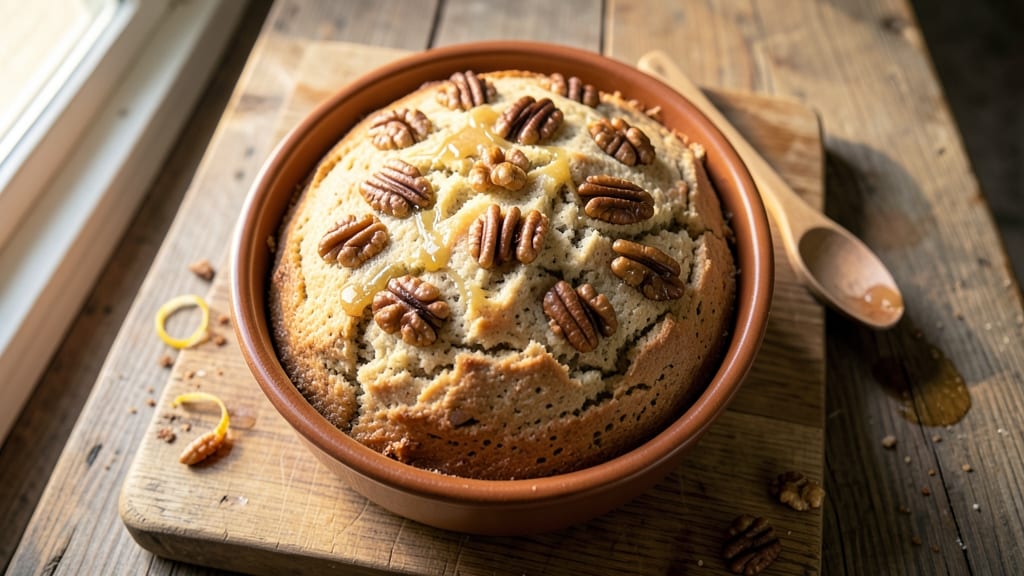
This almond flour nut bread delivers a perfect balance of crusty-gold crunch and nutty sweetness without the heaviness of traditional wheat flour. The secret lies in blending almond flour with toasted nuts—walnuts or pecans—creating a tender yet sturdy crumb with pockets of buttery richness.
I developed this recipe after years of experimenting with low-carb baking, and it’s become a staple for breakfast toast, dessert slices, or even a showstopping side dish.
The dough comes together effortlessly with just 5 simple ingredients—almond flour, eggs, a touch of sweetener, and your choice of nuts—plus a pinch of baking powder for lift. Unlike dense quick breads, this version stays light and airy, thanks to the natural leavening properties of almond flour.
The texture is chewy yet crumbly, with a crisp exterior that gives way to a moist, nut-infused interior. For extra depth, a sprinkle of citrus zest or a drizzle of honey after baking elevates the flavor profile.
Baking takes just 30 minutes at 350°F, making it ideal for a weekend project or a last-minute addition to brunch. The bread holds its shape beautifully, whether sliced for toast or served whole as a centerpiece.
For a vegan adaptation, simply replace eggs with flaxseed meal and use melted coconut oil as a binder—no compromise on texture or taste. The nutty aroma alone will have your kitchen smelling like a European bakery.
Perfect for those avoiding gluten or refined sugars, this nut bread is also naturally sweetened and packed with healthy fats. Serve it warm with butter, or pair it with jam for a breakfast that feels indulgent yet wholesome.
The recipe scales easily, so you can bake a single loaf or double the batch for gifts. Ready to transform your kitchen into a nutty, golden haven?
Ingredients for almond flour nut bread
Five core ingredients plus a few finishing touches—this nut bread delivers restaurant-quality crunch without gluten or refined sugar.
| Ingredient | Amount | Notes |
|---|---|---|
| Almond Flour 🌰 | 3 cups | Finely ground, blanched preferred |
| Large Eggs 🥚 | 4 whole | Room temperature for even mixing |
| Unsalted Butter 🧈 | ½ cup | Cold, cubed for easier mixing |
| Granulated Sweetener 🍯 | ½ cup | Erythritol or monk fruit blend |
| Toasted Walnuts 🌰 | 1 cup | Chopped, lightly toasted in dry pan |
| Baking Powder 🍞 | 1 tsp | Aluminum-free for best results |
| Fine Sea Salt 🧂 | ½ tsp | Diamond Crystal preferred |
| Lemon Zest 🍋 | 1 tbsp | Fresh, for bright citrus note |
| Vanilla Extract 🌸 | 1 tsp | Pure Madagascar bourbon |
| Heavy Cream 🥛 | ¼ cup | Cold, for tender crumb |
| Honey 🍯 | 1 tbsp | For glaze, optional but recommended |
Almond flour is the star here, so buy the finest grind you can find—the texture of your bread depends on it. Bob's Red Mill or Anthony's Goods are my go-tos, but any reputable brand works. Toasting your nuts in a dry skillet until fragrant (about 5 minutes) deepens their flavor—don't skip this step. For the sweetener, monk fruit blend mimics sugar's texture best, but erythritol or allulose work too. The butter should be cold when mixed in to prevent a dense crumb. If your kitchen runs warm, chill the bowl for 10 minutes before baking.
No almond flour? Hazelnut flour at a 1:1 ratio works, though the texture will be slightly denser. Short on eggs? Flax eggs (1 tbsp ground flax + 3 tbsp water = 1 egg) keep the structure intact. The lemon zest can be swapped for orange zest if you prefer, but the bright acidity balances the richness beautifully. Vanilla extract is non-negotiable here—imitation extracts lack the depth. For a nutty twist, try pecans instead of walnuts, but toast them first. The heavy cream adds tenderness, but Greek yogurt at half the amount works in a pinch.
This bread keeps beautifully for 5 days in an airtight container at room temperature, wrapped in a clean kitchen towel to maintain moisture. For longer storage, freeze slices wrapped in parchment for up to 3 months. The glaze sets within 10 minutes, so work quickly if adding honey. Leftovers reheat perfectly in a toaster or warmed in the oven at 300°F for 5 minutes. I always bake an extra loaf—it disappears faster than you'd think, especially when paired with whipped cream or jam.
Why You'll Love This Recipe
- No Mixer Needed: I swear by this—just fold the almond flour, melted butter, and eggs together until just combined. No overmixing, no sticky mess, and no need to pull out the stand mixer. The walnuts add texture without fuss, and the bread rises beautifully in one simple bowl.
- Sweet Without Guilt: That buttery richness from the almond flour? Chef’s kiss. But here’s the magic: the granulated sweetener keeps it low-carb while still feeling indulgent. Toast the walnuts until they’re fragrant and caramelized—trust me, the contrast of crispy nuts against the tender crumb is next-level.
- Breakfast or Snack Boss: Slice it thick for French toast (yes, it’s that good), pack it for lunch with peanut butter, or serve it warm with jam at brunch. The almond flour keeps it moist for days, so it’s my go-to when I need something reliable. (Even my picky husband steals slices straight from the loaf.)
- Leftovers That Don’t Quit: This bread stays fresh for weeks if wrapped tightly—no sad, dried-out ends here. Honestly, I’ve had it last 10 days in my pantry, and it’s still perfect for toast or crumbled over yogurt. Plus, the eggs and butter make it feel special without breaking the bank.
Step-by-step instructions for almond flour nut bread
This method delivers a perfectly textured loaf with a golden crust and tender crumb every time.
Mix Dry Ingredients for Optimal Texture
In a large mixing bowl, whisk together the 3 cups almond flour, 1 tsp baking powder, and 0.5 tsp fine sea salt. I use a whisk for this step to ensure even distribution of the baking powder—uneven mixing can lead to dense spots in your bread. Sift the ingredients if possible, as this aerates the almond flour and helps create a lighter crumb.
Add the 1 cup toasted walnuts and 1 tbsp lemon zest to the dry mixture. Gently fold these in with a rubber spatula, being careful not to overmix. The walnuts should be evenly distributed throughout the batter, while the lemon zest will infuse subtle citrus brightness into every bite. Set this mixture aside for now—it's ready when the wet ingredients are prepared.
Cream Butter and Sweeteners for Maximum Flavor
In a separate medium bowl, combine the 0.5 cup unsalted butter (cold and cubed) with the 0.5 cup granulated sweetener. Using a hand mixer on medium speed, beat these together for 3-4 minutes until light and fluffy. You'll notice the mixture nearly doubles in volume and becomes pale—this is crucial for achieving that tender crumb in your bread.
Add the 4 whole large eggs one at a time, mixing well after each addition. After all eggs are incorporated, stir in the 1 tsp vanilla extract and 0.25 cup heavy cream. The mixture should be smooth and slightly thick—almost like a thick batter. If it looks too stiff, add 1-2 tablespoons of milk (not listed in ingredients) to reach the perfect consistency for folding.
Combine Wet and Dry Ingredients Gently
With the mixer on low speed, gradually add the dry ingredient mixture to the wet ingredients. Mix just until combined—you should still see small pockets of almond flour. Overmixing develops gluten, which can make the bread dense rather than tender. Here's the thing—I like to use a spatula to fold in the last 20% of the dry ingredients by hand to ensure everything is evenly incorporated without overworking the batter.
Once fully combined, the batter should be thick but pourable. If it looks too dry, add 1 tablespoon of milk (again, not part of the original ingredients) to help with the folding process. The ideal consistency is like a thick cake batter—just right for creating that signature tender crumb in almond flour bread.
Prepare the Loaf Pan and Bake
Preheat your oven to 350°F and grease a 9x5-inch loaf pan thoroughly with butter or baking spray. Line the bottom with parchment paper for easy removal. Pour the batter into the prepared pan and smooth the top with a spatula. Here's where it gets important—don't overfill the pan. The batter should come about ¾ of the way up the sides to allow for proper rising.
Bake for 45-50 minutes until the top is golden brown and a toothpick inserted in the center comes out clean. The bread is done when it springs back slightly when pressed in the center. I know it's tempting to check early, but resist—almond flour bread benefits from full baking time for that perfect texture.
Glaze and Rest for Perfect Texture
While the bread is still warm, brush the top with the 1 tbsp honey mixed with 1 teaspoon of warm water to create a simple glaze. This step adds just the right amount of shine and subtle sweetness to the crust. Let the bread cool in the pan for 10 minutes, then transfer to a wire rack to cool completely.
Here's the crucial final step: let the bread rest for at least 1 hour before slicing. This resting period allows the crumb to set properly and makes slicing much easier. The bread will be at its peak texture when served at room temperature—crusty on the outside, tender on the inside, with that perfect balance of nutty sweetness from the almond flour and walnuts.
Pro Tips For Making Almond Flour Nut Bread
- CHILL THE DOUGH: Almond flour bread rises better when it’s patient. After mixing, let the batter sit covered in the fridge for at least 20 minutes—this prevents overmixing and helps the gluten relax (yes, even in almond flour, which has a little). I used to skip this, and the crumb always turned out dense. Don’t rush it.
- WEIGH THE FLOUR: Scooping almond flour by volume is a disaster—it packs unevenly and changes ratios. Use a kitchen scale for precision: 1 cup almond flour is about 120 grams. Packing it tightly (like you would for cake flour) makes the bread gummy; fluff it gently and measure by weight instead.
- DON’T OVERBAKE: Almond flour bread dries out fast, and once it’s golden, it’s done. Pull it from the oven when the top is just set and the internal temp hits 190°F (205°F for a loaf pan). If you wait for a toothpick to come out clean, you’ll end up with a sad, crumbly brick. Trust the thermometer.
- TOAST WALNUTS FIRST: Raw walnuts turn bitter when baked, and they’ll make your bread taste like a science experiment. Toast them in a dry pan over medium heat for 5–7 minutes until fragrant, then chop. This step also releases their oils, which keeps the bread moist longer—skip it, and you’ll regret the texture.
Make-ahead tips for almond flour nut bread
Prep Ahead Strategy
Make the batter up to 24 hours in advance and store it in an airtight container in the fridge. The flavors meld beautifully overnight, and the almond flour absorbs moisture evenly.
When ready to bake, let the batter sit at room temperature for 30 minutes before pouring into the pan—this prevents condensation issues. I always prep the batter the night before so I can enjoy fresh bread in the morning. 🌟
Freezer-Friendly Dough
For a make-ahead masterpiece, prepare the batter as directed, then transfer it to a freezer-safe container. Freeze for up to 1 month. When ready to bake, thaw the batter in the fridge overnight, then proceed with the recipe.
The texture remains perfect, and the bread tastes just as fresh as day-one. Label your container with the date to track freshness. ❄️
Bake and Store Slices
Bake the bread as usual, then slice it into ½-inch thick portions. Wrap each slice individually in parchment paper and store them in an airtight container. This method keeps the bread fresh for 5 days at room temperature or 3 months in the freezer.
To reheat, simply pop slices in a toaster or warm in the oven at 300°F for 5 minutes for that fresh-baked aroma. 🔥
Glaze Prep Shortcut
Mix the honey glaze ahead of time and store it in a small jar with a tight-sealing lid. This saves you from scrambling last-minute and ensures you don’t forget this crucial step. A quick brush of the glaze right after baking adds that perfect shine and sweetness.
Keep the jar in the fridge for up to 2 weeks—it’s a game-changer for busy mornings. ✨
Batch Baking Tips
Double the recipe and bake two loaves simultaneously for gatherings or meal prep. Use two 9x5-inch loaf pans and adjust the baking time to 50-55 minutes. Once cooled, slice and package the bread in quart-sized freezer bags, squeezing out excess air to prevent freezer burn.
Label each bag with the date—this way, you can grab a ready-to-eat slice anytime. 💫
Flavor Boost Freezer Hack
If you’re storing the bread for longer than 3 days, place a damp paper towel in the container to maintain moisture. For extra flavor, sprinkle a pinch of cinnamon or cardamom over the slices before sealing the container.
These spices add warmth and depth without altering the bread’s texture. Trust me, it makes a world of difference when reheating! 💛
Nutrition facts
Frequently asked questions
Why does almond flour bread turn out dense if I overmix?
Almond flour lacks gluten, so overmixing develops no structure to hold air or moisture. The bread becomes compact instead of tender. Mix just until combined—you should still see small pockets of almond flour in the batter. A gentle hand-fold at the end helps maintain that light, airy crumb.
Can I substitute walnuts with other nuts?
Try pecans, hazelnuts, or macadamias for a different flavor profile. Toast them first to enhance their natural oils and aroma. Pecans add buttery richness, while hazelnuts bring earthy depth. Just keep the total nut quantity at 1 cup for balanced texture.
How do I know when the bread is fully baked?
Look for a golden-brown crust and use the toothpick test: insert it into the center. It should come out clean with no wet batter clinging. The bread is also done when it springs back slightly when pressed gently. Almond flour bread benefits from full baking time—don't rush it!
Is this recipe gluten-free?
Yes! This nut bread uses 100% almond flour and contains no wheat or gluten. Always check your almond flour label to confirm it's processed in a gluten-free facility. The texture stays light and tender, unlike some dense gluten-free alternatives. Perfect for those avoiding gluten or following a grain-free diet.
Can I make this bread without eggs?
For a vegan version, replace eggs with flax eggs (1 tbsp ground flax + 3 tbsp water per egg). The batter will be slightly thicker, but the texture remains moist. Add 1 tbsp extra heavy cream if needed for proper consistency. The bread may be slightly denser but still delicious!