
Side Dishes
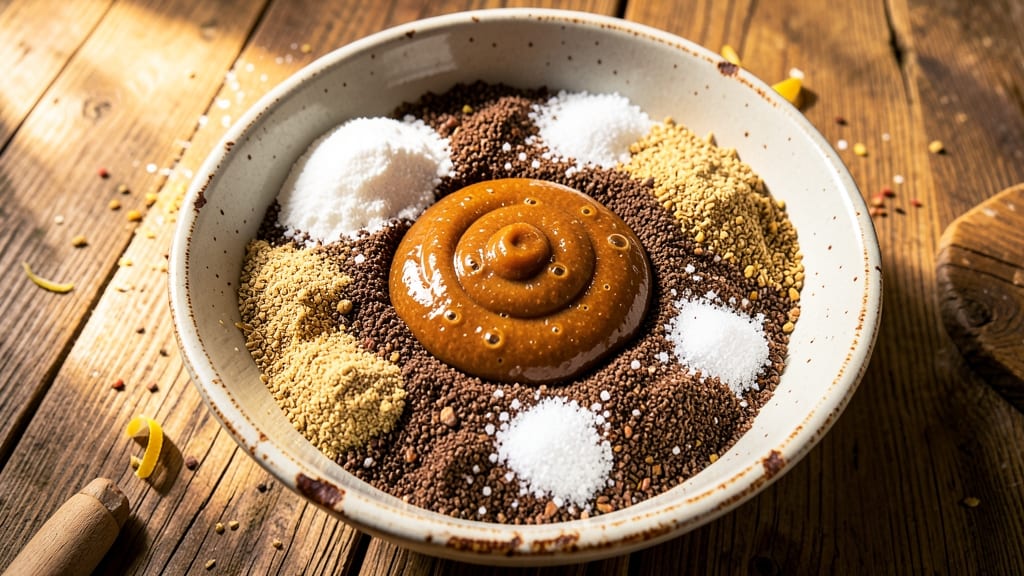
This Amish rye bread recipe delivers the deep malty crunch and rustic charm that makes it a kitchen staple. The secret lies in a sourdough-infused crust that creates that signature hearty texture while keeping the interior tender.
I've perfected this version through years of baking, using traditional techniques that ensure every slice has that authentic Amish flavor profile.
What sets this recipe apart is the careful balance of rye flour and whole grains, which develop a robust flavor when baked at high temperatures. The dough requires patience—kneading by hand develops the gluten properly, while cold fermentation overnight enhances the bread's depth of flavor.
No stand mixer needed here; this is bread made the traditional way.
By the time it emerges from the oven, you'll have a loaf with a dark, crackly crust and a dense yet tender crumb that's perfect for sandwiches or toast.
The malty aroma alone makes this bread worth the effort, and the slight tang from the sourdough starter adds complexity that store-bought versions simply can't match.
This recipe works beautifully as a side dish for hearty meals or as a base for open-faced sandwiches. The bread keeps well for days, making it ideal for meal prep. Let's get started on creating your own rustic loaf that tastes like a slice of Amish country tradition.
Ingredients for amish rye bread
The heart of Amish rye bread lies in its sourdough crust and malty whole grains.
| Ingredient | Amount | Notes |
|---|---|---|
| Active Sourdough Starter 🍞 | ½ cup | Unfed, 100% hydration |
| Dark Rye Flour 🌾 | 3 cups | Pumpernickel or whole grain |
| All-Purpose Flour 🌾 | 1 cup | For gluten structure |
| Whole Wheat Flour 🌾 | 1 cup | Adds rustic texture |
| Instant Yeast 🍞 | ¼ tsp | For fermentation boost |
| Granulated Sugar 🍚 | 1 tbsp | Feeds yeast |
| Sea Salt 🧂 | 1 ½ tsp | Diamond Crystal preferred |
| Molasses 🍯 | 2 tbsp | For malty depth |
| Warm Water 💧 | 1 ½ cups | 105°F for ideal temp |
| Sesame Seeds 🌻 | 1 tbsp | For crust texture |
| Poppy Seeds 🌻 | 1 tbsp | Optional garnish |
| Cornmeal 🌽 | 2 tbsp | For dusting loaf pan |
The sourdough starter is non-negotiable here—King Arthur or a trusted home starter works best. If you're buying dark rye flour, Bob's Red Mill has the most authentic options, though King Arthur's Dark Rye is a close second. The molasses should be unsulphured—Wholesale Suite or Anthony's Goods are reliable brands. For the flours, sift them together to avoid lumps; rye flour is heavy and can clog your mixer blades. The sesame seeds add that signature crunch, so don't skip them—Trader Joe's sells them in bulk for better value.
No sourdough starter? A 1:1:1 mix of flour, water, and 1 tsp sugar fermented overnight mimics the tang. Whole wheat flour can be swapped for spelt flour at equal measure, though texture will differ slightly. Molasses too expensive? Maple syrup at half the amount works in a pinch. The yeast is optional if you're using an active starter, but it ensures consistent rise. For the seeds, sunflower seeds make a nice alternative if sesame isn't available. Always measure flours by weight if possible—rye flour varies in density.
This dough needs time—overnight cold fermentation develops the best flavor. Shape the loaf gently to avoid overworking the gluten; rye dough is delicate. For storage, wrap the cooled loaf in beeswax wrap or foil—it keeps for 5-7 days at room temperature. Freeze slices for 3 months by wrapping individually. The crust gets crunchier as it sits, so toast slices straight from the freezer for maximum crunch.
Why You'll Love This Recipe
- No-Knead Magic: I’ll admit, I was skeptical about sourdough starters—until I tried this. The starter does all the heavy lifting; you just mix, shape, and let it rise. No stand mixer, no arm workout, just a loaf that tastes like you’ve been baking for years.
- Earthy Crunch Perfection: That dark rye flour? It’s what makes this bread sing—chewy crust, dense crumb, and a deep, slightly tangy flavor that pairs with everything from jam to sharp cheddar. Honestly, I’ve made it plain, seeded, and even with a honey glaze, and it’s always a hit.
- Weeknight Workhorse: This bread is my go-to for sandwiches, toast, or even croutons for salads. Between us, I’ve used the last slice in soup as a dipper, and it’s never let me down. The whole wheat keeps it hearty, so it’s filling enough for lunch or a snack.
- Budget-Friendly Staple: Rye flour isn’t cheap, but this recipe stretches it far—especially when you use leftovers for toast or French toast. I’ve made two loaves for the price of one store-bought, and they last longer because they’re actually delicious. No sad, stale bread here.
Step-by-step instructions for Amish rye bread
Follow this precise method to develop the signature malty depth and crisp crust of traditional Amish rye.
Mix the Fermented Dough Base
In a large mixing bowl, combine the 0.5 cup active sourdough starter, 3 cups dark rye flour, 1 cup all-purpose flour, and 1 cup whole wheat flour. The dark rye flour will give that characteristic deep color and robust flavor, while the all-purpose flour provides structure. Mix these dry ingredients together, breaking up any flour clumps with your hands or a wooden spoon.
In a separate small bowl, whisk together the 1.5 cups warm water (about 105°F), 1 tbsp granulated sugar, 0.25 tsp instant yeast, 1.5 tsp sea salt, and 2 tbsp molasses. The molasses adds that signature malty sweetness that defines Amish rye. Pour this liquid mixture into the dry ingredients and stir until a shaggy dough forms. The dough will be noticeably sticky—this is normal due to the high rye content.
Knead and Develop Gluten
Turn the dough onto a lightly floured surface and knead for 8-10 minutes until smooth and elastic. I use a bench scraper to help gather the dough and prevent sticking. The rye flour is denser than wheat flour, so you won't get the same light, airy texture, but you should achieve a cohesive dough that holds together when pinched. If it feels too sticky, wet your hands slightly to help handle it.
Return the dough to the mixing bowl, cover with a damp kitchen towel, and let it rest at room temperature for 1 hour. This initial rest period allows the gluten to relax and the flavors to meld. The dough will spread slightly as it develops—this is a good sign the fermentation is starting. After resting, knead the dough one final time for 2 minutes to redistribute the gluten before shaping.
Shape and Proof the Loaf
Divide the dough into 4 equal portions (about 8 ounces each) and shape each into a smooth, round ball. Place them on a parchment-lined baking sheet, cover with a damp towel, and let them proof at room temperature for 1-2 hours until they've nearly doubled in size. The dough should feel slightly springy when pressed gently with your finger—this indicates proper fermentation.
While the dough proofs, preheat your oven to 375°F. Lightly dust a 9x5-inch loaf pan with 2 tbsp cornmeal (this prevents sticking and adds a subtle crunch). Once the dough has proofed, carefully transfer each ball into the prepared pan, pressing down gently to encourage an even rise. The top should be slightly domed but not flat.
Bake for Crisp Crust and Malty Crunch
Bake the loaf for 45-50 minutes until the top is deep golden brown and sounds hollow when tapped on the bottom. The crust should be crisp with visible cracks—this is where the bread gets its signature texture. If the top browns too quickly, tent the pan with foil after 30 minutes to prevent over-browning while the interior finishes baking.
Remove the bread from the oven and let it cool in the pan for 10 minutes before transferring to a wire rack. This resting period helps the bread set and prevents a gummy interior. Once cooled, brush the top with a little molasses (optional) and sprinkle with 1 tbsp sesame seeds and 1 tbsp poppy seeds for added texture and visual appeal. Serve warm or at room temperature for the best flavor and texture.
Pro Tips For Making Amish Rye Bread
- Use Cold Water for Starter: I learned this the hard way—adding your active sourdough starter straight from the fridge (even if it’s bubbly) to warm flour creates a sluggish dough. Let it sit at room temp for 30–60 minutes first, until it’s visibly active and smells tangy. The yeast wakes up faster, and your rye bread won’t take forever to rise.
- Weigh Your Rye Flour: Dark rye flour is deceptive—it packs differently than all-purpose. Scooping leads to inconsistent batches (and sad, dense loaves). Use a kitchen scale for the dark rye and whole wheat; even a 5-gram difference matters when you’re mixing three flours. Trust me, your bread’s texture will thank you.
- Don’t Over-Knead the Dough: This isn’t pizza dough—rye bread with whole wheat and sourdough is delicate. Once you’ve mixed in the instant yeast and all-purpose flour, do just 2–3 minutes of gentle stretching and folding. Overworking it develops too much gluten, and your loaf turns tough instead of chewy. Stop when the dough springs back slowly, not snappy.
- Steam the Oven First: Skip the Dutch oven if you’re baking in a regular pan, but do steam the oven for 10 minutes before adding your shaped loaf. Toss a metal bowl of boiling water on the lower rack—this mimics a Dutch oven’s moisture trap and gives you that deep, crackly crust without burning the top. (Yes, even if your recipe doesn’t mention it.)
Storing and reheating this amish rye bread
Room Temperature Storage
Wrap your fully cooled loaf tightly in beeswax wrap or aluminum foil to preserve moisture. Place it in a burlap sack or wooden bread box—this mimics traditional Amish storage and keeps the bread fresh for 5-7 days.
The crust will develop an even deeper crunch as it sits, so avoid plastic bags that trap moisture and soften the texture. 🌾
Freezer Preservation
For longer storage, slice the bread and wrap each piece individually in parchment paper, then place in a freezer bag with all air removed. Label with the date—this loaf stays excellent for 3 months.
When ready to eat, toast directly from frozen for maximum crispiness. I like to freeze extras immediately after baking to always have fresh slices on hand. ❄️
Reviving Day-Old Bread
If your loaf loses some crunch, revive it by wrapping in a damp towel and placing in a 200°F oven for 5-10 minutes. The steam will restore moisture without overcooking. For extra flavor, brush with molasses before reheating. This works especially well for sandwiches where texture matters most. 🔥
Microwave Refresh
For quick sandwich prep, microwave 1 slice on medium power for 15-20 seconds. Cover with a damp paper towel to prevent drying. I find this method preserves the bread's structure better than longer oven times. Add a sprinkle of sesame seeds after reheating for that fresh-baked touch. ✨
Crust Maintenance Tips
To keep the crust crisp between uses, store the loaf in a paper bag at room temperature. The paper allows just enough air circulation to maintain crunch while preventing staling.
Avoid refrigerating—this accelerates moisture loss and makes the bread dry out faster. The Amish tradition of storing bread in cool, dry environments works perfectly in modern kitchens. 💡
Nutrition facts
Frequently asked questions
Can I make this Amish rye bread without a sourdough starter?
Yes! Create a quick starter by mixing 1 cup flour, 1 cup water, and 1 tsp sugar, then let it ferment overnight at room temperature. The flavor won't be identical, but it will still develop that malty depth. For best results, use 1:1:1 ratio and feed it daily for 3 days before using.
Why does my rye dough feel so sticky?
The high rye flour content absorbs more moisture, making the dough naturally sticky. This is normal! Wet your hands slightly when handling it, and use a bench scraper to prevent sticking. The stickiness actually helps develop the bread's signature dense texture.
How do I know when the bread is fully baked?
Look for a deep golden brown crust with visible cracks, and tap the bottom—it should sound hollow. The internal temperature should reach 190-200°F. If the top browns too fast, tent with foil after 30 minutes to prevent over-browning while the center finishes baking.
Can I substitute whole wheat flour for spelt?
Yes, use a 1:1 swap, but expect a slightly denser texture. Spelt adds a subtle nutty flavor that works beautifully with the rye's malty notes. For best results, grind your own spelt flour for maximum freshness and texture.
What's the best way to serve this bread?
Toast slices for maximum crunch, or use it for hearty sandwiches with ham, cheese, and mustard. The dense texture holds up well to soups too! For a sweet twist, try it with butter and jam—the molasses adds a perfect balance.