Side Dishes
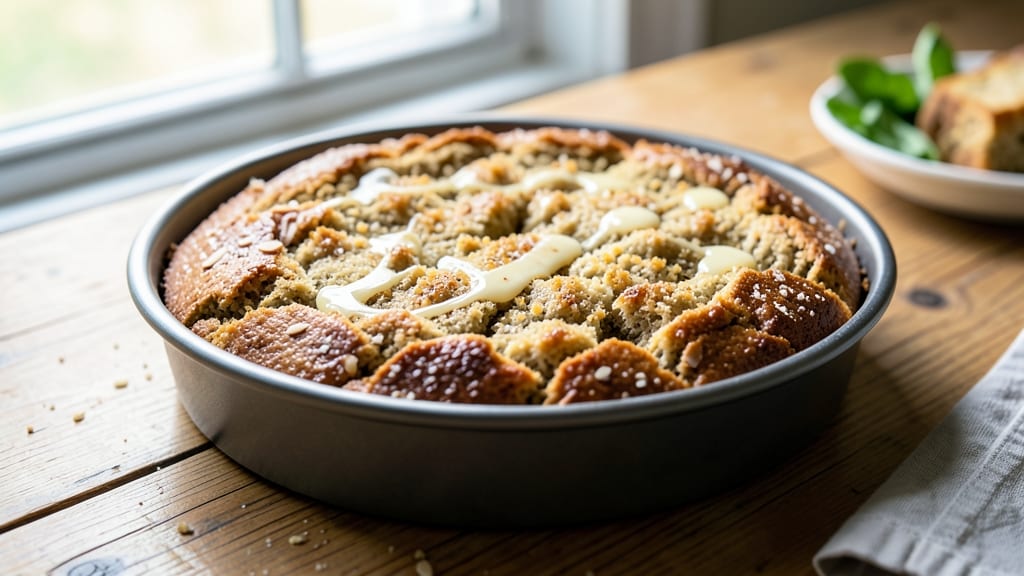
This almond flour cornbread recipe delivers all the comfort of classic cornbread without a single grain—just rich, nutty crunch and a golden crust that rivals traditional versions.
The secret lies in blending almond flour's natural moisture retention with cornmeal for that signature texture, creating a gluten-free loaf that's both sturdy and tender. I developed this recipe after years of baking for gluten-sensitive friends who refused to compromise on flavor, and it's now a staple in my kitchen.
The beauty of this recipe is its simplicity: no special equipment, no tricky techniques, just a foolproof mix of almond flour, cornmeal, and eggs that comes together in under 10 minutes.
The baking time is short—just 25 minutes—but the results are impressive, with a crisp exterior and moist, crumbly interior. Perfect for those following grain-free or gluten-free diets, it still delivers that satisfying cornbread experience you crave.
What makes this version truly special is its versatility. Serve it warm with honey butter, alongside chili, or as a side to grilled meats—it's hearty enough to stand alone but flexible enough to adapt to any meal.
The almond flour adds a subtle nuttiness that complements the sweet corn flavor, while optional add-ins like jalapeños or cheddar cheese take it to the next level. This is gluten-free baking at its finest.
For those new to almond flour, don't worry—this recipe is designed to be beginner-friendly. The ingredients are simple, the steps are straightforward, and the outcome is consistently delicious. Whether you're accommodating dietary restrictions or simply exploring new baking techniques, this cornbread delivers on both flavor and texture. Let's get baking!
Ingredients for almond flour corn bread
Gluten-free baking starts here—just 12 simple ingredients for cornbread that rivals traditional versions.
| Ingredient | Amount | Notes |
|---|---|---|
| Blanched Almond Flour 🌰 | 2 cups | Finely ground preferred |
| Fine Cornmeal 🌽 | 1 cup | White or yellow preferred |
| Large Eggs 🥚 | 4 whole | Room temperature for best mixing |
| Unsalted Butter 🧈 | ½ cup | Melted and cooled slightly |
| Granulated Sweetener 🍯 | ¼ cup | Coconut sugar or monk fruit blend |
| Baking Powder 🧂 | 1 ½ tsp | Aluminum-free preferred |
| Salt 🧂 | ½ tsp | Diamond Crystal kosher preferred |
| Vanilla Extract 🌿 | 1 tsp | Pure Madagascar bourbon |
| Unsweetened Almond Milk 🥛 | ½ cup | For moisture balance |
| Jalapeño Pepper 🌶️ | 1 whole | Seeds removed, finely chopped (optional) |
| Sharp Cheddar Cheese 🧀 | ½ cup | Shredded, optional for richness |
| Extra-Virgin Olive Oil 🫒 | 1 tbsp | For greasing pan |
The almond flour is non-negotiable for texture—Bob's Red Mill brand is my go-to for consistent results, but any finely ground, blanched variety works. Cornmeal adds that signature crunch, so White Lily or Martha White are solid choices. Eggs should be room temperature to blend smoothly, and Petersen Farms eggs have the best consistency. For the sweetener, coconut sugar caramelizes beautifully, but monk fruit works perfectly for low-glycemic diets. The baking powder must be fresh—test by mixing with water; if it fizzes vigorously, it's good to go. Vanilla extract should be pure bourbon—Madagascar varieties have the most complex flavor profile. Store almond flour in the freezer to prevent rancidity, and cornmeal in an airtight container away from heat sources.
No almond flour? Almond meal works in a pinch, but it's coarser and may yield a denser texture. Cornmeal substitutes include polenta or fine oat flour, though the flavor won't be identical. Egg-free? Try 4 tbsp ground flaxseed mixed with 10 tbsp water as a binder. For the sweetener, maple syrup or agave nectar can replace half the granulated amount, but reduce almond milk by 2 tbsp to balance moisture. The jalapeño can be swapped for diced bell pepper or roasted red pepper**> for a milder kick. If omitting cheese, add an extra 1 tbsp of almond milk to maintain moisture. The olive oil for greasing? Coconut oil works too—just ensure it's solid at room temperature for easy application.
This cornbread keeps beautifully—wrap tightly in foil and store at room temperature for 3 days, or refrigerate for 1 week for maximum freshness. For longer storage, freeze portions in a sealed container for up to 3 months. To reheat, warm in a 350°F oven for 10 minutes until crispy again. The golden crust develops best when baked in a 9-inch cast-iron skillet, which also adds to the rustic appeal. Portion into individual servings before freezing for easy grab-and-go meals. The texture improves slightly overnight, so baking ahead is ideal for meal prep.
Why You'll Love This Recipe
- No Mixer Needed: I swear by this recipe when my hands are full—just whisk the almond flour and cornmeal with melted butter until it’s almost smooth. The eggs bind it effortlessly, and you’re done in 10 minutes of actual work.
- Nutty-Sweet Magic: That first bite? The almond flour brings this corn bread a subtle richness that regular flour can’t match, while the cornmeal keeps it tender. Drizzle it with melted butter and sweetener, and it’s like dessert pretending to be breakfast.
- Weeknight & Holiday: Serve it warm with chili for a cozy weeknight dinner, or slice it into squares for a fancy dessert at a potluck. Honestly, it’s the one recipe that works for both—no judgment if you eat the whole batch yourself.
- Budget-Friendly Leftovers: A single batch stretches for days—great for meal prep since it reheats perfectly. Between us, I’ve had mine last a week, tucked in lunchboxes or tossed in a skillet with eggs. (Yes, even on a Tuesday night.)
Step-by-step instructions for almond flour cornbread
Master this gluten-free technique for a golden crust and tender crumb every time.
Preheat and Prepare Your Pan
Preheat your oven to 350°F and grease an 8-inch round cake pan or 9-inch square baking dish with the 1 tablespoon extra-virgin olive oil. I like to use a pastry brush for even coverage—this prevents sticking without absorbing excess oil. Place the greased pan in the oven while it preheats to ensure it's hot when the batter goes in.
This step is crucial for the cornbread's signature golden crust. The hot pan creates an immediate Maillard reaction when the batter hits it, giving you that perfect caramelized exterior. If your pan isn't hot enough, you'll end up with a pale, dull top instead of the beautiful golden crust we're aiming for.
Melt and Cool the Butter
In a small saucepan over low heat, melt the ½ cup unsalted butter until completely liquid. Remove from heat and let it cool for 5 minutes until it reaches about 100°F—warm to the touch but not hot. This temperature is critical; too hot butter will cook the eggs immediately when mixed, while cold butter won't incorporate properly.
While the butter cools, whisk together the 2 cups blanched almond flour, 1 cup fine cornmeal, 1½ teaspoons baking powder, ½ teaspoon salt, and ½ cup granulated sweetener in a large mixing bowl. This dry combination forms the structural backbone of our gluten-free cornbread, so make sure it's evenly distributed without any flour clumps.
Combine Wet Ingredients
In a separate bowl, beat the 4 whole large eggs until just combined, then whisk in the 1 teaspoon vanilla extract and ½ cup unsweetened almond milk. The eggs should be fully incorporated but still slightly foamy—overmixing will make the cornbread dense. Gently fold in the cooled butter until just combined, being careful not to deflate any air incorporated during the egg beating.
For the jalapeño and cheese, finely chop the 1 whole jalapeño pepper (seeds removed if you prefer less heat) and shred the ½ cup sharp cheddar cheese if using. Fold these into the wet mixture along with the dry ingredients in two additions, using a spatula to gently combine until just mixed. The batter should be thick but pourable—similar to traditional cornbread batter but with a slightly denser consistency due to the almond flour.
Bake to Golden Perfection
Quickly pour the batter into your preheated, pre-greased pan and smooth the top with a spatula. Bake for 25-30 minutes until the edges are golden brown and a toothpick inserted in the center comes out clean. The top should have a slightly cracked, golden crust—this indicates proper baking. If the edges brown too quickly, tent the pan with aluminum foil to prevent over-browning while the center cooks.
This gluten-free version requires close attention. Almond flour absorbs moisture differently than wheat flour, so we're looking for visual cues rather than relying solely on time. The cornbread is done when the internal temperature reaches 200°F and the edges pull away slightly from the pan. Remove from the oven immediately to prevent overcooking, which can make the texture dry.
Rest and Serve
Let the cornbread rest in the pan for 10 minutes before transferring to a wire rack to cool completely. This resting period allows the internal structure to set properly, preventing crumbly texture. The cornbread will sink slightly as it cools—this is normal and actually enhances the texture by redistributing moisture.
Serve warm or at room temperature. The gluten-free version holds up well for 2-3 days stored in an airtight container at room temperature, though it's best enjoyed fresh when the texture is at its peak. For serving, I recommend pairing with honey butter or a dollop of whipped cream to complement the nutty almond flavor while balancing the slight heat from the jalapeño.
Pro Tips For Making Almond Flour Corn Bread
- SIFT THE DRY INGREDIENTS: I learned this the hard way—just tossing almond flour and cornmeal into the bowl leaves pockets of air that make the bread dense. Use a fine-mesh sieve to sift the dry mix twice, especially if your almond flour isn’t super fine. This also helps distribute the sweetener evenly so every bite is balanced, not cloyingly sweet in spots.
- MELT BUTTER SLOWLY: Dump cold butter straight into the dry mix and you’ll end up with greasy lumps that never emulsify. Melt the butter first, then cool it to just warm (about 100°F)—warm enough to coat the almond flour but not so hot it cooks the eggs prematurely. This keeps the crumb tender without making the bread gummy.
- DON’T OVERMIX THE BATTER: Whisk just until the eggs are barely incorporated—maybe 10-12 strokes max. Overmixing with almond flour makes gluten develop (yes, even in a "gluten-free" loaf), and that turns your tender corn bread into a dense, chewy brick. Stop when the batter looks shaggy, not smooth.
- BAKE UNTIL GOLDEN, NOT JUST SET: The almond flour in this recipe loves to stay slightly underdone-looking—it’ll firm up as it cools. Bake until the edges are deep golden (not just pale) and a toothpick comes out with moist crumbs, not wet batter. If you pull it out too soon, the center stays gummy, and no one wants that.
Make-ahead tips for this almond flour corn bread
Prep Ahead Strategy
This cornbread is perfect for meal prep—mix the dry ingredients in an airtight container up to 3 days ahead and store them in the fridge. When ready to bake, simply whisk in the wet ingredients and proceed with the recipe.
The almond flour stays fresh longer when refrigerated, and pre-mixing saves you 10 minutes of prep time on busy days. 📅
Freezing for Later
For longer storage, bake the cornbread completely, then wrap individual slices tightly in plastic wrap followed by foil. Freeze for up to 3 months—the texture remains moist when reheated properly.
To serve, thaw overnight in the fridge, then warm in a 350°F oven for 8-10 minutes until crispy. I like to freeze portions in single-serving stacks for easy grab-and-go meals.
Make-Ahead Baking
Bake the entire loaf 1 day ahead and store it at room temperature in an airtight container for up to 3 days. The flavors deepen overnight, and the texture actually improves as the almond flour absorbs moisture.
For serving, reheat slices in a toaster or skillet for 1-2 minutes to restore that fresh-baked crunch. This is my go-to strategy for Sunday prep—just slice and serve throughout the week.
Portion Control
Divide baked cornbread into individual portions while still warm and freeze them separately. This prevents freezer burn and makes it easy to grab just what you need. I recommend 8 equal slices for a standard loaf, wrapped in parchment paper before freezing.
When reheating, microwave for 20-30 seconds (covered) or toast in a skillet with butter for that golden finish. 💫
Batch Prep Tips
Double the recipe and bake two loaves at once in 9-inch pans—they bake side by side on the middle rack. Use a cookie sheet underneath to catch any potential drips. This cuts prep time in half and gives you backup portions for the week.
Store the second loaf in the freezer for future meals. The almond flour keeps the texture consistent even when baking multiple batches.
Reheating Perfection
For the best texture, reheat cornbread in a 350°F oven for 5-8 minutes until warmed through. Avoid the microwave—it makes the almond flour gummy. If using a toaster, set it to the highest setting for 1-2 minutes per slice.
For extra crispiness, brush slices with melted butter before reheating. This method restores that fresh-baked appeal every time. ✨
Nutrition facts
Frequently asked questions
Why does this almond flour cornbread turn out denser than regular cornbread?
Almond flour has a higher fat content than wheat flour, which creates a tighter crumb structure. The recipe balances this by combining it with cornmeal for that classic texture. For a lighter version, whisk the eggs vigorously for 1-2 minutes to incorporate more air before mixing with dry ingredients.
Can I substitute almond flour with other nut flours?
Yes! Try cashew flour (1:1 ratio) for a slightly sweeter flavor, or hazelnut flour for a richer taste. Just note that cashew flour may require 1 extra tablespoon of almond milk per cup to maintain moisture. Avoid coconut flour—it absorbs too much liquid and changes the texture completely.
How do I fix if my batter is too thick or too thin?
If too thick, add 1 tablespoon almond milk at a time until pourable. Too thin? Stir in 1 tablespoon almond flour to thicken. The ideal consistency should resemble thick pancake batter—it should hold its shape when dropped from a spoon but still flow easily.
What's the best way to make this cornbread extra crispy?
Bake it in a 9-inch cast-iron skillet instead of a cake pan, and brush the top with melted butter after 15 minutes in the oven. For extra crunch, sprinkle 1 tablespoon cornmeal on the batter before baking. The high heat of cast iron creates that perfect golden, crackly crust.
Is this recipe safe for nut allergies?
No—this contains almond flour and is not safe for nut allergies. For an allergy-friendly version, replace almond flour with a 1:1 blend of cornmeal and tapioca starch, though the texture will be slightly different. Always check labels on all ingredients for cross-contamination warnings.