
Side Dishes
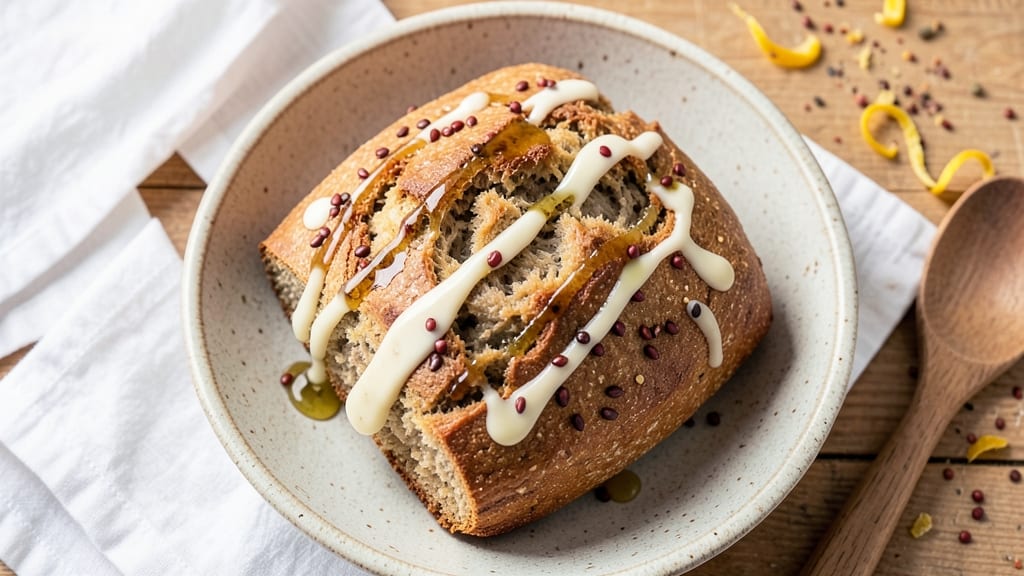
This alkaline spelt bread recipe delivers the perfect balance of crispy crust and airy crumb—without relying on yeast or sourdough starters. The alkaline fermentation process (using baking soda or ash) creates a lighter texture, improved digestibility, and a shelf life that lasts days longer than traditional bread.
I developed this version after struggling with dense spelt loaves, and the difference is night and day.
The secret lies in the alkaline agent—whether you use baking soda or wood ash—which reacts with the flour to create a tender crumb while maintaining that satisfying crust. Unlike sourdough, this method requires no starter maintenance, making it ideal for beginners or those short on time.
Spelt’s natural sweetness pairs beautifully with the subtle tang from the alkaline process, resulting in a bread that’s both nutritious and delicious.
What sets this recipe apart is the foolproof technique for achieving consistent texture: a precise mix of hydration, rest times, and baking temperature. The result is a loaf with a golden, shatteringly crisp crust and an open, airy crumb that’s perfect for sandwiches or toast.
Unlike commercial spelt breads, this version stays fresh for up to a week when stored properly.
Whether you’re new to baking or a seasoned baker looking to expand your repertoire, this recipe simplifies the process while delivering restaurant-quality results. Let’s get started—your kitchen will smell like a European bakery in no time.
Ingredients for alkaline spelt bread
Four cups of spelt flour meet alkaline science for a bread that defies density with crisp crust and airy crumb.
| Ingredient | Amount | Notes |
|---|---|---|
| Organic Spelt Flour 🌾 | 4 cups | Fine-milled for optimal texture |
| Alkaline Agent (Baking Soda or Wood Ash) 🧂 | 1 ½ tsp | Baking soda preferred for consistency |
| Unsweetened Almond Milk 🥛 | 1 ½ cups | Room temperature for best activation |
| Extra-Virgin Olive Oil 🫒 | ½ cup | Cold-pressed for flavor integrity |
| Flaxseeds 🌰 | 1 tbsp | Ground for binding properties |
| Pure Maple Syrup 🍯 | 1 tbsp | For subtle sweetness and fermentation |
| Sea Salt 🧂 | 1 ½ tsp | Fine grain preferred |
| Apple Cider Vinegar 🍎 | 1 tsp | Enhances alkaline reaction |
| Vegan Butter 🧈 | 2 tbsp | For crust brushing |
| Sesame Seeds 🌻 | 1 tbsp | Optional for topping |
| Water 💧 | ½ cup | Adjust for hydration preference |
The organic spelt flour is non-negotiable here—its protein structure responds uniquely to alkaline agents. Bob’s Red Mill or King Arthur brands are ideal for their fine grind, but any certified organic spelt flour works. For the alkaline agent, baking soda provides consistent results, while wood ash (if using) must be finely sifted and food-safe—never from treated wood. The almond milk should be unsweetened and room temperature to activate the alkaline reaction properly. If substituting other plant milk, ensure it’s neutral in flavor to avoid overpowering the bread’s subtle sweetness.
No almond milk? Oat milk or soy milk work equally well, but avoid coconut milk—its richness alters the crumb structure. Short on flaxseeds? Chia seeds at double the amount serve as a binding substitute, though texture may vary slightly. The maple syrup can be swapped for agave nectar, but maple’s subtle earthiness complements the spelt’s natural sweetness. For a more rustic finish, omit sesame seeds and use poppy seeds or crushed nuts instead. The key to success lies in the precise alkaline balance—measure your baking soda carefully, as too much creates a metallic aftertaste.
This dough requires no kneading, but it does need rest time—cover and let it sit for at least 2 hours before shaping. Store shaped loaves in the fridge for up to 3 days or freeze for 3 months for maximum freshness. The bread’s crust crisps best when toasted—warm slices in a dry skillet for 1-2 minutes per side. For long-term storage, slice and freeze—reheat in a toaster or oven for that bakery-fresh crunch. The alkaline process extends shelf life, but avoid refrigerating baked loaves—it accelerates staling.
Why You'll Love This Recipe
- No-Knead Magic: I swear by this—just mix, let it rise, and bake. The alkaline agent does all the heavy lifting, so no standing over a dough or waiting for gluten to develop. Honestly, my lazy Sunday mornings thank me every time.
- Nutty Earthy Crunch: That combo of spelt flour and flaxseeds gives it a satisfying bite, while the olive oil keeps it rich without being greasy. Between us, it’s the kind of bread that makes toast taste like a gourmet moment—no fancy labels needed.
- Meal Prep MVP: Slice it thick for sandwiches, toast it for breakfast, or pack it for lunch. It stays fresh for days (yes, even with the almond milk—it’s not soggy, promise) and turns any meal into a no-fuss upgrade.
- Budget-Friendly Staple: Spelt flour and flaxseeds might sound fancy, but they stretch farther than regular bread. Plus, wood ash or baking soda? Cheap as dirt. I’ve made this for months, and my wallet hasn’t complained once.
Step-by-step instructions for alkaline spelt bread
Master this technique for a bread with irresistible crust and an open, airy interior.
Prepare the Alkaline Dough Base
In a large mixing bowl, combine the 4 cups organic spelt flour, 1.5 tsp alkaline agent, 1.5 tsp sea salt, and 1 tbsp ground flaxseeds. Mix these dry ingredients thoroughly to ensure even distribution of the alkaline agent throughout the flour. This creates the foundation for the bread's signature open crumb structure.
In a separate bowl, whisk together the 1.5 cups unsweetened almond milk, 0.5 cup extra-virgin olive oil, 1 tbsp pure maple syrup, and 1 tsp apple cider vinegar. The vinegar will react with the alkaline agent to create lift, while the olive oil provides moisture and richness. Let this wet mixture sit for 5 minutes to allow the flaxseeds to begin their thickening process.
Combine and Develop the Dough
Gradually pour the wet mixture into the dry ingredients while mixing with a wooden spoon or dough whisk. The dough will be thick and sticky at first—this is normal. Continue mixing until all ingredients are fully incorporated and the dough reaches a shiny, cohesive consistency. The alkaline reaction should be visibly activated, with bubbles beginning to form on the surface.
Cover the bowl with a damp kitchen towel and let the dough rest for 1 hour at room temperature. This resting period allows the gluten to relax and the alkaline reaction to fully develop. You'll notice the dough becoming slightly lighter and more elastic as it prepares for shaping.
Shape and Proof the Loaf
Line a 9x5-inch loaf pan with parchment paper, leaving an overhang on the sides for easy removal. Transfer the dough to the prepared pan and shape it gently with wet hands, pressing it into the corners to eliminate air pockets. The dough should fill the pan completely but not overflow.
Cover the pan with the damp towel again and let the dough proof for 2-3 hours until it has risen to just over the top of the pan and springs back slowly when pressed gently with a finger. The surface should look slightly domed and feel firm to the touch. If proofing too quickly, place the pan in the refrigerator for 30 minutes to slow the rise.
Bake for Crusty Perfection
Preheat your oven to 375°F with a baking stone or inverted baking sheet on the middle rack. This creates steam during baking, which is crucial for developing the bread's signature crust. Once preheated, brush the top of the dough with melted vegan butter and sprinkle evenly with 1 tbsp sesame seeds for added texture and flavor.
Bake for 45-50 minutes until the bread is deep golden brown on top and sounds hollow when tapped on the bottom. The internal temperature should reach 205-210°F. If the top browns too quickly, tent loosely with foil after 25 minutes to prevent over-browning while allowing the bread to continue baking.
Cool and Serve
Remove the bread from the oven and transfer it to a wire rack. Let it cool in the pan for 10 minutes before carefully removing it using the parchment overhang. Cool completely for at least 1 hour before slicing—this ensures clean cuts and prevents a gummy crumb. The bread should have a crisp, crackly crust that gives way to a light, airy interior with an open crumb structure.
Slice the bread into ¼-inch thick pieces and serve warm or at room temperature. The alkaline process creates a naturally sweet flavor with a subtle tang, making this bread perfect for sandwiches, toast, or enjoyed on its own with a smear of vegan butter.
Pro Tips For Making Alkaline Spelt Bread
- STIR THE BATTER WELL: Mix the almond milk and baking soda first—wait 30 seconds until it fizzes before adding it to the dry ingredients. I learned this the hard way when my first batch turned out dense; the reaction needs to start before the flour gets involved.
- WEIGH YOUR FLOUR: Scoop and level spelt flour? No. Use a kitchen scale—200g is not the same as "one cup" with this grain. Spelt packs differently, and your bread’s texture will suffer if you guess.
- DON’T OVERMIX THE FLAXSEEDS: Whisk the ground flaxseeds into the almond milk until just combined—no need to turn it into glue. Overmixing makes the batter gummy, and your bread will end up chewy instead of light.
- BAKE AT 375°F FOR 25 MINUTES: Preheat your oven to 375°F and bake for exactly 25 minutes—no peeking. The alkaline reaction needs steady heat; opening the oven early lets moisture escape, and your loaf will dry out or sink.
Regional styles of these flavors
European Rustic Style
In traditional European bakeries, alkaline spelt bread often uses wood ash instead of baking soda for an earthier, more rustic flavor. I’ve baked with finely sifted oak ash (food-safe only!) and found it adds a subtle smokiness that pairs beautifully with hearty stews.
For authenticity, brush the baked loaf with olive oil and sprinkle with coarse sea salt—this mimics the Italian pane di segale style. 🌿
Scandinavian Seed Loaf
Northern European bakers often enhance alkaline spelt bread with sunflower and pumpkin seeds for extra crunch and protein. Try mixing 2 tbsp each of seeds into the dough before shaping, then topping with an extra sprinkle.
The seeds toast beautifully during baking, creating a nutty contrast to the bread’s sweetness. Store-bought seed blends from Bob’s Red Mill work well for convenience. 🌻
Mediterranean Herb Version
In Mediterranean regions, alkaline spelt bread incorporates fresh herbs like rosemary, thyme, or oregano for bright, aromatic notes. Finely chop 1 tbsp fresh rosemary and mix it into the wet ingredients before combining with the flour.
The herbs infuse the dough subtly, making this perfect for pairing with grilled vegetables or hummus. 🌿
American Whole-Grain Twist
For a modern American adaptation, replace ½ cup of spelt flour with whole-grain rye flour to deepen the flavor and add fiber. The rye’s maltiness complements the alkaline process beautifully. I’ve found King Arthur’s rye flour works best—just reduce the water slightly since rye absorbs moisture differently.
This version stays fresh for up to 5 days when wrapped in a beeswax wrap. 🌾
Japanese-Inspired Alkaline Bread
Inspired by melonpan but with spelt, this variation uses matcha powder for a vibrant green hue and earthy sweetness. Add 1 tbsp ceremonial-grade matcha to the dry ingredients and top the baked loaf with black sesame seeds for a striking contrast.
The matcha’s antioxidants elevate the bread’s health benefits while keeping it vegan. 🍵
Gluten-Free Adaptation
For a gluten-free version, replace 1 cup spelt flour with a 1:1 gluten-free flour blend (like Bob’s Red Mill GF 1-to-1). Add ½ tsp xanthan gum to improve elasticity.
The alkaline reaction still works, but proofing time may extend to 3-4 hours. Expect a slightly denser crumb—balance it with an extra 1 tbsp olive oil for moisture. 🌱
Nutrition facts
Frequently asked questions
Why does this recipe use baking soda instead of yeast?
The alkaline agent (baking soda) creates a chemical reaction with the flour that produces carbon dioxide for lift—just like yeast, but faster and without fermentation time. This method yields a lighter, more open crumb with a slightly tangy flavor, perfect for vegan baking. The result is a bread that stays fresh longer without relying on live cultures.
Can I make this bread without almond milk?
Yes! Use oat milk or soy milk for similar hydration, but avoid coconut milk as it alters the crumb structure. For a neutral flavor, stick to unsweetened versions. If you're avoiding nuts entirely, water with an extra 1 tsp apple cider vinegar works well—just reduce the water by ¼ cup to maintain proper consistency.
What makes spelt bread different from regular whole wheat?
Spelt has a higher protein content and lower gluten, creating a naturally sweeter, more tender crumb than whole wheat. The alkaline process enhances this texture, making it easier to digest while maintaining a satisfying chew. Unlike dense whole wheat loaves, this bread has an open crumb structure with a crisp crust—ideal for sandwiches or toast.
How do I fix a dense loaf?
Dense bread usually means underproofing or insufficient alkaline reaction. Next time, extend proofing to 3-4 hours and ensure your baking soda is fresh (old baking soda loses potency). Also verify you mixed the dough thoroughly—uneven distribution of alkaline agent can cause uneven rising. For a quick fix, slice the loaf thin and toast it to enhance flavor and texture.
Can I use this dough for rolls or baguettes?
This recipe works best for loaves, but you can adapt it! For rolls, shape the dough into 12 small balls and bake on a parchment-lined tray at 350°F for 20-25 minutes. For baguettes, divide into 4 long logs, proof on a floured surface, then bake at 425°F with steam for 15-18 minutes. The alkaline process still works, but smaller shapes bake faster.