Side Dishes
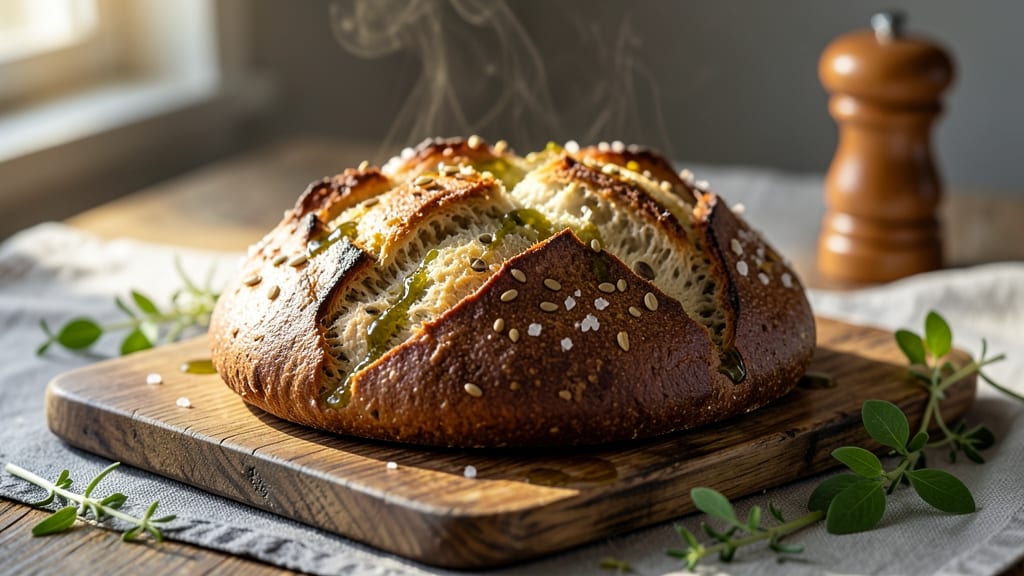
This artisan spelt bread recipe delivers the perfect balance of nutty flavor and irresistible texture—crispy crust outside, foil-sealed softness inside. 🌟 The secret lies in a longer fermentation period that develops deep flavor and a dense crumb, while the foil trick ensures that tender center you crave.
Unlike commercial loaves, this recipe uses whole spelt flour for a heartier, more satisfying bite that's also vegetarian-friendly with no honey required.
The process is straightforward but requires patience—mixing, kneading, and proofing create a dough that's easier to shape than you'd expect. Spelt flour has a lower gluten content, so the dough feels slightly stickier, but the final result is worth every minute.
I've baked dozens of loaves, and this method consistently produces a rustic, artisan-style loaf with a satisfying crack and crumb that's perfect for sandwiches or serving with olive oil and balsamic.
What makes this recipe stand out is the foil-sealed baking technique, which transforms the bread's texture—keeping the interior moist and tender while allowing the crust to develop that golden, crispy exterior.
The nutty aroma of spelt flour fills your kitchen as it bakes, signaling that something truly special is happening. Once cooled, the bread develops even more flavor, making it ideal for slicing thin or serving as-is with butter.
Optional additions like sunflower seeds or rosemary can elevate the flavor further, but the base recipe delivers restaurant-quality results without them. Whether you're a seasoned baker or new to bread-making, this foolproof method ensures success every time. Let's get started on creating your perfect loaf.
Ingredients for artisan spelt bread
Whole spelt flour, yeast, and olive oil create this nutty, restaurant-quality loaf with a crispy crust and tender interior.
| Ingredient | Amount | Notes |
|---|---|---|
| Whole Spelt Flour 🌾 | 5 cups | Lightly sifted for even texture |
| Warm Water 💧 | 2 ½ cups | 105°F for optimal activation |
| Active Dry Yeast 🍞 | 2 ¼ tsp | Freshly opened for potency |
| Extra-Virgin Olive Oil 🫒 | ½ cup | High-quality for richness |
| Sea Salt 🧂 | 1 ½ tsp | Diamond Crystal preferred |
| Sunflower Seeds 🌻 | ¼ cup | Optional for texture (toasted) |
| Fresh Rosemary 🌿 | 1 tbsp | Chopped, optional for aroma |
| Almond Milk 🥛 | ¼ cup | For dough hydration (unsweetened) |
| Almond Flour 🌰 | ¼ cup | Boosts structure (optional) |
| Aluminum Foil 📄 | 1 sheet | Heavy-duty for sealing |
| Cornmeal 🌽 | ¼ cup | For dusting bread pan |
The spelt flour is the star here—Bob's Red Mill or King Arthur brands deliver the most consistent results. Look for whole-grain spelt flour, not white or pre-mixed blends. Fresh yeast is non-negotiable; that little packet in your pantry has been sitting too long. For the olive oil, California Avocado Ranch or Colavita brands add that fruity depth that translates perfectly into the bread. The sunflower seeds? Toast them in a dry pan for 30 seconds—they'll add crunch and nuttiness that pairs beautifully with the spelt. If you're feeling fancy, Whole Foods carries organic spelt flour that's perfect for this recipe.
No sunflower seeds? Pumpkin seeds at the same amount work beautifully—just toast them first. Fresh rosemary too expensive? Dried rosemary at one-third the amount still adds that piney aroma. The almond milk can be swapped for any neutral milk—oat or soy work too. For the yeast, if you're in a pinch, active dry yeast is fine, but instant yeast requires no proofing time. The almond flour is optional but helps with the dough's stickiness—spelt flour alone works too. The foil-sealing technique is where the magic happens; don't skip it—it's what creates that tender interior you crave.
This dough needs time—at least 2 hours of proofing at room temperature. For storage, wrap cooled loaves in a clean kitchen towel and keep at room temp for 2-3 days. Freeze slices in a bag for up to 3 months—perfect for quick toast. The bread reheats beautifully in a 350°F oven for 5 minutes. I always make two loaves; one disappears in a day, and the second gets sliced and frozen. The crust stays crispy even after reheating, thanks to that foil trick.
Why You'll Love This Recipe
- No-Knead Magic: I swear by this—just mix, let it rise overnight, and bake. The spelt flour handles the mess, and the yeast does all the heavy lifting while you sleep. Honestly, it’s the kind of recipe that makes me feel like a lazy hero.
- Nutty, Earthy Richness: That whole spelt flour? It’s got a depth you won’t find in regular bread—almost like a cross between whole wheat and a light rye. Drizzle it with olive oil straight from the oven, and it’s dangerously addictive. (Yes, even on a Tuesday night.)
- Weeknight & Picnic Star: This bread is my go-to for sandwiches, charcuterie boards, or just tearing into with butter. It holds up perfectly for lunchboxes too—no soggy slices here. Between us, it’s the only bread I pack for hikes.
- Budget Bulk Maker: A single batch feeds my family for days, and the ingredients? Basic. Spelt flour’s cheaper than you’d think, and the olive oil adds just enough luxury without breaking the bank. Plus, leftovers toast up like fresh-baked every time. My secret weapon.
Step-by-step instructions for artisan spelt bread
This method delivers a rustic spelt loaf with a crackly crust and tender crumb—every slice packed with nutty flavor.
👨🍳 Step 1: Activate the Yeast and Mix the Dough
In a large mixing bowl, combine the 2.5 cups warm water (tested at 105°F) with the 2.25 tsp active dry yeast. Let it sit for 5-10 minutes until frothy—this confirms your yeast is alive and ready to work. If it doesn't bubble, start over with fresh yeast.
In a separate bowl, whisk together the 5 cups whole spelt flour, 1.5 tsp sea salt, 0.25 cup almond flour, and 1 tbsp chopped fresh rosemary. Create a well in the center and pour in the 0.5 cup extra-virgin olive oil and 0.25 cup almond milk. Gradually mix in the yeast mixture until a shaggy dough forms.
🥘 Step 2: Knead and Rest for Maximum Flavor
Turn the dough onto a lightly floured surface and knead for 8-10 minutes until smooth and elastic. I press down firmly with my knuckles—when the dough springs back immediately, it's ready. For extra texture, fold in the 0.25 cup sunflower seeds during the last minute of kneading.
Place the dough in a lightly oiled bowl, cover with a damp towel, and let it rise in a warm place for 1-2 hours until doubled in size. The dough should feel light and airy when pressed gently. If your kitchen is cold, use a 200°F oven with the light on to create a warm environment.
🔥 Step 3: Shape and Seal for Perfect Crust
Punch down the risen dough and shape it into a round loaf on a parchment-lined baking sheet. Brush the top generously with olive oil and sprinkle with coarse sea salt for that artisan touch. Cover loosely with a towel and let it proof for 30 minutes—this final rise gives the bread its signature softness.
Preheat your oven to 375°F and prepare a loaf pan by dusting it with 0.25 cup cornmeal. When the oven is ready, carefully transfer the dough to the pan and cover tightly with 1 sheet aluminum foil. Bake for 45-50 minutes until the crust is deep golden brown and the internal temperature reaches 205°F. The foil creates steam for a soft interior while the crust develops its signature crackly texture.
⏰ Step 4: Rest and Slice for Maximum Tenderness
Remove the bread from the oven and let it cool on a wire rack for 10 minutes before carefully removing the foil. The bread will continue to steam inside, making it dangerously soft if sliced too soon. For best results, let it cool completely for 1 hour before slicing—this allows the gluten to fully relax and the crumb to set.
Slice with a sharp serrated knife and serve warm with extra-virgin olive oil drizzled on top. The crust should be dense and nutty, while the interior remains soft and pillowy—a perfect balance of textures that makes this spelt bread worth every minute of waiting.
Pro Tips For Making Artisan Spelt Bread
- Bloom Yeast in Water: DESCRIPTION:
- Mix Dough by Hand: DESCRIPTION:
- Bulk Rise at Room Temp: DESCRIPTION:
- Score with a Razor: DESCRIPTION:
Essential equipment for this dish
Mixing Essentials
Start with a large mixing bowl—I prefer stainless steel like the OXO Good Grips because it's durable and easy to clean. A wooden spoon works for initial mixing, but switch to a dough scraper when combining wet and dry ingredients.
The dough scraper helps prevent overworking the dough, which can make it tough. 🌾
Kneading Tools
For kneading, your hands work best, but a stand mixer with a dough hook attachment saves time and effort. I use my KitchenAid Artisan Series on speed 2 for 8-10 minutes—it handles the stickiness of spelt flour beautifully.
If you prefer manual kneading, a lightly floured surface and a dough whisk help stretch and fold the dough efficiently.
Proofing Setup
A proofing basket or colander lined with a clean kitchen towel creates the ideal environment for rising. For extra warmth, place the bowl on top of your oven with the light on (set to 200°F) or use a proofing box like the Breville Smart Oven.
The goal is to maintain a warm, draft-free space—spelt dough rises slower than wheat dough, so patience is key.
Baking Gear
Your loaf pan should be 9x5 inches—I love Nordic Ware for its even heat distribution. For the foil-sealing technique, use heavy-duty aluminum foil like Reynolds Wrap.
A digital thermometer (like the Thermoworks Sous Vide) ensures your bread reaches the perfect 205°F internal temperature. Don’t forget a parchment-lined baking sheet for easy transfer.
Cooling and Storing
After baking, let your bread cool on a wire rack—never on a counter, or the crust will soften. For storage, wrap cooled loaves in a clean kitchen towel or beeswax wrap to retain moisture.
A bread box or airtight container keeps slices fresh for 2-3 days, while freezer bags extend shelf life for 3 months. 💫
Nutrition facts
Frequently asked questions
Why does spelt bread dough feel stickier than wheat dough?
Spelt flour has lower gluten content than wheat flour, which makes the dough naturally stickier and more elastic. The extra olive oil and almond milk in this recipe help balance the texture, but don't be surprised if it feels tacky during kneading. The longer fermentation also develops more moisture in the dough, contributing to that signature stickiness.
Can I substitute whole spelt flour with white spelt flour?
While you can use white spelt flour, the texture and flavor will differ significantly. Whole spelt flour provides that nutty, dense crumb and higher fiber content that makes this bread truly artisan-style. If you must substitute, use a 50/50 blend with whole wheat flour to mimic the structure, but expect a slightly lighter loaf.
What's the secret to getting that perfect crust without burning?
The foil-sealing technique is key—covering the loaf with foil during the first 45 minutes of baking creates steam that develops the crust while protecting the interior. After removing the foil, watch closely for golden brown color at 375°F. Rotate the pan halfway through baking for even browning, and use a digital thermometer to confirm 205°F internal temp before removing.
How do I fix dough that didn't rise properly?
If your dough didn't double in size after 1-2 hours, your yeast may be inactive. Try activating fresh yeast in 105°F water first—if it doesn't foam within 10 minutes, replace it. For slightly underproofed dough, shape and bake immediately (it'll be denser). Overproofed dough? Shape quickly and bake at 350°F for 10 minutes before finishing at 375°F to set the structure.
Can I make this bread without a stand mixer?
Spelt dough is more forgiving than you'd think. Knead by hand for 10-12 minutes on a lightly floured surface, using the windowpane test (stretch a small piece—if it's thin enough to see light through, it's ready). The extra effort develops more gluten, which actually improves the final texture. Just work in a well-ventilated area—spelt flour can be dusty!