
Side Dishes
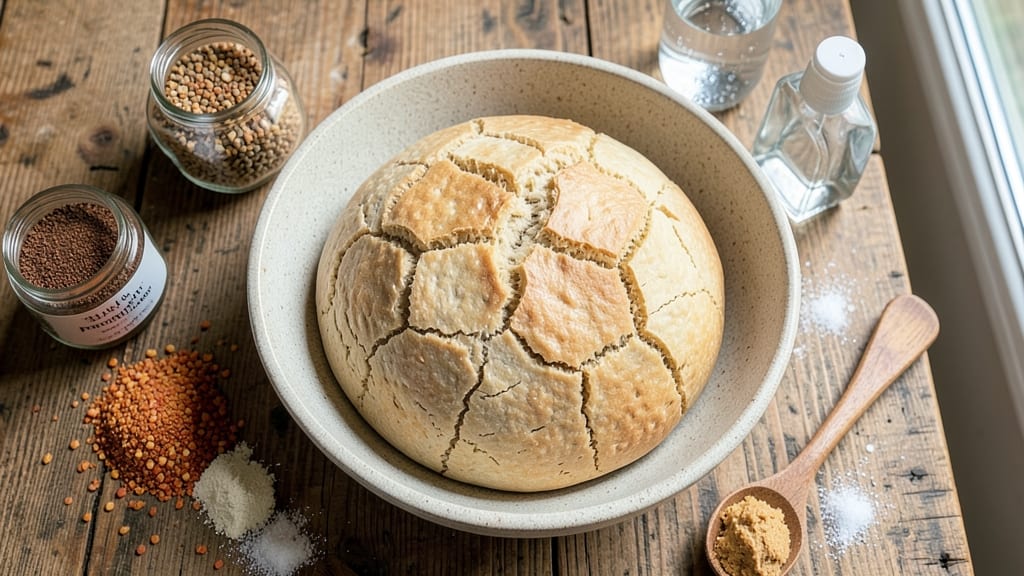
This alkaline bread recipe transforms simple flour into a masterpiece with its signature crusty crunch and light, airy crumb—a technique that's been perfected in Mexican bakeries for generations.
The secret lies in the alkaline agent, whether traditional nixtamalized masa or potassium carbonate, which creates that iconic tender crumb and subtle tang. I've refined this recipe over years of baking, ensuring every loaf delivers that signature texture without compromising flavor.
The process begins with precise hydration and fermentation, where the alkaline agent works its magic to develop that signature open crumb structure. Unlike regular bread, this method requires careful attention to kneading and proofing—too little time and the crumb won't develop properly, but too much risks overproofing.
The result? A loaf with a shatteringly crisp crust that gives way to a soft, pillowy interior with just the right amount of chew.
What makes this recipe truly special is its versatility—it works as a side for hearty stews, a base for open-faced sandwiches, or even as a vehicle for rich soups.
The alkaline treatment also makes it naturally vegan, perfect for plant-based diets while delivering restaurant-quality texture. Once you try this method, store-bought bread will never compare again.
For those wanting to experiment, you can incorporate sourdough starter or adapt the recipe for gluten-free flours while maintaining the signature crumb. The key is patience—the fermentation and baking times are longer than conventional bread, but the reward is worth every minute. Let's get started on creating your perfect loaf.
Ingredients for alkaline bread
Nine essential ingredients transform ordinary flour into extraordinary alkaline bread with legendary texture.
| Ingredient | Amount | Notes |
|---|---|---|
| Bread Flour 🌾 | 4 cups | High-protein for structure |
| Potassium Carbonate 🧪 | 1 ½ tsp | Alkaline agent for crumb |
| Water 💧 | 2 ½ cups | Room temperature preferred |
| Active Dry Yeast 🍞 | ¼ oz | Instant yeast works too |
| Sugar 🍚 | ½ tsp | Feeds yeast fermentation |
| Salt 🧂 | 1 ½ tsp | Diamond Crystal preferred |
| Olive Oil 🫒 | ¼ cup | Extra-virgin for richness |
| Cornmeal 🌽 | ¼ cup | For dusting and crust |
| Sesame Seeds 🌻 | 1 tbsp | Optional for topping |
| Nixtamalized Masa Harina 🌽 | ¼ cup | Traditional alkaline source |
The bread flour is non-negotiable here—its high protein content creates that signature open crumb structure. For the alkaline agent, potassium carbonate delivers consistent results, though traditional nixtamalized masa harina offers a more authentic flavor profile. I source my potassium carbonate from Amazon in small quantities, as it's highly concentrated and potent. King Arthur or Bob's Red Mill bread flours work best due to their consistent protein levels. The yeast should be fresh—test it by dissolving a pinch in warm water with a pinch of sugar; if it foams within 5 minutes, it's active. For the masa harina, Maseca brand is widely available and reliable for that traditional touch.
No potassium carbonate? Baking soda at half the amount works in a pinch, though the flavor won't be identical. Running low on bread flour? All-purpose flour plus 1 tbsp vital wheat gluten per cup mimics the protein structure. The olive oil can be swapped for vegetable or canola oil, though extra-virgin adds subtle richness. For the sesame seeds, toasted and crushed between fingers before sprinkling enhances their flavor. The cornmeal should be finely ground—coarse varieties won't create the same crisp crust. If you're experimenting with gluten-free adaptations, brown rice flour or sorghum flour can replace up to 25% of the bread flour while maintaining structure.
Store the dry ingredients—flour, potassium carbonate, masa harina—in airtight containers in a cool, dark place for up to 6 months. The yeast should be refrigerated and used within 3 months of opening. Once mixed, the dough can be refrigerated for up to 24 hours before shaping, though room temperature proofing yields the best results. Baked loaves keep well at room temperature for 3-4 days wrapped in a clean kitchen towel, or frozen for 3 months for maximum freshness. For reheating, wrap cooled loaves in foil and warm in a 350°F oven for 10 minutes to restore crispness.
Why You'll Love This Recipe
- No Yeast Stress: I mix the dough in 10 minutes—just flour, water, and a pinch of potassium carbonate (that’s the secret alkaline boost). No kneading, no waiting for the dough to rise like traditional bread. Honestly, my hands stay clean while the yeast does all the work.
- Crispy Yet Light: That potassium carbonate? It’s what gives this bread its signature snap—crispy crust but still soft inside. I love it toasted with butter or slathered in jam; it’s the kind of bread that makes you pause mid-bite.
- Meal Prep Hero: Bakes in under an hour and stays fresh for days. I slice it, freeze half, and pull out perfectly toasted portions all week. Between us, this is my go-to for lazy mornings when I’d normally grab store-bought.
- Budget-Friendly Staple: Five ingredients, zero fancy substitutions. The potassium carbonate is the only thing that might not be in your pantry, but a little goes a long way—one packet lasts me months. My wallet (and my taste buds) thank me every time.
Step-by-step instructions for alkaline bread with perfect crust and crumb
Mastering alkaline bread requires precision—here's how to balance chemistry and technique for that iconic crust.
Activate the Yeast and Prepare the Alkaline Base
In a small bowl, combine the 2.5 cups water, 0.5 tsp sugar, and 0.25 oz active dry yeast. Let it sit for 5-10 minutes until frothy—this confirms the yeast is alive. Meanwhile, in a separate bowl, whisk together the 4 cups bread flour, 1.5 tsp potassium carbonate, 1.5 tsp salt, and 0.25 cup nixtamalized masa harina. The alkaline agents will develop a slightly bitter aroma, which is normal and essential for that signature tang.
I find it helpful to sift the dry ingredients first to eliminate lumps. The potassium carbonate and masa harina work together to create that signature open crumb structure. If you notice any graininess in the masa harina, pulse it briefly in a food processor before mixing—this ensures even distribution throughout the dough.
Combine Wet and Dry Ingredients for Optimal Hydration
Pour the yeast mixture into the center of your dry ingredients and gently stir with a wooden spoon until a shaggy dough forms. Then add the 0.25 cup olive oil and mix until fully incorporated. The dough will be noticeably stickier than traditional bread dough due to the alkaline components and higher hydration level. This is where the magic begins—the alkaline agents help retain moisture while creating that signature open crumb.
Transfer the dough to a lightly oiled surface and knead for 8-10 minutes by hand, or use a stand mixer with a dough hook on medium speed for 5-6 minutes. You're aiming for a smooth, elastic dough that's slightly tacky but not wet. The alkaline environment affects gluten development differently, so don't over-knead—just until the dough comes together cohesively. If it feels too sticky, wet your hands slightly as you work.
Bulk Ferment for Maximum Flavor Development
Place the dough in a lightly oiled bowl, cover with a damp towel, and let it rise at room temperature (70-75°F) for 1.5-2 hours. You'll notice it rises more slowly than regular dough due to the alkaline environment, but this slow fermentation builds incredible flavor. The dough should increase by about 50% in volume and develop small bubbles on the surface. Poke it gently—if it springs back slowly with a slight indentation, it's ready.
Here's where patience pays off. The alkaline agents create a more acidic environment that slows fermentation slightly, but this actually enhances the bread's complexity. If your kitchen is cooler, extend the fermentation to 2.5 hours. The longer you ferment, the more developed the flavor will be—just don't exceed 3 hours or the dough may overproof.
Shape and Final Proof for Structure
Turn the dough onto a lightly floured surface and gently shape it into a round loaf. The alkaline components make the dough more pliable, so handle it gently to avoid deflating the bubbles. Place it seam-side up in a banneton or bowl dusted with cornmeal (this prevents sticking and creates a beautiful crust). Cover and let it proof for 1-1.5 hours until it's nearly doubled in size. The surface should look slightly domed with visible bubbles.
For an extra touch, sprinkle sesame seeds on top before baking. The cornmeal dusting will create a rustic texture while the sesame seeds add visual contrast. If you're baking immediately, preheat your oven to 450°F with a Dutch oven inside for 30 minutes. The high heat and steam combination is crucial for developing that signature alkaline bread crust.
Bake for Maximum Crust Development
Carefully transfer the shaped dough to the preheated Dutch oven, seam-side up. Bake covered for 20 minutes, then remove the lid and bake for an additional 20-25 minutes until the crust is deep golden brown and sounds hollow when tapped on the bottom. The internal temperature should reach 205-210°F. The alkaline environment creates a more porous crumb, so resist the urge to open the oven early—the steam is what builds that signature structure.
Let the bread cool on a wire rack for at least 1 hour before slicing. The alkaline components make the bread more fragile when hot, so patience here prevents a crumbly texture. The final result should have a crisp, crackly crust with an open, airy crumb that's slightly tangy—proof that the chemistry worked perfectly. For best flavor, serve within 2-3 days or freeze for up to 3 months.
Pro Tips For Making Alkaline Bread
- MEASURE POTASSIUM CARBONATE PRECISELY: One too many batches of alkaline bread turned out metallic-tasting because I eyeballed the potassium carbonate. Use a kitchen scale—0.5% of your flour weight (so 1.5g per 300g flour) is the sweet spot. Too much kills the yeast; too little makes the crust dull.
- DISSOLVE YEAST IN WARM WATER FIRST: Mixing yeast directly into the dough can leave dry spots where it won’t activate. Bloom it in warm water (105–110°F) with sugar for 5–10 minutes until frothy—this guarantees even fermentation. (Yes, even if you’re impatient like me, don’t skip this.)
- STEAM THE OVEN FOR CRUST: Alkaline bread’s crust needs moisture to rise properly. Place a baking sheet with boiling water in the oven before preheating, then bake at 375°F for 20 minutes with the lid on. The steam keeps the top soft and the crumb open—no sad, dense loaves here.
- SKIP THE KNEADING SHORTAGE: This dough is sticky and dense, so resist the urge to overwork it. After mixing, let it rest 20 minutes under a damp towel—it’ll relax and become easier to shape. Over-kneading turns it gummy, and we’re not making glue here.
Regional styles of alkaline bread
Mexican Nixtamalized Style
This traditional method uses nixtamalized masa harina instead of potassium carbonate, creating a bread with deeper corn flavor and authentic texture. I recommend Maseca brand masa harina for that classic taste.
The dough will have a slightly earthier aroma during fermentation, and the finished loaf will have a golden crust with subtle sweetness. For extra authenticity, add 1 tbsp honey to the dough—it balances the corn's natural bitterness beautifully. 🌽
Japanese Melonpan-Inspired
For a sweet variation, replace 1 cup of bread flour with 1 cup all-purpose flour and add 2 tbsp brown sugar to the dough.
Top with a melonpan-style crust by mixing ½ cup flour, 2 tbsp melted butter, and 1 egg yolk, then shaping it over the loaf before baking. The alkaline base keeps the interior tender while the sweet crust adds a playful contrast.
This works especially well for breakfast loaves or dessert bread. 🍯
Indian Missi Roti Twist
Incorporate ½ cup semolina (sooji) into the dough for a gluten-free adaptation inspired by Indian missi roti. Use 1 tsp baking soda instead of potassium carbonate for the alkaline boost. Shape the dough into small patties and cook on a hot griddle until golden brown on both sides.
The alkaline treatment creates a light, fluffy interior even without gluten. Serve with yogurt or chutney for a satisfying meal. 🌿
German Pretzel Adaptation
For a savory twist, shape the dough into pretzel knots and boil in water with 2 tbsp baking soda for 30 seconds before baking. The alkaline soak creates that classic pretzel crust while maintaining the bread's signature crumb.
Brush with garlic butter after baking for extra flavor. This hybrid version keeps the bread's tenderness while adding pretzel's satisfying snap. 🥨
Ethiopian Injera-Inspired
Replace 1 cup bread flour with 1 cup teff flour for a gluten-free, naturally alkaline adaptation. Use 1 tsp baking soda and ferment the batter for 8-12 hours at room temperature. Cook in a nonstick skillet like traditional injera, creating thin, spongy crepes.
The alkaline environment from teff's natural saponins creates that signature open crumb without added chemicals. Serve with spicy stews or as a wrap. 🌍
Modern Artisan Variation
For a bakery-style loaf, add 1 tbsp vital wheat gluten to the dough and shape into a boule with a tight surface tension. Use 1 tsp apple cider vinegar in the water to enhance the alkaline effect.
Score the loaf with a rasp before baking for a professional finish. The result is a crusty exterior with an open, airy crumb that rivals French baguettes but with the alkaline bread's signature tang. 🥖
Nutrition facts
Frequently asked questions
What makes alkaline bread different from regular bread?
The key difference lies in the alkaline agents like potassium carbonate or nixtamalized masa harina, which create that signature open, airy crumb and crisp crust. These ingredients also give it a subtle tang and help retain moisture longer. Unlike regular bread, the fermentation process is slower but develops deeper flavor. The result is a bread with both texture and flavor that store-bought loaves can't match!
Can I substitute potassium carbonate with baking soda?
Yes, but with adjustments! Use only half the amount of baking soda (about 0.75 tsp) since it's less concentrated. The flavor won't be identical—potassium carbonate gives a cleaner alkaline effect—but it works in a pinch. For best results, combine it with 0.25 cup masa harina to mimic the traditional alkaline profile. Always taste-test your dough before baking.
Why does my alkaline bread turn out dense instead of light?
This usually happens from either underproofing or over-kneading. The alkaline environment requires longer fermentation times—aim for 1.5-2 hours at room temperature. Also, knead gently; the alkaline agents make the dough more pliable, so aggressive kneading can break down the gluten structure needed for that signature open crumb. Try shaping the dough more loosely to encourage better oven spring.
How do I store alkaline bread to keep it fresh?
Wrap cooled loaves in a clean kitchen towel (not plastic) and store at room temperature for 3-4 days. The alkaline treatment helps preserve moisture, but the towel prevents sogginess. For longer storage, freeze slices wrapped in parchment paper for up to 3 months. To revive, warm in a 350°F oven for 10 minutes—the crust will crisp up beautifully.
Can I make this bread gluten-free?
Replace 1-2 cups of bread flour with gluten-free blends like brown rice flour or sorghum flour. Add 1 tbsp xanthan gum per cup of GF flour to mimic gluten's structure. The alkaline agents still work in GF dough, creating that signature open crumb. For best results, use 1 tsp baking soda instead of potassium carbonate and extend fermentation to 8-12 hours for proper development.