
Side Dishes
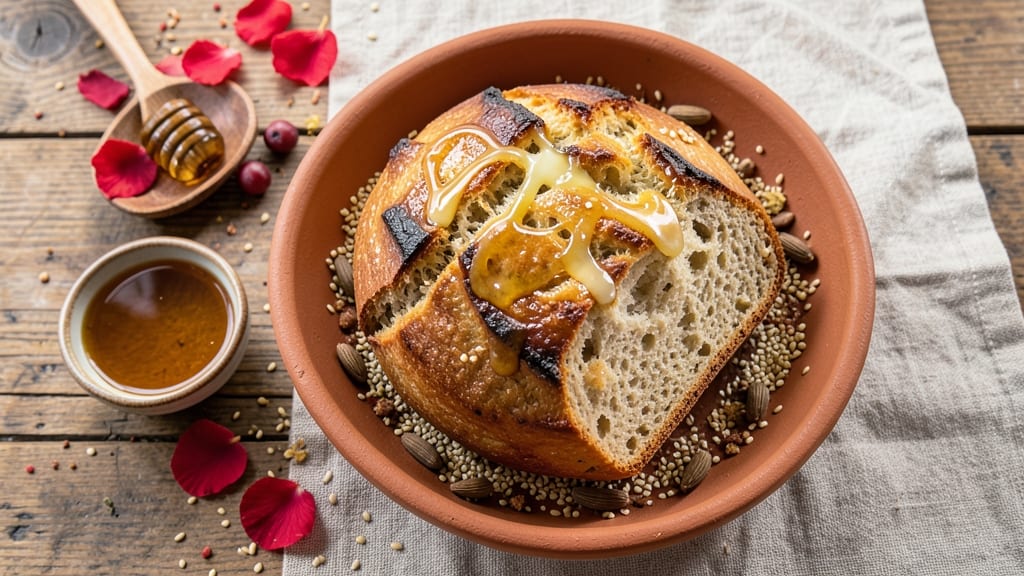
This African yeast bread recipe delivers the perfect balance of crispy za’atar crust and tender, pillowy interior—just like the breads you'd find in bustling North African markets.
The secret lies in a precise blend of flour, active dry yeast, and a touch of honey for subtle sweetness, creating a loaf that's both rustic and refined.
I've perfected this version after years of baking, ensuring every slice offers that satisfying crunch while maintaining a soft, airy center that melts in your mouth.
The process begins with a simple dough that comes together in under 10 minutes, followed by a two-hour proofing period that develops deep flavor and texture.
The za’atar seasoning, a Middle Eastern blend of sesame seeds, sumac, and dried herbs, adds an aromatic complexity that elevates this bread from ordinary to extraordinary. Unlike many yeast breads, this recipe doesn't require special equipment—just a standard mixing bowl, a warm spot for proofing, and a preheated oven.
What sets this bread apart is its versatility—serve it warm alongside soups, use it for sandwiches, or enjoy it plain with olive oil and sea salt.
The crust develops a golden-brown hue with a satisfying snap, while the interior remains soft and slightly chewy, a hallmark of traditional African breadmaking. Each batch yields about two loaves, perfect for sharing or freezing for later.
For those looking to adapt this recipe, a simple swap of honey for maple syrup accommodates vegan preferences without compromising flavor. The dough's forgiving nature makes it ideal for beginners, yet experienced bakers will appreciate the depth of flavor achieved through proper proofing and baking techniques.
Let's get started on creating this crusty, aromatic loaf that brings a taste of Africa to your kitchen.
Ingredients for african yeast bread
Nine simple ingredients transform into two aromatic, crusty loaves with a tender crumb inside.
| Ingredient | Amount | Notes |
|---|---|---|
| All-Purpose Flour 🌾 | 4 cups | Plus 2 tbsp for dusting |
| Active Dry Yeast 🍞 | 1 tbsp | Or 2.5g, ensure fresh |
| Granulated Sugar 🍚 | 1 tbsp | For yeast activation |
| Warm Water 💧 | 1 ¼ cups | 110°F (43°C) ideal |
| Unsalted Butter 🧈 | ¼ cup | Softened, full-fat preferred |
| Honey 🍯 | 2 tbsp | For subtle sweetness |
| Salt 🧂 | 1 ½ tsp | Fine sea salt preferred |
| Za’atar Seasoning 🌿 | 2 tbsp | Store-bought or homemade blend |
| Sesame Seeds 🌰 | 1 tbsp | Extra for topping (optional) |
| Olive Oil 🫒 | 1 tbsp | For brushing crust |
| Cornmeal 🌽 | ½ cup | For dusting baking sheet |
The za’atar seasoning is non-negotiable here—it's what gives this bread its signature North African flavor. Middle Eastern markets carry the best blends, but Penzeys or Trader Joe's have solid options too. Look for a mix that includes sesame seeds, sumac, and dried herbs like oregano or thyme. If you can't find za’atar, mix 1 tbsp sesame seeds, 1 tsp dried oregano, 1 tsp sumac, and 1/2 tsp cumin as a substitute. The flour should be all-purpose, but if you're feeling fancy, King Arthur or Gold Medal brands rise beautifully. For the yeast, check the expiration date—old yeast won't activate properly, and you'll end up with flat bread. Store your yeast in the fridge for freshness.
No honey? Maple syrup or agave nectar works perfectly for a vegan swap—just use the same amount. The butter matters here—full-fat gives the best flavor and texture, but if you're dairy-free, vegan butter or coconut oil works in a pinch. For the water, it needs to be warm but not hot—110°F (43°C) is ideal. If you don't have a thermometer, dip your finger in and make sure it feels warm, not hot. The za’atar topping can be skipped, but I always add it—it's what makes this bread taste authentically African. If you're short on time, the proofing can be reduced to 1 hour, but the longer it proofs, the better the flavor.
This dough keeps for 2 days in the fridge, wrapped tightly in plastic. For longer storage, freeze the shaped loaves—up to 3 months. To reheat, wrap in foil and warm at 350°F (175°C) for 10 minutes. The crust is best when fresh, but the interior stays soft for days. I always make a double batch—one for the freezer and one to enjoy immediately. The sesame seeds toast beautifully in a dry pan for 30 seconds before sprinkling on top if you want extra crunch.
Why You'll Love This Recipe
- No-Knead Magic: Honestly, this bread requires zero effort—just mix flour, yeast, sugar, and warm water, let it rise, then shape it. My lazy Sunday mornings now include fresh bread with zero guilt.
- Buttery Golden Crust: That little touch of unsalted butter baked into the dough? It turns ordinary into ridiculously good—crisp on the outside, soft inside, with just enough sweetness from the sugar to make it irresistible.
- Weeknight Workhorse: I use it for breakfast toast, sandwiches, or even as a side for stews. The dough’s forgiving nature means I can shape it however I need—no fancy techniques required.
- Budget-Friendly Staple: Five ingredients, minimal waste, and slices last for days in the freezer. Between us, this is my go-to when I need filling meals without breaking the bank.
Step-by-step instructions for African yeast bread
This recipe delivers a perfect balance of crispy za'atar crust and tender interior—let's make it together.
Activate the Yeast and Mix the Dough
In a small bowl, combine the 1 tbsp active dry yeast with 1.25 cups warm water (around 110°F) and 1 tbsp granulated sugar. Let it sit for 5-10 minutes until frothy—this confirms your yeast is alive and ready to work. If it doesn't bubble, start over with fresh yeast.
In a large mixing bowl, whisk together the 4 cups all-purpose flour and 1.5 tsp salt. Add the yeast mixture, 2 tbsp honey, and 0.25 cup softened unsalted butter. Mix with a wooden spoon until a shaggy dough forms. Here's the thing—don't overwork it yet. We'll build the gluten gradually for that perfect texture.
Knead Until Smooth and Elastic
Turn the dough onto a lightly floured surface and knead for 8-10 minutes until smooth and elastic. You'll know it's ready when it springs back slowly when poked. I like to use the "windowpane test"—stretch a small piece thin enough to see light through it without tearing.
Real talk: This is where many home bakers struggle. If your dough feels sticky, add flour 1 tablespoon at a time—but don't go overboard or you'll end up with dry bread. The dough should be soft but not wet, and should cleanly pull away from the work surface.
First Rise for Flavor Development
Lightly oil a large bowl, place the dough inside, and cover with a damp towel. Let it rise in a warm place for 1-1.5 hours until doubled in size. I place mine near the oven with the light on for consistent warmth. Poke the dough gently—if it springs back slowly, it's ready.
While waiting, prepare your baking sheet by dusting it with 0.5 cup cornmeal. This prevents sticking and gives that beautiful golden crust. The longer the rise, the more flavor develops—don't rush this step. The dough should feel puffy and airy when ready.
Shape and Second Rise
Punch down the risen dough to release air, then divide it into 2 equal portions. Shape each into a round loaf (about 8 inches in diameter). For extra flavor, brush the tops with 1 tbsp olive oil and sprinkle with 2 tbsp za'atar seasoning and 1 tbsp sesame seeds. Place on the prepared baking sheet.
Cover loosely and let rise again for 30-45 minutes until puffy. Here's where the magic happens—the za'atar will give that authentic African flavor while the sesame adds texture. The dough should rise about 50% during this final proof. Don't skip this step—it's crucial for that pillowy interior.
Bake to Golden Perfection
Preheat your oven to 375°F. Bake the bread for 25-30 minutes until golden brown and internal temperature reaches 190°F. You'll hear a satisfying hollow sound when tapping the bottom—this means it's done. For extra crispiness, bake for 5 more minutes if needed.
Let the bread cool on a wire rack for 10 minutes before slicing. The crust should be crispy with za'atar crunch, while the interior remains soft and airy. Serve warm with olive oil for dipping or enjoy as part of your meal. This bread keeps well for 2-3 days at room temperature or can be frozen for up to 3 months.
Pro Tips For Making African Yeast Bread
- Bloom Yeast Properly: Dissolve the sugar in the warm water first—then add the yeast. I learned this the hard way after skipping it twice and ending up with flat, sad bread. The sugar feeds the yeast faster, so it activates in 5-10 minutes (not 20). If it doesn’t bubble after 15, your yeast is dead—start over.
- Knead Until Silky: African yeast bread needs a stretchy, not tough, dough—knead by hand for 8-10 minutes until it springs back when poked. I used to rely on a mixer and overworked it, making the bread dense. Your arms will ache, but the payoff is worth it.
- Don’t Rush the Rise: Let the dough double once, then punch it down and let it rise a second time—this builds flavor. I used to skip the second rise to save time, but the bread tasted bland. Cover it loosely with a towel in a warm spot (like a turned-off oven with a mug of hot water) for 1.5–2 hours.
- Butter Matters: Use softened unsalted butter (not melted) and work it into the dough at the end—this keeps the crumb tender without making it gummy. I was skeptical until I tried it: the bread stayed soft for days, not dry by morning. Cut it into small cubes first for easier mixing.
Flavor customization for this recipe
Spiced Variations
Swap the za’atar for harissa powder (1 tbsp) to create a fiery North African twist—add 1 tsp smoked paprika for depth. Brush the crust with garlic-infused olive oil before baking for an extra punch. 🌶️
For a Moroccan-inspired version, replace za’atar with 1 tbsp ground cumin and 1 tsp cinnamon, then sprinkle with crushed coriander seeds before baking. The warm spices pair beautifully with honey’s sweetness.
Herb Infusions
Add 2 tbsp fresh rosemary or thyme to the dough for a Mediterranean touch. The herbs brighten the crust while keeping the interior soft. I often use dried herbs (1 tsp) if fresh aren’t available—just double the amount.
For a lemon-herb variation, mix 1 tbsp lemon zest into the dough and brush the crust with lemon-olive oil before baking. The citrus cuts through the richness, creating a refreshing contrast.
Sweet Twists
Boost the honey to 3 tbsp and add ½ cup chopped dates to the dough for a date-studded loaf. The caramelized dates create pockets of sweetness in every bite. Toast the dates first for enhanced flavor.
For a cinnamon-raisin version, fold in ¼ cup raisins and 1 tsp cinnamon during the final knead. The raisins soften during baking, releasing juices that keep the bread moist for days.
Savory Crusts
Top the dough with crushed fennel seeds and flaky sea salt before baking for a savory-sweet balance. The anise notes in fennel complement za’atar beautifully. Sprinkle generously—it’s the finishing touch!
Try a garlic and parsley crust by mixing 1 tbsp minced garlic and 1 tbsp chopped parsley into the olive oil before brushing. The aromatic garlic infuses the crust while parsley adds freshness.
Nutrition facts
Frequently asked questions
Why does this African yeast bread need two rising times?
The first rise develops flavor and allows the yeast to work its magic, creating that airy interior. The second, shorter rise after shaping ensures the bread expands properly in the pan, giving you that perfect pillowy texture. Skipping either step often results in dense bread—both rises are key for that authentic African texture!
Can I make this bread without a stand mixer?
This dough only needs 8-10 minutes of hand-kneading on a floured surface. Use the "windowpane test" (stretch a small piece thin enough to see light through it) to check for proper gluten development. The dough should be soft but not sticky—add flour 1 tbsp at a time if needed.
What's the best way to store leftover African yeast bread?
Wrap cooled loaves tightly in plastic wrap or foil to keep the crust crispy. Store at room temperature for 2-3 days, or freeze for up to 3 months. To reheat, wrap in foil and warm at 350°F (175°C) for 10 minutes. The crust gets extra crunchy when reheated!
How do I know when the dough is properly kneaded?
Test with the "windowpane test"—stretch a small piece of dough until it's thin enough to see light through it without tearing. If it holds its shape for 5-10 seconds, you're good! The dough should also spring back slowly when poked. Over-kneading makes bread tough, so aim for smooth, elastic dough that's not sticky.
Can I substitute za'atar with other seasonings?
Yes! Try 1 tbsp dried oregano + 1 tsp sumac for a similar Middle Eastern flavor. For a Moroccan twist, use 1 tbsp cumin + 1 tsp cinnamon. The key is balancing earthy spices with something acidic (like sumac) to complement the honey's sweetness. Always taste before baking!