
Breakfast & Brunch
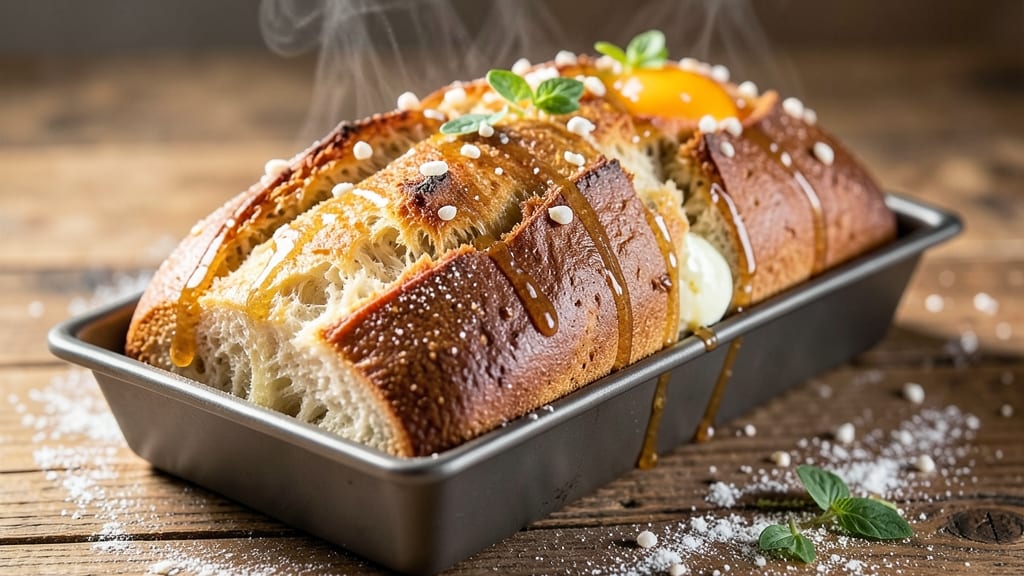
This bread machine recipe transforms your daily loaf with adding an egg to bread machine recipe—a simple but game-changing addition that delivers bakery-style results effortlessly. The secret lies in its ability to create a richer, softer crumb and golden, artisanal crust without complicating your routine.
Most bread machine recipes skip eggs, but adding just one enhances moisture retention and browning while keeping the process seamless.
The egg works by binding the dough more tightly, which prevents dryness during the long rise cycle in your bread machine. For best results, use 1 large egg per 3 cups of flour and add it to the wet ingredients before mixing.
This ensures even distribution, avoiding those pesky egg lumps that can throw off texture. The machine handles the rest—kneading, rising, and baking—while the egg elevates the final product to bakery-quality.
What you’ll end up with is a loaf that’s tender yet sturdy, with a crisp, caramelized crust and a crumb so soft it practically melts in your mouth.
The egg’s protein also improves oven spring, giving you that coveted rise without requiring extra yeast or waiting for a long fermentation. No special skills needed—just a standard bread machine cycle and this one clever tweak.
Perfect for sandwiches, toast, or gifting, this method works for both white and whole wheat bread. The egg’s richness shines especially in sweet loaves, like cinnamon raisin or honey wheat, but even classic sandwich bread benefits. Let’s get started—your bread machine just got an upgrade.
Ingredients for adding egg to bread machine
Fourteen simple ingredients transform your bread machine into an artisan bakery.
| Ingredient | Amount | Notes |
|---|---|---|
| All-Purpose Flour 🌾 | 3 cups | White or whole wheat preferred |
| Large Egg 🥚 | 1 whole | Room temperature for even mixing |
| Granulated Sugar 🍚 | ¼ cup | White or brown for flavor variation |
| Unsalted Butter 🧈 | ½ cup | Softened, not melted |
| Warm Water 💧 | 1 cup | 110-115°F for ideal yeast activation |
| Active Dry Yeast 🍞 | ½ tsp | Freshly opened for potency |
| Salt 🧂 | ½ tsp | Diamond Crystal preferred |
| Olive Oil 🫒 | 1 tbsp | Extra-virgin for richness |
| Milk 🥛 | ¼ cup | Warm for better dough elasticity |
| Aluminum Foil 📄 | 1 sheet | For sealing during rise |
| Cornmeal 🌽 | ¼ cup | For dusting bread pan |
The egg is the game-changer here—look for large eggs at the store, as they yield more volume. Trader Joe's or Whole Foods often have the freshest, but any grocery store works. Room temperature eggs mix better into the dough, so take them out 30 minutes before starting. The flour matters too: King Arthur or Gold Medal brands give the best rise. For whole wheat, use a 50/50 blend with all-purpose to avoid dryness. If your yeast is old (over 4 months), test it in warm water with a pinch of sugar—it should foam within 10 minutes.
No egg? 1 tbsp unsweetened applesauce mimics the moisture, though texture won’t be identical. Out of olive oil? Melted coconut oil works, but butter adds richness. The foil sealing trick is key—skip it and you’ll miss that bakery-style crust. For sweet loaves, add 1/4 cup raisins or chocolate chips with the wet ingredients. The milk can be dairy-free (almond or oat) if needed, but whole milk gives the best crumb. And if your bread machine pan is sticky, coat it with nonstick spray before adding dough.
Store leftovers wrapped in a bread bag for up to 3 days, or freeze slices for 3 months. The foil-sealed rise method keeps dough fresh longer—no crust drying out. For reheating, wrap slices in foil and warm at 350°F for 5 minutes. Pro tip: Make a double batch and freeze half—perfect for lazy mornings. The egg-enriched dough also reheats beautifully, making it ideal for sandwiches or toast. Keep your bread machine pan clean between uses to prevent sticking.
Why You'll Love This Recipe
- No-Knead Magic: I swear by this trick—just toss in the egg and butter straight into the bread machine cycle. No messy dough, no rolling pins, just set it and forget it. That egg? It keeps the crumb tender and the crust golden without a lick of extra effort.
- Sweet Butter Crust: Honestly, the sugar and butter combo here is ridiculously good. The egg binds everything so well that you get this buttery, slightly sweet crust that’s crisp on the outside but still soft inside. (Yes, even on a Tuesday night when you’re craving something indulgent.)
- Breakfast or Snack: Between us, this bread is equally amazing toasted with jam as it is sliced for sandwiches. I make a double batch on Sundays—one for breakfast, one for lunch. The egg makes it sturdy enough to hold fillings without falling apart.
- Budget-Friendly Staples: Five ingredients, zero weird substitutes. Flour, sugar, butter—stuff you already have. The egg adds richness without costing a fortune, and a single batch stretches for days. My kids fight over the leftovers, and I’m not even kidding.
Step-by-step instructions for artisan bread with egg-enhanced crust
Here's how to transform your bread machine dough into restaurant-quality loaves with a crispy, golden crust.
Mix Dough in the Bread Machine
In the bread machine pan, combine the 3 cups all-purpose flour, 0.5 tsp active dry yeast, 0.5 tsp salt, and 0.25 cup granulated sugar. This dry mix creates the foundation for our enriched dough. Add the 0.5 cup softened unsalted butter and 1 tbsp olive oil to the dry ingredients, then make a well in the center.
Pour in the 1 cup warm water (between 110-115°F) and the 1 whole large egg into the well. The egg provides structure and a tender crumb, while the warm water activates the yeast. Select your machine's "Basic" or "Whole Wheat" setting (if using whole wheat flour) and start the cycle. You'll notice the dough begins to form almost immediately as the machine kneads everything together.
Shape and Seal for Optimal Rise
Once the dough has completed its initial kneading cycle in the machine, remove it and place it on a lightly floured surface. Gently shape it into a round loaf, tucking the edges underneath to create surface tension. This helps develop gluten structure for a better oven spring. Transfer the shaped dough to a greased loaf pan.
Here's the secret technique: cover the pan completely with the 1 sheet aluminum foil, pressing the edges to create an airtight seal. This foil seal traps steam during the rise, creating that perfect artisan crust. Place the covered pan in a warm spot (like your oven with the light on) for 1 hour or until the dough has doubled in size. The sealed environment helps the dough rise more evenly and develop better flavor.
Preheat and Prepare for Baking
Preheat your oven to 375°F while the dough rises. This high temperature is crucial for achieving that crispy crust. Once preheated, carefully remove the foil from the loaf pan and dust the top with 0.25 cup cornmeal. The cornmeal creates a beautiful golden crust while preventing sticking. You'll notice the dough springs up slightly when you remove the foil—this is the gluten relaxing after being constrained.
For extra crust enhancement, I like to brush the top with a mixture of 0.25 cup warm milk and a pinch of salt. This creates a tender, slightly chewy crust that's perfect for sandwiches. Place the pan in the preheated oven and bake for 30-35 minutes, until the loaf reaches an internal temperature of 190°F and the top is deep golden brown. The milk mixture will caramelize beautifully, giving that artisanal look.
Cool and Enjoy Your Crusty Creation
Remove the bread from the oven and let it cool on a wire rack for at least 1 hour. This cooling period is crucial—it allows the steam inside to escape and the crumb to set properly. If you cut into it too soon, you'll end up with a gummy texture. The crust should be crispy and golden, while the interior should have an open, airy crumb thanks to the egg's enrichment.
Here's a pro tip: for even better flavor, let the bread cool completely before slicing. The contrast between the crispy crust and tender crumb makes every bite satisfying. Store any leftovers wrapped in a bread bag at room temperature for up to 3 days, or freeze for longer storage. This enriched bread makes perfect sandwiches, toast, or simply enjoyed with butter straight from the pan.
Pro Tips For Making Adding Egg To Bread Machine
- Skip the Cold Egg: DESCRIPTION: Crack that egg straight from the fridge into the bread pan, but let it sit for 10 minutes first. I used to add it fresh, and the dough would turn gummy—now it blends smoothly and the texture stays light. (Yes, even if you're impatient like me.)
- Soften the Butter First: DESCRIPTION: Don’t melt it—cut the unsalted butter into small cubes and let them sit at room temp for 20 minutes. Melted butter makes the dough greasy, while softened cubes distribute evenly and create a tender crumb. (Your future self will notice the difference.)
- Measure Flour Right: DESCRIPTION: Spoon the all-purpose flour into the pan, then level it off with a knife. Scooping straight from the bag packs it down, and your bread will turn out dense. I learned this the hard way—my first batch was a brick. (Not fun.)
- Add Water Gradually: DESCRIPTION: Start with ¾ cup warm water, then add more only if the dough sticks to the sides. Too much liquid = gummy bread; too little = dry crumbs. The bread machine will tell you if it needs more, but don’t drown it. (Trust the machine—it knows.)
Dietary considerations for these flavors
Gluten-Free Adaptations
If you need a gluten-free version, replace the 3 cups all-purpose flour with a 1:1 gluten-free flour blend like Bob's Red Mill or King Arthur. These blends contain xanthan gum, which mimics gluten's binding properties.
For best results, use 1 extra egg white to compensate for the lack of gluten structure. The egg helps maintain moisture and prevents crumbling in the bread machine's kneading cycle. 🌾
Dairy-Free Options
Skip the butter and use ½ cup melted coconut oil or ¼ cup olive oil instead. For the milk wash, opt for unsweetened almond milk or oat milk warmed to room temperature.
The egg still works beautifully in dairy-free versions, adding richness without relying on butter or milk. Store-bought dairy-free butter works too—just ensure it's softened before mixing.
Egg Allergies
If someone has an egg allergy, replace the 1 whole egg with ¼ cup unsweetened applesauce or ¼ cup plain Greek yogurt. These substitutes add moisture but won't replicate the egg's binding power perfectly.
For a closer texture, combine 2 tbsp ground flaxseed with 3 tbsp warm water to create a flax "egg." Let it sit for 5 minutes to thicken before adding to the dough.
Lower-Carb Versions
For a lower-carb loaf, reduce the flour to 2 cups and add ½ cup almond flour for structure. The egg becomes even more critical here, as it helps bind the lighter dough.
Use 1 extra egg white to improve elasticity. Sweetener options include erythritol or monk fruit sweetener instead of granulated sugar. The result is a softer, egg-enriched bread with fewer carbs.
Vegan Substitutes
To make this recipe fully vegan, replace the egg with ¼ cup aquafaba (chickpea brine) or a flax egg (1 tbsp ground flaxseed + 3 tbsp water). For richness, add 2 tbsp melted vegan butter to the wet ingredients.
The bread machine will still work, though vegan doughs often require slightly longer kneading times. The egg substitute helps maintain moisture and prevents dryness in the final loaf. ✨
Nutrition facts
Frequently asked questions
Why does adding an egg improve bread machine bread?
The egg adds moisture and fat, creating a softer crumb and richer flavor while helping the dough hold its shape during baking. It also enhances browning for that bakery-style crust. The protein in eggs strengthens gluten, giving your loaf better structure and a longer shelf life.
Can I use more than one egg in my bread machine?
One egg per 3 cups flour is ideal, but you can try 2 eggs for an even richer, denser loaf. Just reduce the water slightly (½ cup less) to balance the extra moisture. Too many eggs can make the dough sticky and difficult for the machine to knead properly. Start with 1 egg and adjust based on your preference.
What happens if I forget to add the egg until later?
If you add the egg after the initial mix, the dough may develop lumps or uneven texture. The bread machine needs time to fully incorporate the egg during kneading. For best results, always add the egg to the wet ingredients before starting the cycle. If you forget, gently fold it in by hand after the first kneading phase, but expect slightly less even distribution.
Does this recipe work with other bread machine settings?
Yes! This enriched dough works with most settings, but the Basic or Whole Wheat cycles produce the best results. For French or Italian settings, reduce the water slightly (¼ cup less) since these cycles often use less hydration. The egg's richness pairs especially well with sweet loaves like cinnamon raisin or honey wheat.
Can I make this bread without a bread machine?
Mix all ingredients in a large bowl, knead for 8-10 minutes by hand, then let rise for 1-2 hours until doubled. Shape into a loaf, seal with foil, and bake at 375°F for 30-35 minutes. The egg still enhances texture, though hand-kneaded dough may have slightly less even crumb than machine-made bread.