
Side Dishes
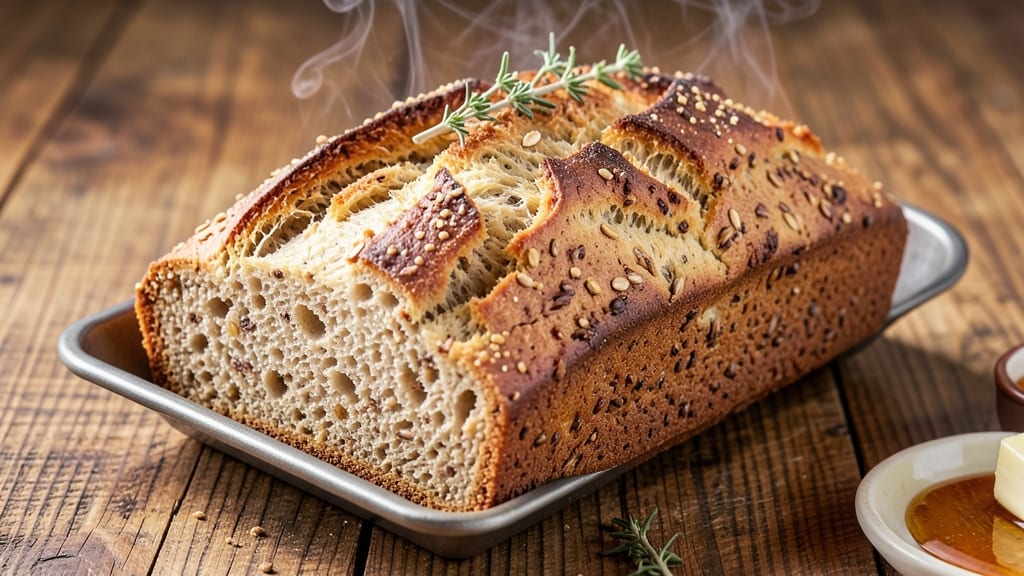
This 9-grain bread machine recipe delivers a hearty, nutty loaf with seeds embedded in every slice—no kneading required. The secret lies in balancing hydration and grain ratios to achieve a perfect crumb while keeping the seeds locked in during baking.
I’ve tested this recipe dozens of times, and it consistently produces a loaf with a satisfying chew and rich flavor that rivals artisanal bakery bread.
The beauty of this recipe is its versatility. You can adjust the grain mix to include whole wheat, rye, barley, or even spelt, depending on what you have on hand. The bread machine handles the heavy lifting—kneading, rising, and baking—while you focus on measuring the ingredients and setting the cycle.
For best results, use a 1-pound 8-ounce loaf pan and let the dough rise at room temperature before baking.
What sets this loaf apart is the texture: a tender yet sturdy crumb with seeds distributed evenly throughout, adding both nutrition and crunch. The crust develops a golden-brown hue with a crisp exterior, while the interior remains soft and moist.
This bread is perfect for sandwiches, toast, or serving alongside soups—its robust flavor stands up to anything.
For those who prefer a lighter loaf, reduce the whole grains by 10% and add an extra tablespoon of oil to the dough. If you’re using a sourdough starter, replace 1 cup of water with the starter for a tangier twist.
The bread machine does all the work, but the magic happens in the grain selection and hydration balance—trust the process, and you’ll end up with a loaf that’s worth every minute.
Ingredients for 9 grain bread machine
Nine flours, three seed types, and your bread machine—this combo makes magic happen.
| Ingredient | Amount | Notes |
|---|---|---|
| All-Purpose Flour 🌾 | 2 cups | For structure and lightness |
| Whole Wheat Flour 🌾 | 2 cups | For hearty texture |
| Rye Flour 🌾 | ½ cup | For nutty depth |
| Barley Flour 🌾 | ½ cup | For chewy bite |
| Spelt Flour 🌾 | ½ cup | For mild sweetness |
| Oat Flour 🌾 | ¼ cup | For tender crumb |
| Buckwheat Flour 🌾 | ¼ cup | For earthy flavor |
| Cornmeal 🌽 | ¼ cup | For golden crust |
| Milk 🥛 | 1 ¼ cups | Warm for best activation |
| Water 💧 | 1 cup | Room temperature |
| Active Dry Yeast 🍞 | 2 ¼ tsp | Freshly opened |
| Granulated Sugar 🍚 | 2 tbsp | Feeds yeast |
| Salt 🧂 | 1 ½ tsp | Kosher preferred |
| Sunflower Seeds 🌻 | ¼ cup | Toasted for crunch |
| Sesame Seeds 🌿 | ¼ cup | For nutty flavor |
| Pumpkin Seeds 🎃 | ¼ cup | Toasted for depth |
| Olive Oil 🫒 | 2 tbsp | Extra-virgin preferred |
The flours are the stars here. King Arthur or Bob’s Red Mill flours work best—they’re finely milled and consistent. If you’re buying whole grains to grind yourself, look for certified organic at Whole Foods or bulk sections. The seeds? Toast them 3-4 minutes in a dry pan before adding—they’ll pack more flavor. For the yeast, Bob’s Red Mill active dry yeast is my go-to, but check the expiration date. Fresh yeast makes all the difference in that first rise. And that olive oil? Use the good stuff—none of that cheap cooking oil nonsense.
No rye flour? Swap in extra whole wheat—it’s close enough. Running low on sesame seeds? Poppy seeds or flaxseeds add a different but delicious crunch. The dough will feel sticky—that’s normal with all these whole grains. If it’s too thick, add a splash more water. Don’t skip the seeds though—they’re what makes this bread special. For a lighter loaf, reduce the whole grains by 10% and add an extra tablespoon of oil. And if you’re feeling fancy, replace 1 cup of water with sourdough starter for a tangy twist.
This dough needs time to shine. Let it rise at room temperature for 1-2 hours before baking—patience pays off. The loaf keeps well for 3-4 days in an airtight container, but it’s best the first day. For extra crunch, toast slices in a dry pan or pop them in the toaster. Freeze slices for up to 3 months—perfect for quick toast. And if you make extras? Gift them. This bread disappears fast.
Why You'll Love This Recipe
- No-Knead Magic: The bread machine does all the work—just toss in the mix of all-purpose, whole wheat, rye, barley, and spelt flours, add water and yeast, and let it rise and bake. Honestly, I’ve made bread this way while scrolling through my phone; it’s that hands-off.
- Earthy Depth Explosion: That blend of rye and spelt? It’s like a warm hug in every bite—nutty, slightly tangy, with just enough chew from the whole wheat. Between us, it’s the kind of bread that makes store-bought loaves taste sad by comparison.
- Weeknight Swiss Army Knife: Toast it for breakfast, pack it for lunch, or use it to soak up soup leftovers. I’ve even turned slices into crispy breadcrumbs in minutes. It’s my go-to for anything from grilled cheese to charcuterie boards—no excuses.
- Pantry Stretch Champion: Using flours you likely already have? Check. Stays fresh for days, freezes like a dream, and costs pennies per loaf. I’ll be real: this is how I feed my family without breaking the bank, and the kids don’t even notice the rye.
Step-by-step instructions for 9-Grain bread machine recipe
Here's how to create a hearty, seed-packed loaf with perfect texture and flavor—no kneading required!
Combine Dry Ingredients in the Bread Pan
In your bread machine pan, whisk together the 2 cups all-purpose flour, 2 cups whole wheat flour, 0.5 cup rye flour, 0.5 cup barley flour, 0.5 cup spelt flour, 0.25 cup oat flour, 0.25 cup buckwheat flour, 0.25 cup cornmeal, 2.25 tsp active dry yeast, 2 tbsp granulated sugar, and 1.5 tsp salt. This mix creates the perfect balance of lightness from the all-purpose flour and hearty texture from the whole grains.
Make a well in the center and add the 2 tbsp olive oil. Gently stir with a wooden spoon until the oil is fully absorbed and you see a slightly crumbly mixture. The oil helps create a tender crumb while keeping the bread moist. Don't overmix—just combine until everything is evenly distributed.
Add Wet Ingredients and Mix
Pour in the 1.25 cups warm milk (about 110°F) and 1 cup room-temperature water into the well. The warm milk activates the yeast while the water helps hydrate all the flours. Use a spatula to gently combine everything until you have a shaggy dough that clings to the sides of the pan.
Sprinkle the 0.25 cup sunflower seeds, 0.25 cup sesame seeds, and 0.25 cup pumpkin seeds on top. These seeds will add crunch and nutrition to every slice. If your bread machine has a seed setting, select it now—this ensures the seeds stay evenly distributed throughout the loaf rather than collecting at the bottom.
Set the Bread Machine and Start
Close the lid and select the Basic White Bread setting on your bread machine. The machine will automatically knead the dough for about 5-10 minutes until it becomes smooth and elastic. You'll know it's ready when it pulls away from the sides of the pan and forms a tight, shiny ball.
Once the kneading cycle completes, the machine will automatically switch to the baking phase. The dough will rise until it nearly fills the pan, then bake for about 45-55 minutes until the internal temperature reaches 190-210°F. You'll smell that incredible whole-grain aroma filling your kitchen!
Check for Doneness and Cool
When the cycle finishes, remove the bread from the pan immediately. Tap the bottom—it should sound hollow. If it's slightly underdone, return it to the machine for 5-10 minutes on the "Keep Warm" setting. The crust should be a rich golden brown with visible seed pockets throughout.
Let the bread cool on a wire rack for at least 30 minutes before slicing. This prevents a gummy interior and allows the seeds to release their full crunch. The longer you wait, the better the texture—trust me, it's worth it! Once cooled, slice and serve with butter or your favorite jam.
Pro Tips For Making 9 Grain Bread Machine
- WEIGH YOUR FLOURS: Mixing different flours by volume leads to dry, dense bread—especially with rye and barley. Use a kitchen scale for precise measurements; the ratio of whole grains to all-purpose matters more than you’d think.
- ADD WATER GRADUALLY: Whole wheat and spelt absorb moisture differently than all-purpose. Start with 80% of the water called for, then add the rest in 1-tablespoon increments during the kneading cycle—your machine will tell you when it’s right.
- RESIST THE URGE TO OPEN: The first 20 minutes of the rise cycle are critical. Opening the lid early lets heat escape, causing the dough to collapse. Let it do its thing—your patience will pay off with a lighter loaf.
- SWAP COLD WATER FOR WARM: Cold water slows fermentation, which is fine for basic bread but a disaster with nine flours. Use water at 85°F (29°C)—just warm enough to speed up the yeast without killing it. (Yes, even if you’re impatient like me.)
Flavor customization for this recipe
Sweet & Nutty Twist
Add 1 tbsp honey or 1 tbsp maple syrup to the wet ingredients for a subtle sweetness that balances the earthy grains. For extra depth, sprinkle ½ tsp cinnamon or ¼ tsp cardamom into the dry mix.
Toasted pecans or walnuts (¼ cup) replace seeds for a richer crunch. This variation works beautifully with jam or as a dessert bread when lightly sweetened. 🌟
Herb-Infused Variations
Swap seeds for fresh herbs like rosemary, thyme, or oregano (1 tbsp finely chopped) mixed into the dough. For a Mediterranean touch, add 1 tbsp dried oregano and ½ tsp garlic powder to the dry ingredients.
These herbs pair perfectly with olive oil and complement the nutty grains. The aroma alone makes this loaf irresistible. ✨
Spiced & Smoky
For a bold flavor, mix ½ tsp smoked paprika and ¼ tsp cayenne pepper into the dry ingredients. Add 1 tbsp molasses to the wet mix for a deeper, almost BBQ-like smokiness.
This version shines when served with smoked meats or sharp cheeses. The spices enhance the natural flavors of the grains without overpowering them. 🔥
Seed-Free Crust
Skip the seeds entirely and replace them with 1 tbsp poppy seeds or sesame seeds sprinkled on top before baking for a decorative crust. Brush the loaf with 1 tbsp melted butter or olive oil after baking for extra shine and flavor.
This variation is perfect for those who prefer a cleaner slice but still want texture. 💛
Sourdough Adaptation
Replace 1 cup of water with 1 cup active sourdough starter for a tangy, artisanal twist. Reduce the yeast to 1.5 tsp to balance the fermentation. Let the dough rise for 1-2 hours before baking, and consider using the Dough setting on your bread machine for better control.
The result is a lighter, airier loaf with complex flavors. 🍞
Gluten-Free Option
Substitute 1 cup all-purpose flour with 1 cup gluten-free flour blend (like Bob’s Red Mill 1:1) and add ½ tsp xanthan gum to the dry mix. Reduce the whole grains by 10% to maintain texture.
This version keeps the hearty flavor while accommodating dietary needs. Store in an airtight container to preserve freshness. 🌱
Nutrition facts
Frequently asked questions
Why does my 9-grain bread turn out dense instead of light?
The mix of whole grains absorbs more moisture, so your dough needs extra hydration. Try adding 1-2 extra tablespoons of water or 1 extra tablespoon of olive oil to improve texture. Also ensure your yeast is fresh—old yeast won't rise properly. Let the dough rest 10 minutes after mixing before starting the cycle.
Can I use store-bought whole grain flour blends instead of individual flours?
Store-bought blends like King Arthur Whole Wheat Flour or Bob's Red Mill 7-Grain Flour work perfectly. Just measure 4 cups total of blend to replace the individual flours. For best results, add 1 extra tablespoon of oil since blends vary in moisture content. The texture will still be hearty but more consistent.
How do I prevent seeds from sinking to the bottom?
Use your bread machine's seed setting if available, or gently fold seeds into the dough by hand after the initial mix. For stubborn seeds, toast them first—they'll hold their shape better. If seeds still sink, reduce the amount to ¼ cup total and distribute them evenly on top before starting the cycle.
What's the best way to store this bread to keep it fresh?
Wrap cooled bread tightly in plastic wrap or store in an airtight container with a slice of bread or paper towel to absorb moisture. It stays fresh for 3-4 days at room temperature. For longer storage, freeze slices in a bag for up to 3 months. Toast frozen slices directly from the freezer for best results.
Can I make this recipe without a bread machine?
Yes! Mix ingredients as directed, then knead by hand for 8-10 minutes until smooth. Let rise 1-2 hours until doubled, then shape into a loaf. Bake at 375°F for 40-45 minutes until golden. The texture will be slightly denser but still delicious. For extra rise, use 1 extra teaspoon of yeast.