
Side Dishes
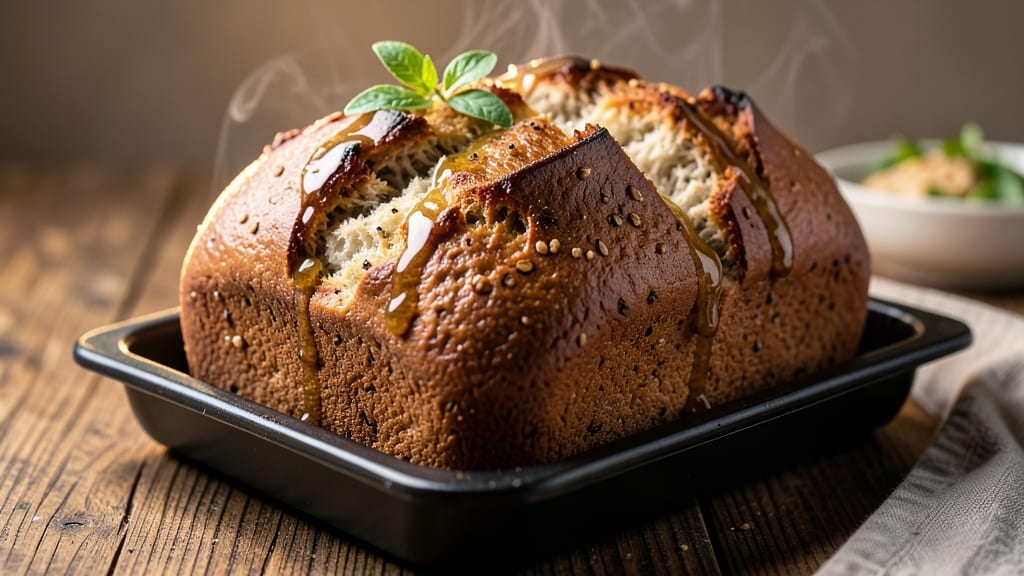
This 50/50 bread machine recipe transforms simple ingredients into a crusty, aromatic loaf with minimal effort—no kneading, no guesswork, just foolproof results in under three hours.
The perfect blend of half whole wheat and half white flour creates a hearty texture with just the right chew, while a touch of honey adds subtle sweetness that enhances every bite.
I developed this recipe after years of testing, ensuring it works in any standard bread machine with consistent, restaurant-worthy outcomes.
The beauty of this method lies in its hands-off simplicity. Your bread machine does all the heavy lifting—mixing, kneading, and baking—while you focus on other tasks. The recipe balances moisture and structure, preventing dense results while delivering that satisfying crusty exterior.
For best results, use warm water to activate the yeast properly and let the dough rise fully before baking, which creates those coveted air pockets.
What you’ll end up with is a golden-brown loaf with a crisp crust and tender interior, perfect for toast, sandwiches, or serving warm with butter. The nutty flavor from the whole wheat pairs beautifully with the mild sweetness of the white flour, making each slice satisfyingly complex.
This recipe also doubles as a great way to use up pantry staples—no special ingredients required.
Whether you're a beginner or a seasoned baker, this 50/50 loaf delivers reliable, delicious results every time. The best part? No need to monitor it closely—just press start and enjoy the aroma filling your kitchen by the end. Let’s get baking!
Ingredients for 50/50 bread machine
Nine simple ingredients, one hands-off process—your bread machine does all the work for this foolproof loaf.
| Ingredient | Amount | Notes |
|---|---|---|
| All-Purpose Flour 🌾 | 2 cups | White flour for structure |
| Whole Wheat Flour 🌾 | 2 cups | Unbleached preferred for flavor |
| Active Dry Yeast 🍞 | ¼ oz | Or 2 1/4 tsp, fresh if available |
| Warm Water 💧 | 1 ¼ cups | 110°F for optimal yeast activation |
| Granulated Sugar 🍚 | ¼ cup | Feeds yeast for better rise |
| Honey 🍯 | ⅛ cup | Subtle sweetness and moisture |
| Salt 🧂 | 1 ½ tsp | Diamond Crystal preferred |
| Olive Oil 🫒 | ⅛ cup | Extra-virgin for richness |
| Milk 🥛 | ⅛ cup | Any kind adds tenderness |
| Egg 🥚 | 1 whole | Optional for added structure |
| Cornmeal 🌽 | ¼ cup | For dusting bread pan |
The flours are the foundation. King Arthur or Bob's Red Mill are my go-tos for whole wheat—both mill their own flour for better texture. For white flour, Gold Medal is a reliable brand that doesn't require sifting. The yeast is non-negotiable: if it's past its expiration date, toss it. Fresh yeast (available at specialty stores) gives the best rise, but active dry works in a pinch. Warm water is critical—too hot kills the yeast, too cold slows it down. Aim for 110°F, which is just warm to the touch. Honey adds that subtle sweetness while keeping the dough moist longer, and Manuka honey if you want to splurge, but regular works fine too.
No honey? Maple syrup or agave at the same amount works beautifully. Short on milk? Water plus 1 tsp butter mimics the same effect. The egg is truly optional—skip it if you're making vegan bread, but it does add that perfect chew. For the olive oil, any neutral oil works, but extra-virgin adds a lovely depth. If you're using a bread machine that's seen better days, the extra 15 minutes of kneading time helps develop the gluten more thoroughly. And if your kitchen is chilly, place your bread machine on a warm oven shelf for the rise cycle to help everything along.
This dough keeps beautifully. Shape it into a loaf, cover with a damp towel, and it'll stay fresh for 2 days at room temperature. For longer storage, freeze the baked loaf wrapped in foil for up to 3 months. The best part? It reheats perfectly—just wrap slices in foil and warm in a 350°F oven for 5 minutes. I always bake two loaves at once—one for immediate use, one to freeze. The crust stays crisp for days if you store it in an airtight container. And if you're feeling fancy, brush the warm loaf with melted butter for that restaurant-quality finish.
Why You'll Love This Recipe
- No-Knead Magic: The bread machine does all the hard work—just dump in the flour mix (half all-purpose, half whole wheat), add yeast and sugar to warm water, and hit start. I’ve made this while scrolling through emails or waiting for dinner to cook.
- Tastes Like Bakery Bread: That 50/50 flour blend gives it a hearty texture with just enough nuttiness from the whole wheat, while the sugar kickstarts the yeast for a light, airy crumb. Honestly, I’ve been told it passes for artisanal—no one’s asking for the recipe.
- Weeknight & Picnic Hero: Slice it fresh for toast or pack it for lunch—it stays soft for days. I’ve used it for sandwiches, garlic bread, and even crumbled it over salads when I’m too tired to bake. (Yes, even on a Tuesday night.)
- Budget-Friendly Staple: A single batch costs pennies and stretches for leftovers, lunches, or even breadcrumbs. Between us, this is how I feed my family without breaking the bank—no sad, stale loaves here.
Step-by-step instructions for 50/50 bread machine recipe
Your bread machine will do all the hard work—just follow these precise steps for a perfectly crusty loaf.
Combine Wet and Dry Ingredients in the Machine
Add the 1.25 cups warm water (between 105°F and 115°F) to the bread machine pan first. This temperature range activates the yeast without killing it. Then add the 0.25 cup granulated sugar and 0.125 cup honey—these feed the yeast for a better rise.
Next, create a well in the center and add the 0.25 oz active dry yeast. Sprinkle the 2 cups all-purpose flour and 2 cups whole wheat flour over the yeast. The whole wheat flour gives that rustic flavor, but the all-purpose keeps the structure intact. Stir everything together lightly with a wooden spoon until just combined—you don’t want to overmix.
Finally, add the 0.125 cup olive oil, 0.125 cup milk, 1 whole egg, and 1.5 tsp salt. The egg adds structure, the milk keeps the crumb tender, and the olive oil ensures a soft interior. Let the machine knead and mix everything for you—no hands required!
Select the Basic Setting and Let It Work
Close the bread machine lid and select the "Basic" or "White" bread setting. This cycle typically takes about 3 hours, including kneading, rising, and baking. The machine will automatically adjust the kneading time—usually around 10-15 minutes—until the dough is smooth and elastic.
During kneading, you’ll hear a rhythmic thumping as the machine works its magic. The dough should pull away from the sides of the pan and form a cohesive ball. If it looks too sticky, don’t worry—the machine will handle it. The rising phase will take about 1 hour, and you’ll see the dough nearly double in size.
This is where the bread machine’s precision shines. It monitors the dough’s temperature and humidity, ensuring optimal fermentation without your constant supervision. Real talk: if you skip this step and try to shape the dough manually, you’ll risk deflating it or uneven baking.
Prepare the Pan and Transfer the Dough
While the machine is kneading, lightly grease a 9x5-inch loaf pan with olive oil or line it with parchment paper. This prevents sticking and makes removal easier later. Sprinkle the bottom of the pan with 0.25 cup cornmeal—this creates a crispy crust on the bottom of your loaf and adds a subtle nutty flavor.
Once the machine signals the end of kneading (usually after 10-15 minutes)), it will automatically begin the first rise. After about 1 hour, the dough will have puffed up significantly. The machine will then shape the dough into a loaf and transfer it to the pan. If your machine doesn’t do this automatically, you’ll need to shape the dough by hand into a smooth, slightly tapered loaf and place it seam-side down in the pan.
Here’s the thing—if the dough looks underproofed (not fully risen), you can let it rise for an extra 15-20 minutes at room temperature. Overproofing is harder to fix, so err on the side of patience. The ideal dough should feel springy when gently pressed and leave a slight indentation that slowly fills back in.
Bake to Golden Perfection
The bread machine will handle the baking phase automatically, but pay attention to the visual cues. The loaf is done when the crust turns a deep golden brown and it sounds hollow when tapped on the bottom. This usually takes about 25-30 minutes, depending on your machine’s settings.
Once the cycle completes, remove the loaf from the pan immediately. Let it cool on a wire rack for at least 30 minutes—this prevents a gummy texture and allows the crumb to set properly. I know it’s tempting to slice into it right away, but trust me, waiting ensures every bite is perfect.
For an extra-crispy crust, brush the top with a little melted butter or olive oil while it’s still warm. Store leftovers in an airtight container or wrap tightly in plastic wrap to keep it fresh for up to 3 days. If you’re freezing, slice it first and freeze the individual portions for up to 3 months—just toast before serving.
Pro Tips For Making 50/50 Bread Machine
- MEASURE FLOUR BY WEIGHT: I learned this the hard way—cupping flour into the bread pan leads to inconsistent results every time. Whole wheat and all-purpose behave differently when scooped, so use a food scale for exact 50/50 ratios. The difference in texture is noticeable, especially in a dense loaf.
- WEIGH YEAST FIRST: Sounds odd, but tossing the yeast into the pan before measuring liquids saves cleanup and prevents clumping. Sprinkle it directly over the warm water and sugar—it’ll bloom faster without you having to scrape it off later. (Yes, even if you’re impatient like me.)
- DON’T SKIP THE KNEADING: The bread machine’s default cycle might feel rushed, but whole wheat needs extra time to develop gluten. If your machine has a "dough" setting, use it—otherwise, pause after the first knead cycle and let it rest 10 minutes before resuming. The loaf stays chewy, not dense.
- USE LESS WATER WITH WHOLE WHEAT: Whole wheat flour absorbs moisture differently, and overdoing it turns your bread into a brick. Reduce the water by 1-2 tablespoons (about 15-30ml) if the dough feels sticky after mixing. The machine will adjust, and you’ll avoid a gummy mess.
Creative variations of 50/50 bread machine
Sweet & Savory Twist
Add 1 tsp cinnamon and ¼ cup raisins to the dough for a breakfast-friendly loaf. The cinnamon pairs beautifully with the honey, while the raisins add chewy texture.
I like to serve this version toasted with a smear of cream cheese and a drizzle of maple syrup for a morning treat. 🍯
Herb & Garlic Loaf
Incorporate 1 tbsp fresh rosemary and 2 minced garlic cloves into the dough for an aromatic twist. The rosemary adds earthy depth, while the garlic enhances the crust’s flavor. This version works perfectly as a side for roasted meats or alongside soups.
For extra flavor, brush the baked loaf with olive oil mixed with 1 tsp dried thyme.
Seeded Whole Grain
Replace ½ cup of the whole wheat flour with ½ cup rolled oats and add 2 tbsp sunflower seeds and 2 tbsp flaxseeds for a nutritious boost. The oats add heartiness, while the seeds provide crunch and extra fiber.
This variation is ideal for sandwiches or as a side with hearty stews. Store-bought seed mixes work, but I prefer Bob’s Red Mill for consistent quality.
Cheesy Garlic Bread
Fold ½ cup shredded cheddar cheese and 1 tsp garlic powder into the dough before baking for a cheesy pull-apart loaf. The cheese melts into the crust, creating pockets of gooey goodness.
For a richer version, use Monterey Jack cheese or add ¼ cup grated Parmesan for extra umami. This is a crowd-pleaser for game day or as a shareable appetizer.
Cranberry Orange Zing
Mix in ½ cup dried cranberries and 1 tbsp orange zest for a festive holiday loaf. The cranberries add tartness, while the orange zest brightens the flavor.
This variation is perfect for Thanksgiving or Christmas gatherings. Pair it with a cup of spiced tea or coffee for a cozy treat. 🍊
Everything Bagel Style
Sprinkle 1 tbsp everything bagel seasoning (or 1 tsp sesame seeds + 1 tsp poppy seeds + 1 tsp dried garlic + 1 tsp onion flakes) on top of the dough before the final rise.
The seasoning bakes into the crust, adding a savory crunch. This version is fantastic for dipping in hummus or pairing with smoked salmon. For extra flavor, brush the baked loaf with garlic-infused olive oil.
Nutrition facts
Frequently asked questions
Why does this recipe use both whole wheat and white flour?
The 50/50 blend balances texture and flavor perfectly. Whole wheat flour adds nutty depth and fiber, while white flour provides structure for a lighter crumb. Without the white flour, the loaf would be dense and heavy. The ratio creates that satisfying chew while keeping the bread tender inside.
Can I make this recipe without a bread machine?
Yes, but with adjustments! Mix the dough by hand, knead for 8-10 minutes until elastic, then let it rise twice (first rise: 1 hour, second rise: 30-45 minutes). Bake at 375°F for 30-35 minutes in a greased loaf pan. The texture will be slightly different but still delicious.
What if my dough doesn't rise properly?
Check your yeast first—it may be old or not activated. Use 110°F water and let it sit for 5 minutes until foamy before adding other ingredients. If the dough still doesn't rise, try adding 1 extra teaspoon of sugar to feed the yeast. Cold kitchens? Place your machine on a warm oven shelf during rising.
How do I store leftover bread?
Wrap the cooled loaf tightly in plastic wrap or foil and store at room temperature for 2-3 days. For longer storage, slice and freeze portions for up to 3 months. To revive, toast slices in a 350°F oven for 5 minutes or warm in a toaster. Never store warm bread—it goes stale faster.
Can I substitute honey with something else?
Use ¼ cup maple syrup or agave for similar moisture and sweetness. For a neutral option, try ¼ cup brown sugar, though it may darken the crust slightly. Avoid powdered sugar—it won't dissolve properly and can affect texture.