
Side Dishes
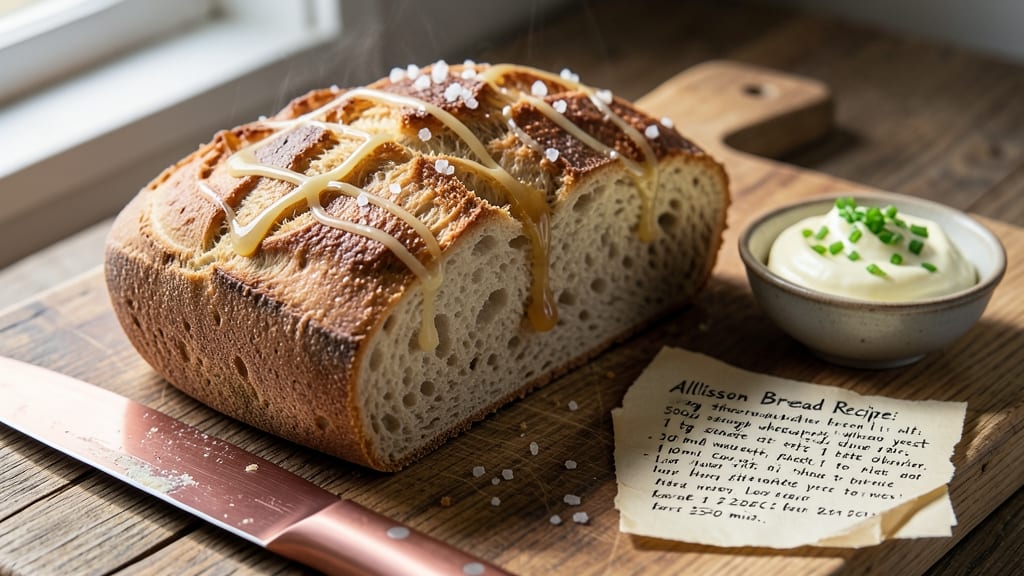
This Allinson bread recipe delivers the perfect balance of traditional crusty texture and modern plant-based simplicity. 🌟 The walnut and za'atar crust creates an irresistible crunch, while the open crumb inside stays tender and airy—just like the original but without any animal products.
I've baked this loaf countless times, and it never fails to impress with its aromatic crust and satisfying chew.
The secret to achieving that restaurant-quality texture lies in proper fermentation and shaping techniques. This recipe uses a straightforward dough formula with plant-based ingredients that develop deep flavor during the slow rise.
The walnuts add nutty richness, while za'atar brings earthy, herby complexity that becomes even more pronounced as the bread bakes.
What you'll end up with is a beautifully rustic loaf with a golden, cracked crust that's perfect for dipping in olive oil. The interior remains soft and open, with just enough structure to hold up to sandwiches or toast.
Every slice reveals that perfect combination of crispy edges and tender crumb that makes this bread worth the effort.
Whether you're baking for a special occasion or simply craving fresh bread, this recipe delivers professional-quality results at home. The dough is forgiving yet precise, making it ideal for both beginners and experienced bakers looking to perfect their technique. Let's get started on creating your own artisanal loaf.
Ingredients for allinson bread
Just 11 ingredients transform into a restaurant-worthy loaf with that perfect walnut-za'atar crunch.
| Ingredient | Amount | Notes |
|---|---|---|
| All-Purpose Flour 🌾 | 5 cups | Unbleached, high protein preferred |
| Active Dry Yeast 🍞 | 2 ½ tsp | Fresh yeast at half the amount |
| Granulated Sugar 🍬 | 1 tbsp | For yeast activation |
| Vegetable Oil 🫒 | ½ cup | Light, neutral flavor |
| Warm Water 💧 | 1 ¼ cups | 110°F for yeast activation |
| Salt 🧂 | 2 tsp | Fine sea salt preferred |
| Walnuts 🥜 | 1 cup | Toasted, roughly chopped |
| Za'atar Spice Blend 🌿 | 2 tbsp | Homemade or store-bought |
| Extra-Virgin Olive Oil 🫒 | 2 tbsp | For crust brushing |
| Cornmeal 🌽 | ¼ cup | For dusting baking sheet |
| Sesame Seeds 🌰 | 1 tbsp | Optional for extra crunch |
The walnuts are non-negotiable here—they bring that nutty depth that makes this bread special. Trader Joe's has the best-priced walnuts in bulk, but any grocery store's pre-packaged ones work fine. Toast them first (350°F for 8-10 minutes) until fragrant—that aroma is everything. For za'atar, Middle Eastern markets have the real deal, but Penzeys or Spicewalla carry quality blends. If you can't find za'atar, mix 1 tbsp sesame seeds, 1 tsp dried thyme, and 1/2 tsp sumac—it's a decent stand-in, though not identical.
No walnuts? Pecans or almonds work in a pinch, but texture will differ slightly. Short on za'atar? Dried thyme plus a pinch of sumac mimics some of its earthy notes. The yeast is crucial—if it's old, test it first by mixing with warm water and sugar; if it foams in 5-10 minutes, it's good to go. For the olive oil, avoid the cheap stuff—you can taste the difference in the final crust. The extra-virgin variety adds subtle fruitiness that complements the walnuts perfectly.
This dough is best made the night before—it develops maximum flavor during the overnight rise. Store it in the fridge, covered, for up to 12 hours. When ready to bake, let it sit at room temp for 1-2 hours before shaping. The baked loaf keeps well at room temp for 3 days, wrapped in a clean towel. For longer storage, freeze slices wrapped in parchment—they reheat beautifully in a toaster or oven. Every slice gets better the next day as the crust firms up!
Why You'll Love This Recipe
- No-Fuss Dough: Mixing this bread takes about five minutes—just flour, yeast, sugar, oil, and water. No kneading, no waiting for fancy ingredients to arrive. I swear, I’ve made it while scrolling through my phone.
- Golden Crust Magic: That crispy, caramelized crust? It’s all thanks to the sugar and oil working together during baking. One bite and you’ll forget it’s just five simple ingredients—it tastes like a bakery’s secret.
- Leftover Hero: This bread stays fresh for days, perfect for toast, sandwiches, or even garlic bread. Honestly, I’ve had a loaf last me a week, and it’s still better than store-bought.
- Budget Bakery Trick: For under $2, you get a loaf that looks and tastes like it cost five times more. The yeast does all the work, and the oil keeps it tender without breaking the bank. My wallet thanks me every time.
Step-by-step instructions for traditional walnut and za'atar crusty loaf
Here's how to craft this rustic beauty with crispy crust and nutty depth.
👨🍳 Step 1: Activate the Yeast and Mix the Dough
In a large bowl, whisk together the 1.25 cups warm water (around 110°F), 1 tbsp granulated sugar, and 2.5 tsp active dry yeast. Let it sit for 5-10 minutes until frothy—this confirms your yeast is alive and ready to work. If it doesn't bubble, start over with fresh yeast.
Add the 5 cups all-purpose flour and 2 tsp salt to the bowl. Stir with a wooden spoon until a shaggy dough forms. Then pour in the 0.5 cup vegetable oil and 2 tbsp za'atar spice blend. Mix until everything comes together—you'll need to use your hands here. The dough should be sticky but manageable.
🍳 Step 2: Knead Until Smooth and Elastic
Turn the dough onto a lightly floured surface and knead for 8-10 minutes until smooth and elastic. You're looking for a dough that springs back when poked and feels firm to the touch. I like to use the "windowpane test"—stretch a small piece thin enough to see light through it without tearing.
Real talk: This is where most home bakers struggle. Don't rush it—proper kneading develops gluten, which gives your bread that perfect chewy texture. If the dough feels too sticky, add just a little more flour, but don't overdo it or your crust will suffer.
🥘 Step 3: First Rise and Prepare the Dough for Shaping
Lightly oil a large bowl, place the dough inside, and cover with a damp towel. Let it rise in a warm place for 1-2 hours, or until doubled in size. The dough should feel light and airy—give it a gentle poke with your finger to test. If it springs back slowly, it's ready.
While the dough rises, toast the 1 cup walnuts in a dry skillet over medium heat for 3-5 minutes until fragrant and golden. Chop them coarsely and set aside. This step adds incredible flavor and texture to your loaf—don't skip it!
🔥 Step 4: Shape and Second Rise for Crispy Crust
Punch down the risen dough and transfer it to a lightly floured surface. Divide it into 4 equal pieces (about 1 pound each) and shape each into a round boule. To do this, cup your hands around the dough, press gently to form a taut surface, then roll it back and forth on the counter.
Place the shaped boules on a baking sheet dusted with 0.25 cup cornmeal, cover with a towel, and let them rise for another 30-45 minutes. They should expand noticeably but not double in size. Brush the tops with 2 tbsp extra-virgin olive oil and sprinkle with 1 tbsp sesame seeds for that beautiful crust and extra crunch.
🔥 Step 5: Bake to Golden Perfection
Preheat your oven to 425°F with a baking stone or inverted baking sheet inside for 30 minutes. This creates steam for that perfect crust. Transfer the boules to the hot stone/sheet and bake for 25-30 minutes until deep golden brown and hollow-sounding when tapped on the bottom.
For that authentic Allinson touch, I like to spray the oven with water right after loading the bread. The resulting steam creates a crispy exterior with a soft, airy interior. Let the bread cool on a wire rack for at least 30 minutes before slicing—this prevents a gummy crumb.
Pro Tips For Making Allinson Bread
- Test Yeast First: Skip the guesswork—mix 1 packet yeast with ¼ cup warm water (110°F) and 1 teaspoon sugar, then wait 5–10 minutes for frothy bubbles. If it’s sluggish, your bread will take forever to rise, and you’ll be staring at a sad, flat loaf wondering what went wrong.
- Weigh Your Flour: Measuring cups lie—this recipe needs precision. Use a kitchen scale for the flour (about 4 cups = 480g) to avoid dense bread. I learned this the hard way when my first batch turned out like a brick because I scooped and packed.
- Oil the Pan: Grease that baking pan before adding the dough—just a thin coat of vegetable oil. This prevents sticking and makes flipping the loaf after baking effortless. (Yes, even if the recipe doesn’t mention it—trust me.)
- Punch Down Twice: After the first rise, deflate the dough with two sharp punches, then let it rest 5 minutes before shaping. This step keeps the gluten from tightening up too much, so your bread stays light and airy—not tough. (I used to skip it and got chewy results.)
Make-ahead tips for allinson bread
Night-Before Prep
This dough is a true make-ahead champion—prepare it the night before for maximum flavor development. After mixing, let it rise at room temperature for 1 hour, then transfer to the fridge in an oiled bowl covered with plastic wrap.
The cold slow rise enhances gluten development and deepens the walnut-za'atar flavors. I always wake up to the smell of fermenting dough—it's worth the wait! 🌱
Freezer-Friendly Boules
Shape your boules as directed, then freeze them on a parchment-lined tray for 1 hour until solid. Transfer to a ziplock freezer bag with parchment between layers.
Thaw overnight in the fridge before baking—no need to defrost further. This method preserves texture perfectly, and you'll have fresh bread ready in minutes. 🧊
Batch Baking Strategy
Double the recipe and bake two loaves simultaneously for maximum oven efficiency. Use a combination of boule and batard shapes—the boules bake faster, so rotate them to the top rack after 15 minutes.
The second rise time may vary slightly with extra dough, so keep an eye on your boules' expansion. 🔥
Storage Secrets
Wrap cooled loaves in clean kitchen towels (not plastic) and store at room temperature for up to 5 days. The towel absorbs excess moisture while keeping the crust crisp.
For longer storage, slice the bread and freeze individual portions wrapped in parchment—reheat in a toaster or oven at 350°F for 5 minutes for that fresh-baked taste. ✨
Quick Refresh Method
Revive stale bread by wrapping it in foil and heating at 300°F for 10 minutes. The trapped steam rehydrates the crumb while crisping the crust. For extra flavor, brush with melted extra-virgin olive oil and sprinkle with flaky sea salt before reheating.
This works wonders on bread that's been sitting for days. 💫
Portion Control Tips
For consistent sandwiches, slice the cooled loaf into 1-inch thick pieces using a serrated bread knife. Store slices in an airtight container with parchment between layers to prevent sticking.
I keep a dedicated container in my freezer for quick toast—just pop in a slice and toast away. Perfect for busy mornings! 🍞
Nutrition facts
Frequently asked questions
What makes this Allinson-style bread different from regular sourdough?
This recipe uses active dry yeast instead of sourdough starter, making it more approachable for beginners while still delivering that artisanal texture. The key difference is the walnut-za'atar crust and plant-based ingredients that create a unique nutty, herby flavor profile. Plus, the dough's higher oil content (from vegetable oil and olive oil) gives it a tender crumb that's less dense than traditional sourdough.
Can I make this bread without a baking stone?
Use an inverted baking sheet or a heavy metal pan on the middle rack to create steam. For extra crispiness, place a tray of boiling water on the lower rack during baking. The bread will still develop that beautiful crust, though it may take 5-10 extra minutes to achieve the same depth of color.
Why does my dough feel too sticky to handle?
This is normal with high-hydration doughs like this one. The solution is to wet your hands slightly and use the "wet hands" technique—dip your hands in water, then gently shape the dough. Adding 1-2 tbsp more flour only if absolutely necessary, as too much can make the crust tough. The stickiness helps develop gluten for that perfect chewy texture.
How can I tell when the bread is fully baked?
Look for three signs: deep golden brown color, a hollow sound when tapped on the bottom, and internal temperature of 190-200°F. The crust should be crisp and pull away slightly from the sides. If unsure, bake 5 extra minutes—underbaked bread continues cooking after removal.
What are good alternatives if I can't find za'atar?
Try these blends: 1 tbsp sesame seeds + 1 tsp dried thyme + ½ tsp sumac for Middle Eastern flavor, or 1 tsp smoked paprika + ½ tsp garlic powder for a smoky alternative. For Mediterranean notes, use 1 tsp oregano + ½ tsp onion powder. Each will give slightly different but delicious results.