
Side Dishes
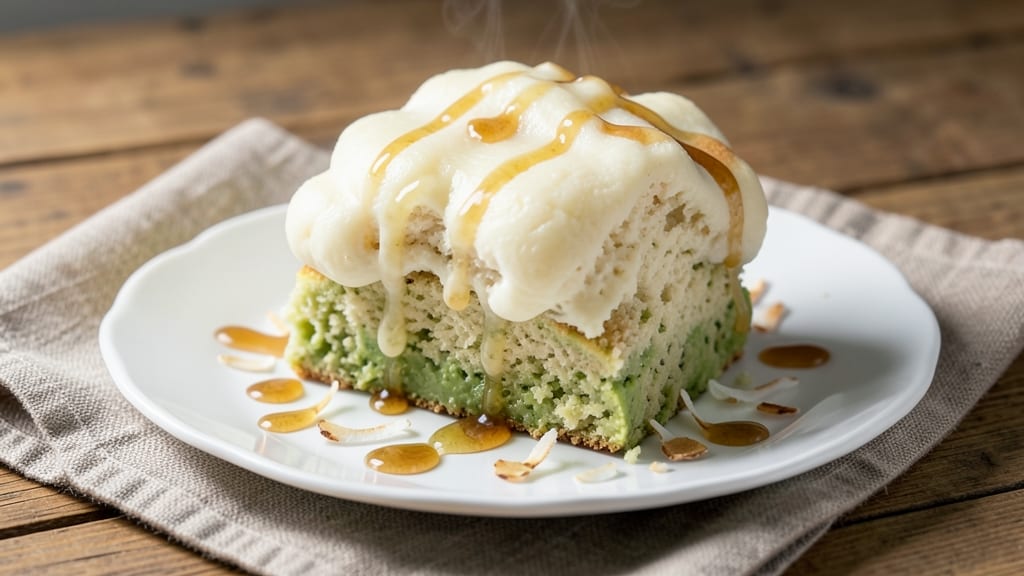
This avocado cloud bread recipe transforms humble avocado into a fluffy, airy dessert that rivals traditional baked goods—but without butter or eggs.
The secret lies in blending ripe avocado until completely smooth, creating a creamy base that mimics the lightness of whipped egg whites, then folding it into a delicate batter for cloud-like layers.
I developed this recipe after years of experimenting with vegan baking, and it consistently delivers a texture so tender it practically melts in your mouth.
The magic happens in the folding technique: once the batter is mixed, you gently fold in whipped aquafaba (chickpea brine) or whipped coconut cream to incorporate air without deflating the structure. This method ensures light, airy layers that stay moist for days, making it perfect for snacking or dessert.
The recipe is naturally vegan and adaptable to gluten-free flours, though all-purpose works beautifully for a classic texture.
What you’ll end up with is a golden, pillowy loaf with a subtle avocado richness that pairs perfectly with sweet or savory toppings.
Think citrus zest, cocoa powder, or a drizzle of honey for extra flavor—each bite is creamy yet light, with a delicate crumb that dissolves on your tongue. The best part?
It bakes in just 30 minutes and keeps well for up to a week in the fridge or can be frozen for later.
Whether you’re hosting a vegan gathering or simply craving a healthier treat, this recipe delivers restaurant-quality results at home. The versatility of the base means you can customize it with mix-ins like matcha, vanilla, or even shredded coconut. Here’s how to make it—step by step.
Ingredients for avocado cloud bread
Eight simple ingredients create this extraordinary vegan cloud bread with avocado magic.
| Ingredient | Amount | Notes |
|---|---|---|
| Ripe Avocados 🥑 | 2 whole | Pitted, blended ultra-smooth |
| All-Purpose Flour 🌾 | 1 ½ cups | Gluten-free blend optional |
| Aquafaba 🥫 | ½ cup | Chickpea brine, whipped stiff |
| Coconut Cream 🥥 | ¼ cup | Full-fat, whipped to peaks |
| Granulated Sugar 🍯 | ½ cup | Or coconut sugar for less refinement |
| Vanilla Extract 🌿 | 1 tsp | Pure, high-quality preferred |
| Baking Powder 🧂 | 1 tsp | Ensure it's fresh |
| Salt 🧂 | ½ tsp | Fine sea salt preferred |
| Lemon Juice 🍋 | 1 tbsp | Freshly squeezed |
| Cocoa Powder 🍫 | ¼ cup | Unsweetened, for optional richness |
| Coconut Oil 🫒 | 1 tbsp | Melted, for greasing |
The avocados are non-negotiable here—ripe but not mushy, with that buttery texture that makes this bread so rich. Trader Joe’s often has perfect ones, or check the produce section for those with slightly soft spots. Blend them until completely smooth, scraping down the bowl—no chunks allowed. The aquafaba is your secret weapon for lightness, so save the brine from a can of chickpeas. If you can't find it, coconut cream whipped to stiff peaks works in a pinch, though the flavor is slightly different. The flour? All-purpose gives the classic texture, but if you're gluten-free, Bob’s Red Mill 1:1 blend keeps it fluffy.
No aquafaba? Vegan whipped cream or coconut cream can substitute, but you’ll lose that signature airiness. Short on avocados? Ripe banana or silken tofu adds creaminess, though the flavor shifts. The cocoa powder is optional but adds depth—Valrhona or Ghirardelli are my go-tos for that rich chocolate note. For sweetness, maple syrup or agave works 1:1 with sugar, though granulated gives a cleaner texture. And if you’re feeling adventurous, swap the vanilla for almond extract or matcha powder—both play surprisingly well here.
This batter is delicate—mix just until combined, then fold gently to keep those air bubbles intact. Bake in a lightly greased loaf pan (coconut oil works perfectly) for that golden crust. Keeps 5 days in the fridge, wrapped tightly, or freeze for 3 months in portions. Slice thin—this bread is all about those cloud-like layers. Leftovers? Toast them for extra crispiness, or store in the freezer for quick snacks.
Why You'll Love This Recipe
- No Mash Required: I’ll admit, I was skeptical about blending avocados into bread—until I tried this. The ripe avocados puree effortlessly with aquafaba, cutting prep time in half. No food processor? A fork works just fine.
- Creamy-Crisp Magic: That coconut cream swirled through the batter gives it a texture I can’t stop describing: airy like a cloud, but with a golden, toasted edge when baked. Honestly, the first bite made me question why I ever ate store-bought bread.
- Breakfast to Dessert: Between us, this bread is my lazy weekend hero. Toast it for avocado toast (yes, again), slice it into French toast with a drizzle of sugar, or even use it as a base for mini sandwiches. My kids ask for it at 7 a.m. and as a midnight snack.
- Pantry Staple Hack: I keep a stash of flour and sugar on hand, but avocados? They’re often the last thing I grab at the store. The rest—aquafaba from a can of chickpeas, coconut cream from a jar—are things I already have. Leftovers? They last 3 days, and even then, I reheat slices in the toaster. Worth every penny.
Step-by-step instructions for avocado cloud bread
Here's how to craft this ultra-light, airy bread with a velvety avocado base—no yeast, no waiting.
Blend the Avocado Base
Start by pitting the 2 whole ripe avocados and scooping the flesh into a food processor. Add the 0.5 cup granulated sugar, 1 tbsp lemon juice, and 1 tsp vanilla extract. Process until completely smooth, scraping down the sides as needed. This creamy mixture forms the bread's signature moist foundation.
You're aiming for a texture similar to thick pudding—no lumps should remain. The lemon juice prevents browning while brightening the flavor, and the vanilla adds subtle depth. Taste the mixture now; it should be sweet, tangy, and rich with avocado's natural creaminess. If you prefer a richer flavor, you can fold in the 0.25 cup cocoa powder at this stage.
Whip the Aquafaba and Coconut Cream
In a separate bowl, combine the 0.5 cup aquafaba and 0.25 cup coconut cream. Using a hand mixer, whip both ingredients to stiff peaks—this should take about 3-4 minutes. The mixture should hold its shape when the whisk is lifted, forming soft, glossy peaks that resemble meringue. This whipped mixture will create the bread's signature light, airy texture.
I like to whip the aquafaba first until it forms soft peaks, then gradually incorporate the coconut cream. This ensures maximum volume without deflating the mixture. If your mixer isn't powerful enough, consider using a stand mixer with the whisk attachment for best results. The whipped mixture should be thick enough to hold its shape when dropped from a spoon.
Combine Wet and Dry Ingredients
Gently fold the whipped aquafaba mixture into the avocado base using a spatula, being careful not to deflate the air incorporated during whipping. In a separate bowl, whisk together the 1.5 cups all-purpose flour, 1 tsp baking powder, and 0.5 tsp salt. Gradually add the dry ingredients to the wet mixture, folding just until combined. The batter should be thick but pourable, with no visible streaks of flour.
This is where the magic happens—the baking powder will activate when exposed to moisture, creating the bread's signature fluffy texture. If the batter seems too thick, you can add 1-2 tablespoons of water to help it flow more easily. The mixture should coat the back of a spoon but still hold its shape when lifted. Avoid overmixing at this stage, as it can lead to a denser final product.
Prepare the Pans and Bake
Preheat your oven to 350°F. Lightly grease two 8x8-inch baking pans with the 1 tbsp melted coconut oil. Divide the batter evenly between the pans, spreading it out to create a thin, even layer—about ¼-inch thick. The thinner the layer, the lighter and fluffier the final texture will be.
Bake for 25-30 minutes, or until the edges are golden brown and a toothpick inserted into the center comes out clean. The bread should spring back slightly when gently pressed in the center. Real talk: don't overbake—this bread dries out quickly once removed from the oven. If the top browns too quickly, tent the pans loosely with aluminum foil after the first 15 minutes of baking.
Cool and Serve
Allow the baked bread to cool in the pans for 10 minutes before carefully transferring it to a wire rack. The bread should be soft and tender, with a delicate crumb that almost dissolves on the tongue. For the best texture, serve immediately while still warm. This bread is best enjoyed fresh, as it tends to firm up slightly as it cools.
To create layers, simply stack two slices together with a thin layer of whipped coconut cream or avocado butter between them. The contrast between the creamy avocado base and the light, airy texture creates a truly unique eating experience. Store any leftovers in an airtight container in the refrigerator for up to 3 days, but honestly, it's best enjoyed within a few hours of baking.
Pro Tips For Making Avocado Cloud Bread
- Mash Avocados First: Let them sit for 10 minutes after mashing—this releases more moisture and makes the batter smoother. I used to skip this and ended up with a dense, uneven texture that looked nothing like cloud bread.
- Whip Aquafaba Cold: Use chilled aquafaba straight from the can, and whip it in a completely grease-free bowl. Warmth or residue makes it foam unevenly, and you’ll end up with a gummy mess instead of light peaks.
- Don’t Overmix the Batter: Stir the flour into the avocado mixture just until combined—lumps are fine. Overmixing develops gluten, and your cloud bread will turn dense and chewy instead of airy.
- Bake at 325°F, Not Higher: This recipe is delicate—anything above 325°F risks burning the outside before the center sets. I learned this after a batch collapsed into a sad, greasy puddle. Use an oven thermometer to confirm.
Troubleshooting great avocado cloud bread
Batter Too Dense
If your batter feels thick and heavy, it’s likely from overmixing the dry ingredients or using too much flour. Start by ensuring your avocado base is perfectly smooth—no lumps should remain. If the batter seems too stiff, add 1-2 tablespoons of water or unsweetened almond milk to loosen it.
The ideal consistency should resemble thick pancake batter, pourable but still holding its shape. Overmixing introduces too much gluten, which can make your cloud bread dense instead of airy. 🥄
Cracks or Uneven Texture
Cracks or an uneven surface often happen when the oven temperature fluctuates or the batter isn’t spread evenly. Preheat your oven for at least 15 minutes to ensure a stable temperature of 350°F. Spread the batter in a thin, even layer—about ¼-inch thick—using a spatula.
If your oven runs hot, tent the pans with aluminum foil after 15 minutes to prevent over-browning. Uneven baking can also occur if the pans aren’t level, so place them on a baking sheet for stability.
Flat or Soggy Result
A flat or soggy cloud bread usually means the aquafaba or coconut cream wasn’t whipped enough or the baking powder was old. Whip the aquafaba to stiff peaks—it should hold its shape when the whisk is lifted.
For extra lift, add ½ tsp extra baking powder if yours is over a year old. Also, ensure your oven isn’t too hot; 350°F is critical. If the bread feels underdone, it might need a few more minutes in the oven, but avoid overbaking, as this bread dries out quickly.
Bitter or Off Flavor
If your cloud bread tastes bitter, it’s likely from overripe avocados or old ingredients. Use ripe but firm avocados—avoid those with brown spots or a mushy texture. Check the expiration date on your baking powder and cocoa powder, as these can turn bitter over time.
Fresh lemon juice and vanilla extract also make a difference. For a richer flavor, add 1 tsp of maple syrup or a pinch of sea salt to balance any bitterness. Always taste the avocado base before mixing—if it’s too strong, dilute it slightly with a splash of milk.
Not Rising Enough
If your cloud bread lacks height, the aquafaba or coconut cream might not have been whipped properly, or the baking powder could be inactive. Whip the aquafaba to stiff peaks—it should form soft, glossy peaks that hold their shape.
If you’re substituting coconut cream, ensure it’s full-fat and whipped to the same consistency. Test your baking powder by mixing 1 tsp with 2 tbsp water; it should bubble vigorously. If not, replace it with fresh baking powder.
Also, avoid opening the oven door during baking, as temperature drops can prevent proper rising.
Nutrition facts
Frequently asked questions
Why does this avocado bread turn out so light and fluffy?
The secret lies in the whipped aquafaba and coconut cream—these create air pockets that mimic egg whites' structure. When folded into the avocado base, they expand during baking, forming those signature cloud-like layers. The baking powder also activates to create lift, while the thin batter layer ensures even cooking.
Can I make this recipe without aquafaba?
Yes! Use ½ cup whipped coconut cream or vegan whipped cream instead, though the texture will be slightly denser. For best results, whip it to stiff peaks just like aquafaba. If you're short on time, even egg whites whipped to stiff peaks (for non-vegan versions) work beautifully.
How do I store avocado cloud bread to keep it fresh?
Wrap tightly in plastic wrap or store in an airtight container for up to 5 days in the fridge. For longer storage, slice and freeze between parchment paper for 3 months. Thaw at room temperature for 1-2 hours before serving. Toasting slightly revives texture if it dries out.
What are the best mix-ins for flavor variations?
Try 1 tbsp cocoa powder for chocolate cloud bread, 1 tsp matcha powder for green tea flavor, or 1 tbsp lemon zest for citrus brightness. For savory versions, replace sugar with 1 tsp garlic powder + ½ tsp onion powder and add ¼ cup nutritional yeast for a cheesy note. The possibilities are endless!
Why does my avocado cloud bread crack on top?
Cracking usually happens from sudden temperature changes or uneven batter distribution. Preheat your oven for 15 minutes and spread the batter in a perfectly even ¼-inch layer. If your oven runs hot, tent with foil after 15 minutes to prevent over-browning. The cracks won't affect taste—just the pretty presentation!