Main Courses
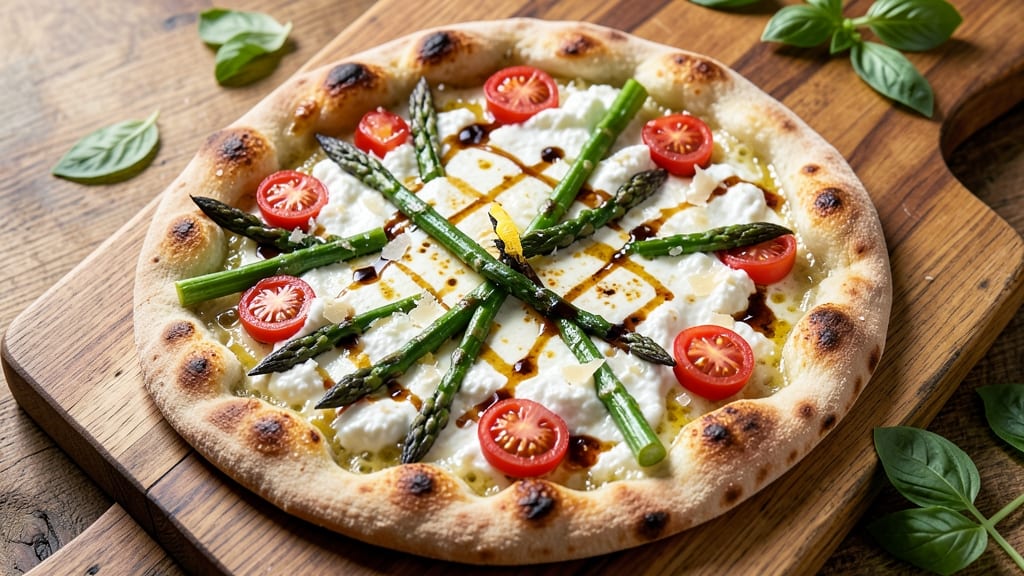
This asparagus flatbread pizza recipe transforms spring’s freshest vegetable into a showstopping main course that’s surprisingly simple to make. The secret lies in a crispy, chewy flatbread base that holds up perfectly to the tender asparagus spears, melted cheese, and bright tomato sauce.
I developed this recipe after realizing how often asparagus gets overlooked as a pizza topping—until you try it charred and caramelized, it becomes the star.
The beauty of this dish is its vegetarian adaptability—it works as a standalone meal or pairs beautifully with grilled chicken or shrimp. We’ll use a quick flatbread dough that requires no kneading, just 15 minutes of prep, and a high-heat bake that creates that perfect crispy-chewy texture.
The asparagus gets roasted until tender-crisp, absorbing the garlic and lemon flavors while keeping its natural sweetness.
What you’ll end up with is a pizza that looks as impressive as it tastes—golden flatbread with blistered asparagus spears peeking through melted cheese, all topped with a drizzle of balsamic glaze for that perfect sweet-tangy finish.
The sauce is simple but flavorful, and the cheese melts just enough to create pockets of creamy goodness. This is the kind of dish that makes spring vegetables feel special without requiring fancy techniques.
Whether you’re feeding a crowd or treating yourself to a weekend lunch, this recipe delivers restaurant-quality results with minimal effort. The flatbread base is foolproof, the asparagus prep takes just 10 minutes, and the whole pizza comes together in under 30 minutes. Let’s get started!
Ingredients for asparagus flatbread pizza
Spring asparagus, crispy flatbread, and bold flavors—this pizza needs just 14 ingredients.
| Ingredient | Amount | Notes |
|---|---|---|
| All-Purpose Flour 🌾 | 2 cups | Spooned and leveled for accuracy |
| Active Dry Yeast 🍞 | ¼ tsp | Or 1 packet instant yeast |
| Granulated Sugar 🍚 | 1 tsp | Feeds the yeast quickly |
| Extra-Virgin Olive Oil 🫒 | ½ cup | Plus 1 tbsp for brushing |
| Warm Water 💧 | ¾ cup | 110°F (43°C) ideal |
| Salt 🧂 | 1 ½ tsp | Diamond Crystal preferred |
| Fresh Asparagus 🌱 | 1 lb | Thick spears preferred |
| Garlic Cloves 🧄 | 4 cloves | Minced for roasting |
| Lemon Juice 🍋 | 2 tbsp | Freshly squeezed |
| Tomato Sauce 🍅 | ½ cup | Canned San Marzano preferred |
| Shredded Mozzarella Cheese 🧀 | 1 ½ cups | Part-skim for balance |
| Parmesan Cheese 🧀 | ½ cup | Freshly grated |
| Balsamic Glaze 🍷 | 2 tbsp | For finishing drizzle |
| Fresh Basil Leaves 🌿 | ¼ cup | Chopped for garnish |
The asparagus is non-negotiable for this recipe—thick spears (1/2-inch diameter) hold up best to roasting. Hit the farmers market for the freshest, or grab a bunch at Whole Foods where they often have organic options. Look for vibrant green stalks with tightly closed tips—those are the sweetest. The garlic should be freshly minced (not jarred) for maximum flavor, and if you're in a pinch, Trader Joe's sells pre-minced garlic in tubes that save time. For the flatbread dough, King Arthur flour is my go-to for that perfect chewy texture, but any high-protein flour works.
No fresh asparagus? Frozen asparagus works in a pinch, but thaw and pat it dry first to avoid soggy flatbread. Running low on balsamic glaze? Red wine reduction at half the amount gives similar depth. The tomato sauce can be store-bought (I love Rao's brand), but if you're making it fresh, San Marzano tomatoes are worth the splurge—they're sweeter and less acidic. For the cheese, pre-shredded mozzarella is convenient, but freshly shredded melts better. The balsamic glaze can be swapped for fig jam if you prefer a sweeter finish, though the tangy balance is what makes this pizza shine.
The flatbread dough keeps in the fridge for 3 days wrapped tightly in plastic, or you can freeze it for up to 1 month—just thaw overnight in the fridge before using. Fresh asparagus lasts 5-7 days in the fridge, but roast it the day you plan to use it for peak tenderness. The balsamic glaze and fresh basil can be prepped ahead and stored separately. This pizza reheats beautifully—350°F for 5-7 minutes restores that crispy-chewy texture, though it's best enjoyed fresh out of the oven.
Why You'll Love This Recipe
- No Yeast Hassle: I swear by this dough—just flour, yeast, sugar, oil, and water. No kneading, no waiting forever for it to rise. Toss it together, let it puff for 20 minutes, and you’re ready to roll. My lazy Sundays just got a whole lot easier.
- Crispy-Creamy Magic: The flatbread’s edge gets that golden crunch while the center stays soft—like a perfect hug. Top it with asparagus (roasted until tender-crisp) and a drizzle of olive oil, and suddenly, dinner feels fancy. No one will guess it’s basically a fancy grilled cheese.
- Weeknight Wonder: Between us, this is my go-to when I’m too tired to order in but still want something that doesn’t taste like a sad microwave meal. It’s fast enough for a Tuesday, hearty enough for a family dinner, and even my picky teenager doesn’t complain. (Yes, even on a Tuesday night.)
- Budget-Friendly Luxe: Flour, yeast, olive oil—those are staples I already have. Asparagus is cheap in season, and the dough stretches to feed four for under $10. It’s the kind of recipe that makes me feel fancy without breaking the bank. Leftovers? Reheat them in a skillet for breakfast—trust me, it’s genius.
Step-by-step instructions for asparagus flatbread pizza
Here's how to craft a vibrant, spring-inspired flatbread pizza that highlights fresh asparagus with perfect texture and flavor.
Prepare the Asparagus Topping
Trim the ends from the 1 lb fresh asparagus using a sharp chef's knife, leaving about 2 inches of spear. Cut the thicker stalks into ½-inch slices while keeping the tips whole for visual appeal. In a large skillet, heat 1 tablespoon extra-virgin olive oil over medium-high heat until shimmering. Add the asparagus and cook for 4-5 minutes until tender-crisp with slightly charred edges.
Remove the asparagus and set aside. In the same skillet, add the 4 cloves minced garlic and cook for 30 seconds until fragrant. Immediately deglaze with 2 tablespoons lemon juice, scraping up any browned bits. Let cool before combining with the asparagus. This bright, garlicky mixture will elevate your pizza's spring flavors.
Mix and Shape the Flatbread Dough
In a large mixing bowl, combine the 2 cups all-purpose flour with 1.5 tsp salt and 1 tsp granulated sugar. Create a well in the center and add 0.25 tsp active dry yeast. Gradually pour in the 0.75 cup warm water and 0.5 cup extra-virgin olive oil, mixing with a wooden spoon until a shaggy dough forms.
Transfer the dough to a lightly floured surface and knead for 8-10 minutes until smooth and elastic. The dough should spring back when pressed. Shape into a 12-inch round about ½-inch thick. Place on a parchment-lined baking sheet, cover with a clean kitchen towel, and let rise for 45 minutes in a warm place until nearly doubled in size.
Assemble and Bake the Pizza
Preheat your oven to 425°F with a pizza stone or baking sheet inside. Spread 0.5 cup tomato sauce evenly over the risen dough, leaving a ½-inch border for the crust. Sprinkle 1.5 cups shredded mozzarella cheese and 0.5 cup freshly grated parmesan cheese over the sauce. Arrange the prepared asparagus mixture on top, slightly overlapping the pieces.
Bake for 12-15 minutes until the crust is golden brown and the cheese is bubbly. Rotate the pizza halfway through for even baking. Watch for the edges to develop a crisp texture while keeping the center tender. Remove from the oven and let rest for 2 minutes before slicing.
Finish and Serve
Drizzle the baked pizza with 2 tablespoons balsamic glaze in an artistic zigzag pattern. Immediately sprinkle with 0.25 cup chopped fresh basil leaves for a burst of freshness. Serve while warm, cutting into 8 wedges for your 4 servings. The combination of crispy flatbread, tender asparagus, and tangy balsamic creates a perfect springtime meal.
For best results, serve immediately while the cheese is still melty and the asparagus retains its vibrant color. The balsamic glaze adds a sophisticated touch that balances the savory flavors perfectly.
Pro Tips For Making Asparagus Flatbread Pizza
- STRETCH THE DOUGH: If your flatbread comes out tough, resist the urge to roll it thin—this isn’t Neapolitan pizza. Aim for ½-inch thickness (about the width of your thumb) so it stays tender and doesn’t dry out under the asparagus. I used to fight this, but now I embrace the rustic look—it holds sauce better, too.
- SALT THE WATER LIKE IT’S THE OCEAN: Your yeast needs a real kick to activate properly. Dissolve 1½ teaspoons of salt in the warm water before mixing—don’t just sprinkle it in later. I learned this after my dough took forever to rise; the yeast was playing dead from lack of confidence.
- PRE-COOK THE ASPARAGUS: Raw asparagus will make your flatbread soggy. Blanch the spears for 2 minutes in boiling salted water, then shock in ice water to stop cooking. This keeps them crisp-tender and prevents a sad, mushy pizza. (Yes, even if you’re impatient—trust the process.)
- USE OLIVE OIL LIKE GOLD: The dough needs 2 tablespoons of extra-virgin olive oil (not the cheap stuff) mixed into the flour before adding water. This isn’t just for flavor—it creates a silky texture that prevents cracking when stretching. I was skeptical until I tried it; now I hoard the good oil for this recipe.
Pro cooking tips for this dish
Asparagus Roasting Tricks
Char the asparagus properly by trimming just the woody ends—leave 2 inches of spear. Roast the thicker stalks at 450°F for 10 minutes (not 4-5) to achieve that perfect caramelization. I use a cast-iron skillet—it retains heat better than nonstick. 🔥
For extra flavor, toss the asparagus with ½ tsp smoked paprika before roasting. The smokiness pairs beautifully with the bright lemon and garlic. Don’t overcrowd the pan—work in batches if needed to avoid steaming instead of searing.
Flatbread Dough Secrets
Skip the yeast packet and use ½ tsp active dry yeast instead—it activates faster. The dough should feel slightly sticky but not wet. If it’s too dry, add 1 tsp water; if too wet, sprinkle 1 tbsp flour.
Let it rise in a warm spot—I place mine near the oven with the light on.
For a crispier crust, brush the shaped dough with an extra ½ tbsp olive oil before baking. This creates a golden, shatteringly thin edge that contrasts perfectly with the chewy center. A pizza peel makes transferring easier—dust it with semolina flour for extra crispiness.
Cheese Melting Mastery
Combine ½ cup shredded mozzarella with ¼ cup ricotta for a creamier, less greasy melt. The ricotta blends into the sauce, creating pockets of ultra-creamy goodness. Sprinkle ¼ cup grated parmesan on top of the mozzarella—it browns beautifully and adds depth.
Avoid pre-shredded cheese if possible—it contains anti-caking agents that prevent proper melting. If you must use it, pulse it in a food processor to break up the additives. For an extra boost, add ½ tsp Italian seasoning to the cheese mixture before spreading.
Baking Like a Pro
Use a pizza stone or inverted baking sheet for even heat distribution. Place the pizza on the stone 5 minutes before baking to preheat it. Rotate the pizza once halfway through baking for consistent browning. The edges should be golden, not burnt.
If your oven runs hot, reduce the temperature to 400°F and bake for 18-20 minutes. A meat thermometer inserted into the cheese should read 165°F. Let the pizza rest for 3-5 minutes before slicing—this allows the cheese to set slightly for cleaner cuts.
Nutrition facts
Frequently asked questions
Can I use frozen asparagus instead of fresh?
Yes, but thaw and pat it completely dry first to prevent a soggy flatbread. Fresh asparagus gives the best texture and flavor, but frozen works in a pinch. For extra crispiness, roast the thawed asparagus for 2-3 minutes longer than fresh to compensate for its higher moisture content.
How do I make this vegetarian if I don't eat cheese?
Swap the mozzarella and parmesan for a ¼ cup cashew cream (blended soaked cashews) mixed with 1 tbsp nutritional yeast for a cheesy flavor. Add ½ cup roasted chickpeas for protein and texture. The balsamic glaze still adds that perfect tangy finish without dairy.
Why is my flatbread dough not rising properly?
Check your yeast first—it should be fresh (test by mixing with warm water and 1 tsp sugar; it should foam in 5 minutes). Use 110°F (43°C) water for activation, and place the dough in a warm spot (like an oven with the light on). If it still doesn't rise, your yeast may be dead or your flour too old.
Can I make this ahead of time?
Yes! Assemble the pizza (without baking) and refrigerate for 24 hours or freeze for 1 month. Bake from frozen at 375°F for 20-25 minutes. The flatbread dough can also be prepped 3 days ahead and stored wrapped tightly. Just let it rise again before assembling.
What's the best way to store leftovers?
Cool completely, then store in an airtight container for 3-4 days in the fridge. Reheat at 350°F for 8-10 minutes until warm. For freezing, slice first and layer with parchment paper between slices to prevent sticking. Thaw overnight in the fridge before reheating.