Side Dishes
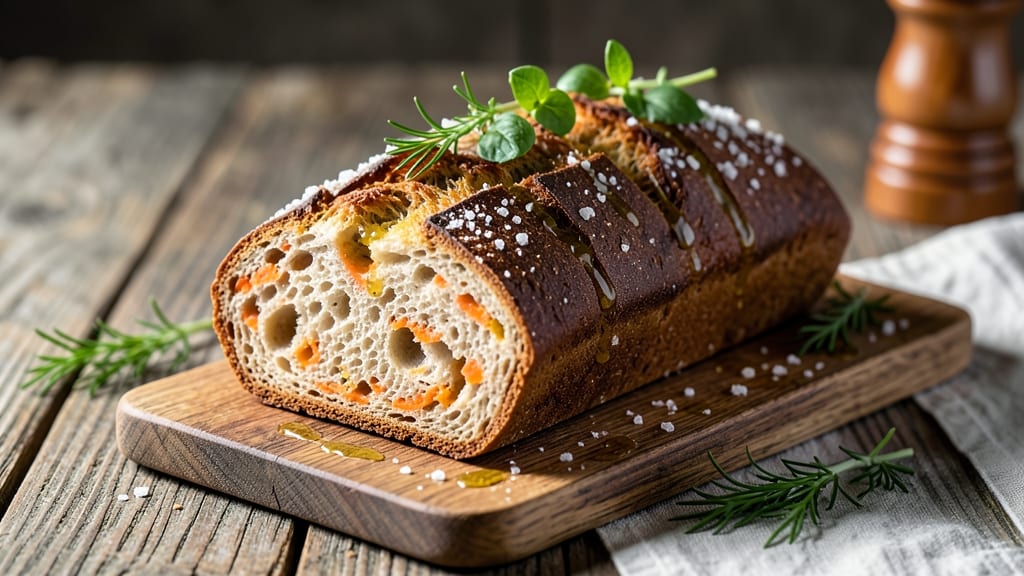
This artisan sourdough bread recipe cleverly incorporates carrot into every bite, blending sweet-savory swirls with a crusty gold crunch that rivals any bakery loaf. 🌟 The secret lies in a slow fermentation process that develops deep flavor while the grated carrot infuses the dough with natural sweetness, creating a complex taste profile that surprises even seasoned bakers.
What makes this recipe truly special is how it transforms humble ingredients into something extraordinary through precise technique and patience.
The process begins with a wild yeast starter that captures the essence of traditional sourdough, then incorporates grated carrots directly into the dough for subtle sweetness that enhances rather than overpowers. Each step—from kneading to shaping—is designed to maximize flavor development while maintaining that signature artisan texture.
The result is a loaf with an open crumb structure, caramelized crust, and pockets of sweet-savory carrot throughout.
What you'll achieve is a bread that's perfect for sandwiches, toast, or serving alongside soups—its complex flavor profile makes it a centerpiece rather than just a side. The carrot element adds visual appeal with golden swirls while contributing natural sweetness that balances the bread's tangy, chewy character.
This isn't just bread; it's a culinary experience that demonstrates how simple ingredients can create something truly remarkable.
Whether you're an experienced baker or trying sourdough for the first time, this recipe delivers professional results with clear instructions for each critical stage. The key to success lies in proper fermentation times and handling techniques that ensure both flavor development and perfect texture.
Let's get started on creating your own artisanal loaf with that clever carrot twist.
Ingredients for artisan sourdough bread recipe clever carrot
Four cups flour, one pound carrots, and a wild yeast starter create this artisan masterpiece.
| Ingredient | Amount | Notes |
|---|---|---|
| Organic Whole Wheat Flour 🌾 | 4 cups | Bread flour preferred for structure |
| Unbleached All-Purpose Flour 🌾 | 1 cup | For lighter crumb structure |
| Organic Carrots 🥕 | 1 lb | Grated, organic preferred |
| Active Wild Yeast Starter 🍞 | 1 cup | 100% hydration, bubbly |
| Extra-Virgin Olive Oil 🫒 | ½ cup | Cold-pressed, fruity |
| Filtered Water 💧 | 1 ½ cups | Room temperature |
| Raw Honey 🍯 | 2 tbsp | For fermentation boost |
| Diamond Crystal Kosher Salt 🧂 | 2 tsp | Fine grain preferred |
| Ground Flaxseed 🌱 | 1 tbsp | For dough elasticity |
| Fresh Rosemary 🌿 | 1 tbsp | Chopped, for aroma |
| Fresh Thyme 🌿 | 1 tbsp | Chopped, for depth |
| Cornmeal 🌽 | ¼ cup | For dusting loaf pan |
The wild yeast starter is non-negotiable for authentic sourdough flavor. King Arthur or Bob's Red Mill organic starters work best, but you can also cultivate your own using whole wheat flour and water. Look for vibrant, bubbly activity—this indicates active fermentation. The carrots should be organic, with no blemishes, and grated on the finest setting of your box grater for even distribution. Whole Foods or local farmers markets often carry the freshest produce. For flour, King Arthur Bread Flour provides the ideal protein structure, while the all-purpose flour adds lightness to balance the carrot's density. Fresh herbs like rosemary and thyme elevate the flavor profile, so choose fragrant, vibrant sprigs from the grocery store's produce section.
No wild yeast starter? Instant yeast at half the amount works in a pinch, though flavor won't be identical. Substitute grated carrot with beet puree at equal volume for similar sweetness, though texture will differ slightly. If you lack fresh herbs, dried rosemary and thyme at one-third the amount suffice. For the honey, maple syrup provides a comparable fermentation boost. The flaxseed can be omitted if unavailable, though it improves dough elasticity. When measuring flour, use the spoon-and-level method for consistency—packing flour compresses it, altering hydration levels. The olive oil should be extra-virgin for optimal flavor, though regular olive oil works in a bind.
Store the wild yeast starter in an airtight container in the refrigerator for up to 2 weeks, feeding it weekly with equal parts flour and water. Grated carrots keep in the fridge for 5 days when stored in a sealed container. The dough can be shaped and refrigerated overnight for improved flavor development. For long-term storage, freeze shaped loaves for up to 3 months—thaw at room temperature before baking. Freshly baked loaves are best enjoyed within 3 days, though they'll stay fresh longer when wrapped in a clean kitchen towel.
Why You'll Love This Recipe
- No-Knead Magic: I swear by this method—just mix, rest, and bake. The wild yeast starter does all the heavy lifting while you sip coffee, and the whole wheat flour keeps it hearty without the fuss of kneading. (Honestly, my hands thank me every time.)
- Sweet-Savory Surprise: That grated carrot isn’t just decoration—it adds a subtle earthy sweetness that balances the tangy sourdough. Drizzle it with olive oil while warm, and you’ve got a bread that tastes like a hug from a French bakery.
- Weeknight Wonder: Slice it for toast in the morning, pack it for lunches, or serve thick slices with butter at dinner. It’s the one loaf that does double duty without a second thought—my go-to for lazy days and last-minute guests.
- Budget Baking Gold: Whole wheat flour stretches further than white, and carrots bulk it up without breaking the bank. A single batch feeds my family for days, and the leftovers? Perfect for croutons or breadcrumbs—zero waste, all flavor.
Step-by-step instructions for artisan sourdough bread with carrot swirls
Master this sourdough technique to create a loaf with crisp golden crust and sweet-savory carrot swirls.
👨🍳 Step 1: Prepare the Carrot Swirl and Hydrate the Dough
Start by grating 1 lb of the organic carrots using a box grater or food processor. Transfer the grated carrots to a mixing bowl and combine with 2 tbsp raw honey, 1 tbsp chopped fresh rosemary, 1 tbsp chopped fresh thyme, and 1 tbsp ground flaxseed. Mix until evenly distributed and set aside.
In a separate large bowl, whisk together 1.5 cups filtered water at room temperature with the 1 cup active wild yeast starter. Let this mixture sit for 10 minutes until it becomes slightly bubbly. This activates your starter and creates the perfect foundation for fermentation.
👨🍳 Step 2: Combine Flours and Mix the Dough
Add the 4 cups organic whole wheat flour and 1 cup unbleached all-purpose flour to the yeast-water mixture. Stir with a wooden spoon until a shaggy dough forms, scraping down the sides of the bowl as needed. This combination of flours gives you both structure and a lighter crumb.
Create a well in the center and pour in the 0.5 cup extra-virgin olive oil. Sprinkle the 2 tsp diamond crystal kosher salt over the top and mix vigorously with your hands until the dough begins to come together. The dough should be sticky but manageable—this is normal for sourdough.
🥘 Step 3: Knead and Incorporate the Carrot Swirl
Turn the dough out onto a lightly floured surface and knead for 8-10 minutes until smooth and elastic. If the dough feels too sticky, wet your hands slightly to help handle it. The goal is to develop gluten for structure while keeping the dough tender enough to accommodate the carrot swirl.
Divide the dough into two equal portions. Roll one portion into a rectangle about 12x6 inches and spread the carrot mixture evenly over the surface. Roll it up tightly like a log, then pinch the seam to seal. Place this on one side of your mixing bowl.
⏰ Step 4: Bulk Fermentation and First Rise
Cover both the plain dough portion and the carrot-filled log with a damp kitchen towel or plastic wrap. Let them rise at room temperature for 4-6 hours, or until both have nearly doubled in size and show good activity with bubbles forming on the surface. I like to do this on the counter where I can monitor progress.
After the initial rise, gently shape each portion into a round boule. Place them seam-side up in a lightly oiled bowl, cover again, and let rise for another 2-3 hours until puffy. The carrot-filled portion will be slightly heavier, so handle it gently to avoid deflating the dough.
🔥 Step 5: Shape, Proof, and Bake to Golden Perfection
Preheat your oven to 450°F with a Dutch oven inside for 1 hour. This ensures maximum heat retention for that perfect crust. While the oven heats, shape each dough portion into a tight boule by pulling the edges toward the center and tucking them under.
Carefully transfer each boule to a piece of parchment paper, then score the top with a razor blade in a decorative pattern. Place them in the preheated Dutch oven, cover, and bake for 30 minutes. Remove the lid and bake for another 15-20 minutes until the crust is deep golden brown and sounds hollow when tapped.
🍽️ Step 6: Cool and Enjoy Your Artisan Creation
Remove the loaves from the Dutch oven and let them cool on a wire rack for at least 1 hour. This resting period is crucial—it allows the crumb to set and prevents a gummy texture. The carrot swirls should be visible through the crust when you cut into it.
Slice the bread and serve warm with your favorite butter or olive oil. The exterior should be crisp with a satisfying crunch, while the interior reveals a tender crumb with pockets of sweet carrot and herby flavor. This technique transforms simple ingredients into an artisanal loaf that rivals professional bakeries.
Pro Tips For Making Artisan Sourdough Bread Recipe Clever Carrot
- Grate, Don’t Dice: DESCRIPTION: Carrots release moisture differently when grated—tiny shreds blend into the dough smoothly, while chunks create uneven texture. Use a box grater and aim for consistency, or pulse them in a food processor for a more uniform mix. (Yes, even if you’re impatient like me, this makes a real difference.)
- Hydrate the Flour: DESCRIPTION: Whole wheat flour soaks up liquid like a sponge. Mix your dry ingredients first, then add water or starter gradually while stirring—you’ll need about 10-15% more liquid than usual to avoid a dry, crumbly dough. I learned this the hard way after scrapping a batch that looked like a brick.
- Score Before Baking: DESCRIPTION: Skip the guesswork—score your loaf with a razor or sharp knife before it goes in the oven. The steam needs an escape route, or your bread will split unpredictably. Angle the blade slightly for a cleaner cut, and do it right after the oven hits temp. (Your future self will thank you.)
- Proof at Room Temp: DESCRIPTION: Whole wheat dough rises slower, so give it a cozy spot—70°F (21°C) is ideal. If your kitchen’s cooler, proof it near the oven (turned off) with the light on for gentle warmth. Rushing it with heat will make your bread dense. I was skeptical until I tried it—now it’s non-negotiable.
Pro cooking tips for perfect results
Fermentation Mastery
Your wild yeast starter is the soul of this bread—don’t rush it! Aim for a 10-minute activation before mixing, and let the dough ferment at 72-75°F for optimal flavor development. I use a Thermapen thermometer to monitor my kitchen temperature, adjusting fermentation times if needed.
The carrot-infused dough may rise slightly slower due to its moisture content, so plan for an extra 30-60 minutes in bulk fermentation. 🌡️
Dough Handling Hacks
This dough is sticky—embrace it! Wet your hands with room-temperature water before handling to prevent sticking, and avoid adding extra flour, which can weaken gluten development. For the carrot swirl, use a bench scraper to spread the mixture evenly in a 12x6-inch rectangle.
Rolling tightly ensures even distribution of carrots throughout the loaf. I find a Lodge cast iron rolling pin works best for this step.
Scoring Secrets
Scoring isn’t just decorative—it’s functional! Use a razor blade or lame to make cuts ⅛-inch deep at a 45-degree angle for maximum steam release. For the carrot swirl loaf, I create a simple basketweave pattern to highlight the golden carrot streaks.
Press firmly but don’t tear the dough—this ensures clean cuts and prevents air from escaping during baking. A sharp razor makes all the difference.
Dutch Oven Dynamics
Preheating your Dutch oven for 1 hour at 450°F is non-negotiable for that signature crust. I use a Le Creuset 5.5-quart Dutch oven—its thick walls retain heat beautifully. Place the loaves directly on the oven floor (no rack) for even heat distribution.
The carrot-filled loaf may need 5-10 extra minutes in the oven due to its moisture content, so keep an eye on it after removing the lid.
Carrot Swirl Perfection
The key to visible carrot swirls is even distribution and gentle handling. After rolling the dough, pinch the seam tightly to seal in moisture. If the swirl looks uneven, unroll slightly and redistribute before rerolling.
For extra visual appeal, sprinkle everything bagel seasoning on the scored top before baking—it adds a subtle crunch and enhances the carrot’s sweetness. 🥕✨
Cooling Like a Pro
Never cut into your loaf immediately—patience here prevents a gummy crumb. Let it cool on a wire rack for at least 1 hour, ideally 2 hours, before slicing. The carrot swirls will firm up slightly, making them easier to slice cleanly.
For a restaurant-worthy presentation, brush the cooled crust with melted butter> and sprinkle with flaky sea salt right before serving.
Nutrition facts
Frequently asked questions
Can I substitute regular yeast for the wild yeast starter?
While possible, it won't be true artisan sourdough. Use ½ teaspoon instant yeast instead of the starter for a similar rise, but flavor will be milder. The carrot's natural sweetness will still shine, though! For best results, maintain the full fermentation time to develop depth.
How do I store leftover carrot-infused bread?
Wrap cooled loaves in a clean kitchen towel and store at room temperature for 2-3 days. For longer storage, freeze sliced bread in an airtight container for up to 3 months. Toast frozen slices directly—no thawing needed! The carrot swirls stay fresh this way.
Why does my dough feel too sticky?
This is normal! The carrot mixture adds moisture. Wet your hands with room-temperature water instead of flouring—it prevents sticking while maintaining gluten structure. If absolutely necessary, sprinkle just 1 tablespoon of flour on the work surface, but don't overdo it.
Can I make this without a Dutch oven?
Yes, but expect a less crisp crust. Use a baking stone preheated for 1 hour at 450°F and place the loaf on parchment paper. Spritz the dough with water before baking to create steam. The carrot swirls will still be delicious, though!
What if my carrot swirl isn't visible after baking?
Gently unroll the cooled loaf and redistribute the carrot mixture if needed before rerolling. For better visibility, bake at 425°F instead of 450°F—the lower heat preserves the carrot's color. The swirls should appear golden through the crust when done properly.