Side Dishes
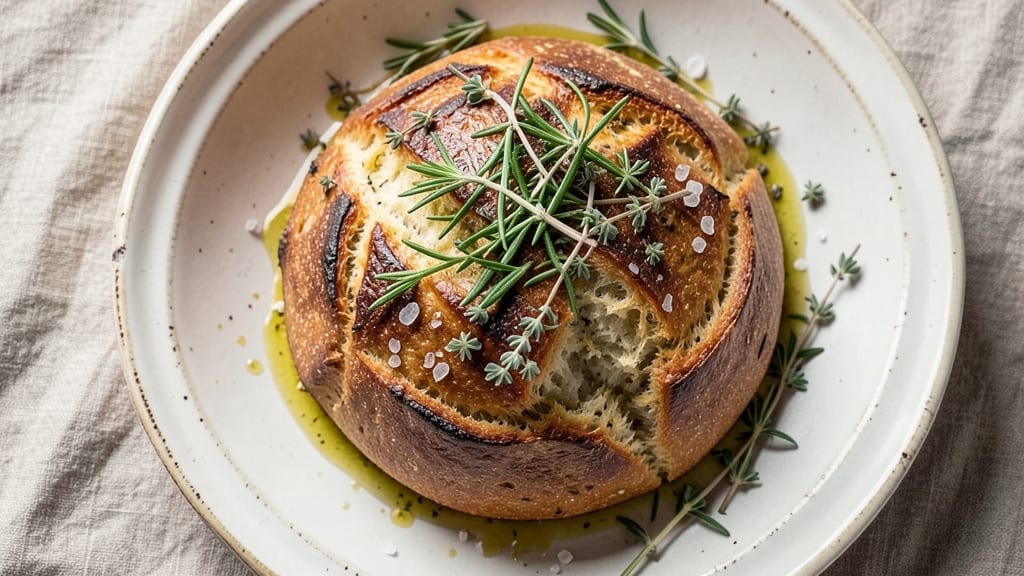
This artisan bread recipe with herbs transforms your kitchen into a fragrant bakery, where every slice delivers a symphony of earthy aromas and textural perfection. The secret lies in infusing fresh herbs directly into the dough, creating a crust that crackles with herbaceous notes while the crumb remains impossibly tender.
After years of perfecting this technique—from precise hydration ratios to controlled proofing—I’ve developed a method that yields restaurant-quality bread with minimal fuss.
The process begins with a simple yet robust dough formula where herbs like rosemary, thyme, and savory aren’t just garnishes—they’re integral to both flavor and structure. Kneading develops gluten for that signature pillowy crumb, while proper proofing ensures airy pockets that hold up to slicing.
The high-heat bake creates a crisp, herb-speckled crust that’s irresistible straight from the oven, while the interior stays soft for days.
What sets this apart is how the herbs elevate every aspect: their oils infuse the dough during mixing, their aromas intensify during baking, and their flavors linger in every bite. No need for fancy equipment—just a mixing bowl, a scale, and patience.
The result? A loaf so fragrant it’ll have neighbors asking for the recipe, with a texture that balances crispy crust and tender crumb in perfect harmony.
Whether you’re serving it with olive oil and balsamic or using it to sop up soups, this bread becomes the star of any meal. The scoring technique ensures clean slices, and a final herb brush adds that professional bakery finish.
Ready to bake bread that tastes like it came from a Parisian boulangerie? Let’s get started.
Ingredients for artisan bread recipe with herbs
These twelve ingredients transform simple flour into fragrant, restaurant-quality artisan bread with herb-infused crust and tender crumb.
| Ingredient | Amount | Notes |
|---|---|---|
| All-Purpose Flour 🌾 | 4 cups | High-protein preferred for chewiness |
| Instant Yeast 🍞 | ¼ tsp | Ensures proper activation |
| Granulated Sugar 🍚 | ½ tsp | Feeds yeast for rise |
| Salt 🧂 | 1 ½ tsp | Diamond Crystal preferred |
| Fresh Rosemary 🌿 | ¼ cup | Finely chopped leaves only |
| Fresh Thyme 🌿 | ¼ cup | Leaves stripped from stems |
| Fresh Savory 🌿 | ⅛ cup | Chopped finely for even distribution |
| Extra-Virgin Olive Oil 🫒 | ½ cup | Fruity variety for richness |
| Warm Water 💧 | 1 ¼ cups | 105-110°F for yeast activation |
| Cornmeal 🌽 | ¼ cup | For dusting baking surface |
| Coarse Sea Salt 🧂 | ½ tsp | For final crust sprinkle |
| Egg Wash 🥚 | 1 whole | Beaten with 1 tbsp water |
The herbs are the soul of this bread—fresh rosemary, thyme, and savory from a trusted farmers market make all the difference. Whole Foods or local specialty grocers carry the best quality, but even the produce section at Trader Joe's works if you pick vibrant, fragrant sprigs. The rosemary should smell piney and fresh, not woody, and the thyme leaves should be bright green. For savory, look for the winter variety if available—it's more robust. Store-bought dried herbs won't cut it here; their oils need to infuse during mixing for that authentic bakery aroma. If you must use dried, reduce to one-third the amount and toast them lightly in a dry pan first to intensify their flavor.
No fresh rosemary? Substitute with 1 tbsp dried rosemary plus 1 tsp dried thyme, but expect less vibrant flavor. The olive oil is non-negotiable—extra-virgin with fruity notes creates that rich, almost buttery crust. Short on time? Pre-chop the herbs and store in an airtight container in the fridge for up to 3 days, but they'll lose some potency. The yeast needs to be fresh—check the expiration date and store it in the freezer if you won't use it within 3 months. For the water, lukewarm is key—too hot kills the yeast, too cold slows activation. If your water isn't warm enough, microwave it for 20 seconds and let it sit for a minute.
This dough keeps beautifully—cover tightly and refrigerate for up to 24 hours if you want to shape it ahead. The shaped loaf can proof in the fridge for 12-18 hours for a slower rise with deeper flavor, or let it rise at room temperature for 1-2 hours if you're baking it the same day. Freshly baked loaves stay at their best for 2-3 days at room temperature, wrapped in a clean kitchen towel. For longer storage, freeze the cooled loaf wrapped in plastic—it reheats beautifully in a 350°F oven for 10 minutes to restore that bakery-fresh aroma.
Why You'll Love This Recipe
- No-Knead Magic: I swear by this—just mix, let it rise overnight, and bake. That’s it. No standing at the counter, no overworking the dough. The yeast does all the work while I sleep.
- Rosemary Crunch: Honestly, the moment that fresh rosemary hits the oven? It’s like a little herbal hug in every bite. The crust gets this fragrant, crackly texture that pairs perfectly with soft, airy bread. (Yes, even on a Tuesday night.)
- Weeknight Hero: This bread is my secret weapon for lazy dinners. Toss it with olive oil and balsamic for a quick charcuterie board, or use it to sop up soups all week. It’s the kind of thing that makes you feel like you’ve put in effort—without actually trying.
- Budget-Friendly Staple: All-purpose flour and a sprig of rosemary? That’s it for fancy ingredients. The rest is pantry basics, and one loaf stretches into sandwiches, toast, or croutons for days. I’ve made this for $2 and fed four people—no shame.
Step-by-step instructions for artisan bread with herbs
Here's the precise method to create a fragrant herb-infused crust and tender crumb every time.
Mix the Herb-Infused Dough
In a large mixing bowl, combine the 4 cups all-purpose flour, 1.5 tsp salt, and 0.25 tsp instant yeast. Make a well in the center and add the 0.5 tsp granulated sugar, 0.5 cup extra-virgin olive oil, and 1.25 cups warm water (between 105-110°F). Mix with a wooden spoon until a shaggy dough forms.
Add the 0.25 cup finely chopped fresh rosemary, 0.25 cup fresh thyme, and 0.125 cup finely chopped fresh savory. Knead by hand for 8-10 minutes until the dough becomes smooth and elastic. The herbs should be evenly distributed throughout. If the dough feels too sticky, add 1 tablespoon flour at a time until it pulls away from the bowl cleanly.
First Rise and Shaping
Lightly oil a large bowl, place the dough inside, and cover with a damp kitchen towel. Let it rise in a warm place for 1-1.5 hours or until it has doubled in size. You'll notice the dough puffs up and loses its elasticity when pressed gently.
Once risen, turn the dough onto a lightly floured surface and divide it into 4 equal portions. Shape each portion into a 12-inch round loaf, rolling the edges slightly under to seal. Arrange the loaves on a parchment-lined baking sheet, spacing them 2 inches apart. Cover again and let them rise for 30-45 minutes until puffy.
Prepare for Baking
Preheat your oven to 425°F with a baking stone or inverted baking sheet inside. Sprinkle the baking sheet with 0.25 cup cornmeal and brush the tops of the loaves with the 1 whole egg wash (beaten egg with 1 tablespoon water). Sprinkle the tops generously with 0.5 tsp coarse sea salt.
Use a sharp serrated knife to score the tops of each loaf in a decorative pattern, cutting ½-inch deep. This step ensures even expansion and a beautiful crust. Place the baking sheet on the preheated stone or sheet and bake for 20-25 minutes until the crust is deep golden brown and sounds hollow when tapped.
Cool and Serve
Remove the loaves from the oven and transfer them to a wire rack. Let them cool for at least 15 minutes before slicing—this prevents a gummy interior. The bread should have a fragrant, crispy crust infused with rosemary, thyme, and savory, and a light, airy crumb inside.
For best results, serve the bread warm with extra-virgin olive oil drizzled over the slices. The herbs should release their aromatic oils with every bite, creating a symphony of Mediterranean flavors. Store leftovers in an airtight container for up to 3 days or freeze for longer storage.
Pro Tips For Making Artisan Bread Recipe With Herbs
- STEAM THE ROSEMARY FIRST: Toss the fresh rosemary sprigs in boiling water for 10 seconds before mixing into the dough—this softens the needles so they release flavor evenly instead of clumping like tough twigs. (Yes, even if you’re impatient like me, don’t skip this step—your bread’s aroma will suffer.)
- WEIGH YOUR FLOUR—NO EXCUSES: Scooping flour from the bag packs in air, which changes hydration and makes your dough gummy or dry. Use a kitchen scale for 500g all-purpose flour—this recipe’s texture depends on it, and you’ll notice the difference in crust crispness and crumb structure.
- LET THE DOUGH REST AFTER FOLDING: After your first bulk rise, fold the dough every 30 minutes for three rounds, then walk away for 1–2 hours before shaping. This final rest relaxes the gluten, so the herbs distribute evenly and the loaf holds its shape—no more sad, collapsed sides when baking.
- USE A DAMP TOWEL FOR CRUST: Spritz the oven rack with water and drape a damp kitchen towel over the rosemary bread for the first 15 minutes of baking. The steam keeps the crust from drying out too fast, letting the herbs’ oils infuse the dough properly—no need for a fancy banneton if you’re in a pinch.
Best sauces and condiments for these flavors
Olive Oil Magic
Drizzle extra-virgin olive oil over warm slices straight from the oven—its fruity notes complement the herbs beautifully. I use California-grown olive oil with a peppery finish for that extra depth.
For a gourmet touch, mix 1 tbsp olive oil with 1 crushed garlic clove and a pinch of flaky sea salt for dipping. The herbs in the bread will infuse into the oil, creating a flavorful marinade for dipping. 🫒
Herb-Infused Compounds
Create a herb butter by blending ½ cup softened butter with 2 tbsp finely chopped fresh rosemary, 1 tbsp fresh thyme, and ½ tsp lemon zest. Spread on warm bread slices for a rich, aromatic experience.
For a tangy twist, add 1 tsp Dijon mustard to the butter mixture. This compound butter keeps well in the fridge for up to 1 week or frozen for 3 months.
Balsamic Glaze
Simmer ½ cup balsamic vinegar in a small saucepan until reduced by half, then drizzle over sliced bread. The acidity cuts through the richness of the olive oil and enhances the earthy herb flavors. For extra depth, add 1 tsp honey to the reduction.
This glaze pairs perfectly with the bread’s crusty texture and fragrant herb notes. Store the reduced balsamic in an airtight container for up to 2 weeks.
Garlic Aioli
Blend ½ cup mayonnaise, 2 roasted garlic cloves, 1 tbsp fresh lemon juice, and 1 tsp chopped fresh parsley for a creamy, herby aioli. Spread on bread slices or serve as a dip for extra flavor.
The garlic’s sweetness balances the bread’s herbal complexity. For a lighter version, substitute ¼ cup Greek yogurt for half the mayo. This aioli stays fresh for 5 days in the fridge. 🌿
Whole Grain Mustard
Mix 2 tbsp whole grain mustard with 1 tbsp honey and 1 tsp apple cider vinegar for a sweet-tangy spread. The mustard’s texture contrasts nicely with the bread’s soft crumb. For an herb kick, add 1 tsp finely chopped fresh thyme.
This spread adds a sophisticated layer of flavor that complements the bread’s herbal notes. Store in the fridge for up to 10 days.
Cheese Pairings
Top slices with aged pecorino or sharp cheddar for a savory contrast. The cheese’s saltiness enhances the bread’s herbal aroma, while its creaminess balances the crust’s crispness. For a Mediterranean touch, add thinly sliced prosciutto alongside the cheese. These pairings elevate the bread into a full meal experience. 🧀
Nutrition facts
Frequently asked questions
Can I substitute dried herbs for fresh in this recipe?
While possible, fresh herbs are ideal for this artisan bread. If using dried, reduce to 1/3 the amount (e.g., 1 tbsp dried rosemary instead of 1/4 cup fresh) and toast them lightly in a dry pan first to intensify flavor. Dried herbs won't infuse as deeply into the dough, so the aroma won't be as pronounced.
How do I know when the dough is fully proofed?
Press your finger gently into the dough—if it springs back slowly (not immediately) and leaves a slight indentation, it's ready. For round loaves, you'll also see them puff up to about 1.5 times their original size. The dough should feel light and airy, not dense. If unsure, wait 10-15 minutes longer.
Why did my bread turn out dense instead of light and airy?
This usually happens from over-kneading, underproofing, or using cold ingredients. Knead just until smooth (8-10 minutes), let dough rise until doubled, and ensure your water is 105-110°F. Cold ingredients slow yeast activity. Also check your yeast is fresh—it should foam when mixed with warm water and sugar.
Can I make this bread without a baking stone?
Place an inverted baking sheet on the oven rack 10 minutes before preheating to create a makeshift stone. Alternatively, bake on a regular sheet pan—just avoid overcrowding. For extra crispiness, place a metal tray filled with boiling water on the lower rack during baking to create steam.
What's the best way to reheat stale herb bread?
Slice the bread and wrap it tightly in aluminum foil. Heat in a 350°F oven for 5-8 minutes until warm and fragrant. For a crispier crust, broil for 1-2 minutes at the end. The herbs will release their oils again, making it taste almost fresh! Store leftovers in an airtight container for up to 3 days.