
Side Dishes
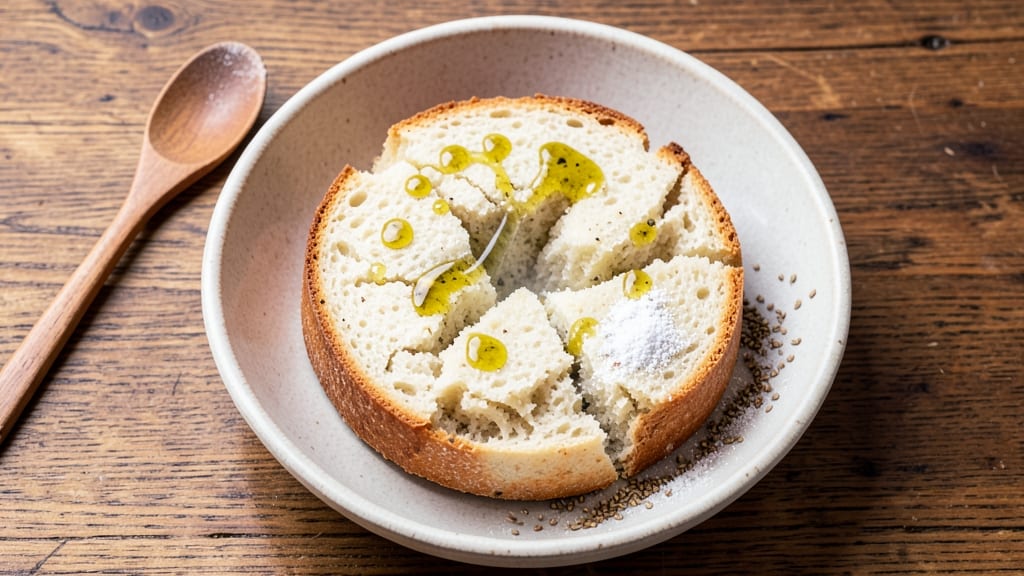
This arrowroot bread recipe delivers a light, airy loaf that rises beautifully without yeast or gluten—perfect for those avoiding traditional bread ingredients. The secret lies in arrowroot powder’s natural binding properties, which create a tender crumb and crisp edges.
Unlike dense gluten-free breads, this version stays soft for days, making it ideal for toast or sandwiches.
What sets this recipe apart is its simplicity: just a few pantry staples (arrowroot, flaxseed, and baking powder) transform into a foolproof dough that requires no kneading or lengthy proofing.
The baking process is straightforward—350°F for 30 minutes—yielding a golden crust and a crumb so tender it rivals artisanal bread. No special equipment needed.
The result is a versatile loaf that works for both savory and sweet applications. Serve it warm with butter, use it for garlic toast, or slice it for sandwiches. The mild flavor and soft texture make it a crowd-pleaser, whether you're accommodating dietary restrictions or simply craving something lighter.
Ready in under an hour, this bread is a game-changer for quick, satisfying meals.
For added flavor, consider mixing in seeds, herbs, or a touch of sweetener for a custom twist. The possibilities are endless, but the base recipe remains reliable—no yeast, no gluten, no compromise on texture. Let’s get baking!
Ingredients for arrowroot bread
Arrowroot powder, flaxseed, and baking powder create this gluten-free loaf's signature lightness and structure.
| Ingredient | Amount | Notes |
|---|---|---|
| Arrowroot Powder 🌾 | 1 ½ cups | Fine-milled for optimal binding |
| Ground Flaxseed 🌰 | ½ cup | Freshly ground for best results |
| Unsweetened Almond Milk 🥛 | 1 cup | Room temperature preferred |
| Extra-Virgin Olive Oil 🫒 | ½ cup | High-quality for richness |
| Pure Maple Syrup 🍯 | ¼ cup | Grade B for robust flavor |
| Baking Powder 🍞 | 2 tsp | Aluminum-free for best rise |
| Salt 🧂 | ½ tsp | Fine sea salt preferred |
| Apple Cider Vinegar 🍎 | 1 tbsp | For proper flaxseed activation |
| Sesame Seeds 🌻 | 2 tbsp | Toasted for enhanced flavor |
| Poppy Seeds 🌿 | 1 tbsp | Optional for texture contrast |
Arrowroot powder is the cornerstone of this recipe—Bob's Red Mill or Anthony's Goods brands deliver the finest texture. For flaxseed, ground fresh at health food stores ensures maximum binding power, though pre-ground works in a pinch. The almond milk should be unsweetened; Silk or So Delicious brands work best. Extra-virgin olive oil adds richness without overpowering the delicate flavor profile—California Olive Ranch or Colavita are excellent choices. Grade B maple syrup provides depth without sweetness dominating the mild bread flavor.
No arrowroot powder? Tapioca starch at 1:1 ratio mimics its binding properties, though texture may differ slightly. Substitute flaxseed with chia seeds at equal weight, but increase liquid by 1 tbsp to maintain consistency. For those avoiding nut-based milks, oat milk works equally well. Olive oil can be swapped for avocado oil if preferred, though flavor will shift subtly. The baking powder must be fresh—test with vinegar (if it fizzes, it's active). Sesame and poppy seeds can be omitted or replaced with sunflower or pumpkin seeds for different flavor profiles.
This dough requires no chilling—mix and bake immediately for optimal texture. Store wrapped in a clean kitchen towel to maintain moisture for up to 5 days. For longer storage, slice and freeze portions—3 months in an airtight container. Reheat slices in a toaster or oven for 2-3 minutes at 350°F to restore crispness. The bread's peak freshness occurs within 24 hours of baking, making it ideal for same-day consumption.
Why You'll Love This Recipe
- Five-Ingredient Magic: I swear by this—just blend, pour, bake. No yeast, no kneading, no waiting around. The arrowroot powder does all the heavy lifting while I sip my coffee.
- Sweet-Savory Balance: That maple syrup isn’t just for flavor—it keeps the bread tender with a subtle caramel depth. The olive oil? Rich, buttery, and just enough to make every bite satisfying.
- No-Waste Pantry Bread: Honestly, I make this when my almond milk is about to expire or when I’ve got extra flaxseed from smoothies. It’s my way of using up ingredients before they go bad—plus, it’s cheaper than buying loaves.
- Crustless Comfort: Between us, I love this for toast, but I also slice it thin for charcuterie boards or pack it in lunchboxes. No crust means no mess, and the texture stays soft for days. (Yes, even on a Tuesday night.)
Step-by-step instructions for arrowroot bread
This gluten-free, yeast-free bread achieves remarkable lift through precise technique and ingredient activation.
Activate the Flaxseed and Prepare the Wet Ingredients
In a small bowl, combine the 0.5 cup ground flaxseed with the 1 cup unsweetened almond milk and 1 tablespoon apple cider vinegar. Let this mixture sit for 5 minutes—you'll notice it thicken into a gel-like consistency, which mimics the binding properties of eggs. This step is critical for achieving the bread's structure without gluten.
While the flaxseed mixture thickens, measure out the 0.5 cup extra-virgin olive oil and 0.25 cup pure maple syrup into a separate mixing bowl. The olive oil provides richness while the maple syrup adds subtle sweetness and helps activate the baking powder. Warm the almond milk mixture slightly if it's cold, as room temperature ingredients blend more smoothly.
Combine Dry Ingredients and Incorporate Wet Mixtures
In a large mixing bowl, whisk together the 1.5 cups arrowroot powder, 2 teaspoons baking powder, and 0.5 teaspoon salt. Sift the arrowroot powder first to prevent clumping—this ensures even distribution throughout the batter and prevents dense pockets. The baking powder will provide the lift, while the salt enhances all flavors.
Gradually pour the flaxseed mixture and the olive oil-maple syrup combination into the dry ingredients. Use a spatula to gently fold everything together until just combined—you should see a smooth, thick batter with no visible dry spots. Overmixing at this stage can develop gluten-like properties in the arrowroot, which would compromise the bread's tender texture. The batter should be thick enough to hold its shape when spooned.
Prepare the Loaf Pan and Bake
Preheat your oven to 350°F and lightly grease a standard 9x5-inch loaf pan with olive oil or line it with parchment paper. The pan should be just large enough to hold the batter without overflowing when it rises. Pour the batter into the prepared pan and smooth the top with a spatula. Sprinkle the 2 tablespoons sesame seeds and 1 tablespoon poppy seeds evenly over the top for texture contrast.
Bake for 45-50 minutes until the top is golden brown and a toothpick inserted into the center comes out clean. The bread is done when it springs back slightly when pressed gently in the center. If the top browns too quickly, tent the pan with aluminum foil to prevent over-browning while allowing the interior to cook through. The internal temperature should reach 205°F for perfect doneness.
Cool and Slice for Maximum Freshness
Remove the bread from the oven and let it cool in the pan for 10 minutes before transferring it to a wire rack. This gradual cooling prevents the bread from becoming gummy in the center. While cooling, you'll notice the bread will sink slightly—this is normal as the structure sets. The bread should have a tender crumb with a slightly crisp exterior.
Allow the bread to cool completely before slicing, ideally for 1 hour. This waiting period ensures clean slices and prevents the bread from becoming soggy. When sliced, the interior should reveal a fine, even crumb with no dense pockets. Store any leftovers in an airtight container at room temperature for up to 3 days, or freeze for longer storage.
Pro Tips For Making Arrowroot Bread
- WHISK THE FLAXSEED FIRST: I learned this the hard way—if you mix the ground flaxseed into the almond milk too early, you’ll end up with clumps that ruin the bread’s texture. Wet the flaxseed with just enough almond milk to form a gel (about 1 tablespoon milk per 1 tablespoon flaxseed), let it sit for 5 minutes, then whisk it into the rest of the liquid. That way, it blends smoothly without lumps.
- STEAM THE BATTER FOR 10 MINUTES: This isn’t a loaf pan bake—it’s a steamed cake. After pouring the batter into your greased pan, cover it tightly with foil and steam it on low heat (or in a 350°F oven with a water bath) for 10 minutes before removing the foil. The extra moisture keeps the arrowroot from drying out too fast, giving you that soft, pillowy crumb instead of a dense brick.
- USE COLD ALMOND MILK: Hot liquid ruins arrowroot’s thickening power—it turns gummy instead of light. Measure your unsweetened almond milk cold, then heat it just enough to dissolve the maple syrup (warm, not boiling). If you’re in a rush, pour cold milk over the syrup, stir, then proceed. Your bread will thank you with a proper rise.
- DON’T OVERMIX THE BATTER: Arrowroot bread relies on the flaxseed’s binding power, not gluten. Once you combine the wet and dry ingredients, give it one gentle fold with a spatula—just until the arrowroot powder disappears. Overmixing aerates the flaxseed, and you’ll end up with a dense, chewy loaf. Think "fold, don’t stir" like you’re tucking in a blanket, not whipping egg whites.
Dietary considerations for this recipe
Gluten-Free Foundation
Arrowroot bread is a gluten-free powerhouse, making it perfect for those with celiac disease or gluten sensitivity. The arrowroot powder provides natural binding without gluten, while ground flaxseed adds fiber and omega-3s. This combination creates a light, airy crumb that rivals traditional bread—no dense, crumbly texture here! 🌾
The baking powder (aluminum-free) ensures proper rise, while olive oil and maple syrup enhance moisture retention. Unlike many gluten-free breads, this recipe stays soft for days, making it ideal for sandwiches or toast. The sesame and poppy seeds add crunch and nutrition without overpowering the mild flavor.
Vegan-Friendly Base
This bread is 100% plant-based, thanks to the flaxseed "egg" substitute—ground flaxseed mixed with apple cider vinegar creates a gel that binds ingredients just like eggs. The unsweetened almond milk keeps it dairy-free, while olive oil adds richness without animal products.
For extra protein, consider adding hemp seeds or chia seeds to the batter. The maple syrup provides natural sweetness, but you can reduce it to ¼ cup for a more neutral flavor. This bread is a game-changer for vegans who miss soft, pillowy bread.
Low-Glycemic Option
The arrowroot powder has a low glycemic index, making this bread a great choice for blood sugar management. The maple syrup adds minimal sweetness, while the flaxseed slows digestion. For an even lower-glycemic version, reduce the syrup to 2 tablespoons and add 1 teaspoon cinnamon for warmth.
Pair this bread with avocado toast or nut butter for a balanced, satisfying meal. The olive oil and seeds provide healthy fats, balancing the carbs naturally. It’s a smart carb for diabetics or anyone watching blood sugar levels.
Allergen-Friendly Adjustments
If you’re avoiding nuts, swap the almond milk for oat milk or coconut milk. For seed allergies, omit the sesame and poppy seeds or use sunflower seeds instead. The arrowroot and flaxseed remain safe for most allergens, making this bread widely accessible.
For soy-free needs, ensure your apple cider vinegar is soy-free (most brands are). The olive oil is naturally soy-free, and the maple syrup is typically safe unless processed in soy facilities. Always check labels if allergies are a concern!
Nutrition facts
Frequently asked questions
Can I make this arrowroot bread without flaxseed?
Yes, but you'll need a substitute to bind the ingredients. Try 1 tablespoon chia seeds mixed with 3 tablespoons water (let sit for 5 minutes to gel), or use 1 ripe mashed banana for sweetness and binding. The texture may differ slightly, but the bread will still hold together.
Why did my arrowroot bread turn out dense instead of light? Dense bread usually means overmixing or insufficient baking powder.
How can I add flavor variations to this bread?
Try these easy customizations: For herb bread, mix in 1 tablespoon dried rosemary or thyme with the dry ingredients. For savory, add 2 tablespoons nutritional yeast and ½ teaspoon garlic powder. For sweet, reduce the maple syrup to 2 tablespoons and add ½ cup diced apple or raisins. Always adjust liquid slightly if adding wet mix-ins.
Can I bake this in a different pan shape?
Yes, but adjust baking times accordingly. For a round loaf (8-inch pan), bake 35-40 minutes. For mini loaves (4x4-inch pans), reduce to 20-25 minutes. The batter should fill the pan ¾ full—don't overfill or it will spill. Line pans with parchment paper for easy removal. The bread's texture remains consistent regardless of shape.
How do I store arrowroot bread to keep it fresh?
Wrap the cooled loaf in a clean kitchen towel and store at room temperature for up to 5 days—the towel prevents drying. For longer storage, slice and freeze portions for 3 months. To revive, toast slices in a toaster or warm at 350°F for 2-3 minutes. Avoid plastic wrap—it traps moisture and makes the bread gummy.