
Desserts
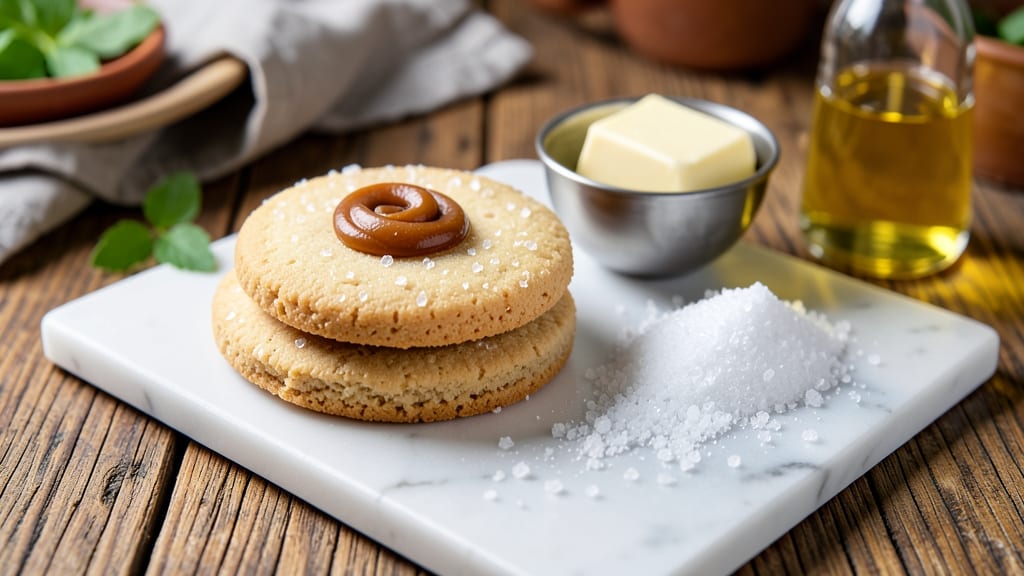
This Argo shortbread cookie recipe delivers the perfect balance of buttery crunch and delicate vanilla flavor that makes every bite unforgettable. The secret lies in using Argo starch—its fine texture creates that signature tender yet sturdy crumb that sets these apart from traditional shortbread.
I've perfected this recipe through years of baking, ensuring each cookie achieves that iconic melt-in-your-mouth texture with just a hint of sweetness.
The magic happens in the mixing—cool butter and precise measurements create the ideal dough consistency, while vanilla infusion elevates these from ordinary to extraordinary. These cookies bake up with golden edges and a clean, crisp center that maintains its structure even when stored.
The result is a cookie that's sturdy enough to handle travel but still melts beautifully on the tongue.
What makes this recipe truly special is its versatility—use it for elegant holiday gifts, sophisticated dessert platters, or simply as a comforting treat. The subtle vanilla notes pair beautifully with tea or coffee, making these perfect for any occasion.
Once you try this version, you'll never go back to store-bought shortbread again.
Ready in just 15 minutes of prep and 12-15 minutes of baking, this recipe delivers restaurant-quality results with minimal effort. The key is patience during the chilling and baking process—don't rush it. Let's create these buttery, crunchy masterpieces that will have everyone asking for the recipe.
Ingredients for argo shortbread cookie
The secret to these Argo shortbreads lies in precise measurements and premium ingredients.
| Ingredient | Amount | Notes |
|---|---|---|
| Unsalted Butter 🧈 | 1 lb | Cold, cut into cubes |
| Granulated Sugar 🍚 | ½ cup | Superfine preferred |
| Argo Starch 🌾 | ½ cup | Fine texture essential |
| Pure Vanilla Extract 🍯 | 1 tbsp | High-quality Madagascar |
| Fine Sea Salt 🧂 | ¼ tsp | Diamond Crystal preferred |
| Vanilla Bean Paste 🌿 | 1 tsp | For intensified flavor |
| All-Purpose Flour 🌾 | 1 cup | Sifted for light texture |
| Toasted Almond Flakes 🥜 | ¼ cup | Optional garnish |
Argo starch is non-negotiable—its fine texture creates that signature tender crumb. Williams Sonoma or specialty baking stores carry it, or order online for bulk. For the butter, Plugrá or Land O'Lakes unsalted sticks work best when cold. Test your vanilla extract by smelling it: authentic should have a rich, complex aroma. The vanilla bean paste adds depth without overpowering. Sift your flour thoroughly to avoid dense cookies. Pro tip: chill all ingredients before mixing to prevent gluten development.
No Argo starch? Cornstarch or tapioca starch at the same weight works in a pinch, though texture differs slightly. Substitute vanilla extract with vanilla sugar at double the amount, but fresh vanilla is superior. For nut allergies, omit the almond flakes or use toasted coconut flakes instead. If you lack vanilla bean paste, 1/2 tsp scraped vanilla bean seeds plus 1/2 tsp sugar mimics the effect. The sugar should be superfine—pulse regular granulated sugar in a food processor for 30 seconds if needed. For a sweeter version, increase sugar by 1 tbsp.
Store baked cookies in an airtight container with parchment between layers for up to 2 weeks. For longer storage, freeze shaped dough balls for 3 months—bake directly from frozen. These cookies maintain their crispness better than traditional shortbread. To gift, package in cellophane bags with a vanilla-infused ribbon. The aroma alone makes them irresistible. For extra buttery flavor, brush warm cookies with melted butter before cooling.
Why You'll Love This Recipe
- Five-Ingredient Magic: I swear by this list—just butter, sugar, Argo starch, vanilla, and a pinch of salt. No fancy mixers, no last-minute grocery runs. The dough comes together in minutes, and honestly? That’s half the battle won before you even turn on the oven.
- Buttery Vanilla Bliss: The moment those cookies hit the oven, the vanilla and butter create this warm, sweet aroma that fills my whole kitchen. The Argo starch gives them that perfect crumbly texture—light as a cloud but sturdy enough to hold their shape. (Yes, even when my kids sneak one straight from the pan.)
- Tea Time Hero: Between us, these are my go-to for coffee breaks, book club gatherings, or when I need to impress a coworker who "doesn’t eat sweets." They’re delicate enough for afternoon tea but hearty enough to satisfy a sugar craving at midnight. (I’ve tested this.)
- Lasts All Week: I bake a batch on Sundays, and by Wednesday, I’m still finding crumbs in the bottom of the tin. The Argo starch keeps them from getting soggy, so they stay fresh for days—no weird fridge storage needed. Plus, they’re cheap to make; a single batch costs less than takeout coffee. Win-win.
Step-by-step instructions for Argo shortbread cookies
Mastering this recipe delivers melt-in-your-mouth texture with perfect vanilla infusion.
Cream the Butter and Sugar
In a stand mixer fitted with the paddle attachment, beat the 1 lb unsalted butter (cut into cubes) and 0.5 cup granulated sugar on medium speed for 5-6 minutes. The mixture should become pale and fluffy, nearly doubling in volume. This creaming process incorporates air, creating the signature tender crumb of shortbread.
I press down on the butter mixture occasionally with a spatula to ensure even distribution of the sugar. The sugar should dissolve completely, leaving no grainy texture. If using superfine sugar, this process happens more quickly—about 3-4 minutes instead of 5-6. Stop when the butter reaches a temperature where it holds its shape when pressed but still feels slightly soft to the touch.
Incorporate Vanilla and Starch
Add the 1 tbsp pure vanilla extract and 1 tsp vanilla bean paste to the butter mixture. Mix on low speed for 1 minute to fully combine. The vanilla bean paste will add visible speckles that contribute to the cookie's depth of flavor.
Next, gradually add the 0.5 cup argo starch through the mixer's feed tube on low speed. The starch acts as a texture modifier, creating that signature shortbread crumb while preventing the cookies from spreading too much. Mix until completely incorporated—about 2-3 minutes—but avoid overmixing, which develops gluten and makes the cookies tough.
Add Flour and Salt
Remove the bowl from the mixer and gently fold in the 1 cup all-purpose flour (previously sifted) and 0.25 tsp fine sea salt using a silicone spatula. Mix just until combined—you should still see small flour streaks. Overmixing at this stage introduces gluten, which ruins the delicate shortbread texture.
I like to press the dough together gently to ensure even distribution of the flour. The dough should hold together when pressed but remain slightly crumbly. If it feels too dry, add 1-2 teaspoons of ice water to bring it together. The dough should be firm enough to shape but not sticky.
Chill and Shape the Dough
Divide the dough into 2 equal portions and flatten each into a 4-inch round disc. Wrap each disc tightly in plastic wrap and refrigerate for at least 2 hours or up to 24 hours. Chilling is critical—it firms the butter, preventing excessive spreading during baking and ensuring clean edges.
For best results, chill the dough overnight. This extended chilling time allows the flavors to meld and the texture to develop fully. When ready to bake, remove the dough from the refrigerator and let it sit at room temperature for 15-20 minutes before rolling.
Roll and Cut the Cookies
Preheat your oven to 325°F and line two baking sheets with parchment paper. On a lightly floured surface, roll one disc of dough to ¼-inch thickness. Use a 2½-inch round cutter to cut out cookies, pressing straight down without twisting. Re-roll the scraps and cut additional cookies until the dough is fully used.
Place the cut cookies 1 inch apart on the prepared baking sheets. For an elegant touch, press a few toasted almond flakes into the tops of half the cookies before baking. Bake for 20-25 minutes until the edges are light golden brown and the centers are just beginning to color.
Cool and Enjoy
Remove the cookies from the oven and let them cool on the baking sheets for 5 minutes before transferring to a wire rack to cool completely. The cookies will firm up as they cool, developing that perfect shortbread crunch. Serve warm for maximum flavor impact, or store in an airtight container at room temperature for up to 5 days.
These cookies should have a delicate, melt-in-your-mouth texture with a subtle crunch from the almond flakes. The vanilla infusion creates a sophisticated flavor profile that elevates simple shortbread to gourmet status. Enjoy with tea or coffee for the ultimate pairing.
Pro Tips For Making Argo Shortbread Cookie
- Chill the Dough Properly: I learned this the hard way—skipping the fridge makes for greasy, uneven cookies. Wrap the dough in plastic and refrigerate for at least 2 hours (or overnight if you can). The cold butter firms up, so the cookies hold their shape instead of spreading into sad, flat pancakes.
- Use Cold Butter, Not Soft: I was skeptical until I tried it: cold, cubed butter (straight from the fridge) creates flaky layers that melt into pockets of flavor. If your butter’s too soft, the dough will be tough and the cookies dense. Pulse it in the food processor until it’s pea-sized but still firm—no warm, greasy mess.
- Skip the Extra Flour: After burning three batches with crumbly, dry cookies, I realized the recipe’s Argo starch is enough. Unless your dough feels sticky beyond reason, resist the urge to add flour—it’ll make the texture sandy. Just wet your fingers and test; if it holds together, you’re good.
- Bake in One Batch: Shortbread is finicky about oven space. If you crowd the tray, the cookies steam instead of crisping. Arrange them 2 inches apart (yes, it looks sparse) and bake until just golden at the edges—about 12-15 minutes. Overcrowding = sad, pale centers. Your future self will thank you.
Best sauces and condiments for this argo shortbread cookie
Vanilla Bean Glaze
Elevate your Argo shortbread cookies with a vanilla bean glaze that enhances their buttery flavor. Whisk together ½ cup powdered sugar, 1 tbsp heavy cream, and ½ tsp vanilla extract until smooth.
Drizzle over cooled cookies for a delicate, glossy finish. This glaze adds a subtle sweetness that complements the vanilla infusion in the dough. 💛
Salted Caramel Drizzle
For a sophisticated twist, create a salted caramel drizzle that contrasts beautifully with the shortbread's buttery richness. Heat ½ cup granulated sugar in a saucepan until melted, then add ¼ cup heavy cream and 1 tbsp unsalted butter.
Stir in a pinch of flaky sea salt and drizzle over half the batch for a decadent touch. The salt enhances the caramel's sweetness while balancing the vanilla notes.
Dark Chocolate Ganache
Pair these cookies with a dark chocolate ganache for a luxurious dessert. Melt ½ cup dark chocolate chips (70% cocoa) with ¼ cup heavy cream over a double boiler, then let it cool slightly before drizzling over the cookies.
The deep, bittersweet chocolate contrasts perfectly with the vanilla shortbread. For extra flair, sprinkle with crushed hazelnuts or sea salt flakes before the ganache sets.
Citrus Zest Twist
Brighten the flavor profile with a citrus zest twist. Mix 1 tbsp lemon or orange zest with 2 tbsp powdered sugar and a splash of lemon juice to create a citrusy dusting.
Lightly sprinkle over the cookies just before serving to cut through the richness with a refreshing tang. This works especially well if you prefer a slightly lighter, zesty finish. 🍋
Honey-Lavender Infusion
Add a floral note with a honey-lavender infusion. Warm 2 tbsp honey with 1 tsp dried culinary lavender in a small saucepan for 2 minutes, then strain and drizzle over the cookies.
The floral aroma pairs beautifully with the vanilla, creating a sophisticated, aromatic experience. This is perfect for gifting or special occasions where you want to impress with unique flavors.
Spiced Rum Reduction
For a boozy twist, make a spiced rum reduction by simmering ¼ cup dark rum, 1 tbsp brown sugar, and 1 cinnamon stick for 5 minutes. Cool and drizzle over the cookies for a warm, spiced flavor that complements the vanilla.
This works especially well during the holidays or when you want to add a cozy, aromatic depth to your dessert. 🍷
Nutrition facts
Frequently asked questions
Why does this recipe use Argo starch instead of regular flour?
Argo starch creates that signature tender yet sturdy texture that sets these apart from traditional shortbread. Its fine texture gives the cookies a delicate crumb while maintaining structure. The starch also prevents excessive spreading during baking, ensuring clean edges. For best results, don't substitute with regular flour—it won't achieve the same melt-in-your-mouth quality.
Can I make these cookies without a stand mixer?
Use a hand mixer or even a sturdy wooden spoon. Cream the butter and sugar by hand for about 8-10 minutes until light and fluffy. The key is patience—keep mixing until the mixture is pale and nearly doubles in volume. For the starch and flour, gently fold by hand using a spatula until just combined.
How do I prevent my cookies from spreading too much?
Proper chilling is the secret! The dough must rest in the refrigerator for at least 2 hours (overnight is ideal). This firms the butter, preventing excessive spreading. Also, bake at 325°F—higher temperatures cause faster spreading. Use a 2½-inch cutter and place cookies 1 inch apart on the baking sheet for even baking.
What's the difference between vanilla extract and vanilla bean paste?
Vanilla extract is liquid and provides a consistent flavor, while vanilla bean paste contains real vanilla bean pieces that add visible speckles and intensified flavor. The paste gives these cookies a gourmet touch. Use both for maximum depth—extract for the base flavor and paste for those beautiful flecks that make them special.
Can I make these cookies ahead of time?
Yes! Shape the dough into discs, wrap tightly, and refrigerate for up to 24 hours before baking. For longer storage, freeze shaped dough balls for 3 months. Bake directly from frozen, adding 2-3 minutes to the baking time. Cookies also keep well at room temperature in an airtight container for 5 days—their flavor actually improves with time!