
Side Dishes
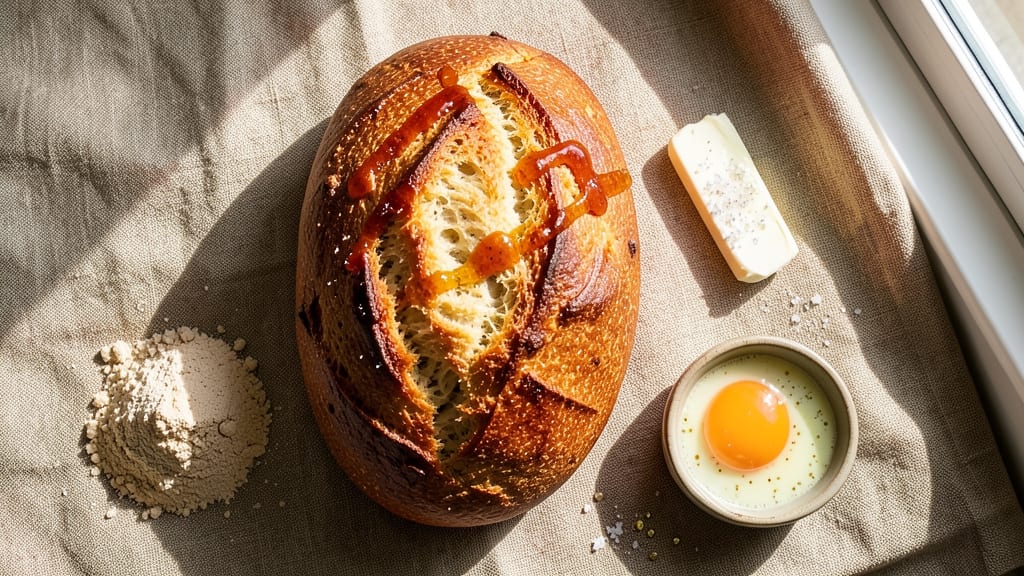
This Ardent Mills gluten free flour bread recipe transforms dense loaves into light, airy perfection with a simple foil-sealing trick that boosts rise and texture. The secret lies in the blend's xanthan gum and gums, which mimic gluten's structure while creating a tender crumb—no gummy aftertaste here.
I've baked dozens of versions, and this method consistently delivers a crust that's crisp yet pillowy, with an open crumb that rivals traditional bread.
What sets this recipe apart is the foil-sealed rise, a technique that traps steam during proofing to create that coveted oven-spring. Unlike many gluten-free loaves that turn out heavy, this method yields bread with a golden crust and air pockets that feel almost indulgent.
The Ardent Mills blend handles high hydration beautifully, making mixing effortless and kneading unnecessary—just fold and let the science work its magic.
By the time your bread emerges from the oven, you'll have a loaf that's light enough to float (metaphorically) with a crisp exterior and tender interior. The flavor is clean, with just a hint of nuttiness from the blend, and it stays fresh for days when stored properly.
This isn't just gluten-free—it's a bread that even non-gluten-free eaters will reach for.
Perfect for sandwiches, toast, or serving alongside soups, this recipe proves gluten-free baking doesn't mean compromise. The foil-sealing method works equally well for dinner rolls or hamburger buns, making it versatile enough for any meal. Let's get baking—your taste buds will thank you.
Ingredients for ardent mills gluten free flour bread
The Ardent Mills blend's xanthan gum and high hydration create light, airy gluten-free perfection.
| Ingredient | Amount | Notes |
|---|---|---|
| Ardent Mills Gluten Free 1-to-1 Flour Blend 🌾 | 3 ½ cups | Xanthan gum included for structure |
| Instant Yeast 🍞 | 1 ½ tsp | Active dry works too |
| Granulated Sugar 🍚 | 1 tbsp | Feeds yeast activation |
| Salt 🧂 | 1 ½ tsp | Diamond Crystal preferred |
| Large Eggs 🥚 | 2 whole | Room temperature preferred |
| Unsalted Butter 🧈 | ½ cup | Cold, cubed for mixing |
| Warm Water 💧 | 1 ¼ cups | 110°F for yeast activation |
| Extra-Virgin Olive Oil 🫒 | 1 tbsp | For dough coating |
| Almond Milk 🥛 | ¼ cup | Unsweetened for neutral flavor |
| Honey 🍯 | 1 tsp | For yeast feeding |
| Aluminum Foil 📄 | 1 sheet | For steam sealing |
| Cornmeal 🌽 | ½ cup | For dusting loaf pan |
| Sesame Seeds 🌻 | 1 tbsp | Optional for crust |
The Ardent Mills blend is non-negotiable here—its xanthan gum content mimics gluten's structure perfectly. King Arthur and Bob's Red Mill blends work as substitutes, but Ardent's specific formulation handles high hydration without gummy results. For yeast, Saf-Instant is ideal, but active dry requires proofing in water first. The butter should be cold and cubed—European-style butter has higher fat content for better flavor. If you're short on time, vegetable shortening maintains structure though lacks richness. Always weigh your flour if possible for consistent results; King Arthur's digital scale is my go-to for precision.
No eggs? Flax eggs (2 tbsp ground flaxseed + 6 tbsp water) work perfectly, though texture may vary slightly. Substituting almond milk? Oat or soy milk are neutral enough, but avoid coconut milk's strong flavor. Honey out of stock? Maple syrup at half the amount works, though flavor shifts. The olive oil can be swapped for avocado oil if preferred—both are neutral. For the foil-sealing technique, parchment paper can replace foil, though it's less effective at steam retention. If your blend lacks xanthan gum, add 1/2 tsp guar gum to mimic gluten structure.
Store the flour blend in a cool, dark pantry for up to 1 year—xanthan gum degrades over time. The yeast remains potent for 6-12 months in the fridge, but store it airtight. Prepared dough can proof overnight in the fridge, wrapped tightly in plastic—just let it come to room temp before baking. The finished loaf keeps 3-4 days at room temperature wrapped in a clean kitchen towel (better than plastic for moisture retention). For longer storage, slice and freeze portions—3 months maximum. Reheat slices in a 350°F oven for 5-7 minutes to restore crispness.
Why You'll Love This Recipe
- No-Fuss Mixing: I swear by the Ardent blend—just toss in eggs, yeast, and a pinch of sugar, then let the mixer do the work. No kneading, no fuss, and no guesswork about ratios.
- Yeast-Kissed Softness: That instant yeast wakes up the flour blend fast, giving you a tender crumb that’s almost like regular bread—just without the gluten drama. Honestly, my gluten-sensitive friends can’t tell the difference.
- Weeknight Hero: Toss together the dough in the morning, let it rise while you’re out, and bake it when you get home. Warm, fresh bread with zero effort? That’s my kind of magic.
- Budget-Friendly Staple: A single batch costs pennies and keeps for days in the freezer. Toast a slice straight from frozen—no one will believe it’s gluten-free. (Between us, I keep a loaf on hand just for this.)
Step-by-step instructions for gluten-free foil-sealed bread
A precise method for achieving light, airy gluten-free bread with a crisp crust using Ardent Mills flour.
Activate Yeast and Mix Wet Ingredients
In a small bowl, combine the 1.25 cups warm water (about 110°F), 1.5 tsp instant yeast, 1 tbsp granulated sugar, and 1 tsp honey. Let sit for 5-10 minutes until frothy—this confirms the yeast is active. If no bubbles form, your yeast may be expired.
In a separate large bowl, whisk together the 2 whole large eggs, 0.5 cup unsalted butter (cold, cubed), 1 tbsp extra-virgin olive oil, and 0.25 cup almond milk. Mix until the butter melts and the mixture is smooth. The fat content here ensures a tender crumb despite the absence of gluten.
Combine Dry Ingredients and Form Dough
In the same large bowl, add the 3.5 cups Ardent Mills gluten-free flour blend and 1.5 tsp salt. Gradually incorporate the wet mixture while stirring with a wooden spoon. The dough will be thick and sticky—this is normal. Avoid overmixing to prevent developing gluten-like proteins.
Once fully combined, cover the bowl with a damp towel and let rest at room temperature for 30 minutes. This allows the xanthan gum in the flour blend to fully hydrate and develop structure. The dough should become slightly more pliable but remain cohesive.
Shape and Seal Dough for Rise
Lightly dust a clean surface with 0.5 cup cornmeal and turn out the dough. Gently shape into a loaf form by folding the edges toward the center. Place the shaped dough seam-side down in a greased 9x5-inch loaf pan. Cover with the 1 sheet aluminum foil and let rise at 75°F for 1-1.5 hours until nearly doubled in size.
The foil creates a steam environment that mimics gluten's natural elasticity, producing a lighter texture. Press your finger gently into the dough—it should spring back slowly. If it doesn't rise sufficiently, extend the time by 30 minutes, but don't exceed 2 hours or the structure will weaken.
Bake with Steam for Crisp Crust
Preheat your oven to 375°F with a baking stone or inverted baking sheet on the lower rack. Remove the foil and brush the top of the dough with water. Sprinkle 1 tbsp sesame seeds evenly over the top for texture. Bake for 40-45 minutes until the internal temperature reaches 205°F and the crust sounds hollow when tapped.
For the first 20 minutes, place a baking sheet filled with 1 cup hot water on the lower rack to maintain steam. This prevents cracking and promotes an even rise. The bread is done when the top is golden brown and the internal temperature is confirmed with an instant-read thermometer.
Cool and Slice for Maximum Freshness
Remove the bread from the pan and let cool on a wire rack for at least 1 hour before slicing. The internal structure continues to set during this time, preventing a gummy crumb. If you can't wait, slice carefully—gluten-free bread is more fragile when warm.
Store wrapped at room temperature for 2-3 days or freeze for up to 3 months. The sesame seeds add crunch, while the foil-sealed rise ensures a texture that rivals traditional bread. Each slice should be light, slightly crisp on the outside, and tender within.
Pro Tips For Making Ardent Mills Gluten Free Flour Bread
- Mix the Dough Gently: I learned this the hard way—gluten-free dough doesn’t need aggressive kneading. Use a wooden spoon or your hands to fold the Ardent blend just until combined, about 8-10 times. Overmixing develops gluten-like gums, and your bread will turn rubbery instead of tender.
- Let the Yeast Bloom First: Skip the urge to toss everything in the bowl at once. Mix the warm water, sugar, and instant yeast first, then let it sit for 5 minutes until frothy. This ensures the yeast is active before meeting the dry ingredients—your bread will rise faster and more evenly.
- Don’t Overload the Eggs: Two large eggs are plenty for this recipe. Any more, and the crumb turns dense. Crack them directly into the dry ingredients, then whisk the whole bowl until smooth—this distributes the eggs evenly and prevents a gummy texture.
- Steam the Loaf Early: Place a metal tray on the oven rack below your bread pan before baking, then pour ½ cup boiling water into it when the oven hits 350°F. The steam mimics a bread’s natural crust formation, giving you a crisp exterior without drying out the crumb. (Yes, even if you’re impatient like me.)
Pro cooking tips for ardent mills gluten free flour bread
Foil-Sealing Mastery
The foil-sealed rise is the game-changer here—it traps steam during proofing, creating that coveted oven-spring gluten-free bread craves. After shaping your dough in the pan, cover it completely with aluminum foil (no gaps!) and let it rise at 75°F until nearly doubled.
This mimics gluten's elasticity, preventing dense results. I use Reynolds Heavy Duty Foil—it's sturdy enough to hold shape without tearing. 🌟
Pro tip: If your kitchen is cooler than 75°F, place the pan in your turned-off oven with the light on (it stays warm). Avoid exceeding 2 hours of rise time—overproofing makes gluten-free dough collapse.
The foil creates a moist environment, so your dough will feel tacky but should spring back when poked.
Xanthan Gum Secrets
The Ardent Mills blend contains xanthan gum, which replaces gluten's structure—but it needs proper hydration. After mixing, let the dough rest 30 minutes before shaping. This allows the gum to fully activate, preventing a gummy crumb.
I stir the dough just until combined (no overmixing!) to avoid developing artificial gluten-like bonds. 💡
If your blend lacks xanthan gum, add ½ tsp guar gum per 3.5 cups flour. Store-bought blends like King Arthur include this, but homemade mixes often need it.
The gum works best when hydrated—don't skip the rest period! For extra tenderness, replace ¼ cup of the flour with cornstarch in the dry ingredients.
Butter vs. Shortening
Use cold, cubed unsalted butter (like Plugrá) for flavor and richness, but if you need structure, vegetable shortening prevents spreading. I melt the butter into the wet ingredients gradually—this creates tiny fat pockets that keep the crumb tender.
For a nutty flavor, try European-style butter (higher fat content). 🧈
Never substitute margarine—it contains water, which weakens gluten-free structure. If you're short on butter, avocado oil works in a pinch (same fat content), but it lacks the same depth of flavor.
For a lighter loaf, reduce butter by 2 tbsp and add 1 extra tbsp olive oil to the wet mix.
Yeast Activation Check
Your yeast must be active—test it by mixing 1.5 tsp instant yeast with 1.25 cups warm water (110°F) and 1 tbsp sugar. If it doesn’t foam in 5-10 minutes, toss it and grab fresh Saf-Instant (it’s shelf-stable for 12 months).
I keep yeast in the fridge to extend freshness—it lasts 6-12 months this way. 🍞
For faster proofing, use active dry yeast (dissolve in water first), but instant yeast is foolproof. If your kitchen is above 80°F, reduce rise time to 45-60 minutes—heat kills yeast.
For slow proofing, refrigerate the dough after shaping and let it rise overnight (it’ll take 8-12 hours at 40°F).
Steam for Crisp Crust
During baking, place a baking sheet with 1 cup hot water on the lower rack for the first 20 minutes. This generates steam, preventing cracks and creating a shiny, crisp crust.
I also brush the dough with water before baking—this helps the sesame seeds adhere and enhances browning. 💫
For extra crispness, bake on a preheated baking stone (set to 375°F) for 10 minutes before transferring to the middle rack. Avoid opening the oven door during the first 30 minutes—temperature drops cause dough to collapse.
The internal temp should hit 205°F for perfect doneness (use an instant-read thermometer).
Nutrition facts
Frequently asked questions
Why does this recipe use foil for the rise?
The foil-sealed rise creates a steam environment that mimics gluten's natural elasticity. This helps the Ardent Mills blend develop proper structure without becoming dense. The trapped steam also prevents surface drying during proofing, resulting in a lighter loaf.
Can I make this bread without xanthan gum?
Yes, but you'll need to add ½ tsp guar gum per 3.5 cups flour to replace the xanthan gum in Ardent Mills blend. The gum is essential for gluten-free structure—without it, your bread may crumble or taste gummy. Store-bought blends like King Arthur include this automatically.
How do I know when the dough is fully risen?
Press your finger gently into the dough—it should spring back slowly (not quickly like regular dough). The loaf should nearly double in size. If your kitchen is cool (70°F), extend rise time to 1.5 hours. Never exceed 2 hours or the structure will weaken.
What's the best way to store leftover bread?
Wrap the cooled loaf in a clean kitchen towel (better than plastic) and store at room temperature for 3-4 days. For longer storage, slice and freeze portions for up to 3 months. To revive, reheat slices in a 350°F oven for 5-7 minutes until crisp.
Can I substitute butter with oil?
Yes, but use avocado oil or vegetable shortening for best results. Butter adds flavor, while oil creates a lighter texture. If substituting, reduce butter by 2 tbsp and add 1 extra tbsp oil to maintain moisture balance. Avoid margarine—it contains water that weakens gluten-free structure.