
Side Dishes
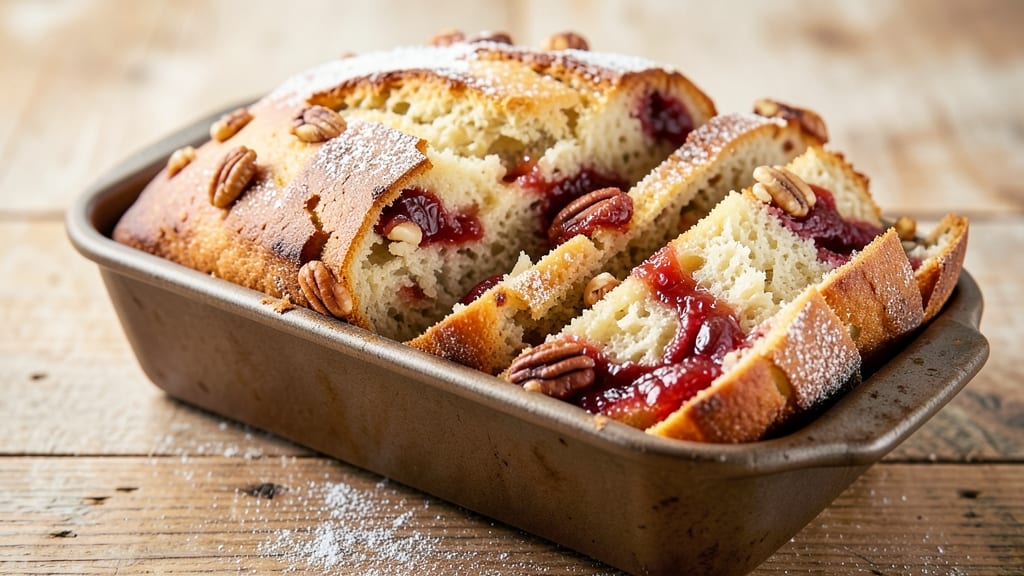
This apricot nut bread machine recipe transforms your daily loaf into a fragrant, textured masterpiece with sweet-tart swirls and a golden, crunchy crust. 🌟 The beauty of using a bread machine lies in its ability to handle the yeast activation, kneading, and baking for you—while you focus on the star ingredients: plump apricots and toasted nuts that add layers of flavor and texture.
What sets this recipe apart is the perfect balance of tangy apricot jam (or fresh diced apricots) and crunchy walnuts or almonds, all folded into a soft, slightly sweet dough. The bread machine does the heavy lifting, ensuring consistent results every time—no need for guesswork with yeast or oven temperatures.
The key is preparing the dough properly before loading it into the machine, which guarantees a loaf with a tender crumb and a crackly top.
By the time your bread machine chimes, you’ll have a loaf that smells like a bakery and tastes even better. The apricot swirls add bursts of fruity sweetness, while the nuts provide a satisfying crunch.
This recipe is perfect for breakfast, snacking, or gifting—especially when paired with a light glaze or dusted with powdered sugar for extra elegance.
The best part? This method works whether you use dried apricots, jam, or fresh fruit—adjust the sweetness to your taste. And with minimal prep and hands-off baking, you’ll have a showstopping loaf ready in just a few hours. Let’s get started!
Ingredients for apricot nut bread machine
Sweet-tart swirls and crunchy nuts make this bread machine masterpiece—just gather these simple ingredients!
| Ingredient | Amount | Notes |
|---|---|---|
| All-Purpose Flour 🌾 | 4 cups | Sifted for light texture |
| Granulated Sugar 🍚 | ½ cup | Adjust for preferred sweetness |
| Apricot Jam 🍑 | ½ cup | Tangy variety preferred |
| Unsalted Butter 🧈 | ½ cup | Softened but not melted |
| Large Eggs 🥚 | 1 whole | Room temperature for best mixing |
| Milk 🥛 | 1 cup | Whole milk for richness |
| Active Dry Yeast 🍞 | 2 ¼ tsp | Ensure freshness (test in warm water) |
| Salt 🧂 | ½ tsp | Diamond Crystal preferred |
| Walnuts 🌰 | 1 cup | Toasted and roughly chopped |
| Brown Sugar 🍚 | 2 tbsp | For dough enrichment |
| Vanilla Extract 🌸 | 1 tsp | Pure vanilla preferred |
| Powdered Sugar 🍚 | ¼ cup | For optional glaze |
| Lemon Juice 🍋 | 1 tbsp | Freshly squeezed |
The apricot jam is non-negotiable for that signature sweet-tart flavor—Mott's or Bonne Maman are my go-tos, but any good-quality jam works. For the nuts, walnuts give the best crunch, but almonds or pecans work too (just toast them first!). If you're using dried apricots instead of jam, soak them in warm water for 10 minutes to soften. The yeast needs to be fresh—if it's more than a few months old, test it in warm water first to make sure it's active. And for the butter? Plugrá or Land O'Lakes unsalted is my go-to, but any good-quality brand will work—just make sure it's softened but not melted.
No apricot jam? Fresh diced apricots (about 1 cup) work beautifully—just simmer them with 1 tbsp sugar and 1 tbsp lemon juice to make a jam-like consistency. Running low on walnuts? Pecans or almonds are great swaps, but toast them first for extra flavor. If you don't have vanilla extract, vanilla sugar (1 tsp) works in a pinch. For a lighter loaf, use whole wheat flour (replace 1 cup of all-purpose flour), but expect a denser texture. And if you're feeling fancy, add a pinch of cinnamon to the dough for extra warmth—trust me, it's worth it!
This dough needs to rise for about 1-2 hours before baking—just until it's doubled in size. Once baked, let the loaf cool completely on a wire rack (at least 30 minutes) before slicing, or the crumb will be gummy. Store leftovers wrapped in plastic at room temperature for 3 days, or freeze slices for up to 3 months. For that bakery-style finish, brush the warm loaf with a mix of powdered sugar and milk (1 tbsp milk + 2 tbsp powdered sugar) while it's still hot. It's the little touches that make all the difference!
Why You'll Love This Recipe
- No-Fuss Machine Magic: I swear, the bread machine does all the work—just dump in flour, sugar, and a dollop of apricot jam, then let it knead and bake itself. No rolling, no shaping, no stress.
- Jam-Packed Sweetness: That apricot jam swirled into the dough? It’s like a fruity hug in every bite—tart, buttery, and just sweet enough to make you forget store-bought loaves even exist.
- Breakfast to Picnic: Slice it warm with butter for breakfast, pack it in lunchboxes for school, or serve it at brunch with a smear of cream cheese. It’s the one loaf that does it all.
- Budget Loaf, Long Life: Uses pantry staples (butter, eggs, flour) and stretches for days—perfect for when you’re pinching pennies but still want something that tastes homemade. Freezes beautifully too.
Step-by-step instructions for apricot nut bread machine recipe
Your bread machine will do most of the work, but these key steps guarantee that perfect swirled texture and crunchy top.
👨🍳 Step 1: Mix the Dough Ingredients
In your bread machine pan, combine the 4 cups all-purpose flour, 0.5 cup granulated sugar, 2.25 tsp active dry yeast, and 0.5 tsp salt. Give it a quick stir with a wooden spoon to distribute everything evenly. This dry mix is the foundation of your bread's structure.
Next, add the 0.5 cup softened unsalted butter, 1 cup whole milk, 1 whole large egg, 1 tsp vanilla extract, and 1 tbsp freshly squeezed lemon juice. Use your spoon to gently mix everything together until you have a shaggy, sticky dough that comes together when pressed. Don't overmix here—just combine until no dry spots remain. The dough should be soft but not wet.
🍳 Step 2: Prepare the Apricot Filling and Nut Topping
While your bread machine mixes the dough, prepare the apricot filling by combining 0.5 cup apricot jam with 2 tbsp brown sugar in a small bowl. Stir until smooth—this sweet-tart mixture will create those beautiful swirls throughout your bread. Set aside for now.
In a separate small bowl, toast the 1 cup walnuts in a dry skillet over medium heat for 3-5 minutes until fragrant and golden brown. Let them cool slightly, then roughly chop them. These toasted walnuts will add that perfect crunchy texture to your bread's top layer. Keep both mixtures nearby—they'll go in during the kneading phase.
⏰ Step 3: Add the Filling and Set the Machine
Once your bread machine starts kneading the dough (usually after 2-3 minutes
Close the bread machine lid and select the "Basic White Bread" setting for 2 hours. This timing gives the dough enough time to fully incorporate the filling and develop that signature swirled pattern. Here's the thing—don't peek during the first hour! Every time you open the lid, you release heat and steam, which can disrupt the bread's rise and texture development. After the kneading and rising cycle completes, your bread machine will automatically start the baking cycle. Let it bake for the full 30-40 minutes until the internal temperature reaches 190-200°F and the crust is a deep golden brown with those beautiful crackly patterns. You'll know it's done when it sounds hollow when tapped on the bottom. Here's where it gets exciting—the bread will develop that gorgeous crunchy top thanks to the toasted walnuts and the steam trapped during baking. Let the bread cool in the pan for 10 minutes before transferring it to a wire rack. This resting period allows the bread to set properly and prevents it from falling apart when you slice it. The aroma at this point is incredible—sweet apricot, nutty walnuts, and that fresh-baked crust. For that extra-special touch, whisk together the 0.25 cup powdered sugar with 1-2 tablespoons milk to make a simple glaze. Brush this lightly over the top of the warm bread while it's still on the rack. The glaze will melt slightly from the residual heat, creating a beautiful sheen and adding just a touch more sweetness to balance the tart apricot. Slice your apricot nut bread while it's still warm for the best texture—each slice should reveal those beautiful swirls of apricot jam throughout the soft, tender crumb. Serve with a cup of tea or coffee to let all those flavors shine. This bread keeps well at room temperature for 2-3 days or can be frozen for up to 3 months for fresh-baked enjoyment whenever you crave it!🔥 Step 4: Bake to Golden Perfection
🍽️ Step 5: Optional Glaze and Serving
Pro Tips For Making Apricot Nut Bread Machine
- SOFTEN THE JAM FIRST: Spread the apricot jam on a microwave-safe plate and zap it for 10–15 seconds before mixing it into the dough. Cold jam sits like a brick in batter—this warms it just enough to blend smoothly, so you don’t end up with clumpy streaks or a dense crumb. (Yes, even if you’re impatient like me.)
- USE ROOM-TEMP BUTTER: Let the unsalted butter sit out for 30–45 minutes before creaming it with the sugar. Cold butter cuts into flour instead of emulsifying, and your bread will turn out greasy or dry. Test it by pressing a finger into the butter—if it leaves a slight dent, it’s ready.
- DON’T OVERMIX THE DOUGH: Once you add the flour, mix just until combined—no more than 10–12 strokes. Overworking the dough develops too much gluten, and your bread will turn out tough instead of tender. Stop when the flour disappears, even if it looks shaggy.
- ADD NUTS LAST: Fold in chopped nuts (if using) right before the final dough mix, not during. They’ll get pulverized in the machine, turning your bread into nut paste instead of adding texture. Toss them in gently with a spatula after the machine’s cycle ends.
Common mistakes when making your apricot nut bread machine
Overmixing the Dough
I’ve seen this happen more times than I can count—especially with first-timers. When you mix the dough in the bread machine pan, resist the urge to overwork it. Overmixing develops too much gluten, which makes the bread dense instead of light and airy.
Once the dough comes together into a shaggy mass, let the machine handle the kneading. If you’re tempted to stir it manually, just give it one quick fold to combine everything—then step back and let the machine do its magic. 💡
Skipping Yeast Activation
This is a rookie mistake that can ruin your entire batch. Always check that your active dry yeast is fresh by mixing 2.25 tsp yeast with ¼ cup warm water (110°F) and 1 tsp sugar.
If it doesn’t foam within 5-10 minutes, your yeast is dead, and you’ll need to start over. Pro tip: Store your yeast in the freezer to keep it fresh for months. Trust me, this tiny step saves hours of frustration later.
Adding Filling Too Early
Timing is everything when it comes to the apricot filling. If you add the jam mixture too soon, the bread machine’s kneading paddle will just push it to the sides without incorporating it properly.
Wait until the dough starts to pull away from the edges of the pan (usually after 2-3 minutes of mixing) before adding those dollops of jam. The machine’s kneading action will then swirl the filling beautifully throughout the dough.
Peeking During Rising
I get it—the anticipation is killing you! But every time you open the bread machine lid during the first hour of rising, you release heat and steam, which can collapse the dough and ruin the texture. The machine is designed to trap that heat, so let it work its magic.
If you absolutely must check, just crack the lid open for a second glance—don’t fully open it. Patience here pays off with a perfectly risen loaf. ✨
Underestimating Cooling Time
Freshly baked bread is tempting, but slicing it too soon is a cardinal sin. If you cut into it while it’s still hot, the crumb will turn gummy and fall apart.
Let the bread cool in the pan for 10 minutes, then transfer it to a wire rack to cool completely for at least 30 minutes. This resting period lets the gluten relax and the crumb set properly.
I’ve seen even experienced bakers rush this step—don’t be one of them!
Ignoring the Crust’s Cue
The bread machine might say it’s done, but don’t rely solely on the timer. The crust should be a deep golden brown with crackly patterns, and when you tap the bottom, it should sound hollow.
If the crust is pale, the bread might still need 5-10 more minutes in the machine. A well-browned crust means the bread has fully baked and developed that perfect crunchy texture we’re all craving. 🔥
Nutrition facts
Frequently asked questions
Can I substitute fresh apricots for jam in this recipe?
Use 1 cup fresh diced apricots instead of jam. Simmer them with 1 tbsp sugar and 1 tbsp lemon juice for 5 minutes to soften and create a jam-like consistency. This adds natural sweetness and vibrant color to your bread. Just reduce the granulated sugar in the dough by 1 tbsp to balance the flavors.
What nuts work best besides walnuts?
Any toasted nut will add great texture! Try pecans, almonds, or hazelnuts—just toast them first in a dry skillet for 3-5 minutes until fragrant. For extra flavor, sprinkle with a pinch of cinnamon before adding to the dough. Pecans add a buttery richness, while almonds give a slightly sweeter crunch.
How do I adjust the recipe for a smaller bread machine pan?
Reduce all ingredients by 25% to fit most compact bread machine pans. Use 3 cups flour, 1 tbsp yeast, 0.25 cup jam, and 0.5 cup nuts. The dough will be smaller but still develop the same delicious swirls. Always check your machine's manual for maximum capacity to avoid overflow.
Can I make this gluten-free?
Yes, but with modifications. Replace the all-purpose flour with a 1:1 gluten-free baking blend (like Bob's Red Mill) and add 1 tsp xanthan gum to improve texture. Expect a slightly denser crumb, and let the dough rise for 10-15 minutes longer than specified. The bread machine's kneading will still work, but monitor the dough closely.
Why did my bread turn out dense instead of light?
This usually happens from overmixing or underproofing. Let the bread machine handle all kneading—only mix ingredients until just combined. Also, ensure your yeast is fresh (test it first) and let the dough rise until it's doubled in size before baking. If using dried apricots, make sure they're fully softened to avoid adding extra moisture.