
Desserts
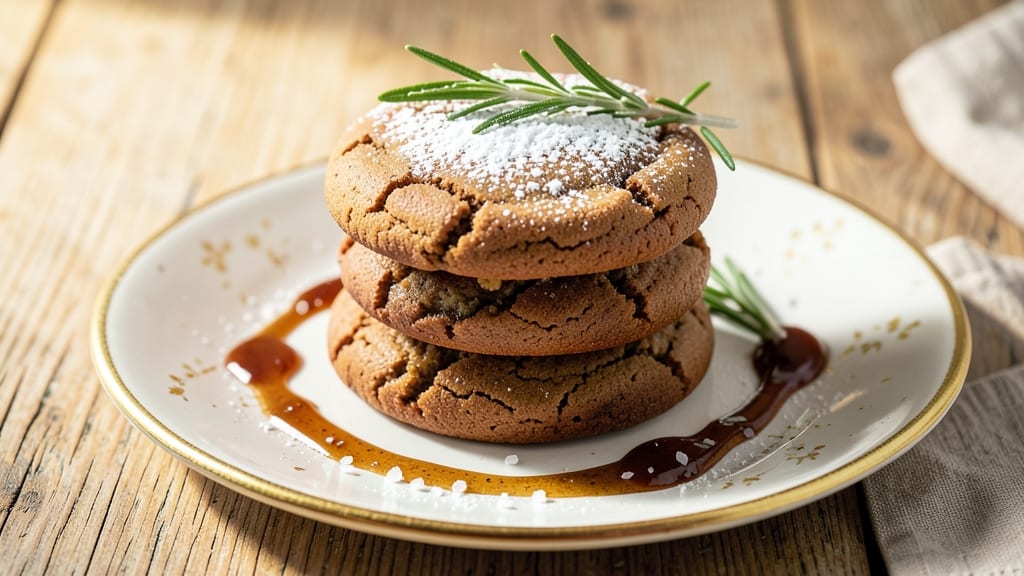
Ann Clark's legendary gingerbread cookies deliver that perfect balance of molten spice centers and crispy edges that make them irresistible. 🍪 The secret lies in the precise molasses-to-brown-sugar ratio and a blend of warm spices that create an aromatic experience with every bite.
Unlike ordinary gingerbread, these cookies maintain their structure while developing a caramelized crust in the oven.
What sets this recipe apart is the two-stage baking process—first creating a soft, spiced center, then finishing with high heat to achieve that signature crispness. The use of real molasses (not corn syrup substitutes) gives these cookies their deep, complex flavor that's both sweet and subtly bitter.
This is the kind of recipe that transforms holiday baking from ordinary to extraordinary.
By the time these cookies emerge from the oven, you'll have a batch that's firm enough to hold its shape yet tender enough to melt in your mouth. The aroma alone—warm cinnamon, ginger, and clove—will fill your kitchen, making it impossible to resist sampling straight from the tray.
These are the cookies that become family traditions and holiday gifts.
The beauty of this recipe is its versatility—whether you're baking for a crowd or perfecting a single batch, the technique scales beautifully. Pair them with a glass of cold milk or a cup of spiced chai for the ultimate gingerbread experience.
Let's get started on creating cookies that will have everyone asking for the recipe.
Ingredients for ann clark gingerbread cookie
Twelve ingredients transform ordinary baking into Ann Clark's legendary gingerbread experience.
| Ingredient | Amount | Notes |
|---|---|---|
| Unsalted Butter 🧈 | ½ cup | Cold, cubed for even baking |
| Dark Brown Sugar 🍚 | 1 cup | Packed firmly for moisture |
| Molasses 🍯 | ½ cup | Unsulphured for authentic depth |
| Large Eggs 🥚 | 2 whole | Room temperature for blending |
| All-Purpose Flour 🌾 | 2 ½ cups | Sifted for light texture |
| Ground Ginger 🌿 | 2 tbsp | Freshly ground preferred |
| Ground Cinnamon 🌶️ | 1 ½ tbsp | High-quality Ceylon preferred |
| Ground Cloves 🌶️ | 1 tsp | Freshly ground for potency |
| Baking Soda 🧂 | 1 tsp | Pure, aluminum-free |
| Kosher Salt 🧂 | ½ tsp | Diamond Crystal preferred |
| Vanilla Extract 🌸 | 1 tsp | Pure Madagascar preferred |
| White Corn Syrup 🍯 | 1 tbsp | For chewy texture |
The molasses is non-negotiable here—unsulphured molasses from Whole Foods or specialty markets delivers that authentic deep flavor. For the spices, Penzeys Spices offers freshly ground ginger and cloves that elevate these cookies beyond standard recipes. The butter should be European-style if possible, like Plugrá, for its higher fat content and richer flavor. Brown sugar matters too—pack it firmly into the measuring cup to capture maximum moisture. If you're baking for a crowd, double the recipe but use two batches to avoid overcrowding the oven, which is critical for achieving those signature crisp edges.
No molasses? Blackstrap molasses at half the amount works in a pinch, though the flavor will be slightly more bitter. Substituting corn syrup for the white corn syrup? Use the same amount, but expect a slightly denser texture. For the spices, if you can't find freshly ground ginger, grate your own from a knob—the difference is noticeable. The vanilla extract should be pure; imitation extracts contain artificial flavors that disrupt the delicate spice balance. When measuring flour, spoon it into the cup and level it off—don't scoop directly from the bag, as that packs it too tightly and alters the cookie's structure.
Store the dough in an airtight container in the fridge for up to 5 days, though it's best used within 2 days for optimal flavor. Once baked, these cookies stay fresh at room temperature for 1 week in a sealed container, or 3 months frozen between layers of parchment paper. For gifting, package them in clear cellophane bags tied with ribbon, or layer them in a decorative tin. The aroma alone will make them irresistible—perfect for holiday gatherings or family traditions.
Why You'll Love This Recipe
- No-Fuss Dough: I swear, this dough comes together faster than I can scramble eggs—just cream butter and sugar, fold in molasses, then mix in dry ingredients. No standing over a bowl waiting for it to chill, no rolling out dough with a temperamental rolling pin. The molasses and brown sugar do all the work, keeping it tender without fuss.
- Spiced to Perfection: That deep, warm gingerbread flavor? It’s ridiculously good—the molasses gives it a chewy, almost caramel-like richness, while the spices (cinnamon, ginger, cloves) hit just right. Not too sweet, not too spicy—it’s the kind of cookie that disappears in minutes, especially when still warm from the oven.
- Holiday or Snack Attack: Between us, these cookies are exactly what you need for Christmas cookie platters, but they’re also my go-to for a quick afternoon pick-me-up. Package them in jars for gifts, or just keep a batch in the freezer for when you crave something cozy. They’re sturdy enough to ship, soft enough to eat fresh.
- Budget-Friendly Staples: Honestly, the ingredients won’t break the bank—just butter, sugar, molasses, eggs, and flour. No fancy add-ins, no specialty tools. And because they keep well (if they last that long), you’ll actually have leftovers to enjoy later. Plus, the dough freezes beautifully, so you can bake a whole batch in one go and pull them out as needed.
Step-by-step instructions for Ann Clark's signature gingerbread cookies
Master the art of these legendary cookies with their signature molten spice centers and crisp edges.
👨🍳 Step 1: Cream Butter and Sweeteners for Maximum Flavor Development
In a stand mixer fitted with the paddle attachment, beat the 0.5 cup unsalted butter (cubed and cold) with the 1 cup dark brown sugar on medium speed for 3-4 minutes. The mixture should lighten in color and become thick and fluffy—this incorporates air that creates those signature crackly tops. I like to press the butter between my fingers occasionally to ensure even distribution.
Add the 0.5 cup molasses and 1 tbsp white corn syrup, mixing until fully combined. The molasses will darken the mixture slightly, which is perfect for that authentic gingerbread color. Here's the thing—molasses has a strong flavor, so don't be tempted to use less. It's what gives these cookies their deep, complex character. Mix for another 30 seconds until smooth.
👨🍳 Step 2: Incorporate Eggs and Aromatics for Rich Texture
Add the 2 whole large eggs (room temperature) one at a time, mixing on low speed for 30 seconds after each addition. This gradual incorporation prevents scrambling the eggs while ensuring they emulsify properly with the butter mixture. I always use room temperature eggs—they blend more smoothly and create a lighter texture.
Next, stir in the 1 tsp vanilla extract and let it infuse for 10 seconds. The vanilla may seem like a small amount, but it balances the intensity of the molasses and spices beautifully. Here's where it gets fun—add the 2 tbsp ground ginger, 1.5 tbsp ground cinnamon, and 1 tsp ground cloves. Mix on low speed for 20 seconds just until combined. The spices will create a fragrant cloud in your kitchen—this is your reward for using freshly ground spices.
👨🍳 Step 3: Combine Dry Ingredients for Light, Airy Texture
In a separate bowl, whisk together the 2.5 cups all-purpose flour, 1 tsp baking soda, and 0.5 tsp kosher salt. Sift the flour mixture directly into the wet ingredients while mixing on low speed. This prevents gluten development that would make the cookies tough. I use a fine-mesh sieve for this step—it creates a lighter texture and prevents lumps.
Mix just until combined—you should still see some flour streaks. Overmixing develops gluten, which leads to dense cookies instead of the tender, cake-like texture we want. Here's the critical part: don't skip the sifting. The flour in this recipe is packed with spices, and proper aeration is what creates those signature tender centers.
⏰ Step 4: Chill the Dough for Perfect Texture
Transfer the dough to an airtight container and refrigerate for at least 3 hours (overnight is even better). This chilling step is non-negotiable—it allows the flour to fully hydrate and the spices to meld. The cold dough also prevents excessive spreading in the oven, giving you those thick, cake-like cookies with crisp edges.
Here's what I do differently: I divide the chilled dough into 4 portions (about 8 ounces each) and flatten them into discs. Wrap each disc tightly in plastic wrap and return to the fridge. This makes handling easier later and ensures even baking. The dough should be cold but pliable when you're ready to bake—if it's too firm, let it sit at room temperature for 10-15 minutes before rolling.
🔥 Step 5: Bake to Golden Perfection with Molten Centers
Preheat your oven to 350°F and line two baking sheets with parchment paper. Roll each dough portion between two sheets of parchment to ¼-inch thickness. Cut out 3-inch circles using a round cookie cutter, then transfer to the prepared baking sheets, spacing them 2 inches apart. The parchment prevents sticking and makes cleanup easier.
Bake for 12-14 minutes until the edges are deep golden brown but the centers still look slightly underdone. They should feel firm to the touch but not rock-hard. I know it seems counterintuitive, but the centers will continue cooking as they cool on the baking sheet. Remove them when they look just slightly underbaked—they'll firm up beautifully as they cool.
Pro Tips For Making Ann Clark Gingerbread Cookie
- CHILL THE DOUGH: I learned this the hard way—rolling out warm gingerbread dough straight from the fridge leads to sad, spread-out cookies. Let the dough rest in the fridge for at least 30 minutes (or up to 48 hours for deeper flavor). Cold dough holds its shape, and the butter stays firm enough to make those crisp edges you actually want.
- MEASURE MOLASSES ACCURATELY: This isn’t the time to eyeball. Molasses is thick and varies wildly by brand—use a kitchen scale or measure it in a liquid measuring cup with a straight edge. Too little, and your cookies taste like bland sugar cookies; too much, and they’ll be bitter. Ann Clark’s recipe calls for ¼ cup, but if yours is old or syrupy, reduce it by 1-2 tablespoons.
- WEIGH YOUR FLOUR: Scooping flour from the bag into cups packs it too tightly, making your cookies dense. Instead, spoon flour into the measuring cup, then level it off with a knife. For even better results, weigh it—1 cup of all-purpose flour is about 120 grams. This recipe relies on the right balance of flour to molasses, so don’t skip it.
- BAKE IN BATCHES: Don’t overcrowd the pan. Ann Clark’s recipe makes big cookies, and they need room to spread. Bake them 2 inches apart on the lower third of the oven rack for even browning. If your oven runs hot (like mine does), rotate the tray halfway through—this ensures the edges crisp up without burning.
Essential equipment for ann clark gingerbread cookie
Stand Mixer Essentials
The KitchenAid Artisan Series stand mixer is my go-to for creaming butter and sugar—its powerful motor handles the dense gingerbread dough without overheating. The paddle attachment is critical for incorporating air, which creates those signature crackly tops.
If you don’t have a mixer, use a hand mixer for at least 5 minutes of vigorous beating. For budget-friendly options, the Cuisinart SM-50BC delivers similar performance at half the price. 💛
Precision Tools
A 3-inch round cookie cutter is non-negotiable for consistent shapes—brands like Wilton or OXO Good Grips offer durable, non-stick options. For rolling, use a quart-sized rolling pin (like Kitchy or Lodge) to maintain even ¼-inch thickness.
A fine-mesh sieve (such as Microplane) ensures smooth flour incorporation without lumps. I also recommend a digital kitchen scale for accurate dough portions—OXO Good Grips is my favorite for readability and durability.
Baking Sheets
Heavy-duty half-sheet pans (like All-Clad Stainless Steel) distribute heat evenly, preventing uneven browning. Line them with parchment paper (avoid silicone mats—they can interfere with crisp edges). For high-volume baking, invest in two pans to avoid overcrowding.
Pro tip: Chill the pans in the fridge for 10 minutes before baking to help set the cookies faster.
Chilling Gear
An airtight container (such as Rubbermaid Brilliance) is essential for dough storage—it preserves moisture and prevents drying. For portioning, use plastic wrap (like Saran Wrap) to flatten dough discs tightly.
A small offset spatula helps transfer chilled dough to parchment without tearing. If you’re short on time, freeze dough portions for up to 3 months—just thaw for 30 minutes before rolling.
Spice Grinders
Freshly ground spices make all the difference—Penzeys Spices grinders (like their Mini Mill) deliver potent ginger and cloves. For cinnamon, Ceylon-grade (from Spicewalla) adds floral notes without bitterness.
Store spices in airtight jars (like Weck) to preserve freshness. A mortar and pestle works too, but grinders ensure consistency batch after batch. 🌶️
Nutrition facts
Frequently asked questions
Why do these cookies need to chill overnight?
The overnight chill is crucial for two reasons: it allows the flour to fully hydrate, creating a tender crumb, and it prevents excessive spreading in the oven. The cold dough also helps the spices meld together, giving you that signature aromatic depth. If you're short on time, chill for at least 3 hours, but overnight (up to 48 hours) yields the best results.
Can I make these cookies without molasses?
While molasses is essential for authentic flavor, you can substitute ½ cup blackstrap molasses (use half the amount) or ¼ cup honey plus ¼ cup dark corn syrup. However, the flavor will be less complex. For a more traditional approach, try ½ cup dark brown sugar plus 1 tbsp maple syrup—it won't be identical, but it's a decent alternative. The molasses gives these cookies their signature depth and slight bitterness that balances the sweetness.
How do I prevent my cookies from spreading too much?
Use cold butter (straight from the fridge) and chill the dough thoroughly. Roll the dough to exactly ¼-inch thickness and bake on preheated sheets. Avoid overcrowding the pan—leave 2 inches between cookies. For extra insurance, place the baking sheet in the freezer for 10 minutes before baking. The key is patience: slightly underbaked cookies will firm up as they cool.
What's the secret to getting that signature crackly top?
The crackly top comes from proper creaming of butter and sugar (beat until light and fluffy) and using freshly ground spices. Bake just until the edges are golden but the centers still look slightly soft—they'll set as they cool. For extra crispness, transfer cookies to a wire rack and bake for 2-3 minutes at 375°F after they've cooled slightly. The high heat caramelizes the sugars for that signature texture.
Can I make these gluten-free?
Yes, but with adjustments. Replace the all-purpose flour with a 1:1 gluten-free baking flour blend (like Bob's Red Mill) plus ½ tsp xanthan gum. Add 1 tbsp extra flour to compensate for gluten-free blends' lower protein content. For best results, use a gluten-free measuring spoon to avoid packing the flour too tightly. The texture will be slightly denser, but the flavor will still shine.