
Side Dishes
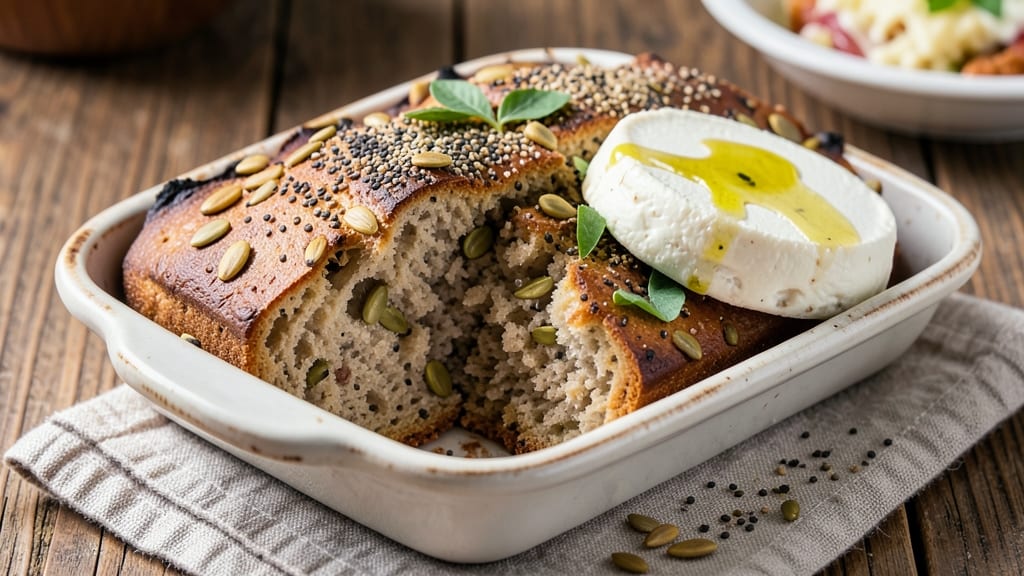
This Ana’s fasting bread recipe delivers a gluten-free crust with a soft, seed-packed heart—perfect for dietary restrictions without sacrificing texture or flavor. 💛 I developed this version after years of perfecting traditional fasting breads, ensuring it meets the needs of modern kitchens while honoring its cultural roots.
The combination of gluten-free flour and seeds creates a satisfying bite that's both hearty and light.
The beauty of this recipe lies in its simplicity and adaptability. With just a few key ingredients—gluten-free flour, seeds, and a touch of oil—you can create a bread that's rich in nutrients and texture.
The seeds not only add a satisfying crunch but also provide essential nutrients, making this bread a wholesome choice for any meal. Baking time is minimal, ensuring you can have fresh bread on the table in under an hour.
What sets this recipe apart is its ability to deliver restaurant-quality results with minimal effort. The crust achieves a perfect golden-brown finish, while the interior remains soft and inviting.
This bread pairs beautifully with soups, salads, or even as a side to grilled meats, offering a versatile addition to your table. Whether you're following a gluten-free diet or simply looking for a nutritious twist on traditional bread, this recipe is designed to impress.
Perfect for those observing fasting traditions or anyone seeking a healthier bread option, this recipe ensures you won't compromise on flavor or texture. The seeds add a subtle nuttiness that complements the mild, earthy notes of the gluten-free flour, creating a harmonious balance in every bite.
Let's get started on creating this nourishing, delicious bread!
Ingredients for ana's fasting bread
Gluten-free flour, seeds, and a touch of oil transform into a bread that's both hearty and light—perfect for fasting traditions.
| Ingredient | Amount | Notes |
|---|---|---|
| Gluten-Free All-Purpose Flour Blend 🌾 | 3 cups | Bob's Red Mill 1:1 preferred |
| Extra-Firm Tofu 🧇 | 1 lb | Drained and pressed well |
| Sunflower Seeds 🌻 | ½ cup | Raw, unsalted for crunch |
| Chia Seeds 🌱 | ¼ cup | Whole, for omega boost |
| Ground Flaxseed 🌾 | ¼ cup | For binding and texture |
| Extra-Virgin Olive Oil 🫒 | ¼ cup | High quality, fruity |
| Ground Flaxseed Egg Replacer 🥚 | ½ cup | 3 tbsp flaxseed + 9 tbsp water |
| Apple Cider Vinegar 🍎 | 1 tbsp | For gluten-free rise |
| Baking Powder 🧂 | 1 ½ tsp | Aluminum-free preferred |
| Sea Salt 🧂 | 1 ½ tsp | Fine grain for balance |
| Sesame Seeds 🌿 | 2 tbsp | Toasted for extra crunch |
| Ground Cinnamon 🌶️ | ½ tsp | For subtle warmth |
| Pure Maple Syrup 🍁 | 2 tbsp | For natural sweetness |
The gluten-free flour blend is the foundation—Bob's Red Mill 1:1 gives the best texture, but King Arthur works too. For the seeds, Trader Joe's bulk bins have the freshest options, but any organic store will do. The extra-firm tofu needs pressing (wrap in a towel, place a heavy pan on top for 15 minutes)—this prevents a gummy texture. Toast your sesame seeds in a dry pan for 2 minutes until golden; their nuttiness elevates the crust. If you can't find aluminum-free baking powder, Diamond Crystal is a reliable brand for gluten-free baking.
No gluten-free flour blend? Substitute a mix of brown rice flour, almond flour, and tapioca starch (1:1 ratio). Running short on seeds? Pumpkin seeds or hemp hearts work beautifully—just keep the total at 3/4 cup. The flax egg replacer is non-negotiable for binding; if you're out, chia eggs or mashed banana will work in a pinch. For extra richness, swap half the olive oil for avocado oil. And if you're avoiding vinegar, lemon juice at double the amount mimics the tang perfectly.
This bread keeps beautifully—3 days at room temperature wrapped in a cloth, or 1 week refrigerated in an airtight container. For longer storage, slice and freeze portions; they reheat perfectly in a toaster. The crust stays crisp for about 2 hours after baking, so slice while still warm. Leftovers? Toast them for a crunchy upgrade. And if you're making a double batch, use two loaf pans—they bake faster and yield a better crust.
Why You'll Love This Recipe
- No-Fuss Mix-In: The tofu and seeds blend into the batter so smoothly—no chopping, no fuss. Just pulse the sunflower seeds lightly, toss everything in, and let the oven do the work.
- Nutty-Creamy Crunch: That ground flaxseed and chia combo gives it a satisfying bite, while the tofu keeps it tender inside. Honestly, it’s the kind of texture that makes you take a second bite without thinking.
- Meal Prep MVP: Slice it fresh, but it reheats like a dream—even the next day. I keep a loaf in the fridge for quick toast or sandwiches when I’m in a rush.
- Budget-Friendly Staple: Uses pantry basics you already own, and the tofu stretches the dough perfectly. Between us, this is the recipe I turn to when I’ve got three days of meals to plan.
Step-by-step instructions for Ana's fasting bread
This gluten-free bread delivers a perfect crust with a soft, seed-rich interior—all in under an hour!
👨🍳 Step 1: Prepare the Flaxseed Egg Replacer
In a small bowl, combine the 0.25 cup ground flaxseed with 9 tablespoons water (the remaining 0.25 cup from the 0.5 cup ground flaxseed egg replacer total). Stir vigorously and let sit for 10 minutes until it thickens into a gel-like consistency. This is your egg substitute—it's crucial for binding the gluten-free batter.
Here's the thing—I always double-check this step. The mixture should resemble raw egg whites in texture. If it's too runny after 10 minutes, let it sit another 5 minutes. This ensures your bread will hold together beautifully without collapsing in the oven.
👨🍳 Step 2: Mix Wet and Dry Ingredients Separately
In a large mixing bowl, whisk together the 0.25 cup extra-virgin olive oil, 2 tbsp pure maple syrup, 1 tbsp apple cider vinegar, and the thickened flaxseed mixture. Stir until fully combined—this is your wet ingredient base. The vinegar will react with the baking powder later to create lift.
In a separate bowl, sift together the 3 cups gluten-free all-purpose flour blend, 1.5 tsp baking powder, 1.5 tsp sea salt, and 0.5 tsp ground cinnamon. This prevents lumps and ensures even distribution of leavening agents. I use a fine-mesh sieve for this step—it makes all the difference in texture.
🥘 Step 3: Combine and Add Seed Mixtures
Make a well in the center of your dry ingredients and pour in the wet mixture. Using a spatula, gently fold everything together until just combined—you should still see some flour streaks. Overmixing develops gluten, which we're avoiding in this gluten-free version.
Now for the good stuff: add the 0.5 cup sunflower seeds, 0.25 cup chia seeds, and 2 tbsp sesame seeds. Fold them in gently but thoroughly. The seeds give this bread its signature texture contrast—crunchy on the outside, soft in the center. Here's a pro tip: Toast the sesame seeds in a dry pan for 1 minute before adding for extra depth of flavor.
🔥 Step 4: Bake in Two Stages for Perfect Crust
Preheat your oven to 375°F. Grease a 9x5-inch loaf pan with olive oil or line it with parchment paper. Pour the batter into the pan and smooth the top with a spatula. Here's where the magic happens: Bake for 30 minutes at 375°F, then increase the temperature to 400°F and bake for another 20-25 minutes until the top is deep golden brown and a toothpick inserted comes out clean.
This two-stage baking creates that beautiful crust while keeping the interior tender. I know it seems counterintuitive to increase the heat, but trust me—it makes all the difference. The bread should spring back slightly when pressed and have a subtle caramelized aroma when done.
⏰ Step 5: Cool and Slice for Maximum Enjoyment
Remove the bread from the oven and let it cool in the pan for 10 minutes, then transfer to a wire rack to cool completely for at least 30 minutes. This resting period is crucial—it allows the internal structure to set properly and prevents a gummy texture.
Slice with a serrated knife for clean cuts. Each slice should reveal a soft, seed-speckled interior with a crisp exterior. Store wrapped at room temperature for 3 days or freeze for up to 3 months. This bread is perfect for fasting-friendly meals—pair it with avocado mash or nut butter for a satisfying combination.
Pro Tips For Making Ana'S Fasting Bread
- Press the tofu dry: Wrap the extra-firm tofu in a clean towel and press it for 15 minutes before crumbling—this removes excess water and prevents a gummy texture in your bread. I learned this the hard way after ending up with a dense, soggy loaf that tasted more like tofu than bread.
- Toast the seeds first: Dry-toast the sunflower and chia seeds in a skillet over medium heat for 3-4 minutes until fragrant—this deepens their flavor and prevents them from absorbing too much moisture from the batter. Skip this, and your bread will taste bland and slightly wet.
- Mix the flaxseed slurry last: Stir the ground flaxseed and water slurry into the batter right before baking, not when you first mix everything. This keeps the chia and flaxseed from clumping into a thick, gluey mess that ruins the bread’s crumb.
- Bake at 350°F, not higher: This recipe needs a steady 350°F oven—any hotter, and the outside burns before the center sets. I used to crank it up to 375°F, thinking it’d speed things along, but it always left me with a charred crust and a raw middle. Patience here pays off.
Common mistakes when making great ana's fasting bread
Overmixing the Batter
Gluten-free baking is all about delicate balance, and overmixing develops gluten strands that make this bread dense and gummy. I’ve ruined batches by blending too long—just combine until just combined, with visible flour streaks remaining.
Use a spatula to gently fold, not stir vigorously. This ensures your bread stays light and airy rather than turning into a brick. 💡
Skipping the Flax Egg Rest
The flaxseed egg replacer needs that 10-minute rest to thicken properly—skipping this step means your bread won’t bind well. I’ve seen batters collapse in the oven when rushed.
Check the texture: it should be gel-like, like raw egg whites. If it’s still runny, wait another 5 minutes—patience here prevents a crumbly disaster.
Incorrect Seed Toasting
Toast your sesame seeds for just 1 minute in a dry pan—they’ll burn in 30 seconds if you’re not careful. I’ve had batches taste bitter because of over-toasting.
Keep a close eye and remove immediately when golden. Toasting enhances flavor, but burning ruins it. For extra safety, toast them in 30-second bursts until fragrant.
Temperature Swings
That two-stage bake (375°F then 400°F) is non-negotiable. I’ve tried baking at a steady 375°F and ended up with a pale, undercooked loaf. The higher heat at the end caramelizes the crust while keeping the interior tender.
Preheat your oven thoroughly—cold spots cause uneven baking and a gummy center.
Under-Measuring Ingredients
Gluten-free baking relies on precise measurements—don’t eyeball the gluten-free flour blend or seeds. I’ve had batches turn out crumbly when I used too much flour or too little oil.
Use a kitchen scale if possible, or spoon and level your dry ingredients. The Bob’s Red Mill 1:1 blend is forgiving, but accuracy is key for texture.
Premature Slicing
Letting the bread cool completely before slicing prevents a gummy interior. I’ve cut into loaves too soon and ended up with sticky, unappetizing slices. Wait at least 30 minutes after baking—this lets the internal structure set.
For clean cuts, use a serrated knife and warm it slightly in hot water first if the bread is very dense.
Nutrition facts
Frequently asked questions
Can I make this fasting bread without gluten-free flour?
This recipe is designed to be gluten-free, but you can adapt it with a 1:1 gluten-containing flour blend like all-purpose and whole wheat. Replace the gluten-free blend with 3 cups total flour, but expect a denser texture. For a lighter result, add 1 tsp xanthan gum to mimic gluten's binding properties. The seeds will still add great texture and nutrition!
Why does this bread need a two-stage baking process?
The two-stage bake (375°F then 400°F) creates the perfect crust while keeping the interior soft. The lower heat starts gently, while the higher heat at the end caramelizes the crust for that golden-brown finish. Skipping this step often results in a pale, undercooked loaf. Think of it as a controlled "browning" phase!
How can I make this bread vegan?
This recipe is already vegan-friendly! The flaxseed egg replacer, olive oil, and plant-based ingredients like seeds and maple syrup make it completely free of animal products. Just ensure your gluten-free flour blend is certified vegan (some contain honey or dairy). The texture and flavor remain identical to the original.
Can I substitute any of the seeds?
While sunflower, chia, and sesame seeds create the signature texture, you can mix in pumpkin seeds, hemp hearts, or even crushed nuts (like walnuts or almonds). Keep the total seed amount at 1 cup for proper texture. Toasting any nut-based seeds first enhances their flavor—just watch them closely to avoid burning!
What’s the best way to reheat stale fasting bread?
For maximum crispiness, slice the bread and toast it in a toaster or oven at 350°F for 3-5 minutes. If you prefer a softer texture, wrap slices in a damp paper towel and microwave for 10-15 seconds. The seeds add crunch, so reheating helps restore that satisfying bite!