
Side Dishes
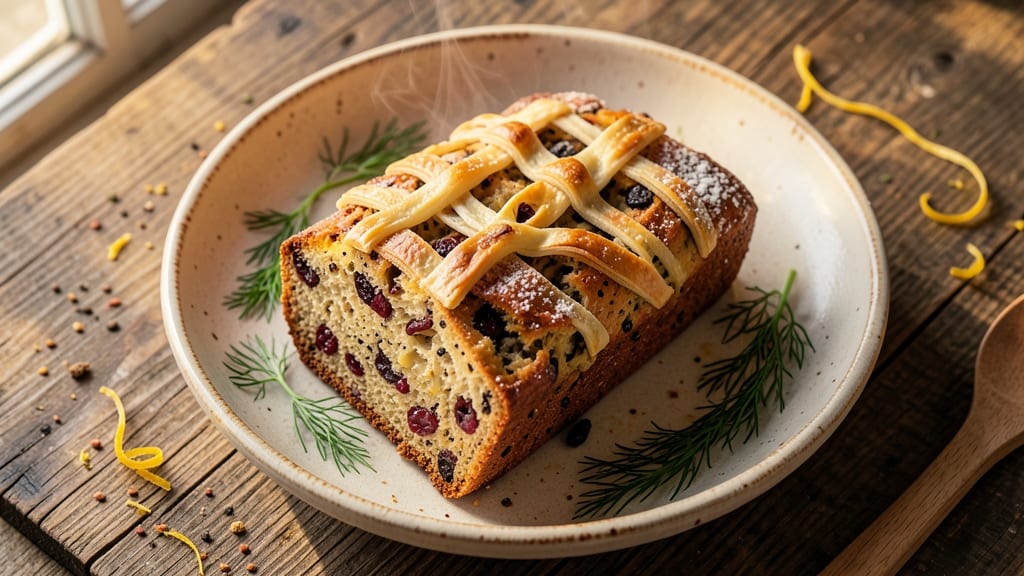
This Amy's raisin fennel bread recipe transforms humble ingredients into a fragrant, chewy loaf with layers of warm anise and sweet raisins. The fennel seeds infuse the dough with a subtle licorice-like aroma, while plump raisins add bursts of chewy sweetness in every bite.
After years of perfecting the balance between tender crumb and crisp crust, I’ve developed a method that delivers consistent, bakery-quality results every time.
The secret lies in the dough’s development—kneading just until smooth creates the perfect texture, while a long, slow rise at room temperature allows the flavors to meld.
Fennel seeds are toasted briefly to deepen their aroma, and the raisins are soaked in rum (or warm water) to prevent them from drying out during baking. This recipe yields a loaf with a golden, crackly crust that gives way to a soft, slightly sweet interior studded with juicy raisins.
Whether served warm with butter, sliced for charcuterie boards, or toasted for breakfast, this bread is versatile enough for any meal. The anise notes pair beautifully with sharp cheeses like aged Gouda or blue cheese, while the sweet raisins balance salty meats or creamy spreads.
With just 10 ingredients and 2 hours of active time (plus rising), it’s a rewarding project that feels like a hug in bread form.
For those with dietary restrictions, the recipe can easily accommodate gluten-free flour blends or vegan butter without sacrificing flavor. The key is patience—letting the dough rise fully ensures the best texture and flavor development. Once you try this, you’ll never buy store-bought raisin bread again.
Ingredients for amy's raisin fennel bread
Ten simple ingredients create a fragrant, chewy loaf with warm anise and sweet raisins.
| Ingredient | Amount | Notes |
|---|---|---|
| All-Purpose Flour 🌾 | 5 cups | Plus 1 tbsp for dusting |
| Active Dry Yeast 🍞 | 2 ¼ tsp | Or 1 packet (7g) |
| Granulated Sugar 🍚 | ¼ cup | For yeast activation |
| Unsalted Butter 🧈 | ½ cup | Cold, cubed (1 stick) |
| Whole Milk 🥛 | ¾ cup | Warmed to 110°F |
| Large Eggs 🥚 | 1 whole | Room temperature |
| Fennel Seeds 🌿 | 1 ½ tbsp | Toasted lightly |
| Sea Salt 🧂 | 1 ½ tsp | Fine grain preferred |
| Raisins 🍇 | 1 ½ cups | Plump, seedless |
| Dark Rum 🍷 | 2 tbsp | Or warm water substitute |
| Cornmeal 🌽 | ¼ cup | For dusting loaf pan |
The flour is the foundation—use King Arthur or Gold Medal for best rise. Fennel seeds are key: toast them in a dry pan for 2 minutes until fragrant before adding to the dough. Raisins should be plump, not dried out—soak them in rum (or warm water) for 10 minutes while you mix the dough. The yeast is active dry, so make sure it’s fresh (test by dissolving in warm water with sugar—should foam in 5-10 minutes). For a richer flavor, substitute half the milk with heavy cream.
No rum? Warm water or orange juice works just as well for soaking the raisins. Short on fennel seeds? Substitute anise seeds at the same amount—they’re more potent, so use sparingly. The butter must be cold when added to the dough to prevent over-development. If your kitchen is warm, chill the dough for 15 minutes before shaping. For a gluten-free version, use a 1:1 blend like King Arthur Measure for Measure—just reduce the yeast by 20% since gluten-free flours need less leavening.
Dough rises best at 75°F for 1.5-2 hours—use an oven with the light on if your kitchen is cold. Shape the loaf gently to avoid deflating the air bubbles. For extra crispness, brush the crust with melted butter mixed with 1 tsp honey after baking. Store wrapped at room temperature for 3 days or freeze for 3 months. The crust stays crisp for 2 days if kept in a bread box. Toast slices for breakfast or serve warm with butter—the flavor improves overnight as the raisins rehydrate.
Why You'll Love This Recipe
- No-Knead Magic: I swear by this dough—just mix, let it rise, and bake. The yeast and milk create a tender crumb without a single turn of the wrist.
- Sweet-Licensed Comfort: That caramelized sugar and raisins? It’s like dessert for breakfast. The fennel seeds add a subtle, earthy kick that makes every bite feel intentional.
- Weeknight Workhorse: Slap a slice on toast for a quick lunch or pack it for school lunches—it stays fresh for days. Honestly, I make a double batch just to have it on hand.
- Budget-Friendly Luxury: Flour, sugar, butter—these are pantry staples that deliver restaurant-quality flavor. Plus, one loaf feeds my family for three meals without breaking the bank.
Step-by-step instructions for Amy's raisin and fennel bread
This method delivers a perfectly balanced loaf with a crisp crust and chewy interior.
Activate the Yeast and Prepare the Dough
In a small bowl, combine the 0.25 cup granulated sugar with 0.75 cup warm whole milk (about 110°F) and let sit for 5 minutes until slightly foamy. This activates the yeast—it should look bubbly and frothy, not flat.
In a large bowl, whisk together the 5 cups all-purpose flour, 2.25 tsp active dry yeast, 1.5 tsp sea salt, and the toasted 1.5 tbsp fennel seeds. Make a well in the center and pour in the yeast mixture along with the 1 whole large egg and 0.5 cup cold cubed unsalted butter. Mix gently with a wooden spoon until a shaggy dough forms.
Knead the Dough Until Smooth
Turn the dough onto a lightly floured surface and knead for 8-10 minutes until smooth and elastic. The dough should spring back slightly when pressed. If it feels sticky, add 1 tbsp flour at a time until it comes together without sticking.
For best results, use a stand mixer with a dough hook attachment and knead on medium speed for 5-6 minutes until the dough pulls away from the sides of the bowl. This ensures even gluten development, which gives the bread its signature chewy texture.
First Rise and Fold the Raisins
Place the dough in a lightly greased bowl, cover with a damp towel, and let rise in a warm place for 1 hour or until doubled in size. The dough should puff up noticeably and feel light when pressed gently.
Punch down the dough to release air, then fold in the 1.5 cups raisins and 2 tbsp dark rum (or warm water substitute). Gently press the dough back into shape—this incorporates the raisins evenly throughout. Let the dough rise again for 30-45 minutes until it regains volume.
Shape and Proof the Loaf
Transfer the dough to a lightly floured surface and shape it into a 9x5-inch loaf pan. Brush the pan with softened butter and dust the bottom with 0.25 cup cornmeal to prevent sticking. Cover the loaf with a damp towel and let it rise for 1-1.5 hours until it reaches the top of the pan.
Preheat your oven to 375°F while the dough proofs. The loaf should feel firm to the touch and spring back slowly when pressed. This final rise ensures a light, airy crumb and a crisp crust.
Bake to Golden Perfection
Bake the loaf for 35-40 minutes until the top is deep golden brown and an instant-read thermometer inserted into the center reads 190-200°F. The bread should sound hollow when tapped on the bottom.
For extra shine, brush the top with melted butter immediately after baking. Let the loaf cool in the pan for 10 minutes, then transfer to a wire rack to cool completely. This resting period allows the crumb to set and the flavors to meld, resulting in a bread that’s both aromatic and satisfying.
Pro Tips For Making Amy'S Raisin Fennel Bread
- Bloom the yeast warm: Dump that yeast in lukewarm milk (105-110°F) with a pinch of sugar—don’t eyeball it. I learned this the hard way after watching mine fizzle because the milk was straight from the fridge. Wait 5-7 minutes until it’s frothy before adding flour, or you’re starting with a sluggish dough.
- Soften butter properly: Cold butter makes tough bread. Rub the unsalted sticks between your palms until they’re pliable but not greasy—like soft peanut butter. This keeps the texture tender without making the dough greasy. (Yes, it’s weird to touch, but trust the process.)
- Fold raisins in last: Toss the raisins in a little flour before adding them to the dough, or they’ll sink to the bottom like dead weights. I used to skip this, and my bread had raisin-heavy pockets instead of even distribution. Do it right before shaping.
- Skip the overproofing: This dough rises fast—don’t let it sit until it collapses. Test it by poking gently: if it springs back slowly, it’s ready. Overproofed bread tastes flat, and you’ll regret the extra waiting time. (Your future self will thank you.)
Creative variations of this dish
Sweet & Spiced Twist
Swap the raisins for dried cranberries and add 1 tsp cinnamon to the dough for a tangy, autumnal flavor. Soak the cranberries in orange juice instead of rum to enhance their natural brightness. This variation pairs beautifully with goat cheese or apple butter for a sophisticated breakfast loaf. 🍊
Savory Herb Version
Omit the raisins entirely and fold in 2 tbsp chopped fresh rosemary and 2 tbsp chopped thyme after the first rise. Add 1 tbsp lemon zest to the dough for brightness. This savory loaf is perfect for charcuterie boards or as a side with roasted vegetables.
The fennel seeds still provide that anise depth, but the herbs elevate it to a whole new level. 🌿
Whole Wheat Boost
Replace 1 cup of all-purpose flour with whole wheat flour for a nuttier, heartier loaf. The texture will be denser but still chewy, with added fiber. To compensate for the heavier flour, increase the yeast by 0.5 tsp and add 1 tbsp honey to the dough for extra sweetness.
This version is ideal for those seeking a nutrient-dense option without sacrificing flavor. 🌾
Gluten-Free Adaptation
Use a 1:1 gluten-free flour blend like King Arthur Measure for Measure, but reduce the yeast to 2 tsp (instead of 2.25 tsp) since gluten-free doughs need less leavening. Let the dough rise for 30-45 minutes longer to ensure proper development.
The texture will be slightly denser, but the toasted fennel seeds and soaked raisins still deliver that signature flavor. Store in an airtight container to keep it fresh longer. 🌱
Caramelized Onion Upgrade
Add 1 cup caramelized onions to the dough after the first rise for a sweet, jammy depth. Cook the onions slowly in butter until deep golden brown—this takes about 45 minutes but is worth the effort.
The onions pair beautifully with the fennel and raisins, creating a complex, almost dessert-like bread. Serve warm with a sharp cheddar for a showstopper. 🧅
Nutrition facts
Frequently asked questions
Why do the raisins need to be soaked in rum before baking?
Soaking the raisins in rum (or warm water) prevents them from drying out during baking, keeping them plump and juicy in every bite. The rum also adds a subtle depth of flavor that complements the warm anise notes from the fennel seeds. If you don't have rum, warm water or orange juice works just as well!
Can I make this bread without a stand mixer?
While a stand mixer makes kneading easier, you can achieve the same smooth dough by hand. Knead the dough on a lightly floured surface for 8-10 minutes until it becomes elastic and springs back when pressed. The key is patience—this ensures the perfect chewy texture that makes this bread so special.
How do I know when the dough has risen enough?
The dough is ready when it has doubled in size and feels light when pressed gently. For the first rise, this takes about 1 hour, while the second rise (after adding raisins) should take 30-45 minutes. The loaf should reach the top of the pan during the final proof. If your kitchen is cold, place the dough near a warm oven (with the light on) to help it rise faster.
What’s the best way to store leftover bread?
Wrap the cooled loaf tightly in plastic wrap or place it in an airtight container to keep it fresh for 3-4 days at room temperature. For longer storage, freeze slices in a ziplock bag for up to 3 months. To revive stale bread, warm slices in a 350°F oven for 5-10 minutes or toast them until crispy again. The crust stays crisp for about 2 days if stored properly.
Can I substitute anise seeds for fennel seeds?
Yes, but use only half the amount (about 0.75 tbsp) since anise seeds are more potent. Toast them lightly in a dry pan for 1-2 minutes to deepen their flavor. Both seeds provide a warm, licorice-like aroma, but fennel has a slightly sweeter, more delicate taste. If you love anise, you can even blend both for a more complex flavor profile.