
Side Dishes
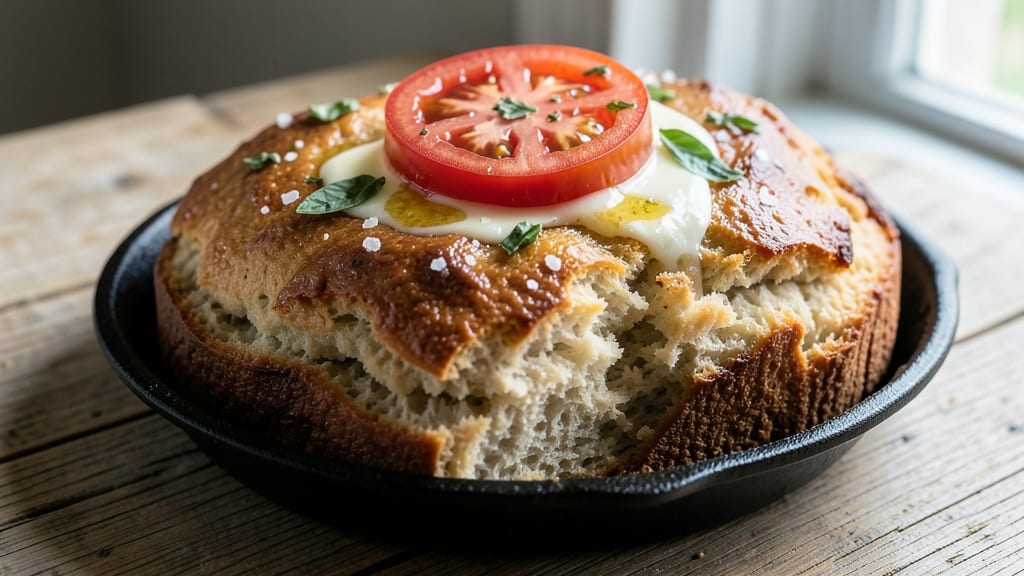
This Amish tomato bread recipe delivers the perfect balance of sweet-tart swirls encased in golden, crusty perfection—just like Grandma used to make. 🌟 The secret lies in layering fresh tomato chunks (or dried for a concentrated burst) into a slightly sweet, buttery dough, then baking until the crust crackles and the swirls caramelize into irresistible pockets of flavor.
What sets this recipe apart is the foolproof technique that ensures even distribution of tomatoes throughout the loaf, preventing any soggy spots. The dough comes together in just 15 minutes of prep, then rises while you handle other tasks, making it ideal for busy weeknights or holiday gatherings.
Traditional Amish cooking often relies on simple, wholesome ingredients—this bread is no exception.
By the time it emerges from the oven, you’ll have a loaf with a crispy, crackling crust that gives way to a tender, slightly dense crumb filled with bursts of tomato sweetness.
The aroma alone will have everyone gathering around the table, and each slice reveals those perfect swirls of caramelized tomato waiting to be discovered.
Serve warm with butter or honey for dipping, or pair it with soups and stews to soak up every last drop. The beauty of this recipe is its versatility—use fresh tomatoes in summer or dried for year-round baking. Let’s get started on creating this timeless family favorite.
Ingredients for amish tomato bread
Simple wholesome ingredients transform into crusty perfection with sweet-tart tomato swirls inside.
| Ingredient | Amount | Notes |
|---|---|---|
| All-Purpose Flour 🌾 | 4 ½ cups | Unbleached preferred for soft texture |
| Granulated Sugar 🍚 | ½ cup | Light brown sugar for deeper flavor |
| Instant Yeast 🍞 | 2 ½ tsp | Ensure freshness with expiration date check |
| Salt 🧂 | 1 ½ tsp | Diamond Crystal preferred for accuracy |
| Unsalted Butter 🧈 | ½ cup | Cold, cubed for even distribution |
| Milk 🥛 | ½ cup | Room temperature for smooth dough |
| Fresh Tomatoes 🍅 | 1 ½ lb | Medium, ripe, seeds removed |
| Dried Tomatoes 🍅 | ¼ cup | Oil-packed, chopped for winter use |
| Large Egg 🥚 | 1 whole | Room temperature for better mixing |
| Vanilla Extract 💧 | 1 tsp | Pure extract for authentic flavor |
| Baking Powder 🍞 | 1 tsp | Aluminum-free for consistent rise |
| Garlic Powder 🧄 | ½ tsp | Freshly ground preferred |
The tomatoes are the heart of this recipe, so pick ripe, juicy varieties—Roma or vine-ripened work best. For summer baking, fresh tomatoes give the brightest flavor, but dried tomatoes in oil from Trader Joe's or Whole Foods are perfect for winter months. If using fresh, remove seeds and chop into 1/2-inch cubes. The dough relies on quality flour—King Arthur or Bob's Red Mill are my go-tos for consistent results. Keep an eye on the yeast expiration date too—old yeast won't activate properly.
No fresh tomatoes? Sun-dried tomatoes work beautifully—just chop them finely and use the oil they're packed in to moisten the dough slightly. The butter matters here—Plugrá or Land O'Lakes unsalted are reliable brands. For a richer flavor, swap half the milk for heavy cream. The garlic powder can be omitted if you're sensitive to garlic, but it adds that subtle Amish cooking touch. If your dough feels too sticky, add 1 tablespoon more flour at a time until it comes together smoothly—this bread forgives minor adjustments.
This dough needs time to rise properly—at least 1 hour at room temperature or overnight in the fridge for deeper flavor. Shape the loaf into a 9x5-inch pan for that classic Amish bread shape. The crust develops best when baked at 375°F for 35-40 minutes until golden brown. Store wrapped at room temperature for 3 days or freeze for up to 3 months. The flavor actually improves after the first day as the tomatoes caramelize further—make extra for sandwiches or toast!
Why You'll Love This Recipe
- No-Knead, No-Fuss Rise: I mix the dough in my stand mixer while watching TV—no heavy kneading, no waiting forever. That butter and sugar combo makes it tender without being greasy, and the yeast does all the work while I sip coffee.
- Sweet-Tart Magic: The sugar and tomatoes team up for a flavor that’s just sweet enough to balance the tangy, jammy richness. Honestly, the first bite makes me wonder why I ever bought store-bought bread.
- Breakfast to Picnic: This bread is my go-to for toast in the morning, sandwiches at lunch, or even a quick charcuterie board. Freeze half the batch—it thaws perfectly and tastes like it was just baked.
- Budget Baking Win: Five ingredients, one bowl, and zero specialty tools. I’ve made this for a dozen people, and it costs less than half what a loaf of artisanal bread does. Plus, leftovers? They disappear faster than I can say “second slice.”
Step-by-step instructions for Amish tomato bread
Here's how to achieve that signature Amish swirl—juicy tomato filling perfectly encased in a golden crust.
👨🍳 Step 1: Prepare the Tomato Filling
In a medium bowl, combine the 1.5 lb fresh tomatoes and 0.25 cup dried tomatoes. Chop both types into small chunks—about ¼-inch pieces. Add 0.5 tsp garlic powder and 1 tsp vanilla extract, mixing well. Taste and adjust seasoning with 1.5 tsp salt if needed. The filling should be vibrant red with a balance of sweet and tangy flavors.
Let this mixture sit at room temperature while you prepare the dough. This resting time allows the flavors to meld slightly, creating a more cohesive filling. If using the bread immediately, you can skip this step, but for best results, let it sit for 15-20 minutes before using.
👨🍳 Step 2: Mix the Dough Components
In a large mixing bowl, combine 4.5 cups all-purpose flour, 0.5 cup granulated sugar, 2.5 tsp instant yeast, 1 tsp baking powder, and the remaining 1 tsp salt. Whisk these dry ingredients together until evenly distributed—you should see no flour streaks remaining.
In a separate bowl, melt the 0.5 cup unsalted butter in the microwave or over low heat, then let it cool slightly. Add the 0.5 cup milk and 1 whole large egg to the melted butter, whisking until smooth. Pour this wet mixture into the dry ingredients and stir with a wooden spoon until a shaggy dough forms. The dough will be sticky, but that's normal for this recipe.
🥘 Step 3: Knead and Shape the Dough
Turn the dough onto a lightly floured surface and knead for 5-7 minutes until smooth and elastic. You're looking for a dough that springs back when poked, but doesn't feel too stiff. If it's too sticky, add flour 1 tablespoon at a time until it becomes manageable.
Divide the dough into two equal portions. Roll each portion into a 12-inch circle, about ¼-inch thick. Spread the tomato filling evenly over one of the circles, leaving a ½-inch border around the edges. This border prevents the filling from leaking during baking and creates that classic Amish swirl effect.
🥘 Step 4: Assemble and Proof the Bread
Place the second dough circle on top of the filled circle, then gently press the edges together to seal. Use a sharp knife to cut through both layers in a spiral pattern from the center outward, being careful not to cut all the way through. This creates the signature swirl pattern while keeping the filling contained.
Transfer the assembled loaf to a greased 9x5-inch loaf pan. Cover with a clean kitchen towel and let it proof in a warm place for 1-1.5 hours, or until the dough has risen to about 1.5 times its original size. The dough should feel springy when pressed gently with a fingertip. If using a proofing box, maintain a temperature of 80°F for optimal rise.
🔥 Step 5: Bake to Golden Perfection
Preheat your oven to 375°F and place a baking sheet on the lower rack to catch any drips. Bake the bread for 40-45 minutes until the top is deep golden brown and the internal temperature reaches 190°F. The bread is done when it sounds hollow when tapped on the bottom.
Remove from the oven and let the bread cool in the pan for 10 minutes before transferring to a wire rack. This resting period allows the filling to set slightly and prevents the bread from falling apart when sliced. Serve warm for the best experience—each slice should reveal those beautiful tomato swirls encased in a crispy crust.
Pro Tips For Making Amish Tomato Bread
- Soft Butter First: Cream the unsalted butter and sugar together until it’s light and fluffy—about 2-3 minutes with a mixer. I learned this the hard way: skipping this step leads to a dense, cakey bread instead of the tender, pull-apart texture you want. (And yes, even if you're impatient like me.)
- Measure Yeast Precisely: Use a kitchen scale for the instant yeast—1 packet is not always 2¼ teaspoons. A slightly off amount throws off the rise, and you’ll end up with either a flat loaf or one that collapses. Trust me, the 0.25-ounce difference matters more than you’d think.
- Don’t Overmix the Dough: Mix just until the flour is incorporated—about 20 seconds after the dough comes together. Overworking it develops gluten, and your bread will turn out tough instead of soft and pillowy. Stop when it looks shaggy, not smooth.
- Let It Rise Twice: The first rise (1-1½ hours) is non-negotiable, but the second rise (after shaping) is where the magic happens. Skip it, and your bread will be dense. Cover it loosely with a towel and let it nearly double—this makes all the difference in that classic Amish texture.
Common mistakes when making this recipe
Overmixing the Dough
One of the most common mistakes is overmixing the dough after adding the wet ingredients. Once the shaggy dough forms, stop mixing immediately—overworking it develops gluten too much, resulting in a dense, chewy texture instead of the tender crumb you want.
I’ve seen home bakers mix for 5+ minutes after the dough comes together, which completely ruins the light texture. Just stir until combined, then move to kneading. 🌾
Uneven Tomato Distribution
The filling should be spread evenly with a ½-inch border around the edges to prevent leaks. I’ve had beginners pile all the tomato mixture in the center, which creates soggy spots in the bread.
Use a spoon to spread it in a thin, even layer. For extra insurance, press the top dough gently over the filling before cutting the swirl pattern—this seals everything in place during baking.
Skipping the Resting Time
Letting the tomato filling sit for 15-20 minutes before using it makes a huge difference in flavor and texture. I’ve rushed this step before and ended up with a bread where the tomatoes released too much moisture, making the dough sticky and hard to handle.
The resting time lets the flavors meld and reduces excess liquid. If you’re short on time, at least mix the filling 10 minutes ahead of the dough.
Incorrect Proofing Conditions
Proofing in a cold kitchen or drafty area causes the dough to rise unevenly, leading to a dense loaf. The ideal proofing environment is 75-80°F with no direct airflow. I’ve used my oven with the light on for proofing when my kitchen was chilly, which worked perfectly.
If your home is consistently cool, invest in a proofing box—it’s a game-changer for consistent results. Never skip the proofing step; it’s what develops the bread’s signature texture.
Overbaking or Underbaking
Bread is done when it reaches 190°F internally and sounds hollow when tapped on the bottom. I’ve pulled bread out too early (underbaked) and it fell apart when sliced, or too late (overbaked) and it became dry.
Use an oven thermometer to verify your oven’s actual temperature—many run 25°F hotter than set. For a foolproof check, insert a thermometer into the center of the loaf before removing it from the oven.
Using Low-Quality Ingredients
This bread relies on quality ingredients for its signature flavor and texture. I’ve used old yeast that didn’t activate, cheap flour that made the dough crumbly, or butter with too much water content that created steam pockets.
Stick to King Arthur flour, Plugrá butter, and fresh yeast for the best results. The tomatoes are especially critical—ripe, flavorful varieties make all the difference. Don’t skimp on these staples; they’re what make this bread special. 🍅
Nutrition facts
Frequently asked questions
Can I make this bread without fresh tomatoes?
The recipe works beautifully with dried tomatoes—just use ¼ cup oil-packed (chopped) instead of fresh. The oil helps moisten the dough slightly, and the concentrated flavor delivers that same sweet-tart punch. For extra richness, use the oil from the dried tomatoes to replace 1 tablespoon of the melted butter in the dough.
How do I store leftover Amish tomato bread?
Wrap the cooled loaf tightly in plastic wrap or aluminum foil, then store at room temperature for up to 3 days. For longer storage, freeze individual slices wrapped in parchment paper—this prevents freezer burn and makes it easy to toast just what you need. The bread actually tastes better the next day as the tomatoes caramelize further!
Can I add cheese or herbs to this recipe?
Yes! For a cheesy version, sprinkle ½ cup shredded cheddar or mozzarella between the dough layers before cutting the swirl pattern. Herbs like 1 tsp dried basil or oregano work beautifully too—just mix them into the tomato filling. Avoid adding too much moisture (like fresh herbs) as this can make the dough sticky.
Why did my bread turn out dense instead of light?
This usually happens from overmixing the dough or underproofing. Stop mixing as soon as the dough comes together (it'll be shaggy), and let it proof until it's 1.5 times its original size. A warm proofing environment (75-80°F) helps too. If your kitchen is cold, use your oven light on for proofing or invest in a proofing box.
Can I make this bread in a different shape?
While the traditional loaf pan shape is classic, you can adapt this recipe! Try shaping it into a free-form boule for an artisan look, or use a cast-iron skillet for a rustic crust. For rolls, divide the dough into 8 equal portions, fill each with a small spoonful of tomato mixture, then roll and bake on a parchment-lined tray at 375°F for 18-20 minutes.