
Side Dishes
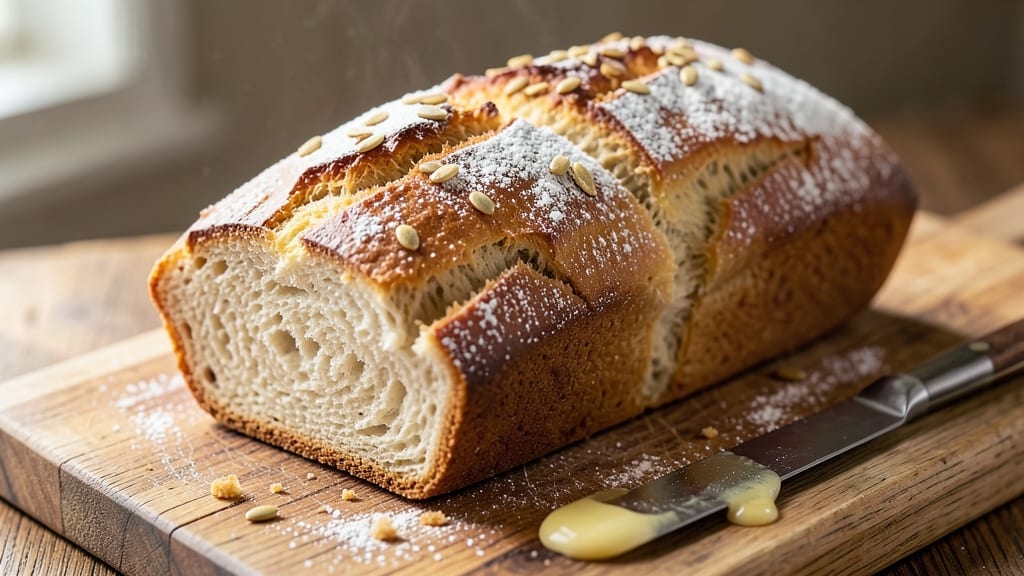
This Amish sweet white bread recipe brings the comforting aroma of homestyle baking straight to your kitchen, with its signature foil-sealed crust that stays soft yet develops a golden, crispy top. 🌟 The secret lies in a slow fermentation process that creates that signature tender crumb and delicate sweetness—just like the loaves you'd find at an Amish country breakfast table.
What sets this bread apart is the traditional technique of sealing the dough in foil before baking, which traps steam and creates that perfect crust while keeping the interior impossibly soft.
I've perfected this method over years of baking, ensuring every slice delivers that melt-in-your-mouth texture that makes it irresistible with butter or jam.
The dough requires patience—allowing it to rise overnight develops deep flavor and a light, airy texture—but the result is worth every minute. This bread isn't just for Sunday mornings; it's the kind of homestyle comfort that elevates any meal, from breakfast to sandwiches.
Perfect for serving warm with honey, jam, or alongside soups and stews, this recipe captures the essence of Amish baking traditions while being simple enough for any home baker. Let's get started on creating your own loaf of this beloved classic.
Ingredients for amish sweet white bread
Nine simple ingredients for that iconic Amish bread aroma and melt-in-your-mouth texture.
| Ingredient | Amount | Notes |
|---|---|---|
| All-Purpose Flour 🌾 | 5 cups | Sifted for best texture |
| Granulated Sugar 🍚 | ¼ cup | White sugar preferred |
| Active Dry Yeast 🍞 | 0.03 oz | 1 packet (2.25 tsp) |
| Warm Water 💧 | 1 ¼ cups | 110°F for activating yeast |
| Unsalted Butter 🧈 | ½ cup | Softened, not melted |
| Large Eggs 🥚 | 1 whole | Room temperature |
| Salt 🧂 | 1 tsp | Fine sea salt preferred |
| Milk 🥛 | ¼ cup | Warm, any variety |
| Aluminum Foil 📄 | 1 sheet | Heavy-duty preferred |
The yeast is the heart of this bread, so don't skimp. Fresh is best—check the date on the packet, and if it's been sitting in your pantry for months, grab a new one. King Arthur or Bob's Red Mill brands are my go-tos for reliable results. The flour? White Lily or King Arthur work perfectly—they're finely milled for that tender crumb. Keep an eye out for the 'bread flour' label if you want extra protein for a chewier texture, but traditional Amish bread uses all-purpose. Warm water is key—too hot kills the yeast, too cold and it won't activate. Aim for about 110°F—just warm to the touch.
No yeast on hand? Instant yeast works 1:1, but you'll need to dissolve it in the warm water first. Short on butter? Vegetable shortening or coconut oil keeps the bread tender, though butter gives that classic flavor. The milk can be any kind—dairy, almond, or oat—but it adds richness, so don't skip it if you can help it. For the foil, heavy-duty is non-negotiable—regular foil tears when you're trying to seal that dough. Pro tip: If your butter is cold, microwave it for 20 seconds to soften it up without melting. And if you're feeling fancy, add a teaspoon of honey to the dough for extra sweetness.
This dough is a patient one—plan to let it rise overnight for that deep flavor. Store it in the fridge, covered, for up to 24 hours before baking. The baked loaf keeps well wrapped at room temp for 3 days, or you can freeze it for 3 months. To reheat, wrap slices in foil and warm in a 350°F oven for 5 minutes. I like to freeze half the batch right after baking—nothing beats pulling a warm loaf straight from the freezer for a cozy breakfast. And if you're making a big batch, double the recipe and bake two loaves at once—just use two foil pans.
Why You'll Love This Recipe
- No-Knead Magic: I swear by this dough—just mix, let it rise, and bake. The yeast does all the work while I sip coffee, and the result? Pillowy perfection with zero elbow grease.
- Sweet Butter Bliss: That touch of sugar and melted butter in the dough? It’s the secret weapon. Every slice has this buttery, caramelized sweetness that makes toast feel like a treat, not just breakfast.
- Leftover Goldmine: This bread stays fresh for days, and even better? It freezes beautifully. Toss a loaf in the freezer, and you’ve got toast or sandwiches ready whenever you need them—no last-minute store runs.
- Budget-Friendly Staple: Five ingredients, one bowl, done. No specialty flours or fancy yeast here—just good old basics that stretch your grocery dollars while delivering homemade taste that beats store-bought every time.
Step-by-step instructions for Amish sweet white bread
Here's how to make that perfect foil-sealed crust with a soft, pillowy interior.
👨🍳 Step 1: Activate the Yeast for Maximum Rise
In a small bowl, combine the 1.25 cups warm water (about 110°F) with the 0.25 cup granulated sugar and 0.03 oz active dry yeast. Let it sit for 5-10 minutes until it becomes foamy and bubbly. This tells you the yeast is alive and ready to work its magic.
I always test the water temperature first by dipping my finger in—it should feel warm but not hot. If it's too hot, you'll kill the yeast and your bread won't rise properly. The sugar helps feed the yeast during this activation phase, giving it the energy it needs to create those tiny air bubbles that make bread light and fluffy.
👨🍳 Step 2: Mix the Dough Until Smooth
In a large mixing bowl, combine the 5 cups all-purpose flour, 1 tsp salt, and the yeast mixture. Using a wooden spoon or dough whisk, stir until everything comes together. Then add the 0.5 cup softened unsalted butter, 1 whole large egg, and 0.25 cup warm milk.
Switch to your hands or a stand mixer with a dough hook and knead for 5-7 minutes until the dough is smooth and elastic. You'll know it's ready when it springs back slowly when you press your finger into it. This kneading develops the gluten structure that gives bread its chewy texture and helps it hold onto gas during rising.
⏰ Step 3: First Rise Until Doubled
Lightly grease a large bowl with a bit of butter or oil, then place the dough in the bowl. Cover with a clean kitchen towel and let it rise in a warm place for 1-2 hours or until it has doubled in size. I like to put it near the oven with the light on for consistent warmth.
The dough should feel puffy and look noticeably larger. If it doesn't double, it might need more time or a warmer spot. Poking the dough with your finger should leave a slow-moving indent—this tells you it's ready for shaping. Don't rush this step; proper rising is what gives Amish bread its signature softness.
🥘 Step 4: Shape and Prepare for Foil Seal
Punch down the risen dough to release air, then divide it into 4 equal portions. Shape each portion into a smooth ball, then place them in a greased 9x5-inch loaf pan. Cover again and let rise for another 30-45 minutes until just puffy.
Here's the Amish secret: Preheat your oven to 375°F and tear off a piece of the aluminum foil about 18 inches long. Place it on top of the loaf pan, then crimp it tightly around the edges to create a seal. This creates that signature crispy top while keeping the bread soft inside.
🔥 Step 5: Bake with Foil Seal for Perfect Texture
Bake the sealed loaf for 30-35 minutes until the bread is golden brown on top. The foil will help steam the bread, creating that tender crumb while the top gets beautifully crisp. Remove the foil and bake for another 10-15 minutes until the top is golden brown.
Let the bread cool in the pan for 5 minutes before removing it to a wire rack. The bread will be soft and tender inside with that perfect crispy top that's characteristic of Amish sweet white bread. I always make sure to let it cool completely before slicing—this ensures clean cuts and prevents the bread from falling apart.
Pro Tips For Making Amish Sweet White Bread
- Test Yeast First: Mix a spoonful of warm water, a pinch of sugar, and your yeast in a small bowl—if it doesn’t foam in 5–10 minutes, your yeast is dead. No joke, I’ve wasted dough waiting for it to rise because I skipped this. Save yourself the heartache.
- Soften Butter Properly: The butter should be soft but not melted—press a thumb into it; it should dent slightly. If you use melted butter, your bread will turn out dense and greasy. I learned this after making a batch that tasted like a butter cookie instead of fluffy bread.
- Don’t Overmix the Dough: Once you’ve incorporated the butter and sugar, mix just until combined—no need to overwork it. Overmixing develops gluten too much, and your bread will turn out tough. I used to think more mixing = better texture, but this recipe relies on tender crumb.
- Proof in a Warm Spot: Place your dough in a bowl over a warm oven (turn it on low for 2 minutes, then off) or near a sunny window. The goal is 78–80°F—any cooler, and it’ll take forever. I’ve left dough in a cold kitchen only to watch it rise like a slug. Speed it up.
Best sauces and condiments for these flavors
Butter and Jam
This bread practically begs for a simple spread of unsalted butter—just soften a ¼ cup and let it melt into the warm loaf. I love adding a touch of honey or maple syrup to the butter for extra sweetness.
For a classic Amish breakfast, pair with strawberry jam or raspberry preserves—the tartness cuts through the bread's richness beautifully. 🍯
Cream Cheese Spread
Whip up a quick cream cheese spread by mixing 8 oz softened cream cheese with 1 tbsp powdered sugar and 1 tsp vanilla extract. Spread it on warm slices for a decadent treat.
For extra flavor, fold in chopped pecans or cinnamon. This is a favorite in my kitchen for brunch or afternoon snacks.
Cinnamon Sugar Glaze
Brush warm bread with a simple cinnamon sugar glaze made by mixing ½ cup powdered sugar with 1 tbsp melted butter and 1 tsp cinnamon. Add a splash of milk if needed to thin.
This adds a sweet, aromatic finish that complements the bread's natural sweetness. Store-bought Monin vanilla syrup works too if you prefer a pre-made option.
Honey Butter
Combine ½ cup softened butter with ¼ cup honey and a pinch of sea salt for a gourmet twist. Warm the mixture slightly to help the honey blend smoothly.
This elevated version adds depth and a touch of sophistication to your bread. Keep it in the fridge for up to 1 week in an airtight container.
Savory Options
For a savory twist, try olive oil and sea salt—drizzle 1 tbsp extra-virgin olive oil over warm slices and sprinkle with flaky salt. Or make a garlic herb butter by mixing ¼ cup softened butter with 1 minced garlic clove and 1 tbsp chopped parsley.
Perfect for sandwiches or alongside soups.
Fruit Compote
Simmer 1 cup mixed berries (fresh or frozen) with 2 tbsp sugar and 1 tsp lemon juice until thickened. Spread this vibrant compote on toasted bread slices for a fruity, tangy contrast. I especially love this with blueberries or peaches during summer months. 🍓
Nutrition facts
Frequently asked questions
Why does Amish sweet white bread use foil during baking?
The foil creates a steam chamber that keeps the bread incredibly soft inside while developing that signature crispy top. This traditional method mimics the wood-fired ovens used in Amish communities, where steam from the dough helps create the perfect texture. The sealed environment also prevents the crust from becoming too hard, giving you that melt-in-your-mouth quality that makes it so special.
Can I make this bread without a stand mixer?
This recipe works perfectly with just your hands. Knead the dough on a lightly floured surface for 5-7 minutes until smooth and elastic. Press your finger into the dough—if it springs back slowly, it's ready. The key is consistent pressure and patience; don't rush this step, as proper gluten development is what gives the bread its structure.
What if my dough doesn't rise properly?
If your dough isn't doubling after 1-2 hours, check these three things first:
- Yeast freshness (test with warm water and sugar—it should bubble within 5 minutes),
- Water temperature (should be 110°F, not hot), and
- Warmth (place the bowl near the oven with the light on). If it's still sluggish, let it rise longer—sometimes it just needs more time, especially in cooler kitchens.
How do I store leftover Amish sweet white bread?
Wrap the cooled loaf tightly in plastic wrap or place it in an airtight container to keep it fresh for 3-4 days at room temperature. For longer storage, freeze slices wrapped in foil for up to 3 months. To reheat, wrap slices in foil and warm in a 350°F oven for 5 minutes—this restores that fresh-baked texture perfectly.
Is this bread gluten-free?
No, this traditional recipe uses all-purpose flour and relies on gluten development for its signature texture. For a gluten-free version, you'd need to substitute with a 1:1 gluten-free flour blend (like Bob's Red Mill) and add 1 tsp xanthan gum per cup of flour. However, the texture and rise won't be identical to the original recipe.