
Side Dishes
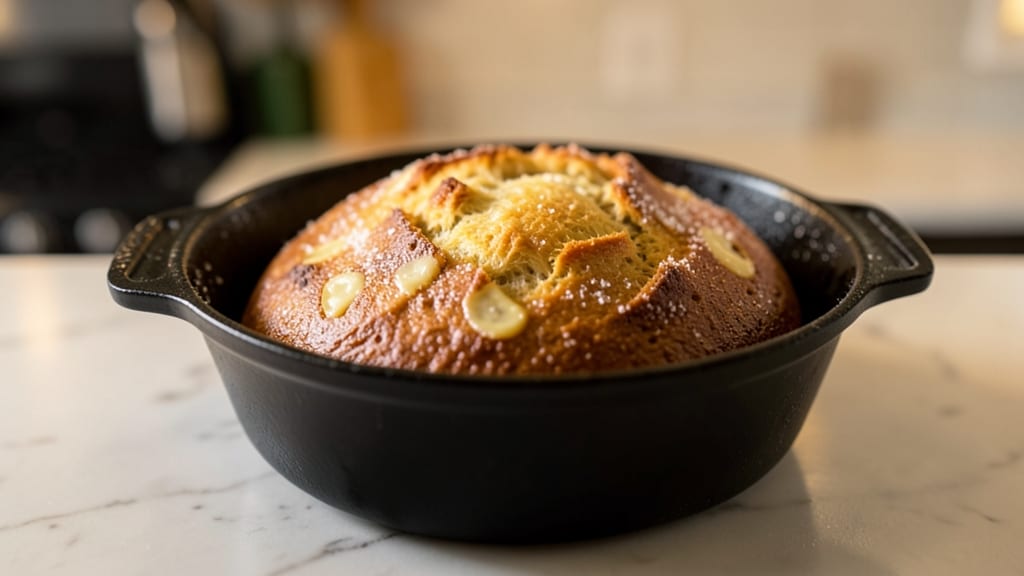
This Amish milk bread recipe with yeast delivers the pillowy softness and crispy gold crust that make it a beloved staple of Pennsylvania Dutch cuisine.
The secret lies in proper yeast activation and gentle hand-kneading—techniques passed down through generations that transform simple ingredients into bread with a tender crumb and irresistible aroma. I've perfected this method over years of baking, ensuring every loaf turns out light and airy with that signature crackly exterior.
The process begins with activating the yeast in warm milk—a key step that develops flavor and ensures proper rise. After kneading just until the dough comes together (no overworking!), we let it rest before shaping into a classic round loaf.
The Dutch oven creates steam during baking, which gives that coveted crispy crust while keeping the interior impossibly tender. This isn't just bread; it's comfort in every bite, with a texture that melts in your mouth.
What makes this recipe special is how it balances tradition with approachability—no fancy equipment needed beyond a mixing bowl and oven. The dough's natural sweetness from milk and sugar creates subtle caramel notes as it bakes, while the crust develops that perfect golden-brown finish.
Whether serving warm with butter or saving for sandwiches, each slice delivers that satisfying pull-apart quality that defines authentic Amish milk bread.
Leftovers stay fresh for days when stored properly, making this an excellent make-ahead option for family gatherings or meal prep. The cultural significance runs deep too—this bread represents the resourcefulness and simplicity of Pennsylvania Amish traditions, adapted for modern kitchens.
Ready to master this classic? Let's get started on creating bread that tastes like home.
Ingredients for amish milk bread recipe with yeast
Eight simple ingredients transform into bread with signature Amish pillowy softness and crispy gold crust.
| Ingredient | Amount | Notes |
|---|---|---|
| Active Dry Yeast 🍞 | 2 ¼ tsp | Freshly activated in warm milk |
| Whole Milk 🥛 | 1 ¼ cups | Warmed to 110°F for yeast activation |
| All-Purpose Flour 🌾 | 5 cups | Bread flour preferred for structure |
| Granulated Sugar 🍚 | ¼ cup | Light brown sugar for caramel notes |
| Unsalted Butter 🧈 | ½ cup | Cold, cubed for even distribution |
| Large Egg 🥚 | 1 whole | Room temperature for even mixing |
| Diamond Crystal Kosher Salt 🧂 | 1 ½ tsp | Adjust to taste after first rise |
| Vanilla Extract 🌸 | 1 tsp | Pure vanilla for subtle sweetness |
The yeast is the heart of this recipe—Bob's Red Mill active dry yeast is my go-to brand, but any reliable brand works. Warm the milk to 110°F (just warm to the touch) before activating the yeast—too hot kills it, too cool won't wake it up. For flour, King Arthur bread flour gives that signature tender crumb, but all-purpose works in a pinch. The butter should be cold when mixed in; let it sit at room temperature for 30 minutes before using. If you're in a hurry, microwave it for 20 seconds to soften without melting.
No bread flour? Add 1 tbsp vital wheat gluten per 5 cups all-purpose flour for better structure. Short on butter? Coconut oil works 1:1, though it lacks the rich flavor. The vanilla extract can be swapped for 1 tsp vanilla sugar if you prefer. For a sweeter loaf, increase sugar to 0.375 cup. The salt is crucial—Diamond Crystal measures differently than Morton, so use the recipe's measurement exactly. If your yeast isn't fresh, proof it first in warm water with a pinch of sugar to ensure it's active before proceeding.
Fresh yeast lasts 3 months in the fridge, but for this recipe, use it within 1 week of opening for best results. Store flour in a cool, dark place for up to 6 months, and keep butter wrapped tightly in the fridge for up to 3 months. The dough can be shaped the night before and refrigerated overnight for an even better rise. Once baked, cool the bread completely on a wire rack—cutting into warm bread makes it gummy. Wrap cooled loaves in a clean kitchen towel and store at room temperature for 3 days, or freeze for up to 3 months for freshness.
Why You'll Love This Recipe
- No-Knead Magic: The yeast does all the work—just mix, let it rise, and bake. I swear, the dough comes together faster than my coffee brews, and that’s saying something for a caffeine addict.
- Buttery Bliss: That warm, pillowy crumb? It’s the whole milk and butter whispering sweet nothings to your taste buds. Honestly, the first bite makes me question why I ever bought store bread.
- Breakfast to Picnic: Toast it for breakfast, pack slices for sandwiches, or serve it warm with jam. Between us, it’s my secret weapon for lazy mornings and potlucks—no one ever leaves with leftovers.
- Budget Stretch: A few cents’ worth of yeast and milk stretch into a loaf that feeds the whole family. I’ll be real: it’s the kind of recipe that makes grocery day feel like a victory, not a chore.
Step-by-step instructions for Amish milk bread
Master the art of tender crumb and irresistible crust with this precise method.
Activate the Yeast in Warm Milk
In a small bowl, combine the 1.25 cups whole milk with the 0.25 cup granulated sugar and warm to 110°F—just warm enough to dissolve the sugar completely but not hot enough to kill the yeast. Sprinkle the 2.25 teaspoons active dry yeast over the surface and let sit for 5-10 minutes until foamy. This activation step ensures your dough will rise properly and develop that signature Amish bread texture.
If the mixture doesn't foam after 10 minutes, your yeast may be inactive—discard and start fresh with fresh yeast. The yeast should create a noticeable foam that doubles in volume, indicating it's ready for the next step. This is the foundation of your bread's airy, pillowy structure.
Mix the Dough and Develop Gluten
In the bowl of a stand mixer fitted with the dough hook attachment, combine the 5 cups all-purpose flour and 1.5 teaspoons diamond crystal kosher salt. Add the yeast-milk mixture and mix on low speed for 1 minute until combined. Then add the 1 whole large egg and 1 teaspoon vanilla extract, mixing until fully incorporated.
With the mixer running on medium speed, gradually add the 0.5 cup cold unsalted butter, cut into small cubes, allowing it to incorporate fully. The butter should form small, pea-sized pieces throughout the dough. Mix for an additional 5-7 minutes until the dough becomes smooth, elastic, and pulls away from the sides of the bowl. This gluten development is crucial for achieving that signature tender crumb.
First Rise and Shape the Dough
Lightly grease a large mixing bowl with a small amount of the reserved butter. Transfer the dough to the bowl, cover with a clean kitchen towel, and let rise in a warm place for 1-1.5 hours, or until it has doubled in size. The dough should feel light and springy when pressed gently with a finger.
Once doubled, turn the dough out onto a lightly floured surface and divide it into 4 equal pieces. Shape each piece into a smooth, round loaf by pulling the dough toward you and sealing the seam. Place the shaped loaves back into the greased bowl, cover again, and let rise for an additional 30-45 minutes. This second rise ensures maximum volume and that signature Amish bread height.
Bake for a Crispy Gold Crust
Preheat your oven to 375°F. Line a baking sheet with parchment paper and place the risen loaves onto it, spacing them about 2 inches apart. Bake for 20-25 minutes, until the crust is a deep golden brown and sounds hollow when tapped on the bottom. The internal temperature should reach 190-200°F when measured with an instant-read thermometer.
For that coveted crispy crust, I brush the tops of the loaves with a small amount of melted butter immediately after removing them from the oven. Let the bread cool on a wire rack for 10 minutes before slicing. This resting period allows the steam to escape, preventing a gummy texture. The result should be a loaf with a crackly crust and a soft, pillowy interior that melts in your mouth.
Pro Tips For Making Amish Milk Bread Recipe With Yeast
- Warm the Milk First: Pour the whole milk into a small saucepan and heat it to about 110°F (43°C)—just warm enough to dissolve the sugar without steaming. Cold milk kills yeast faster than you’d expect, and this tiny step guarantees a faster, more reliable rise. (Yes, even if you’re impatient like me.)
- Cut the Butter Cold: Grate the unsalted butter instead of cutting it into chunks—it melts more evenly into the dough without turning it greasy. I learned this the hard way after ending up with a sticky, gummy loaf that refused to hold its shape.
- Let the Dough Rest: After kneading, cover the dough and let it sit for 30 minutes before shaping. This extra rest makes the gluten relax, so your loaves rise evenly and don’t collapse when baked. (Your future self will thank you.)
- Use a Thermometer: Bake the bread at 350°F (175°C), but check the internal temperature—it should hit 190°F (88°C) before pulling it out. Ovens lie, and underbaked milk bread turns gummy. A cheap thermometer saves you from guessing.
Wine and beer pairings for amish milk bread recipe with yeast
Sweet Milk Pairings
Amish milk bread's subtle sweetness pairs beautifully with honey-infused beverages like local Pennsylvania apple cider or spiced chai tea. I love serving warm slices with a drizzle of raw honey and a cup of hot black tea—the caramel notes in the bread complement the tea's tannins perfectly.
For a modern twist, try pairing with vanilla bean cold brew to enhance the bread's vanilla extract flavor. 🍯
Rich Coffee Companions
Dark roast coffees with low acidity—like French roast or Sumatra mandheling—cut through the bread's richness without overpowering it. I recommend a strong pour-over or espresso-based drink to balance the bread's buttery texture.
For a dessert-like pairing, add a splash of heavy cream to your coffee and serve with a slice of bread lightly toasted with cinnamon sugar.
Creamy Beer Matches
Creamy, malty American pale ales or Belgian witbiers work surprisingly well with this bread. Look for beers with vanilla or caramel notes, like Allagash White or New Belgium Voodoo Ranger.
The beer's effervescence cleanses your palate between bites, while the bread's softness contrasts nicely with the beer's crisp finish. Avoid hoppy IPAs—they'll overpower the bread's delicate sweetness. 🍺
Wine for Special Occasions
For a celebratory touch, pair with off-dry Riesling or Moscato d'Asti—their honeyed sweetness mirrors the bread's natural caramelization. The wine's acidity also helps balance the butter's richness. If you prefer dry wines, a Chardonnay with minimal oak (like California Central Coast) provides a buttery contrast without competing flavors.
Serve both at room temperature for optimal flavor pairing.
Unexpected Non-Alcoholic Options
Don't overlook sparkling fruit teas or ginger beer for a refreshing contrast. The effervescence enhances the bread's airy texture, while the ginger's spice complements the vanilla. For a kid-friendly option, serve with strawberry milk—the fruitiness pairs surprisingly well with the bread's subtle sweetness.
This combination is a hit at family gatherings! 🍓
Nutrition facts
Frequently asked questions
Why does Amish milk bread need yeast activation in warm milk?
Activating yeast in warm milk (around 110°F) ensures it's alive and ready to work. This step develops flavor and guarantees proper rise—cold milk would slow the yeast down, while hot milk could kill it. The warm milk also helps dissolve sugar faster, giving your bread that signature tender, airy texture.
Can I make this bread without a stand mixer?
Use a large bowl and your hands for kneading. Mix the dough by hand until it becomes smooth and elastic (about 8-10 minutes of vigorous kneading). The key is to develop gluten properly—test by pulling a piece of dough; if it stretches thin without tearing, it's ready. A wooden spoon works well for mixing wet ingredients first.
What if my dough doesn't rise properly?
Check these common issues: yeast may be old (test it first in warm water with sugar), the milk was too hot/cold, or the dough was kneaded too much. For a second rise, place the dough in a warm oven with a bowl of boiling water on the bottom to create steam. If all else fails, try fresh yeast or let the dough rise longer in a warmer spot.
How do I store leftovers to keep them fresh?
Cool the bread completely, then wrap each loaf tightly in plastic wrap or place in an airtight container. Store at room temperature for up to 3 days, or freeze for 3 months. To revive frozen bread, thaw at room temperature for 1-2 hours or warm in a 350°F oven for 10 minutes wrapped in foil.
Can I add other flavors to this recipe?
Yes! Try adding 1 tsp cinnamon or zest of 1 lemon to the dough for subtle variations. For a sweeter version, swap 0.125 cup of the milk for orange juice. Just be mindful not to overpower the bread's delicate balance—start with small amounts and adjust to taste.