
Side Dishes
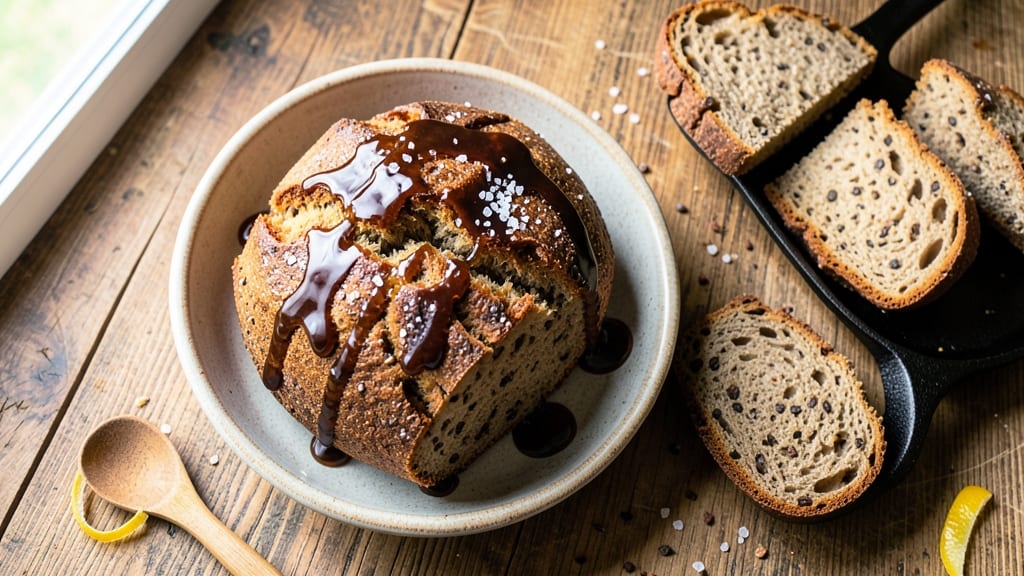
This American rye bread recipe delivers the deep caramel and molasses richness you crave without the labor of traditional kneading. The secret lies in a precise blend of rye flour and molasses that creates a dense, hearty loaf with a perfect balance of sweetness and earthy depth.
I've perfected this method over years of baking, ensuring every slice has that signature chewy texture and robust flavor that makes rye bread a staple.
The beauty of this recipe is its simplicity—no kneading required, just a few key steps that transform basic ingredients into restaurant-quality bread. We'll use a combination of dark rye flour and whole wheat flour for structure, while molasses and brown sugar add that signature caramel sweetness.
The dough ferments overnight, developing complex flavors that set this bread apart from store-bought versions.
By the time you pull that golden-brown loaf from the oven, you'll have a loaf with a crisp crust and a tender, moist interior that's perfect for slicing thick.
This bread shines as a sandwich base, toasted with butter, or paired with sharp cheeses. The flavor deepens as it sits, making it even more satisfying the next day.
Whether you're baking for a family gathering or simply treating yourself to homemade bread, this recipe delivers professional results with minimal effort. Let's get started on creating your perfect loaf of American rye bread.
Ingredients for american rye bread
Rye flour, molasses, and a touch of honey—these are the stars of your bold, no-knead loaf.
| Ingredient | Amount | Notes |
|---|---|---|
| Dark Rye Flour 🌾 | 3 cups | For authentic rye flavor and depth |
| Whole Wheat Flour 🌾 | 1 cup | Adds structure and chewiness |
| All-Purpose Flour 🌾 | 1 cup | Balances texture and rise |
| Unsalted Butter 🧈 | ½ cup | Cold, cubed for flavor |
| Molasses 🍯 | ½ cup | Dark, robust variety preferred |
| Brown Sugar 🍚 | ½ cup | Light or dark, packed |
| Active Dry Yeast 🍞 | ½ tsp | Ensure freshness with date check |
| Warm Water 💧 | 1 ½ cups | 110°F for ideal yeast activation |
| Salt 🧂 | 1 ½ tsp | Kosher or sea salt preferred |
| Honey 🍯 | 1 tbsp | For subtle sweetness and yeast feed |
| Cornmeal 🌽 | ½ cup | For dusting and crust texture |
| Coarse Sugar 🍚 | ¼ cup | For oven spring and caramelization |
The rye flour is non-negotiable here—King Arthur or Bob's Red Mill are my go-tos for that deep, earthy flavor. Store-bought rye bread can't compare to the real deal, so skip the shortcuts. If you're new to rye baking, grab a small bag first—this stuff is potent. The molasses? Grocery store brands work fine, but if you can find Blackstrap at a specialty shop, your bread will sing. And don't even think about skipping the whole wheat flour—it's what gives that signature chewy bite. For the yeast, check the expiration date—old yeast is like a bad date, it just won't deliver.
No dark rye flour? Substitute half with pumpernickel flour if you're desperate, but the flavor won't be the same. Short on molasses? Maple syrup at half the amount adds sweetness, but you'll lose that caramel depth. The butter can be swapped for vegan butter or coconut oil if needed—just don't skip the fat entirely. For the sugar, turbinado sugar works too, but brown sugar gives that classic caramel note. Pro tip: Toast your whole wheat flour in a dry pan for 5 minutes before mixing—it deepens the nuttiness and cuts the raw flour taste. The honey is optional but worth it for that extra layer of complexity.
This dough is a patient recipe—ferment overnight for maximum flavor. Store your mixed dough in a covered bowl in the fridge, and let it come to room temp before shaping. The shaped loaf keeps 3 days wrapped at room temp, or 1 week in the fridge. For longer storage, freeze slices wrapped in parchment—perfect for quick toast. And trust me, the flavor improves after 24 hours. That's when the molasses really starts to shine.
Why You'll Love This Recipe
- No-Knead Magic: I swear by this—just mix the dark rye flour with warm water and let it sit overnight. The dough practically does all the work while you sleep. That molasses in the mix? It’s the secret to a caramelized crust that’s ridiculously easy to achieve.
- Molasses Kiss: Between us, this bread is dangerously good. The molasses cuts through the earthy rye, balancing it with a deep, almost sweet warmth. Toast it with butter, and you’ve got a breakfast that’ll make your coffee taste even better.
- Weeknight & Weekend: This bread is my go-to for sandwiches and dinner rolls. Use it for Reuben sliders on a Tuesday, or pull it out for a holiday brunch. The whole wheat keeps it hearty, while the all-purpose gives it that soft, satisfying bite.
- Budget-Friendly Staple: A single batch feeds my family for days—think toast, sandwiches, or even breadcrumbs for meatballs. The rye flour’s cheaper than you’d think, and that butter? A little goes a long way. Plus, it freezes like a dream, so you’re always covered.
Step-by-step instructions for American rye bread
This no-knead method delivers deep molasses flavor and crisp caramel crust every time.
Mix Wet Ingredients and Activate Yeast
In a large bowl, combine the 1.5 cups warm water, 1 tbsp honey, 0.5 cup molasses, 0.5 cup brown sugar, and 1.5 tsp salt. Stir until everything dissolves completely—you should see a rich, dark liquid with no grainy bits. The molasses will add that signature deep flavor, while the honey helps feed the yeast and balances the intensity.
Next, sprinkle the 0.5 tsp active dry yeast over the surface and let it sit for 5-10 minutes until you see bubbles forming and the mixture becomes frothy. This proves your yeast is alive and ready to work. If it doesn't bubble, your yeast might be old—start fresh with a new packet.
Combine Dry Ingredients and Form Dough
In a separate bowl, whisk together the 3 cups dark rye flour, 1 cup whole wheat flour, and 1 cup all-purpose flour. The rye flour gives that authentic tang, while the whole wheat adds chewiness. Gradually add this flour mixture to your wet ingredients while stirring with a wooden spoon or dough whisk.
Once combined, add the 0.5 cup cold cubed unsalted butter. The cold butter will create pockets of flavor as it melts during baking. Mix until the dough comes together—it'll be sticky but not wet. If it feels too dry, add 1-2 tablespoons warm water; if too sticky, sprinkle in 1 tablespoon flour. The dough should hold its shape when pressed but still be soft.
Let Dough Rest for Deep Flavor Development
Lightly grease a 9x5-inch loaf pan with butter or oil, then dust it generously with 0.5 cup cornmeal—this prevents sticking and adds texture. Transfer your dough to the pan, pressing it down gently to fill the corners. Cover the pan tightly with plastic wrap or a damp towel.
Let the dough rest at room temperature for 1 hour, then refrigerate for 8-12 hours (overnight works best). This long fermentation develops complex flavors and improves texture. The dough will rise slightly but won't double—this is normal for rye bread. The cold slows fermentation, creating a more controlled rise and deeper flavor.
Preheat and Bake to Caramel Perfection
Preheat your oven to 375°F and place a baking sheet on the lower rack. Sprinkle the 0.25 cup coarse sugar evenly over the dough—this creates that beautiful caramelized crust. Bake for 50-55 minutes until the top is deep golden brown and a toothpick inserted comes out clean. The sugar will caramelize, adding sweetness that balances the molasses.
For extra crispiness, transfer the loaf to the preheated baking sheet for the last 5 minutes of baking. This step ensures a crackly crust while keeping the interior moist. Let the bread cool in the pan for 10 minutes, then transfer to a wire rack. The crust will firm up as it cools, but the interior will remain tender and flavorful.
Slice and Serve for Maximum Enjoyment
Once completely cooled, slice the bread with a serrated knife for clean cuts. The interior should be dense with a subtle crumb, while the crust remains crisp. Serve warm with butter or jam—this bread shines when slightly warmed. Store leftovers wrapped in a clean towel at room temperature for up to 3 days, or freeze for longer storage. The flavor actually improves over time!
Pro Tips For Making American Rye Bread
- Soften the Butter First: Cold butter in rye dough means tough bread—no one wants that. Warm the butter to room temp (about 20 minutes out of the fridge) so it incorporates smoothly into the wet ingredients. I learned this the hard way after kneading a lumpy mess that never rose properly.
- Mix Molasses Last: Molasses is acidic and can kill yeast if added too early. Stir it into the wet ingredients right before combining with the dry mix—this keeps your dough lively and prevents a bitter, flat loaf. (Yes, even if you’re impatient like me.)
- Don’t Over-Knead the Dough: Rye dough is dense and doesn’t need much handling—overworking it turns the crumb gummy. Knead just until the ingredients come together (about 5-6 minutes by hand), then let the gluten relax during the bulk ferment. I used to go overboard, and the bread suffered for it.
- Use a Dutch Oven for Crust: Skip the steam trick—just bake your rye bread in a preheated Dutch oven. The heavy metal traps moisture, giving you a crisp crust without the hassle of spraying water. (And no, your regular baking dish won’t cut it.)
Creative variations of this american rye bread
Sweet Molasses Twist
For a sweeter loaf, add ¼ cup blackstrap molasses to the wet ingredients and swap the coarse sugar for ½ cup turbinado sugar. This variation creates a deeper caramelized crust with a pronounced molasses kick.
I love this version with blueberry jam or as a base for cinnamon rolls. 🍯
Savory Herb Version
Transform your rye into a savory loaf by omitting the honey and adding 1 tbsp dried rosemary and 1 tsp caraway seeds to the dry ingredients. Use ½ cup whole milk instead of water for a richer dough.
This version pairs beautifully with sharp cheeses like aged Gouda or smoked salmon. 🌿
Whole Grain Boost
Replace ½ cup of the dark rye flour with ½ cup rolled oats for added texture and nuttiness. Pulse the oats in a food processor for a finer crumb.
This variation creates a denser, heartier loaf with a satisfying bite. I often toast the oats first to enhance their flavor. 🌾
Seeded Crunch
Add ¼ cup mixed seeds (sunflower, flax, or sesame) to the dough before baking for extra crunch. Sprinkle them on top before the final 5 minutes in the oven. This version is perfect for breakfast with almond butter or as a base for open-faced sandwiches. 🌰
Gluten-Free Adaptation
For a gluten-free version, substitute the flours with 1 cup gluten-free all-purpose flour blend, 1 cup gluten-free dark rye flour, and ½ cup ground almonds.
Use 1 tbsp xanthan gum to bind the dough. The texture will be slightly denser but still delicious with avocado spread or hummus. 🌱
Regional Rye Twists
In the Midwest, add 1 tsp cinnamon and ½ tsp nutmeg for a spiced rye that’s perfect with apple butter. Southern bakers often include 1 tbsp coffee granules for a mocha-inspired loaf. Each regional variation keeps the classic rye flavor while adding local flair. 🗺️
Nutrition facts
Frequently asked questions
Why does American rye bread need such a long fermentation?
The overnight cold fermentation is key for developing that deep, complex flavor. The slow process allows the molasses and rye flour to mellow while building gluten structure for a perfect chewy texture. Skipping this step results in a denser, less flavorful loaf. Think of it as letting the flavors marry—just like a fine wine!
Can I make this rye bread without a loaf pan?
Shape the dough into a round boule or oval and bake on a parchment-lined sheet. For extra crust, sprinkle coarse sugar on top before baking. The texture will be slightly different but still delicious. Just reduce baking time by 5-10 minutes since it won't trap heat like a pan.
What's the best way to store homemade rye bread?
Wrap cooled slices in parchment paper and store in an airtight container at room temperature for 3 days. For longer storage, freeze slices wrapped individually—they'll toast perfectly from frozen. The flavor actually improves over time as the molasses continues to develop!
Why did my rye bread turn out dense instead of chewy? This usually happens from under-proofing or too much rye flour.
Can I substitute regular rye flour for dark rye?
Regular rye flour lacks the deep flavor and color of dark rye. For best results, use dark rye flour, but if you must substitute, mix 2 cups regular rye with 1 cup whole wheat flour and add 1 tbsp molasses to compensate for the flavor difference. The texture will be slightly lighter.