
Breakfast & Brunch
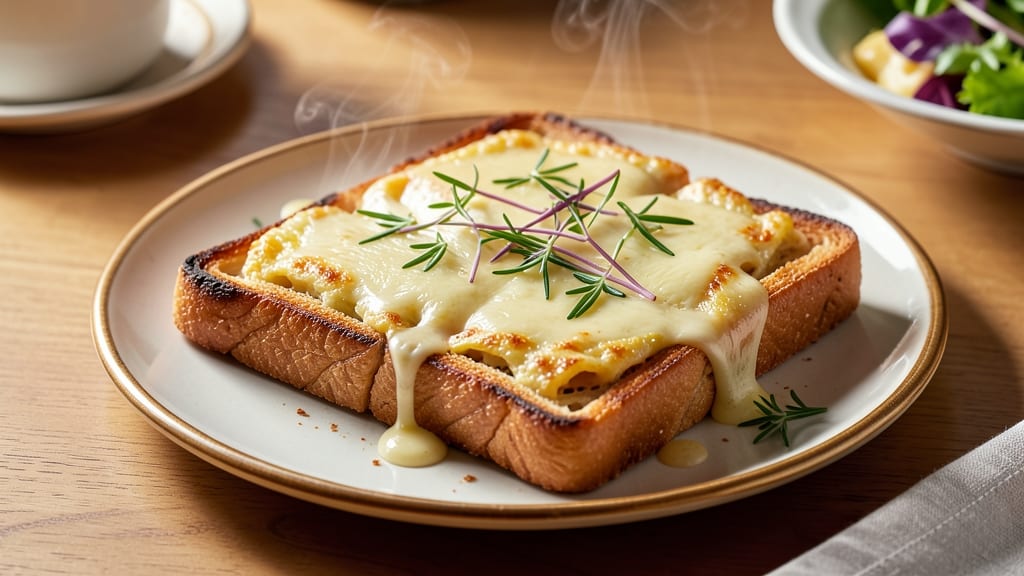
Mastering the Alsa Mall bread omelette transforms breakfast into an elegant, textured experience where flaky layers meet perfectly set eggs. The secret lies in foil-sealing the omelette to lock in juices while achieving that signature crispness at the edges—no fancy equipment required.
This technique, inspired by Alsatian culinary traditions, delivers restaurant-quality results with minimal effort, making it ideal for both weekdays and weekend brunches.
The foundation of this dish is a crepe pan method that ensures even cooking and delicate layers, paired with Alsace-style bread—whether it's a soft brioche or hearty flatbread—to soak up every last bit of the rich egg filling.
Herbs like chives or tarragon add brightness, while a sprinkle of Gruyère cheese introduces a nutty depth that ties everything together. The foil-sealing step guarantees a tender interior without drying out the eggs, a common pitfall in home cooking.
What you’ll end up with is a foil-sealed omelette that’s golden on the outside and velvety within, served alongside warm bread to complete the meal. The flaky layers contrast beautifully with the eggs’ creamy texture, creating a balance that’s both satisfying and refined.
Pair it with a strong black coffee or a light sparkling wine to elevate the experience further—this is breakfast as it should be: elegant, flavorful, and foolproof.
Perfect for brunch gatherings or a special weekend treat, this recipe scales effortlessly while maintaining its delicate texture and rich flavor. Once you try it, you’ll never settle for a basic omelette again. Let’s get started on creating this showstopping dish.
Ingredients for alsa mall bread omelette
Six eggs, Alsace bread, and a touch of Gruyère create this restaurant-worthy breakfast masterpiece.
| Ingredient | Amount | Notes |
|---|---|---|
| Large Eggs 🥚 | 6 whole | Fresh, room temperature preferred |
| Alsace-Style Bread 🍞 | 4 slices | Brioche or flatbread, thinly sliced |
| Gruyère Cheese 🧀 | ½ cup | Freshly grated, aged variety preferred |
| Fresh Chives 🌿 | ¼ cup | Finely chopped, for garnish |
| Fresh Tarragon 🌿 | 0.15 cup | Finely chopped, or substitute tarragon leaves |
| Unsalted Butter 🧈 | 2 tbsp | European-style, for crepe pan |
| Heavy Cream 🥛 | ¼ cup | Full-fat for richness |
| Diamond Crystal Kosher Salt 🧂 | ½ tsp | Fine grain preferred |
| Freshly Ground Black Pepper 🌶️ | ¼ tsp | For seasoning |
| Aluminum Foil 📄 | 1 sheet | Heavy-duty, for sealing |
| Extra-Virgin Olive Oil 🫒 | 1 tbsp | For bread toasting |
The Gruyère cheese is non-negotiable here—its nutty depth is what makes this omelette stand out. Local specialty shops or high-end grocers carry the best aged varieties, but even a good supermarket selection works if it's labeled 'aged' or 'old-fashioned'. For the bread, Alsace-style brioche or flatbread from a French bakery delivers that perfect flaky texture, though any crusty bread in thin slices will suffice. If you can't find fresh chives, substitute green onions at double the amount—they bring a similar brightness. The key is toasting the bread slices in butter until they're crisp at the edges while staying tender inside.
No Gruyère on hand? Comté or Emmental cheese provides a similar melt and flavor profile, though Gruyère's complexity is ideal. Fresh herbs wilt fast, so store them in damp paper towels in the fridge—they'll last up to 5 days. For the eggs, room temperature is critical—cold eggs won't incorporate properly. The heavy cream adds luxurious texture, but half-and-half works in a pinch. If you're making this ahead, whisk the eggs and store them separately—just add the cheese and herbs when ready to cook. The foil-sealing technique ensures the eggs stay moist; don't skip this step even if you're not serving immediately.
This omelette reheats beautifully—5 minutes at 350°F in the oven restores its crisp edges. Store leftovers in an airtight container for up to 2 days, though the texture softens slightly. For serving, toast fresh bread slices alongside the omelette—it's essential for that Alsatian brunch experience. The foil-sealed method means you can prepare it ahead and finish cooking just before serving, making it perfect for brunch gatherings. Keep the foil-sealed portions in the fridge until ready to crisp in the pan.
Why You'll Love This Recipe
- Five-Ingredient Magic: I swear, this omelette uses five things—eggs, crusty Alsace bread, Gruyère, chives, tarragon—and somehow feels like a restaurant dish. No measuring cups, no fancy techniques, just crack, tear, and fold.
- Gruyère Glamour: That melted Gruyère? It’s the star—nutty, rich, and it turns the bread into crispy little pockets of gold. Honestly, I’d eat it plain if I had to, but the tarragon and chives make it sing.
- Breakfast or Lunch: Make it for brunch with a side of jam, or pack it cold for lunch with a sprinkle of salt. My college-aged kid snags leftovers for "gourmet" sandwiches—no shame in that.
- Leftovers That Don’t Suck: Unlike most omelettes, this holds up for days. Reheat slices in a skillet for a quick protein boost, or toss cold cubes into salads. (Yes, even on a Tuesday night.)
Step-by-step instructions for Alsace-style bread omelette
Master this technique for perfectly flaky layers and a juicy, foil-sealed finish every time.
Prepare the Bread for Maximum Flakiness
Toast the 4 slices of Alsace-Style Bread in a dry skillet over medium heat for 1-2 minutes per side until golden brown and crisp. This step is critical—it prevents soggy bread while creating that signature flaky texture. Transfer the toasted slices to a plate and immediately brush both sides with 1 tablespoon extra-virgin olive oil while still warm. The oil will penetrate the toasted surface, ensuring each layer stays distinct and crispy.
While the bread cools slightly, whisk together the 6 whole Large Eggs, 0.25 cup heavy cream, 0.5 teaspoon Diamond Crystal Kosher Salt, and 0.25 teaspoon freshly ground black pepper in a large bowl until just combined. I use a fork for this—overmixing incorporates too much air, which can make the omelette dense. The mixture should look smooth but slightly ribbed from the whisking.
Create the Foil-Sealed Base
Cut a 12-inch square from the 1 sheet aluminum foil and place it on a clean work surface. Arrange the toasted bread slices in a single layer on the foil, slightly overlapping if needed to cover the bottom completely. This creates a sturdy base that will hold the omelette together during cooking. Sprinkle half of the 0.5 cup freshly grated Gruyère Cheese evenly over the bread, followed by half of the 0.25 cup finely chopped fresh chives and 0.15 cup finely chopped fresh tarragon. These herbs will infuse the omelette with bright, aromatic flavors.
Pour the egg mixture evenly over the bread, tilting the foil gently to distribute it into an even layer. The liquid should pool slightly in the center—this ensures the eggs fully encapsulate the bread when folded. Dot the surface with the 2 tablespoons unsalted butter, cutting each piece into small cubes for even melting.
Seal and Cook for Perfect Texture
Fold the foil over the omelette, pressing down firmly to seal all edges completely. This creates a steam chamber that locks in moisture while allowing the eggs to cook gently. Place the sealed package on a baking sheet and bake at 350°F for 20-25 minutes, until the top is set and the edges are lightly golden. The foil prevents the omelette from drying out, ensuring each slice remains tender and juicy.
Remove the omelette from the oven and let it rest for 5 minutes before unfolding. The residual heat will finish cooking the center while the foil seal preserves the flaky layers. Cut into wedges and serve immediately—each bite should deliver crispy bread, creamy eggs, and melted Gruyère with bright herb notes. The foil-sealed method guarantees a restaurant-quality result at home.
Pro Tips For Making Alsa Mall Bread Omelette
- Toast the Bread First: I learned this the hard way—skipping the toast makes the bread soggy instead of crispy. Pop those Alsace-style slices under the broiler for 2-3 minutes until golden, then let them cool slightly before folding into the omelette. The extra crunch is worth the 5-minute wait.
- Use Room-Temp Eggs: Cold eggs from the fridge scramble unevenly and can make the omelette dense. Crack them into a bowl and let them sit for 10 minutes before whisking—this ensures a light, fluffy texture that actually holds the Gruyère and herbs.
- Don’t Overfill the Pan: I was skeptical until I tried it: a crowded omelette steams instead of browning. Whisk the eggs first, then fold in just enough bread cubes and cheese to cover half the pan. The edges will set faster, and the center stays creamy.
- Sauté Herbs Separately: Fresh tarragon and chives burn in seconds if tossed in raw. Quickly wilt them in a dry pan over medium heat for 20 seconds until just softened, then sprinkle over the omelette at the end. Their bright flavor stays intact, and you avoid bitter bits.
Storing and reheating this recipe
Fridge Storage Secrets
Store your foil-sealed omelette in an airtight container lined with parchment paper to preserve its flaky layers. The foil seal already locks in moisture, but adding parchment prevents sticking. Keep it refrigerated for up to 2 days—just reheat at 350°F for 5 minutes to restore crisp edges.
I always wrap the bread slices separately in foil before assembling to maintain their texture overnight. 🥪
Freezer-Friendly Method
For longer storage, assemble the omelette as directed but skip the final baking step. Instead, seal it completely in heavy-duty foil and freeze for up to 1 month.
When ready to eat, thaw overnight in the fridge, then crisp in a non-stick skillet over medium heat for 3-4 minutes per side. This method works best for the bread layers—just add fresh herbs after reheating. 🧊
Reheating Like a Pro
For stovetop reheating, place the foil-sealed omelette in a skillet over medium-low heat for 4-5 minutes until the foil bubbles and the edges crisp. The residual heat from the oven finish ensures even warming.
If using leftovers, toast fresh bread slices alongside it—the contrast of warm, crispy bread with creamy eggs is key. I avoid microwaving because it turns the bread soggy. 🔥
Bread Textures Matter
Reheating the bread separately is non-negotiable. Toast slices in butter for 1 minute per side right before serving to maintain their flaky, crispy texture. If storing bread separately, wrap it in paper towels in an airtight bag to absorb excess moisture.
The foil-sealed omelette reheats best at 350°F for 5 minutes—just enough to warm through without overcooking the eggs. 🍞
Make-Ahead Brunch Hack
Prepare the omelette up to the foil-sealing step the night before. Store the assembled (but unbaked) omelette in the fridge, then seal and bake fresh in the morning. This is perfect for brunch gatherings—just add fresh herbs after baking.
For extra flakiness, brush the bread slices with melted butter before assembling. The foil-sealed method keeps everything intact until serving. ⏰
Nutrition facts
Frequently asked questions
Can I make this omelette without foil?
The foil-sealing technique is what creates that signature flaky texture and juicy interior. Without it, the eggs may dry out or become rubbery. For a similar effect, try using a parchment-lined baking dish with a tight-fitting lid, or cook the omelette in a non-stick skillet over low heat with a lid on for the last 5 minutes. Just expect slightly less flakiness in the bread layers.
What's the best way to reheat leftovers?
Always reheat the omelette in the oven at 350°F for 5 minutes to restore crisp edges. For the bread, toast fresh slices in butter for 1 minute per side right before serving—this maintains that essential flaky texture. Avoid microwaving, as it turns the bread soggy and makes the eggs gummy. The foil-sealed method means you can reheat portions without losing quality.
Can I substitute the Alsace bread?
Any crusty, artisanal bread works well—baguette slices, sourdough, or even a good-quality brioche. The key is thin slices that toast crisply. For extra flakiness, brush the toasted bread with melted butter before assembling. Avoid soft breads like white sandwich bread, as they won't hold up to the foil-sealing process and may become mushy.
Why does the omelette stick to the foil? This happens when the foil isn't properly sealed or the edges aren't pressed firmly.
Can I add other fillings besides cheese and herbs?
Try caramelized onions, crispy bacon bits, or sautéed mushrooms for extra flavor. For a vegetarian version, add spinach and feta. Just be mindful of moisture levels—watery fillings like tomatoes can make the bread soggy. Always pre-cook any fillings and drain excess liquid before adding them to the omelette.