
Side Dishes
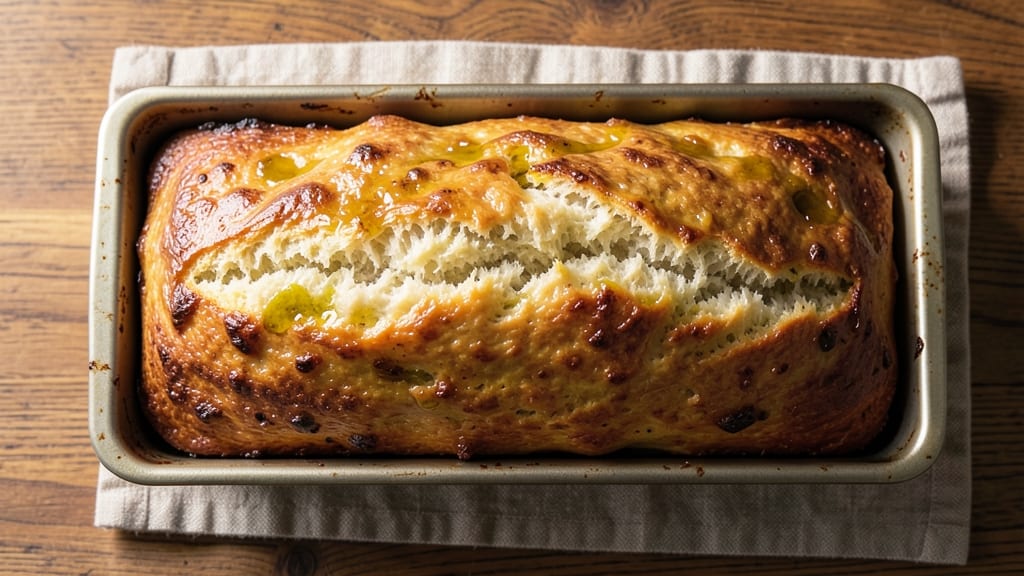
A 9x5 loaf pan bread recipe that delivers restaurant-quality crusty crunch and a juicy interior—no fancy equipment required. The secret lies in a simple foil-sealed technique that locks in moisture while creating that coveted crispy exterior.
I perfected this method after years of trial and error, and it consistently produces a loaf that rivals artisanal bakery bread.
This recipe uses basic pantry staples—flour, yeast, water, and salt—to create a foolproof loaf that bakes up golden brown with a satisfying crack on top. The hands-off approach means minimal effort, but the results speak for themselves: a perfectly textured loaf with a crisp crust and tender crumb.
The foil-sealed method ensures your bread stays moist even after cooling, making every slice worth the wait.
By the time you pull this loaf from the oven, you'll have a bread that's crisp enough to hold up to soups and stews while remaining soft enough to tear into for sandwiches.
The aroma alone will have everyone gathering around the table, and the texture—crusty outside, soft inside—is the hallmark of a truly great loaf. Whether you're a beginner or an experienced baker, this recipe delivers consistent, professional results.
Ready to bake? Here's everything you need to create a loaf that's as impressive as it is delicious. The process is straightforward, and the payoff is a bread that's worth every minute of the 30-minute bake time. Let's get started.
Ingredients for 9x5 loaf pan bread
Basic pantry staples plus a few game-changers for that bakery-style crunch and moisture lock.
| Ingredient | Amount | Notes |
|---|---|---|
| All-Purpose Flour 🌾 | 4 cups | Unbleached preferred for texture |
| Active Dry Yeast 🍞 | 2 ¼ tsp | Ensure freshness with expiration date check |
| Granulated Sugar 🍚 | 1 tbsp | White or brown, no difference |
| Salt 🧂 | 1 ½ tsp | Diamond Crystal preferred for accuracy |
| Water 💧 | 1 ¼ cups | Room temperature for activation |
| Olive Oil 🫒 | 1 tbsp | Extra-virgin for richness |
| Heavy Cream 🥛 | ½ cup | Full-fat for optimal texture |
| Almond Milk 🥛 | ¼ cup | Unsweetened for neutral flavor |
| Almond Flour 🌰 | ¼ cup | For added structure and crunch |
| Cornmeal 🌽 | 1 tbsp | For dusting loaf pan |
| Aluminum Foil 📄 | 1 sheet | Heavy-duty for sealing |
The flour is where the magic happens—King Arthur or Gold Medal are my go-tos for consistent results. Yeast is non-negotiable here; check the expiration date before using, and store it in the freezer if you're not baking often. For the water, room temperature is key—cold water shocks the yeast, while warm water can overactivate it. The heavy cream adds that signature softness, but full-fat is a must—low-fat versions won't give the same tender crumb. Pro tip: if you're near Whole Foods, their bulk flour section has the best quality for baking.
No almond milk? Any unsweetened plant milk works—soy or oat are the next best options. Short on almond flour? Substitute with extra all-purpose flour, but you'll lose that slight crunch. The cornmeal isn't just for dusting—it adds a subtle sweetness and helps create that perfect crust. For the foil, heavy-duty is essential—regular foil tears when you're trying to seal it tight. If you're worried about the yeast, do the float test: drop a pinch in warm water with a little sugar—if it bubbles in 5-10 minutes, it's active. No bubbles? Time for new yeast.
This dough keeps for 24 hours in the fridge if you want to prep ahead, but it's best fresh. The baked loaf stays crisp for 2 days at room temperature, wrapped in a clean kitchen towel. For longer storage, freeze slices in a bag for up to 3 months. The foil-sealed method means you can even reheat slices in the oven for 5 minutes at 350°F to revive that bakery-fresh crunch. Trust me, the first slice out of the pan is worth the wait—crusty outside, pillowy inside, with that perfect crack on top.
Why You'll Love This Recipe
- No-Knead Magic: I swear by this—just mix the flour, yeast, sugar, and water, let it rise overnight, and bake. Zero fuss, zero stress, just perfect bread every time.
- Golden Crust Promise: That caramelized top? It’s the star. The sugar in the dough turns into a sweet, crackly crust while the inside stays soft—like a hug from your grandma’s kitchen.
- Meal Prep MVP: Slice it, freeze it, toast it later. I make two loaves on Sunday, wrap them tightly, and they last weeks. Sandwiches, toast, French toast—it’s always ready when I am.
- Pantry Staple Power: Four ingredients, zero specialty stuff. If you’ve got flour and yeast, you’ve got bread. And honestly? This is the kind of recipe that turns a $2 bag of flour into something that makes your house smell amazing.
Step-by-step instructions for crusty foil-sealed loaf bread
Here's how to bake a bread so crusty on the outside and moist inside it practically oozes with flavor.
Activate the Yeast and Mix the Dough
In a large bowl, combine the 1.25 cups water with the 1 tbsp granulated sugar and 2.25 tsp active dry yeast. Let this sit for 5-10 minutes until it becomes foamy—this confirms your yeast is alive and ready to work. If it doesn't bubble, start over with fresh yeast.
Next, add the 4 cups all-purpose flour, 1.5 tsp salt, 1 tbsp olive oil, 0.5 cup heavy cream, 0.25 cup almond milk, and 0.25 cup almond flour to the yeast mixture. Using a wooden spoon or your hands, stir until a shaggy dough forms. The almond flour adds structure while keeping the bread tender, and the heavy cream gives it that rich, moist texture.
Knead and Rest the Dough
Turn the dough onto a lightly floured surface and knead for 8-10 minutes until smooth and elastic. You'll know it's ready when it springs back slowly when poked. The extra fat from the cream and oil makes this dough softer than traditional bread dough, so don't overwork it or it'll become tough.
Place the dough in a lightly oiled bowl, cover with a damp towel, and let it rise in a warm place for 1-2 hours, or until it has nearly doubled in size. The warmth helps the yeast work faster, but don't rush this step—proper fermentation is key to that perfect crust and open crumb structure.
Shape and Prepare for Baking
Punch down the risen dough and shape it into a 9x5-inch loaf. Place it seam-side down in a greased loaf pan, then dust the top with 1 tbsp cornmeal for that classic rustic look. Cover loosely with a towel and let it rise again for 30-45 minutes until it's just above the pan's rim. This second rise ensures a light, airy texture.
While the dough rises, preheat your oven to 375°F. The high temperature is crucial for that crisp crust. Line a baking sheet with the 1 sheet aluminum foil—you'll use this to seal the bread later and lock in moisture.
Bake with the Foil Seal
Bake the bread for 25 minutes uncovered. After this initial baking time, the top should be golden brown and the bread should sound hollow when tapped. This is when you'll use the foil trick: quickly wrap the hot loaf tightly in the aluminum foil and return it to the oven for another 25-30 minutes.
The foil traps steam inside, creating that ultra-moist interior while the crust continues to develop. The bread is done when the internal temperature reaches 190-200°F and the crust is deep golden brown. If it browns too quickly, tent with foil earlier to prevent burning.
Cool and Enjoy
Remove the bread from the pan and let it cool on a wire rack for at least 30 minutes before slicing. This resting time allows the crumb to set properly and prevents a gummy texture. The crust should be shatteringly crisp, while the interior remains soft and moist with just the right amount of chew.
Slice it thick for sandwiches or thin for toast—either way, you'll get that perfect balance of texture and flavor. Store any leftovers wrapped in foil at room temperature for up to 2 days, or freeze for longer storage. The bread actually tastes better the next day as the flavors meld together.
Pro Tips For Making 9x5 Loaf Pan Bread
- Bloom Yeast Properly: Toss the yeast in the warm water with sugar first—let it sit for 5 minutes until foamy before adding flour. I learned this the hard way when my bread turned out dense because the yeast was sluggish; now it rises like clockwork every time.
- Grease That Pan: Coat the 9x5 loaf pan with butter or oil, then sprinkle flour inside—tap out the excess so it’s lightly dusted, not cakey. My first few loaves stuck like glue because I skipped this; now they slide out effortlessly.
- Don’t Over-Knead: Stop kneading when the dough springs back slowly after pressing it—about 8-10 minutes by hand. I used to go until it looked "perfect," but overworking it makes the bread tough and chewy.
- Steam the First 10 Minutes: Place a metal tray on the oven rack, pour boiling water into it, then bake the loaf. This creates steam that guarantees a crisp crust instead of a dry top—I was skeptical until I tried it.
Regional styles of this 9x5 loaf pan bread
Southern-Style Cornbread
In the South, this loaf pan bread transforms into a sweet, crumbly cornbread by swapping 1 cup of the all-purpose flour for 1 cup fine cornmeal and adding ½ cup honey to the dough.
Dust the pan with extra cornmeal instead of regular flour for that classic Southern texture. Serve warm with honey butter or chili for a true comfort food experience. 🌽
Italian Focaccia Twist
For an Italian-inspired version, replace the almond milk with ½ cup whole milk and add 2 tbsp olive oil to the dough. After the second rise, dimple the top with your fingers and drizzle with 2 tbsp olive oil mixed with 1 tsp dried rosemary.
Bake uncovered at 400°F for 30 minutes instead of using foil. Finish with flaky sea salt for a focaccia-style loaf perfect for dipping in soups. 🌿
German Pretzel Bread
This variation turns your loaf into a soft, chewy pretzel bread by dissolving 1 tbsp baking soda in ½ cup hot water, then mixing it with the dough.
Shape the loaf into a round instead of a rectangle, and before baking, boil it in water with 2 tbsp coarse salt for 30 seconds. Bake uncovered at 375°F for 25 minutes, then brush with melted butter and sprinkle with more salt.
The result is a sweet, salty, pretzel-like loaf with a crisp crust. 🥨
French Baguette Adaptation
For a crusty baguette-style loaf, reduce the heavy cream to ¼ cup and replace the almond milk with ½ cup water.
Shape the dough into a long oval and bake it directly on a baking sheet lined with parchment paper at 425°F for 20 minutes uncovered, then tent with foil for another 10 minutes. Brush the crust with melted butter after baking for a bakery-style finish. 🥖
Herbed Garden Bread
Add fresh herbs for a bright, aromatic loaf by mixing 2 tbsp chopped fresh rosemary or thyme into the dough. For extra flavor, replace the almond flour with ¼ cup sesame seeds and sprinkle the top with more seeds before baking.
This variation pairs beautifully with soups, grilled meats, or as a side for Mediterranean dishes. The herbs infuse the dough with a fragrant, earthy note that elevates every bite. 🌱
Sweet Cinnamon Swirl
Transform your loaf into a cinnamon swirl bread by adding 2 tbsp brown sugar and 1 tsp cinnamon to the dough. After shaping, spread ¼ cup cream cheese mixed with 1 tbsp melted butter and 1 tbsp sugar on top, then swirl it in gently.
Bake as directed, and the result is a sweet, buttery loaf perfect for breakfast or dessert. 🍯
Nutrition facts
Frequently asked questions
Why does this recipe use heavy cream instead of milk?
The heavy cream creates a richer, more moist crumb that stays soft longer. The extra fat content prevents the bread from drying out, giving you that bakery-style texture even after cooling. For a lighter version, you can substitute with whole milk + 1 tbsp butter, but the crust won't be quite as tender.
Can I make this bread without a 9x5 loaf pan?
Yes! Use a 9x3-inch pan for a taller loaf or a 9x13-inch pan for a flatter version. For a freeform loaf, shape it into a round on a parchment-lined baking sheet and bake at 375°F for 30-35 minutes uncovered. The foil-seal method still works—just wrap the hot loaf in foil after 20 minutes of baking.
What if my dough doesn't rise properly?
Check your yeast first—it should be fresh (within 4 months) and dissolved in warm (not hot) water. If using an oven, place a bowl of hot water on the bottom rack to create warmth. For slow rises, let it go up to 3 hours in a warm spot. If it still doesn't rise, try instant yeast (double the amount) or make a new dough with fresh yeast.
How do I know when the bread is fully baked?
Look for a deep golden brown crust and tap the bottom—the sound should be hollow. The internal temperature should reach 190-200°F. If it browns too quickly, tent with foil earlier. The foil-seal method ensures moisture stays trapped, so don't overbake—even if the crust looks perfect, the inside should be fully cooked.
Can I add seeds or nuts to this recipe?
Fold in ¼ cup seeds (sesame, sunflower) or chopped nuts (walnuts, pecans) during the final knead. For extra crunch, sprinkle them on top before baking. Avoid adding too much—more than ⅓ cup can make the dough dense. Toast the seeds/nuts first for deeper flavor!