
Side Dishes
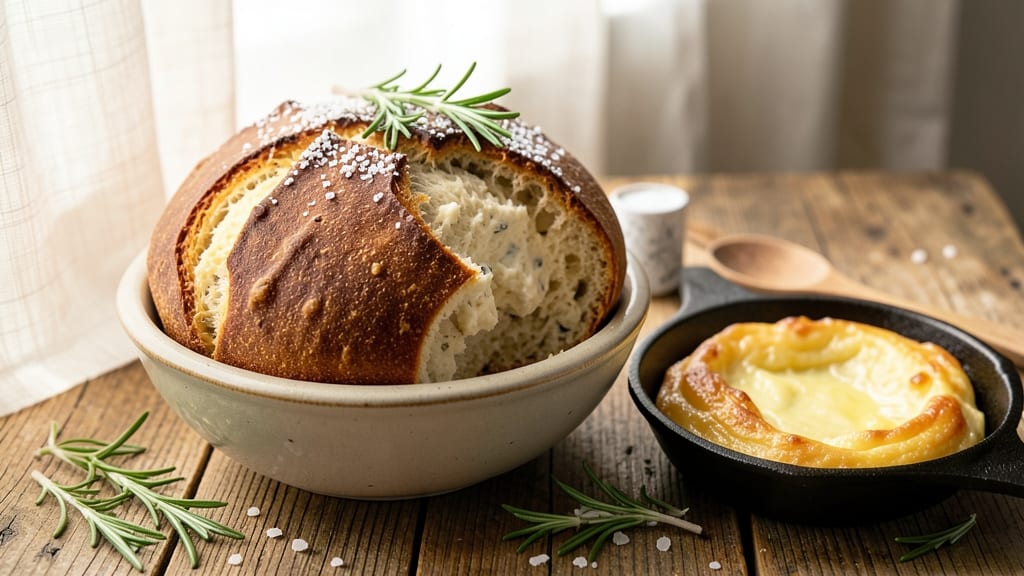
This healthy 5-ingredient cottage cheese bread recipe delivers a surprisingly light, fluffy loaf without yeast or complicated techniques. 💛 The secret lies in cottage cheese's natural moisture and protein, which create a tender crumb while reducing the need for excess fat.
Unlike traditional bread recipes, this version relies on simple pantry staples and a single rise—perfect for busy weeknights or meal prep.
The beauty of this recipe is its simplicity: just cottage cheese, flour, eggs, baking powder, and a touch of sweetener. No yeast means no waiting for long rises, and the high-protein cottage cheese replaces butter while keeping the bread moist.
The result is a healthy loaf with a soft, pillowy texture that's ideal for toast, sandwiches, or even French toast—without the guilt.
Baking at 350°F for about 40 minutes, this bread achieves a golden crust and even rise every time. The cottage cheese also adds subtle tanginess, balancing any sweetness you choose to include.
With minimal effort and no special equipment, you'll have a nutritious, versatile loaf that's far more satisfying than store-bought options.
Perfect for those watching their sugar or fat intake, this bread pairs beautifully with soups, salads, or even as a base for open-faced sandwiches. The best part? It freezes well, so you can bake a batch ahead and enjoy fresh bread all week. Let's get started!
Ingredients for 5 ingredient cottage cheese bread recipe healthy
Five simple ingredients transform into a light, healthy loaf with no yeast or fuss.
| Ingredient | Amount | Notes |
|---|---|---|
| Large Eggs 🥚 | 2 whole | Room temperature for even mixing |
| All-Purpose Flour 🌾 | 3 ½ cups | Sifted for light texture (spooned & leveled) |
| Small-Curd Cottage Cheese 🧀 | 16 oz | Full-fat for maximum moisture (2% works too) |
| Granulated Sugar 🍯 | ¼ cup | Or honey/maple syrup for natural sweetness |
| Baking Powder 🍞 | 1 ½ tsp | Double-acting for perfect rise (check freshness) |
| Salt 🧂 | ½ tsp | Diamond Crystal preferred for accurate measure |
| Unsalted Butter 🧈 | ¼ cup | Melted and cooled (optional for extra richness) |
| Vanilla Extract 🌸 | 1 tsp | Pure vanilla for authentic flavor (imitation OK) |
| Milk 🥛 | ¼ cup | Warm to help activate baking powder |
The cottage cheese is the magic ingredient here—full-fat delivers the best texture, but 2% works in a pinch. Kroger's or Trader Joe's carry the small-curd variety perfect for this recipe, but any will do if you've got it. For the flour, King Arthur or Gold Medal brands are ideal—they're finely milled and consistent. The baking powder? Check the expiration date—old powder won't rise properly. I always measure my flour by spooning it into the cup and leveling with a knife for accuracy (no scooping from the bag!). The eggs should be at room temperature—cold eggs can make the batter too thick.
No vanilla extract? Vanilla sugar works at double the amount, or skip it entirely if you're keeping this sugar-free. Short on butter? Olive oil at the same quantity keeps it dairy-free without sacrificing moisture. The milk can be any kind—dairy, almond, or even water in a bind—but warm milk helps activate the baking powder for that perfect rise. For a sweeter loaf, add an extra tablespoon of sweetener. The bread tastes even better the next day once the flavors meld, so don't be afraid to bake a batch ahead—it freezes beautifully for up to 3 months.
This bread keeps at room temperature for 2-3 days wrapped in a clean kitchen towel, or up to 5 days in the fridge. For freezing, slice first—toasted straight from frozen is my favorite way to enjoy it. The crust stays soft when reheated, but for extra crispiness, pop slices in a 350°F oven for 2-3 minutes. I always bake two loaves at once—they're perfect for sandwiches, toast, or even breadcrumbs (just pulse dried slices in a food processor). The leftovers make amazing French toast too!
Why You'll Love This Recipe
- No Mixer Needed: I swear by this recipe when I’m too tired to measure. Just fold the cottage cheese into the flour—no beating, no fuss—and the eggs bind it all together like magic.
- Sweet But Not Cloying: That sugar isn’t just for sweetness; it caramelizes just enough to give the crust a subtle golden crunch while the cottage cheese keeps the crumb tender. Honestly, it’s the kind of bread that disappears faster than my willpower.
- Breakfast or Snack: Between us, I’ve eaten this warm with butter, toasted with jam, or even as a quick French toast base. The small-curd cottage cheese gives it a lightness that works for any time of day.
- Pantry Staples Only: I keep a bag of flour, a tub of cottage cheese, and baking powder on hand just for this. No specialty ingredients, no last-minute grocery runs—just grab what you’ve got and go.
Step-by-step instructions for cottage cheese bread
This bread comes together with minimal effort but delivers maximum fluffiness—no yeast, no waiting, just pure deliciousness.
👨🍳 Step 1: Mix Wet Ingredients for Perfect Texture
In a large mixing bowl, combine the 2 whole Large Eggs, 16 oz Small-Curd Cottage Cheese, 0.25 cup Granulated Sugar, and 1 tsp Vanilla Extract. Use a hand mixer or whisk to blend until completely smooth—this ensures even distribution of moisture and sweetness throughout the batter. I like to press the cottage cheese through a fine-mesh sieve first to remove any lumps, which gives the bread an ultra-smooth texture.
The cottage cheese acts as both a tenderizer and a leavening agent here, replacing yeast entirely. Warm the 0.25 cup Milk slightly (about 100°F) and add it to the wet mixture while mixing continuously. The warmth helps activate the baking powder later, giving you that perfect rise. Let this mixture sit for 5 minutes while you prepare the dry ingredients—this gives the cottage cheese time to fully incorporate.
👨🍳 Step 2: Combine Dry Ingredients Precisely
In a separate bowl, sift together the 3.5 cups All-Purpose Flour, 1.5 tsp Baking Powder, and 0.5 tsp Salt. Sifting prevents lumps and ensures your bread rises evenly. If you're using the optional 0.25 cup Unsalted Butter, melt it first and let it cool to 100°F—this prevents the butter from cooking the flour before it's ready. Add the cooled butter to the dry ingredients and mix with a fork until evenly distributed. This step is crucial for creating that tender, crumbly texture we're after.
Here's where it gets fun—gently fold the dry ingredients into the wet mixture using a spatula. Start by cutting through the center of the batter and folding the edges inward, then turn the bowl and repeat. Do this 8-10 times until just combined. Overmixing develops gluten, which can make the bread dense. You'll know you're done when the batter looks shaggy but no dry flour remains on the bottom of the bowl.
🔥 Step 3: Bake Until Golden and Springy
Preheat your oven to 350°F and grease a 9x5-inch loaf pan generously with butter or nonstick spray. Pour the batter into the prepared pan and smooth the top with a spatula. Tap the pan gently on the counter 3-4 times to release any air bubbles—this helps create a smooth, crackly top. Bake for 50-55 minutes until a toothpick inserted in the center comes out clean and the top is golden brown. The bread should also spring back slightly when pressed gently with a finger.
I press down gently on the center of the bread during the last 5 minutes of baking—this prevents it from doming too much and ensures an even rise. If the top browns too quickly, tent the pan loosely with aluminum foil. The bread is done when it's firm to the touch but still tender inside. Remove from the oven and let it cool in the pan for 10 minutes before transferring to a wire rack to cool completely.
⏰ Step 4: Rest and Slice for Maximum Freshness
This is the most important step many people skip—let the bread cool completely in the pan for at least 1 hour before slicing. The residual heat continues to set the structure during this time, preventing a gummy texture. I like to wrap the cooled loaf in plastic wrap and refrigerate it overnight if I'm not serving it immediately. This actually improves the texture, making each slice even more tender.
When you're ready to serve, slice the bread into ½-inch thick pieces using a sharp serrated knife. The knife should glide through the bread with minimal resistance—if it sticks, let the bread rest another 10 minutes. Serve warm for the best experience, or toast slices lightly for a crispy exterior. This bread keeps well for 3-4 days at room temperature or up to 1 week in the refrigerator, making it perfect for meal prep.
Pro Tips For Making 5 Ingredient Cottage Cheese Bread Recipe Healthy
- STIR THE COTTAGE CHEESE: Mix it until it’s smooth—no lumps, no streaks. I learned this the hard way when I rushed and ended up with a dense, uneven loaf. Use a whisk or fork and take those extra 30 seconds.
- MEASURE FLOUR BY WEIGHING: Scooping flour from the bag packs in air, which makes your bread gummy. Use a kitchen scale for 1:1 cup-to-gram conversions (1 cup all-purpose = ~125g). Your bread will rise better and stay light.
- DON’T OVERMIX THE BATTER: Stop stirring the moment the flour disappears—overworking it develops gluten, and your bread turns tough instead of tender. Two turns with a spatula is all you need.
- BAKE AT 350°F, NOT HIGHER: Cottage cheese bread needs gentle heat to set without drying out. I used to crank it to 375°F, and the top burned before the center cooked. Stick to 350°F and check for doneness at 25–30 minutes with a toothpick.
Serving suggestions for this dish
Toast Perfection
This cottage cheese bread toasts beautifully—lightly browned slices make the perfect base for avocado toast or peanut butter and banana sandwiches. I use a Cuisinart GrillMaster toaster for even browning, setting it to medium heat for 2-3 minutes.
For extra crispiness, brush slices with a little melted butter before toasting. 🔥
Open-Faced Sandwiches
Thick slices work wonderfully for open-faced sandwiches. Try smoked salmon with cream cheese and capers or grilled chicken with pesto and tomato slices. The bread's neutral flavor lets the toppings shine while providing a sturdy base.
I like to toast the bread lightly first to prevent sogginess from saucy toppings.
French Toast Twist
Use leftover slices for restaurant-quality French toast! Dip ½-inch thick slices in a mixture of 2 eggs, ¼ cup milk, 1 tsp vanilla, and 1 tbsp cinnamon.
Cook on medium-low heat in butter until golden brown. Top with maple syrup and fresh berries for a protein-packed breakfast. ✨
Soup Companion
This bread's soft texture pairs perfectly with hearty soups like tomato basil or chicken noodle. I cut it into ½-inch cubes for bread bowls—hollow out the center, fill with soup, and top with cheese for a comforting meal. The bread absorbs flavors beautifully while adding satisfying texture.
Breadcrumbs Magic
Dry out leftover slices in a 200°F oven for 1 hour, then pulse in a food processor for homemade breadcrumbs. Use them to coat chicken cutlets, thicken soups, or create crispy topping for casseroles. The cottage cheese adds a subtle tang that elevates savory dishes. 💫
Sweet Applications
Don't overlook this bread's potential for desserts! Cut into thick slices, brush with melted butter, and sprinkle with cinnamon sugar for cinnamon toast. Or make bread pudding by cubing the bread and baking with egg custard and vanilla. The high protein makes it more satisfying than traditional dessert breads.
Nutrition facts
Frequently asked questions
Can I make this cottage cheese bread without eggs?
Yes, you can substitute the eggs with ½ cup unsweetened applesauce or ¼ cup ground flaxseed mixed with 3 tablespoons water (let it sit for 5 minutes to thicken). The texture will be slightly denser but still delicious. For best results, reduce the milk by 2 tablespoons to maintain moisture balance.
Why does my bread turn out dense instead of fluffy?
Dense bread usually happens from overmixing (which develops gluten) or underbaking. Mix just until combined (8-10 folds) and bake until a toothpick comes out clean. Also ensure your baking powder is fresh—old powder loses its lift. For extra fluffiness, press down gently on the bread during the last 5 minutes of baking.
How do I store this bread to keep it fresh longer?
Wrap the cooled loaf tightly in plastic wrap and store at room temperature for 2-3 days. For longer storage, refrigerate for up to 5 days or freeze sliced bread for 3 months. To revive frozen slices, toast directly from frozen for 2-3 minutes at 350°F. The bread actually improves overnight!
Can I add seeds or nuts to this recipe?
Stir in ½ cup chopped walnuts, ¼ cup sunflower seeds, or 2 tablespoons flaxseeds with the dry ingredients. For extra crunch, toast the nuts/seeds in a dry pan for 3-4 minutes before adding. Just reduce the flour by 2 tablespoons to maintain the right texture.
Is this bread suitable for a gluten-free diet?
Not traditionally, but you can adapt it using a 1:1 gluten-free flour blend (like Bob's Red Mill) and add ½ teaspoon xanthan gum to the dry ingredients. Expect a slightly denser texture. For best results, let the batter rest for 10 minutes before baking. Always check your gluten-free flour's instructions first.